This 2-part mini-series focuses on the events hinted at in Wizards of the Coast’s Fallen Empire cards. All the drama and tragedy caused by the coming ice age will be dramatically told by the editorial team that brought you the hit Shadow Mage and Ice Age Armada series. The story takes place between the Urza/Mishra war set forth in Antiquities and the story now being told in Ice Age. The plot is officially sanctioned by Wizards of the Coast and makes an excellent precursor to the Ice Age mini-series.
Magic the Gathering – Fallen Empires #1 polybagged with Booster Pack NM $24
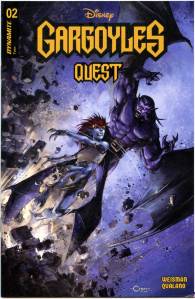
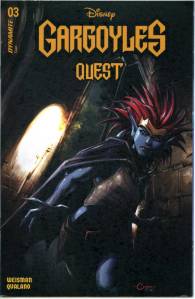
Thwarted in her earlier attempt to gain control of the ancient magical artifacts known as the Original Keys to Power, the evil DEMONA has set her sights on three New Keys that will give her the ability to make any human in her vicinity into her willing puppet. All that stands between Demona and world domination are Goliath and the Manhattan Clan. But despite their best efforts, Demona always seems to be a step ahead, gathering one Key after another. And once she has them all, the entire human race had better beware!
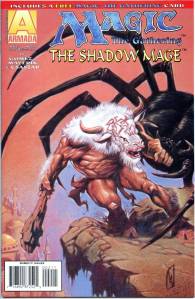
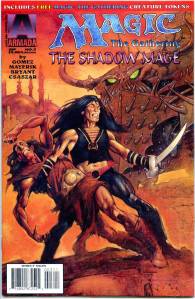
This is the first in a series of limited series relating just one of the epic sagas set on Dominia, the world of Magic: The Gathering! The Shadow Mage tells the story of young Jared, a boy who is rescued from a spectacular battle and then cared for by a lowly Spellsquire. The old man spends years preparing Jared to take vengeance on the immensely powerful Planewalker who slew his father.
Magic the Gathering – The Shadow Mage #1 NM Polybagged with card $19
Magic the Gathering – The Shadow Mage #2 NM with card $9
Magic the Gathering – The Shadow Mage #3 NM Polybagged with tokens $9
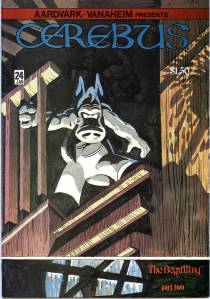
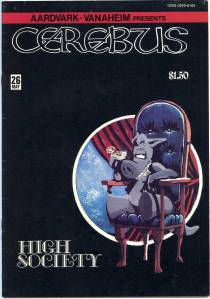
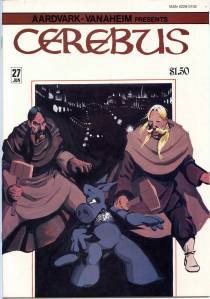
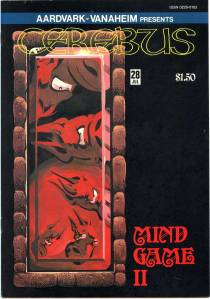
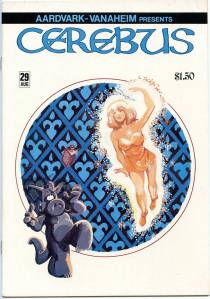
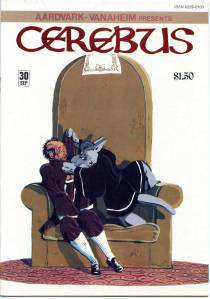
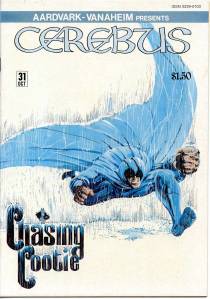
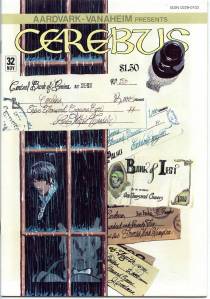
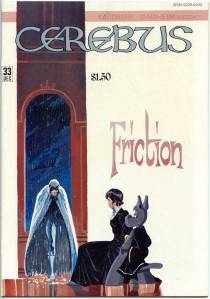
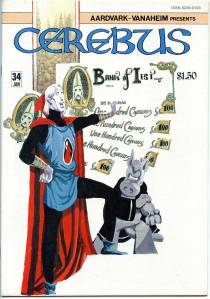
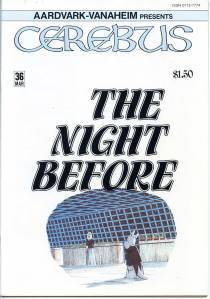
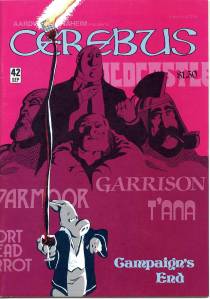
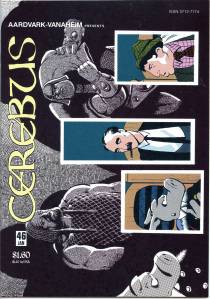
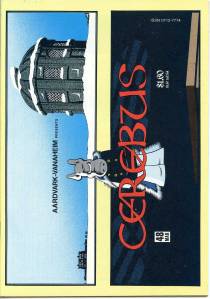
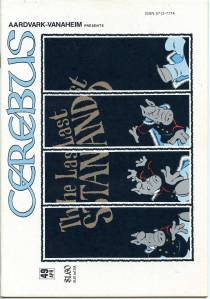
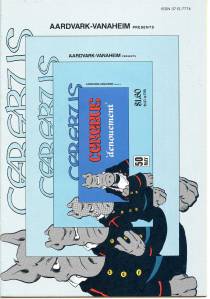
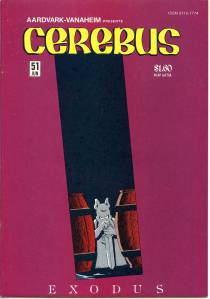
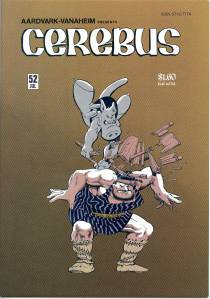
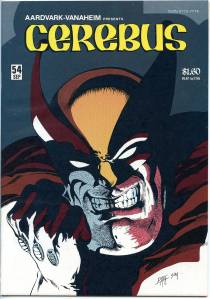
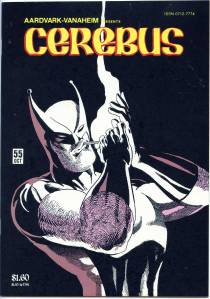
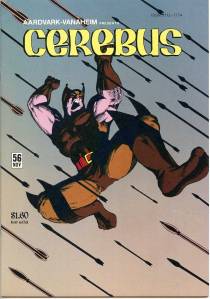
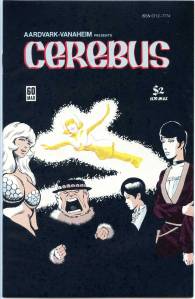
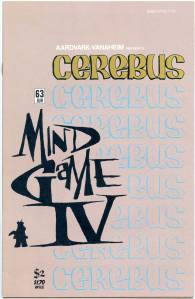
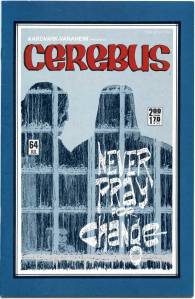
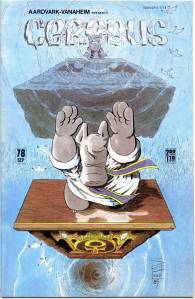
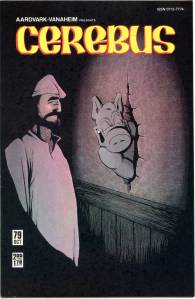
Cerebus the Aardvarkis a series created by Canadian cartoonist Dave Sim, which ran from December 1977 until March 2004. The title character of the 300-issue series was an anthropomorphic aardvark who takes on a number of roles throughout the series—barbarian, prime minister and Pope among them. The series stands out for its experimentation in form and content, and for the dexterity of its artwork, especially after background artist Gerhard joined in with the 65th issue. As the series progressed, it increasingly became a platform for Sim’s controversial beliefs.
The 6000-page story is a challenge to summarize. Beginning as a parody of sword and sorcery comics, it moved into seemingly any topic Sim wished to explore — power and politics, religion and spirituality, gender issues, and more. It progressively became more serious and ambitious than its parodic roots — what has come to be dubbed “Cerebus Syndrome“. Sim announced early on that the series would end with the death of the title character. The story has a large cast of characters, many of which began as parodies of characters from comic books and popular culture.
Starting with the High Society storyline, the series became divided into self-contained “novels”, which form parts of the overall story. The ten “novels” of the series have been collected in 16 books, known as “Cerebus phonebooks” for their resemblance to telephone directories. At a time when the series was about 70% completed, celebrated comic book writer Alan Moore wrote, “Cerebus, as if I need to say so, is still to comic books what Hydrogen is to the Periodic Table.”
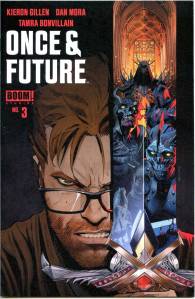
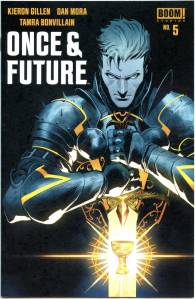
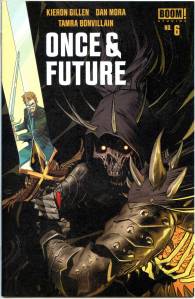
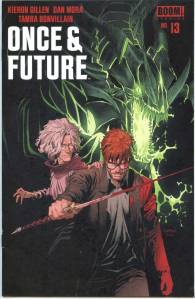
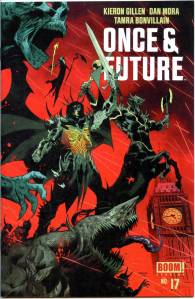
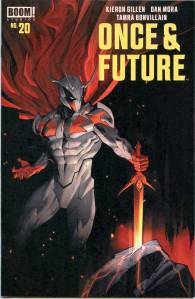
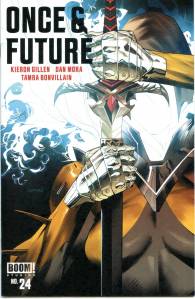
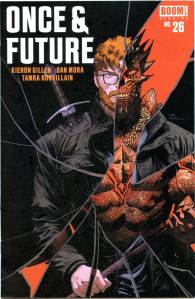
When a group of British nationalists perform a supernatural ritual in order to resurrect King Arthur, they discover that Arthur has his own agenda. As Arthur leaves a trail of death and destruction in his wake, octogenarian Bridgette McGuire — a retired monster hunter — and her grandson Duncan must try to stop him before other creatures from story begin emerging as well.
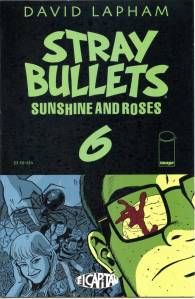
A story about violence, love, and really bad decisions. The Baltimore underworld is falling apart at the seams and blood has been spilt. Where and when things went to hell in a handbasket can be traced back to a time a few years earlier, when a man named Harry ran the city, Spanish Scott and Monster enforced the rules, and an insecure young man named Orson met a wild and crazy girl named Beth. The two together cooked up the boldest, most outlandish, and just about the stupidest plan ever devised-a plan to steal a whole lot of Harry’s money and drugs and get a little revenge along the way.
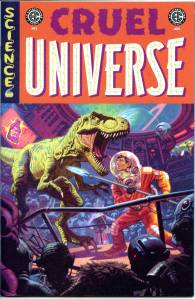
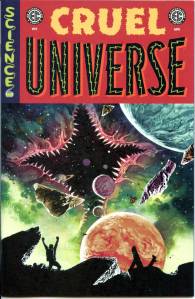
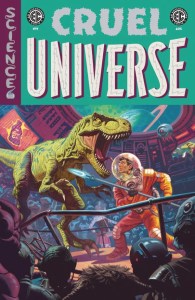
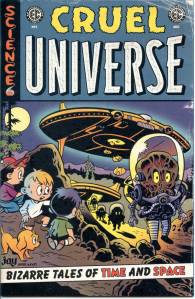
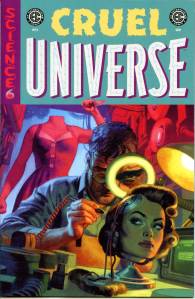
The unpredictable return of EC Comics continues here with the quantum comics event of the millennium! Galaxies will collapse. Space-time will be distorted. And your very will to exist, too, shall be broken. . . . Just remember: It’s all in the name of SCIENCE!
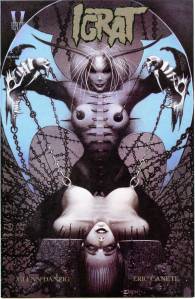
The surprise popularity of the Igrat character from DSatanika, has spawned her own two issue mini-series written by Glenn Danzig and illustrated by Eric Canete (of MTVs Aeon Flux fame). This two issue mini-series tells the beginings and origin of how Igrat became Hells Assassin angel.
The year is 2084 and the world has changed. Wracked by calamities and crawling with mon-sters, the last remaining humans face a dangerous existence. And now, the Earth has been sent a message from the deepest reaches of space – a dark count-down to the extinction of all humanity. But there is hope! Five thousand children will be rescued by these mysterious message-senders. This is the journey of Hototo, one of the lucky five thousand – but only if his teenage sister, Tala, can safely deliver him to the nearest Beacon before time runs out
We Live #1 Momoko Kickstarter Variant CGC 9.8 White Pages $159
We Live #1 1:15 Nguyen Variant CGC 9.8 White Pages $95
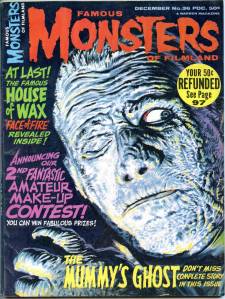
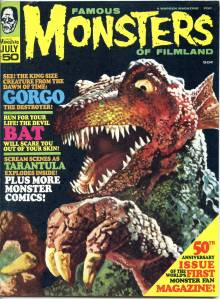
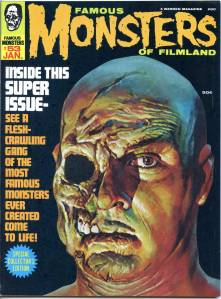
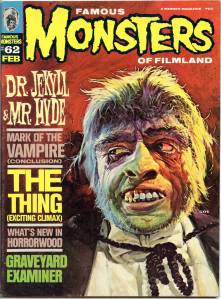
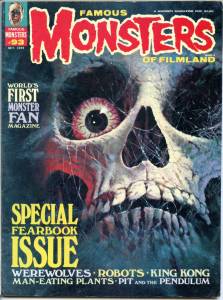
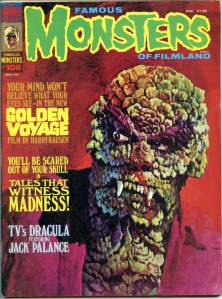
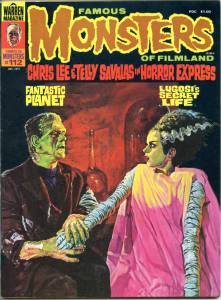
Famous Monsters of Filmland was originally conceived as a one-shot publication by Warren and Ackerman, published in the wake of the widespread success of the Shock Theater package of old horror movies syndicated to American television in 1957. But the first issue, published in February 1958, was so successful that it required a second printing to fulfill public demand. Its future as part of American culture was immediately obvious to both men. The success prompted spinoff magazines such as Spacemen, Favorite Westerns of Filmland, Screen Thrills Illustrated, Creepy, Eerie, and Vampirella.