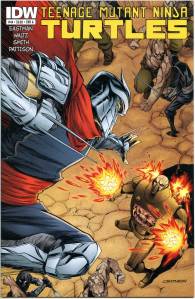
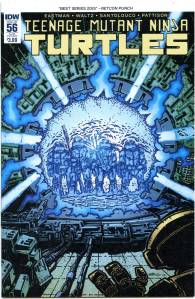
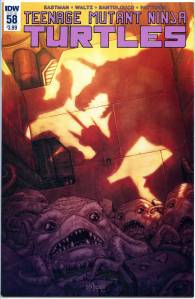
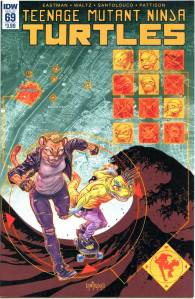
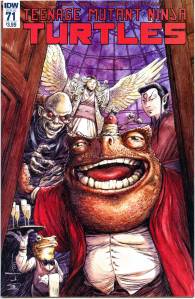
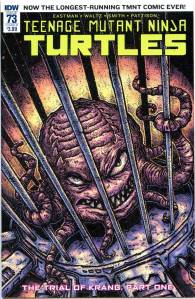
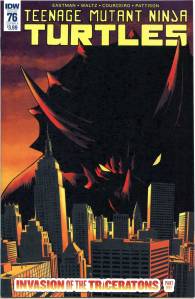
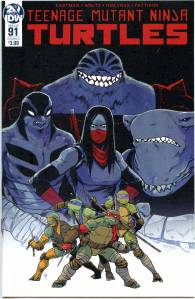
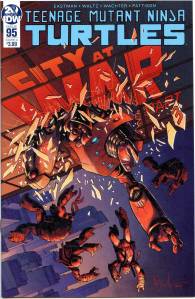
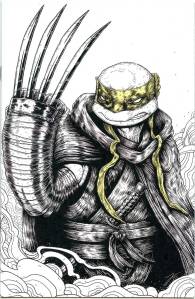
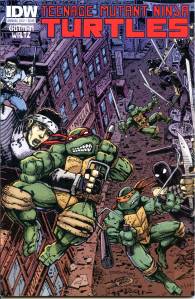
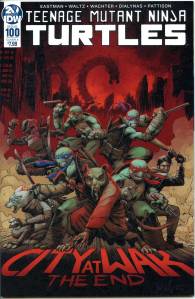
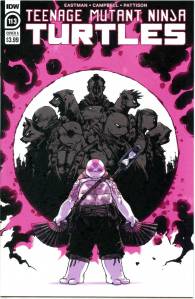
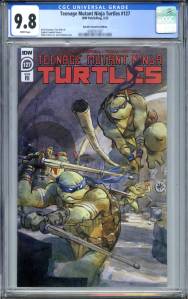
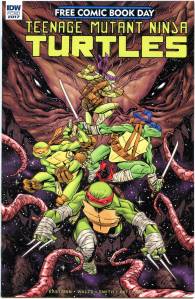
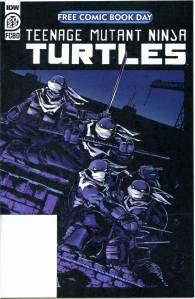
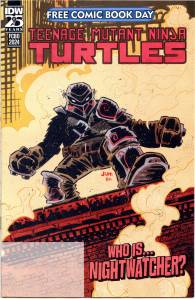
In April 2011, IDW Publishing announced that they had acquired the license to publish new collections of Mirage storylines and a new ongoing series. The first issue of the new series was released on August 24, 2011. Turtles co-creator Kevin Eastman and Tom Waltz write, with Eastman and Dan Duncan providing art.
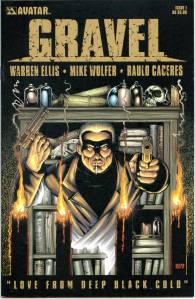
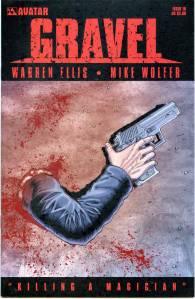
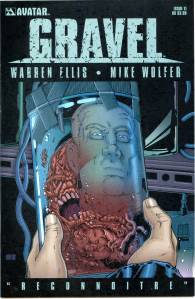
The mad mind of Warren Ellis is once again unleashed on combat magician William Gravel, this time on a full-color, on-going monthly series! Magic. Everyone thought that he was dead, including the Minor Seven, the secret enclave of Britain’s Occult Detectives. But Combat Magician William Gravel is very much alive and looking for the answers to how and why his place in the Minor Seven was filled by another and what the secret society is doing with the Sigsand Manuscript, an ancient supernatural text of unparalleled power. In a quiet, country cottage, Gravel will find the first clues to the Sigsand’s location and in the darkness of the cottage’s basement, a disturbing, unnatural thing that slithered into our dimension by the power of the ancient tome…
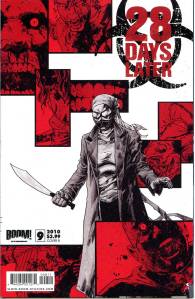
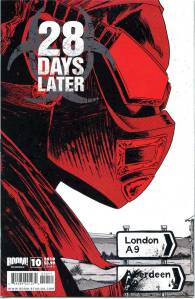
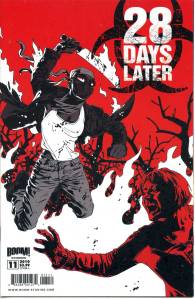
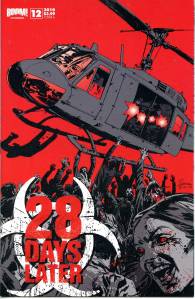
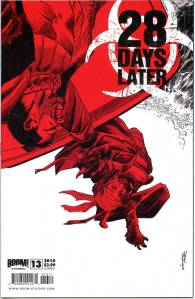
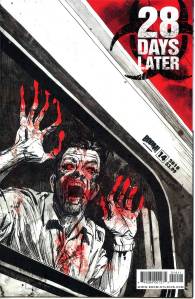
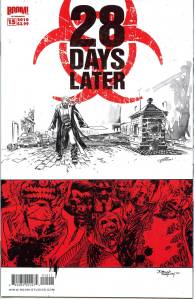
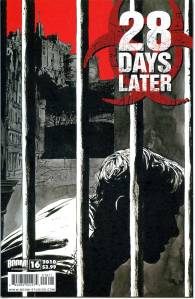
The series follows on from the events of 28 Days Later, initially taking place in the gap between it and the sequel, 28 Weeks Later, much like the graphic novel 28 Days Later: The Aftermath, and as such references the upcoming American NATO occupation. Issues 22, 23 and 24 directly reference events from the second movie, and takes place in the same time frame, ending with the Rage Virus spreading into mainland Europe.
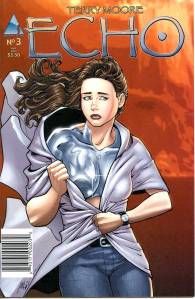
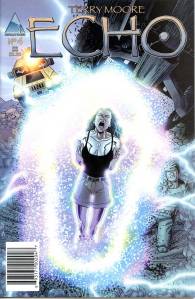
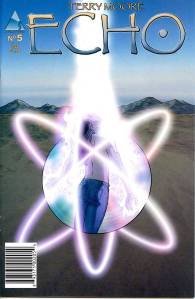
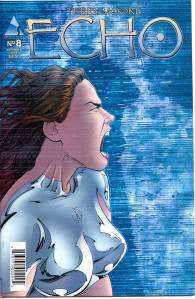
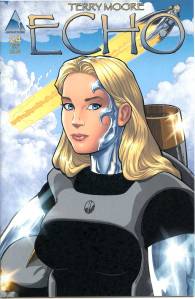
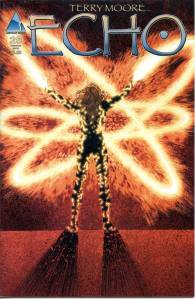
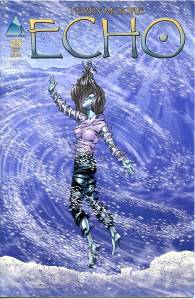
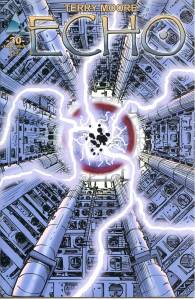
Echo‘s story revolves around Julie, a young photographer who inadvertently discovers a high-techbattle suit. Terry Moore has said the premise of Echo is a woman living in today’s America who is dealing with a sudden unbelievable change to her daily life.
More than 1,000 issues were published, usually with multiple titles released every month. An exact accounting of the actual number of unique issues produced is difficult because occasional issue numbers were skipped and a number of reprint issues were also included. Nonetheless, the Overstreet Comic Book Price Guide lists well over 1,000 individual issues, ending with #1354. It currently holds the record for most issues produced of an American comic book; its nearest rivals, Action Comics and Detective Comics, ended their initial runs in 2011 at 904 issues and 881 issues, respectively. The first 25 issues are known as “series 1”; after they were published, the numbering began again and “series 2” began. Four Color published many of the first comics featuring characters licensed from Walt Disney.
Four Color #638 F+ $14
The Two Mouseketeer’s Dell Four Color Comics #642 VF $24
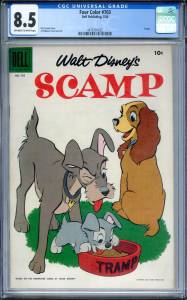
Four Color #703 CGC 8.5 Off White to White Pages $95
Four Color Comics #1078 G $8
Four Color #1173 F+ $69
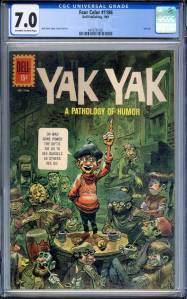
Four Color #1186 CGC 7.0 Off-White to White Pages $95
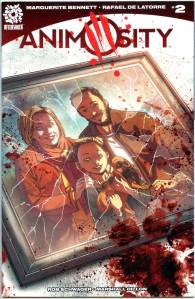
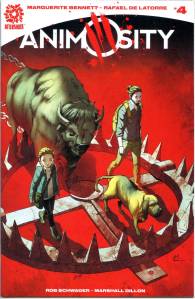
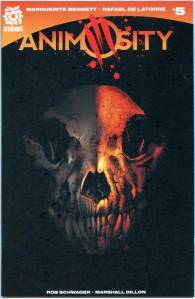
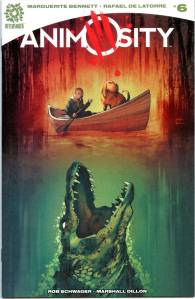
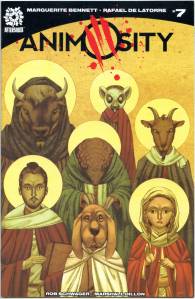
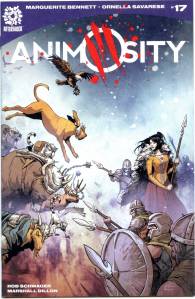
One day, the Animals woke up. They started thinking. They started talking. They started taking revenge. Now, a dog and his girl are trying to get away–out of New York City, and all the way to San Francisco, to the only person who might be able to protect and save her. A new kind of road trip, a new kind of black comedy, and a new kind of coming-of-age.
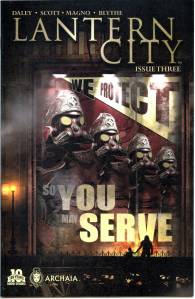
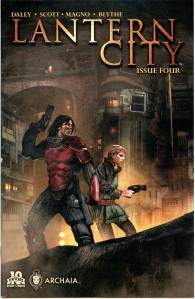
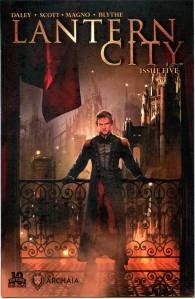
Sander Jorve is a reluctant hero shaped by a tough upbringing, trying to do his best for his family and a working-class revolution he supports. When asked by his wife’s brother, Kendal Kornick, to do the unthinkable and go undercover as a member of the Lantern City Guard, a relentless oppressive police force working for the Grey Empire, Sander must risk his family and his own identity for the chance to make a better world.
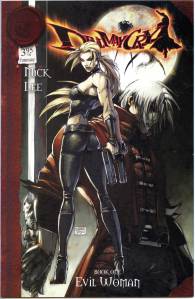
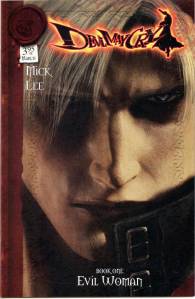
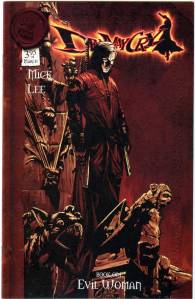
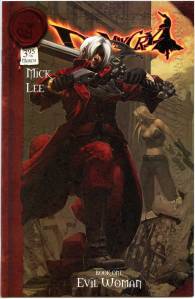
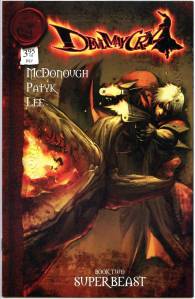
Devil May Cry is a comic adaptation of the first game, published by a Canadian publisher Dreamwave Productions in 2004. It was written by Brad Mick with art by Pat Lee, and additional cover images were provided by Michael Turner and Jae Lee. Three issues of the comics were released, but it was left unfinished when the company went bankrupt in 2005.
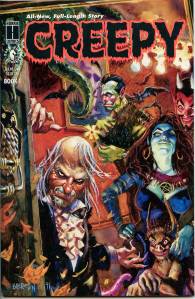
Harris Comics brings the old Warren magazine back from the dead, as it were, in this monstrous 1993 title. Creepy follows a familiar format, telling horror stories interspersed with comments from ghoulish hosts—in this case a sadistic couple of cousins. The stories hark back to the great EC horror titles such as Tales From the Crypt, featuring all number of vampires, witches, demons, and dark sorcery. And of course, there’s always Vampirella.
If there is one way in which Creepy sets itself apart from old-style horror, it’s that in classic horror comics, evil was (almost) always punished, and good always won out in the end. Creepy, on the other hand, makes no such distinction—preferring, as it might say, to be an “equal opportunity destroyer.”