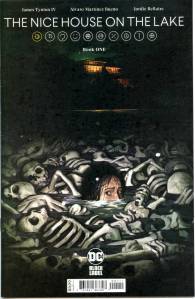
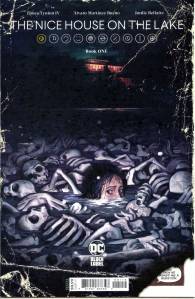
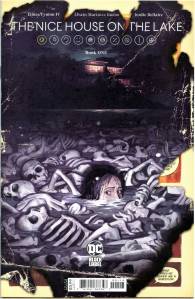
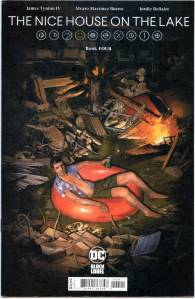
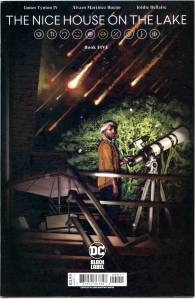
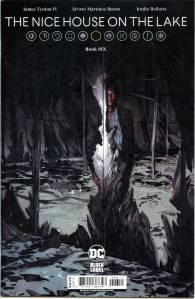
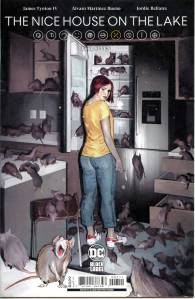
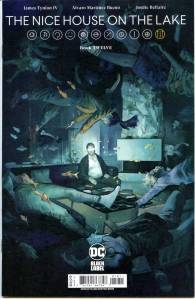
Everyone who was invited to the house knows Walter—well, they know him a little, anyway. Some met him in childhood; some met him months ago. And Walter’s always been a little…off. But after the hardest year of their lives, nobody was going to turn down Walter’s invitation to an astonishingly beautiful house in the woods, overlooking an enormous sylvan lake. It’s beautiful, it’s opulent, it’s private—so a week of putting up with Walter’s weird little schemes and nicknames in exchange for the vacation of a lifetime? Why not? All of them were at that moment in their lives when they could feel themselves pulling away from their other friends; wouldn’t a chance to reconnect be…nice?
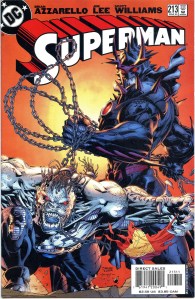
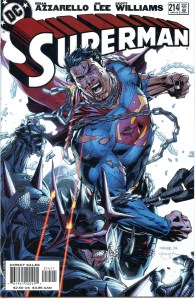
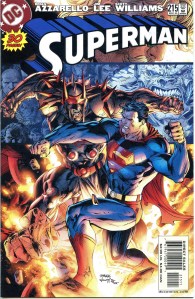
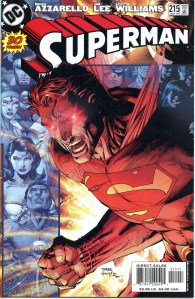
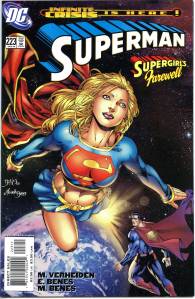
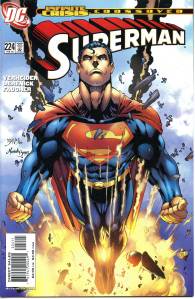
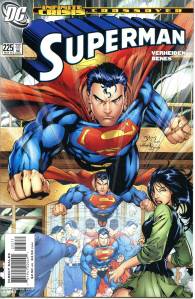
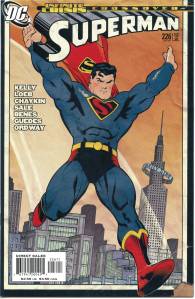
With the publication of issue #226 (April 2006), the series was canceled as part of the company-wide Infinite Crisis event. The Adventures of Superman was returned to its original title, Superman, with issue #650 the following month.
In November 2011, a third volume of Superman was launched with issue #1 as part of The New 52 company-wide reboot.
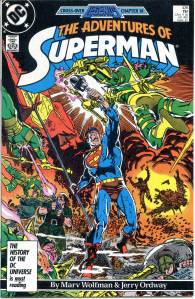
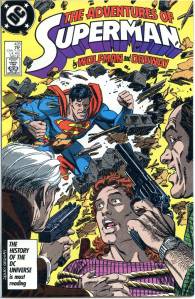
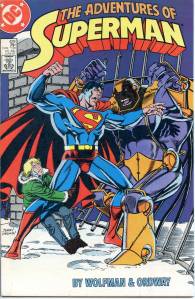
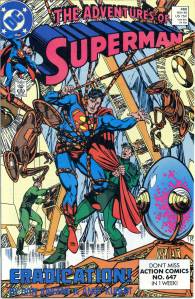
When the series was relaunched in late 1986 under its new title, the creative team initially was writer Marv Wolfman and artist Jerry Ordway.John Byrne replaced Wolfman with issue #436 (January 1988) and Ordway became both writer and artist with issue #445 (October 1988). Writer/artist Dan Jurgens worked on the title from 1989–1991. Hank Henshaw, a character who would later become the Cyborg Superman, first appeared in issue #466 (May 1990). By the late 1980s, the plots of the Superman books were often linked. To coordinate the storyline and sequence of event, from January 1991 to January 2002, “triangle numbers” (or “shield numbers”) appeared on the cover of each Superman comic book. During these years, the Superman storylines ran with the story continuing through the titles Superman, Action Comics and later in two further series, Superman: The Man of Steel and Superman: The Man of Tomorrow.
Aquaman, published by DC Comics was created by Paul Norris and Mort Weisinger. The character debuted in More Fun Comics #73 (November 1941). Initially a backup feature in DC’s anthology titles, Aquaman later starred in several volumes of a solo title. During the late 1950s and 1960s superhero-revival period known as the Silver Age, he was a founding member of the Justice League of America. In the 1990s Modern Age, Aquaman’s character became more serious than in most previous interpretations, with storylines depicting the weight of his role as king of Atlantis.
Later accounts reconciled both facets of the character, casting Aquaman as serious and brooding, saddled with an ill reputation, and struggling to find a true role and purpose beyond his public side as a deposed king and a fallen hero.
Hollis Mason, the original Nite Owl, recounts his exploits with The Minutemen during the 1940s, while in the midst of his retirement, he faces opposition to the publication of his tell-all autobiography, Under the Hood in the early 1960s. Although it heavily retconned certain characters’ backstories by suggesting that a large part of Under the Hood was dirty lies and cover ups, it debuted to positive reviews.
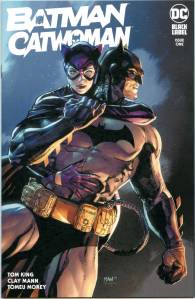
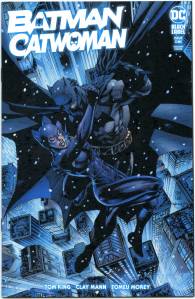
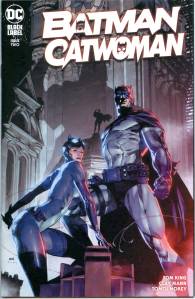
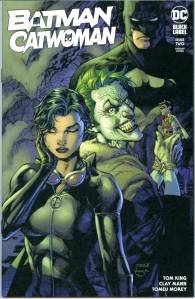
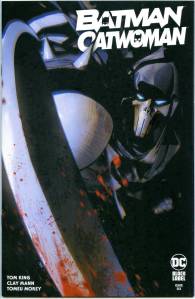
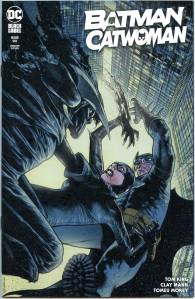
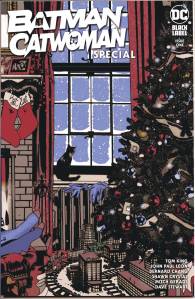
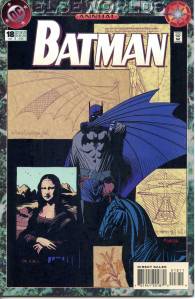
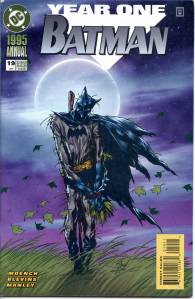
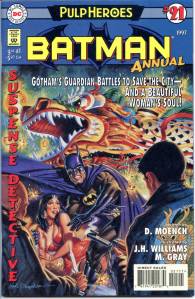
The comic was originally going to be canon, but James Tynion IV, who took over the writing duties on Batman (Volume 3) from Tom King, said that Batman/Catwoman was moving away from the “bounds of continuity” per his understanding and it would have no effect on the main Batman title.
King later stated it was a standalone series and was his version of how Batman and Catwoman’s ending should be. He also hoped it would lead to “breaking the mold” in DC about Batman’s status quo. The series follows the duo’s romance through multiple eras, unlike the current Prime Earth continuity.
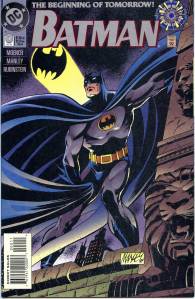
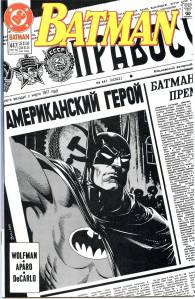
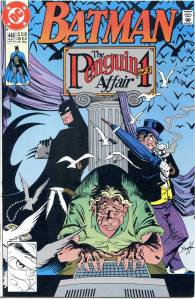
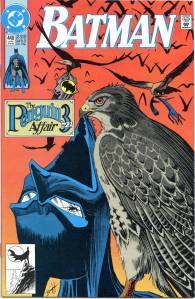
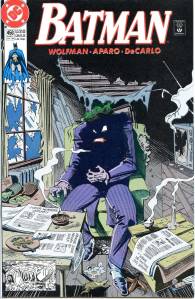
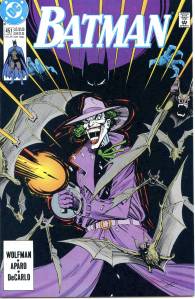
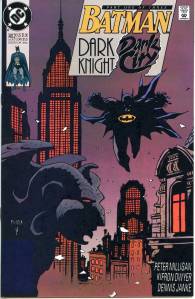
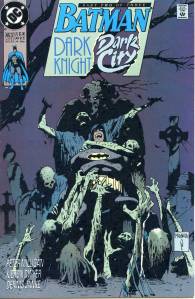
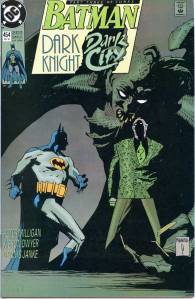
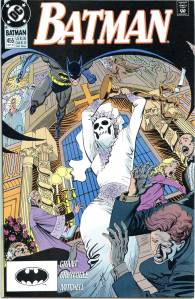
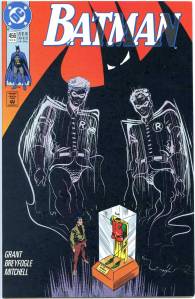
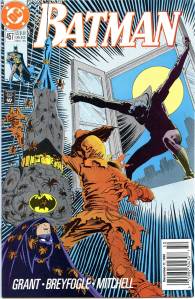
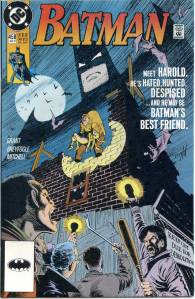
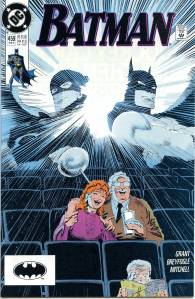
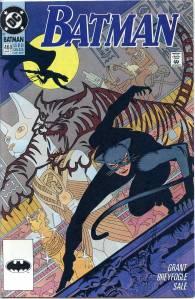
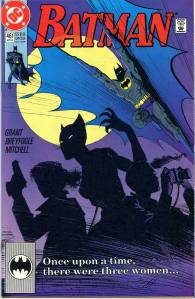
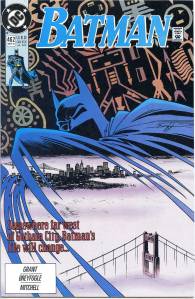
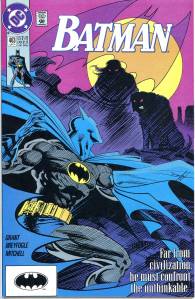
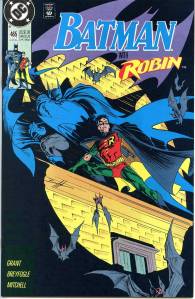
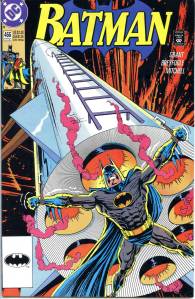
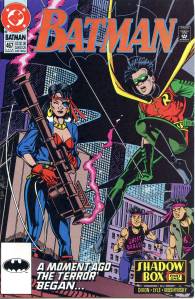
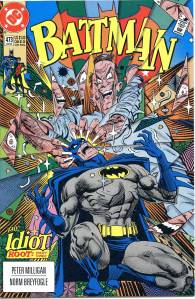
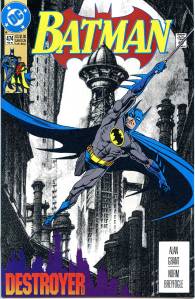
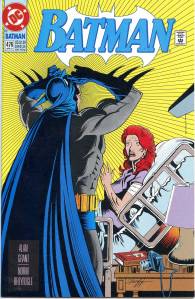
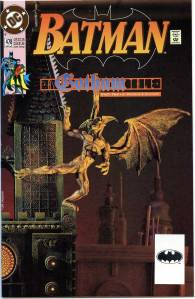
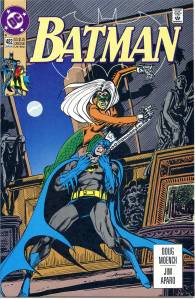
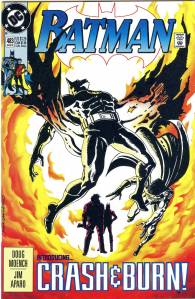
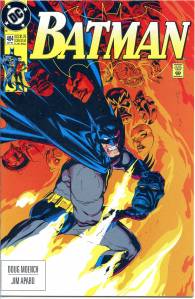
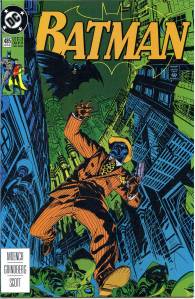
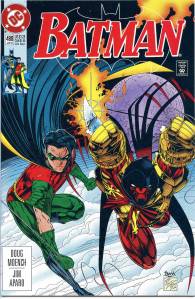
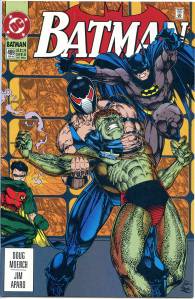
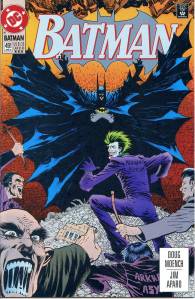
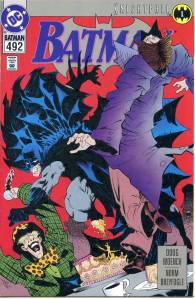
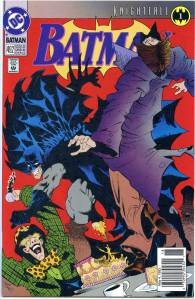
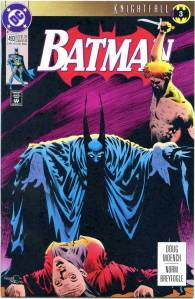
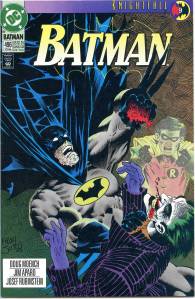
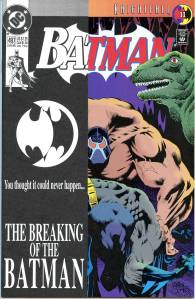
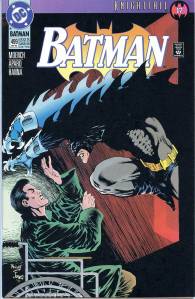
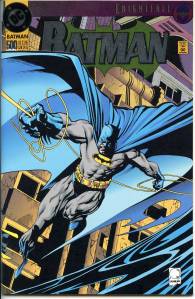
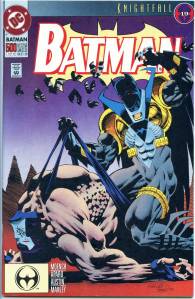
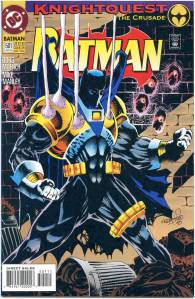
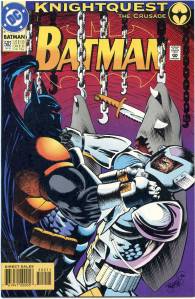
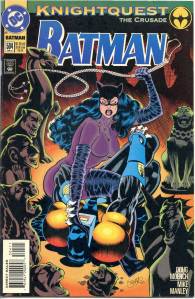
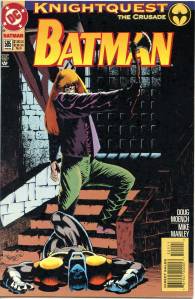
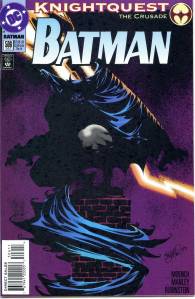
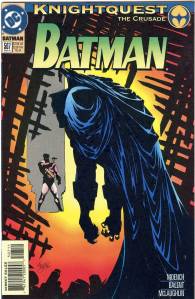
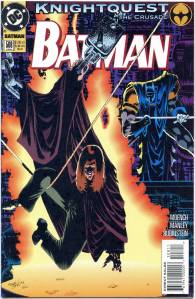
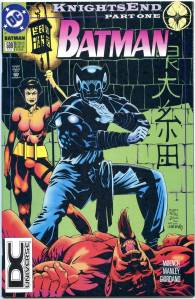
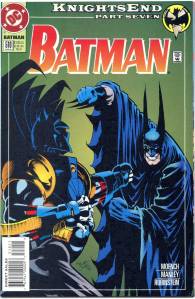
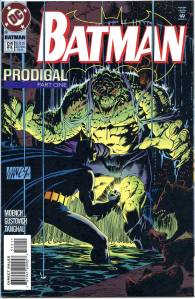
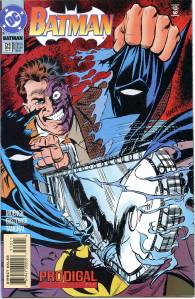
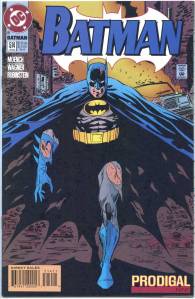
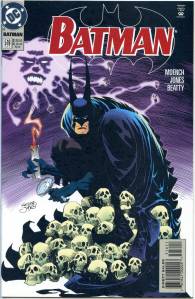
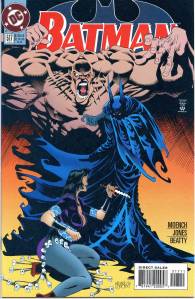
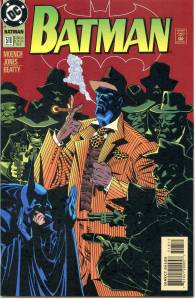
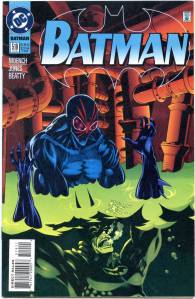
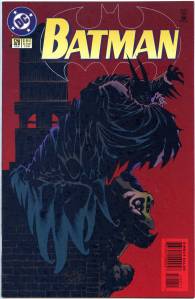
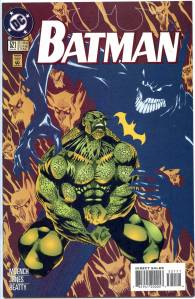
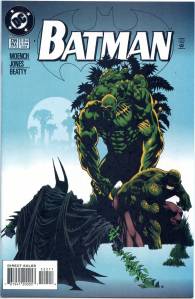
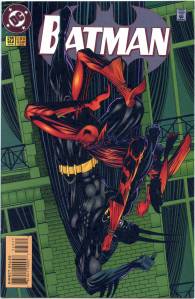
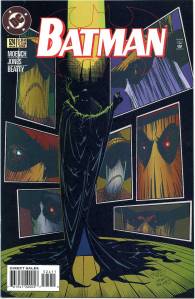
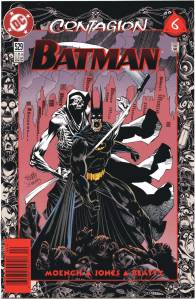
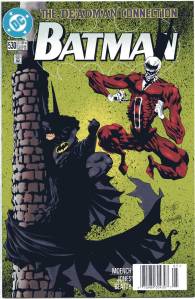
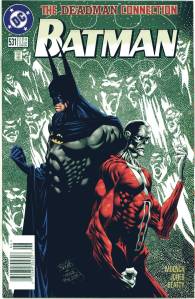
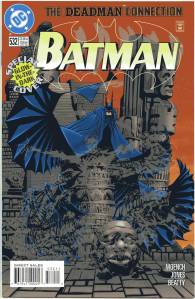
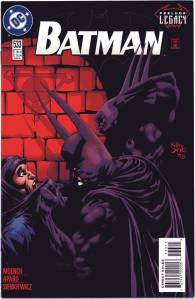
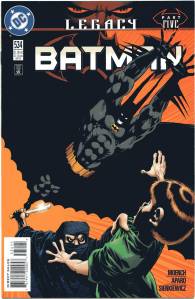
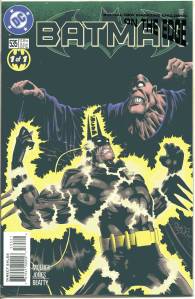
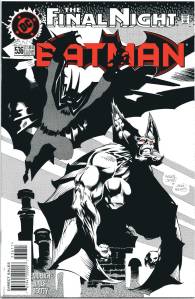
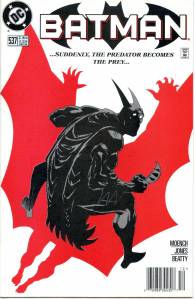
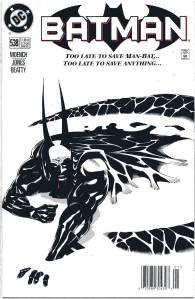
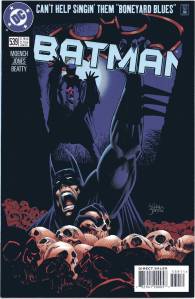
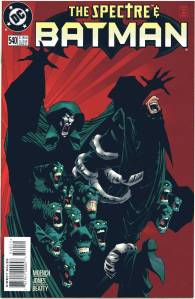
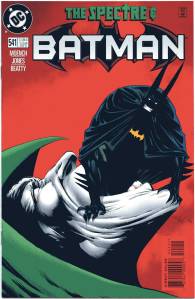
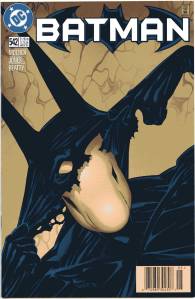
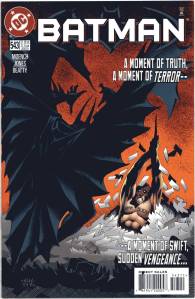
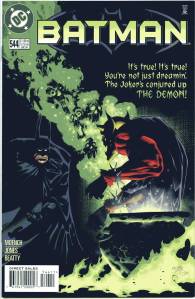
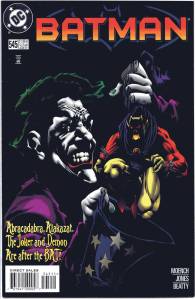
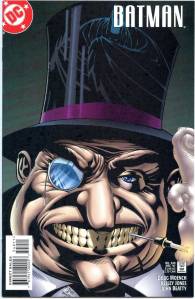
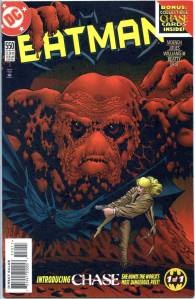
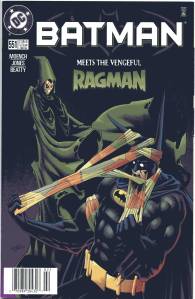
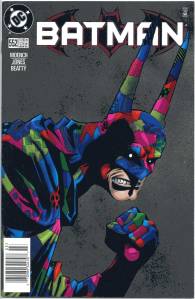
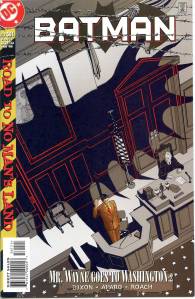
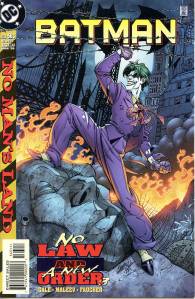
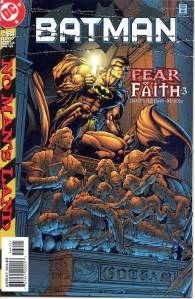
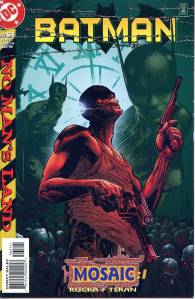
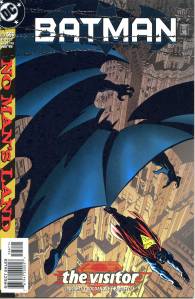
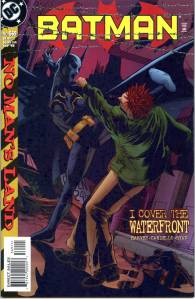
The 1993 “Knightfall” story arc introduced a new villain, Bane, who critically injures Batman. Jean-Paul Valley, known as Azrael, is called upon to wear the Batsuit during Bruce Wayne’s convalescence. Writers Doug Moench,Chuck Dixon, and Alan Grant worked on the Batman titles during “Knightfall”, and would also contribute to other Batman crossovers throughout the 1990s. 1998’s “Cataclysm” storyline served as the precursor to 1999’s “No Man’s Land“, a year-long storyline that ran through all the Batman-related titles dealing with the effects of an earthquake-ravaged Gotham City. At the conclusion of “No Man’s Land”, O’Neil stepped down as editor and was replaced by Bob Schreck.
Kara Zor-El has seen some epic adventures over the years, but finds her life without meaning or purpose. Here she is, a young woman who saw her planet destroyed and was sent to Earth to protect a baby cousin who ended up not needing her. What was it all for? Wherever she goes, people only see her through the lens of Superman’s fame. Just when Supergirl thinks she’s had enough, everything changes. An alien girl seeks her out for a vicious mission. Her world has been destroyed, and the bad guys responsible are still out there. She wants revenge, and if Supergirl doesn’t help her, she’ll do it herself, whatever the cost. Now a Kryptonian, a dog, and an angry, heartbroken child head out into space on a journey that will shake them to their very core.
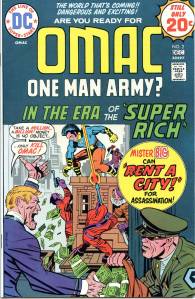
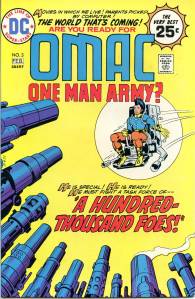
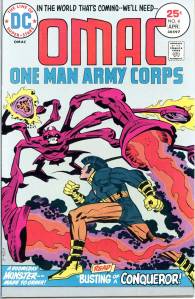
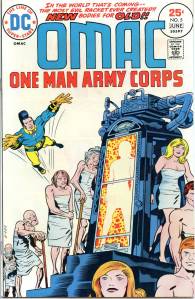
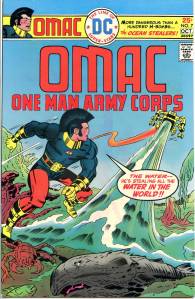
OMAC (Buddy Blank) was created in 1974 by Jack Kirby and published by DC Comics. The character was created towards the end of Kirby’s contract with the publisher, following the cancellation of his New Gods series and was reportedly developed strictly due to Kirby needing to fill his contractual quota of 15 pages a week.As envisioned by Kirby, OMAC is essentially Captain America set in the future, an idea Kirby had toyed with some years earlier while at Marvel Comics, but had never realized.
Set in the near future (“The World That’s Coming”), OMAC is a corporate nobody named Buddy Blank who is changed via a “computer-hormonal operation done by remote control” by an A.I. satellite called Brother Eye into the super-powered One-Man Army Corps (OMAC).










 EHT Comics