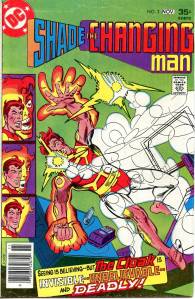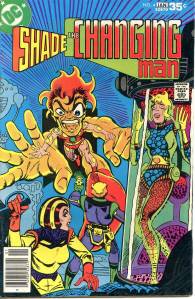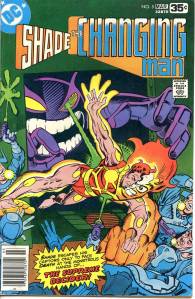
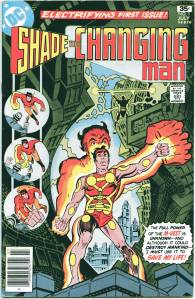
Shade, the Changing Man told the story of a fugitive from the militant planet Meta in another dimension. Shade (whose full name is Rac Shade) was powered by a stolen “M-vest” (or Miraco-Vest, named for its inventor) which protected him with a force field and enabled him to project the illusion of becoming a large grotesque version of himself. The character was the first Ditko had created, or helped to create, for a mainstream publisher for many years. Prior to rejoining DC Comics, Ditko had worked on characters such as his Mr. A. title. Shade was very much a return to mainstream superheroics, although Shade indicated no particular connection with the DC Universe (although the letters columns stated that there is no reason it could not be shown to be there). Michael Fleisher scripted the series based on Ditko’s plotting and art.
Author: EHT Comics
Tom Strong (1999)
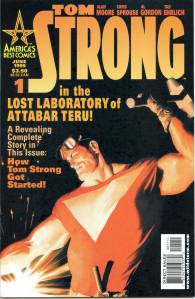
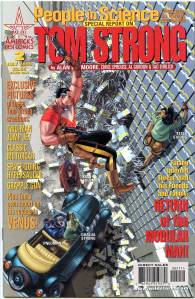
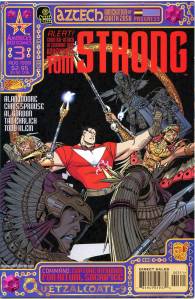
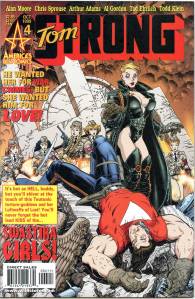
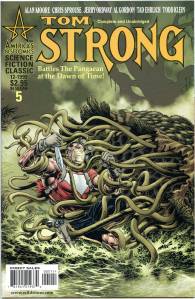
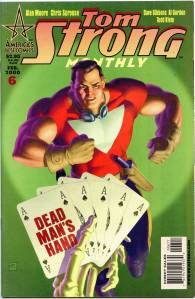
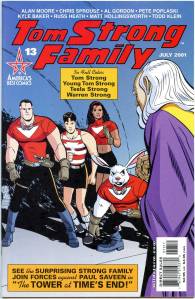
Tom Strong is a comic book created by writer Alan Moore and artist Chris Sprouse, initially published bi-monthly by America’s Best Comics, an imprint of DC Comics‘ Wildstorm division. Tom Strong, the title character, is a “science hero”, with a wife, Dhalua, and a daughter, Tesla, both with enhanced physical and mental abilities and longevity. He lives in a building called The Stronghold in Millennium City. He is also helped by Pneuman, a steam-powered robot, and King Solomon, a gorilla with human characteristics. His greatest foe is tuxedo-clad “science villain” Paul Saveen. The series explores many different timelines and universes, which are a nod to different comic genres. The primary characters are tributes to and spoofs of early pulp heroes.
Action Comics (Golden Age)
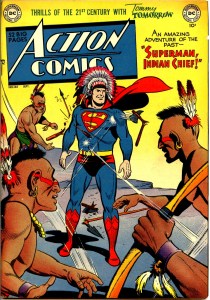
The major event many cite as marking the beginning of the Golden Age was the 1938 debut of Superman in Action Comics #1, published by the predecessor of modern-day DC Comics. The creation of Superman made comic books into a major industry. Some date the start to earlier events in the 1930s: The Overstreet Comic Book Price Guide‘s regular publication The Golden Age Quarterly lists comic books from 1933 onwards (1933 saw the publication of the first comic book in the size that would subsequently define the format); some historians, such Roger Sabin, date it to the publication of the first comic books featuring entirely original stories rather than re-prints of comic strips from newspapers (1935) by the company that would become DC Comics.
House of Slaughter (2021)
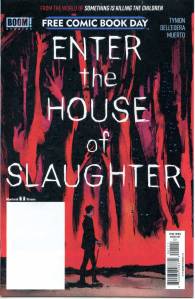
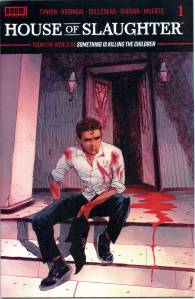
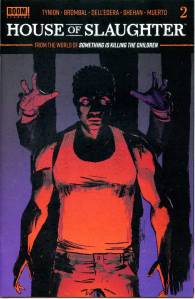
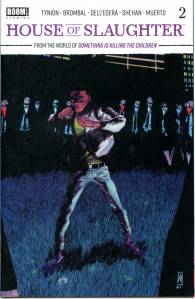
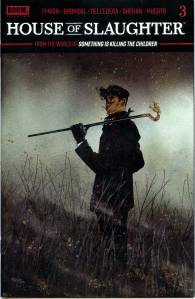
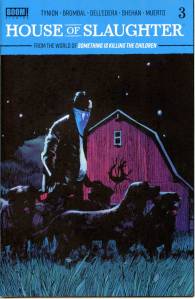
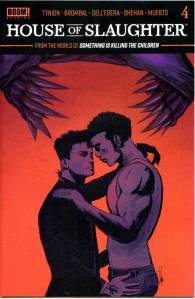
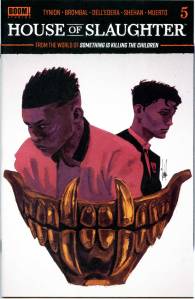
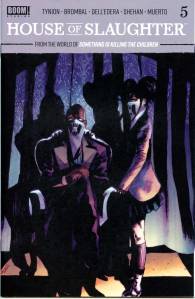
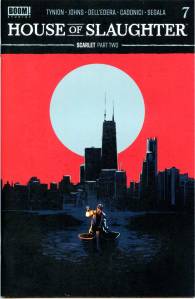
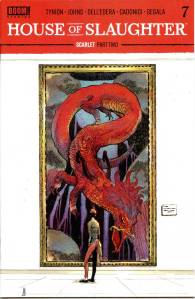
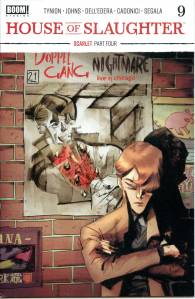
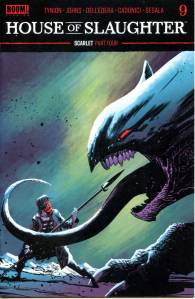
Discover the inner workings of the House of Slaughter in this new horror series exploring the secret history of the Order that forged Erica Slaughter into the monster hunter she is today. You know Aaron Slaughter as Erica’s handler and rival. But before he donned the black mask, Aaron was a teenager training within the House of Slaughter. Surviving within the school is tough enough, but it gets even more complicated when Aaron falls for a mysterious boy destined to be his competition.
DC 100 Page Super Spectacular (1971)
DC 100 Page Super Spectacular was published by DC Comics from 1971 through 1973, featuring only reprints initially and later including new stories. The “100 Page” count included both sides of the front and back covers as pages. Each numbered issue appearing under this title featured a wrap-around cover with all editorial content and no advertisements. Versions after late 1973 included advertisements.
Luke Cage, Hero for Hire (1970’s)
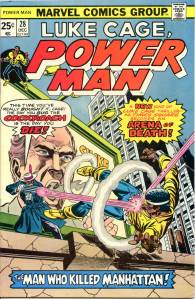
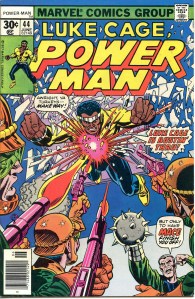
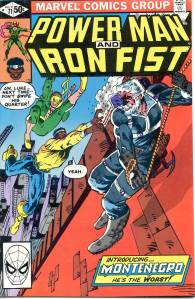
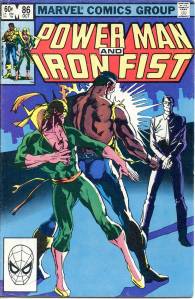
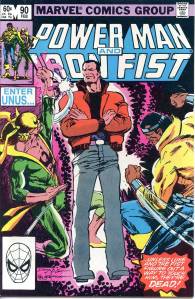
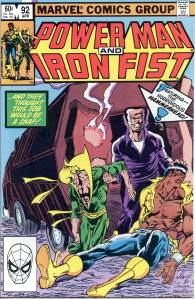
Luke Cage was created by Archie Goodwin and John Romita, Sr. shortly after Blaxploitation films emerged as a popular new genre. He debuted in his own series, Luke Cage, Hero for Hire, which was initially written by Goodwin and pencilled by George Tuska. Cage’s adventures were set in a grungier, more crime-dominated New York City than that inhabited by other Marvel superheroes of the time. The series was retitled Luke Cage, Power Man with issue #17.
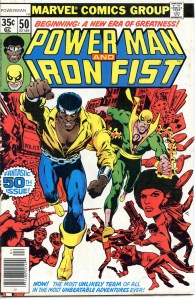
As the Blaxploitation genre’s popularity faded, Cage became unable to support his own series and was paired with another superhero whose popularity was based on a declining film genre, the martial arts hero Iron Fist, in an effort to save both characters from cancellation. Though the series title would remain Power Man in the indicia for a while longer, with issue #50 (April 1978) the cover title became Power Man and Iron Fist. It would remain thus until the series’s cancellation with issue #125 (September 1986). The series’s final writer, James Owsley, attempted to shed Cage’s Blaxploitation roots by giving him a larger vocabulary and reducing usage of his catchphrase, “Sweet Christmas!”.
Marvel Super-Heroes V1 (1967)
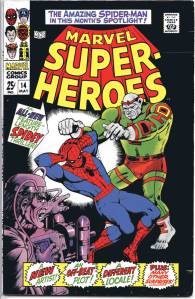
Fantasy Masterpieces, became Marvel Super-Heroes with issue #12 began showcasing a try-out feature as each issue’s lead. This encompassed solo stories of such supporting characters as Medusa of the Inhumans, as well as the debuts of Captain Marvel (#12), the Phantom Eagle (#16) and the Guardians of the Galaxy (#18). The Spider-Man story drawn by Ross Andru in issue #14 was originally planned as a fill-in issue of The Amazing Spider-Man but was used here when that title’s regular artist, John Romita Sr. recovered more quickly than anticipated from a wrist injury. Andru would become the regular artist on The Amazing Spider-Man several years later.
Nightwing V4 – Rebirth (2016)
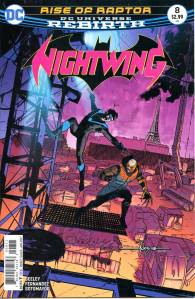
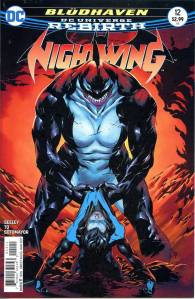
Following the erasure of the knowledge regarding his secret identity from most of the world in the final issue of Grayson, Dick went back to the Nightwing identity in the DC Rebirth era solo series, and the costume’s colors were changed back to the traditional black and blue. At the start of the series (rebirth) Nightwing is still a member of the Court of Owls (after Robin War) and he goes on missions around the world for the Court. They give him a partner named “Raptor” and like Nightwing he wears a costume, but he is much more violent than Dick and multiple times Dick has to try to stop him from killing. Throughout the story arc, Dick must work as an undercover agent but also has to keep his morals and not kill even if the Court tells him to.
Secret Wars (1984)
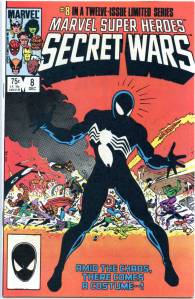
Marvel Super Heroes Secret Wars, commonly known as Secret Wars, is a twelve-issue comic book crossover limited series published from May 1984 to April 1985 by Marvel Comics. The series was written by Jim Shooter with art by Mike Zeck and Bob Layton. It was tied to the same-named toyline from Mattel.
In 2011, IGN listed Secret Wars as one of the best comic book events. Their writers found the action and goofiness of the story to be enjoyable. They also highlighted the impact it had on the Marvel Universe by introducing the symbiote and new characters. In 2011, Alex Zalben of MTV News ranked Secret Wars as the second biggest comic event ever; he praised its story and lasting effect.
The Brave and the Bold V1 (1970’s)
The title was the first to feature Neal Adams‘ version of Batman, generating fan interest that led to Adams’ style defining the modern Batman image to this day. In addition, Adams updated Green Arrow‘s visual appearance by designing a new costume for the character in issue #85 (Aug.–Sept 1969). The primary artist for the second half of the run was Jim Aparo, starting with #98 (October–November 1971). Haney frequently disregarded continuity by scripting stories which contradicted DC’s canon or by writing major heroes in an out-of-character fashion. Issue #100 (Feb.–March 1972) featured Batman and “4 Famous Co-Stars” (Green Lantern, Green Arrow, Black Canary, and Robin) in a story by Haney and Aparo. Issues #112 (April–May 1974) to #117 (Feb.–March 1975) of the series were in the 100 Page Super Spectacular format.