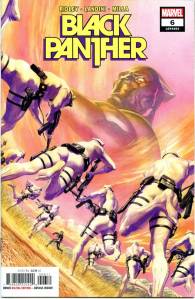
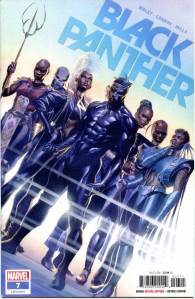
Fresh from returning from his travels in space, Black Panther receives an unexpected and urgent message from a Wakandan secret agent! Now T’Challa must race the clock not only to save his agent, but also to keep his true agenda under wraps. Because if the truth comes out, it could cost T’Challa everything…
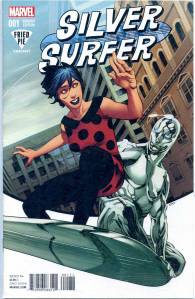
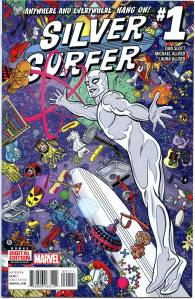
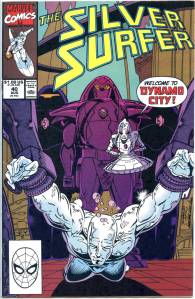
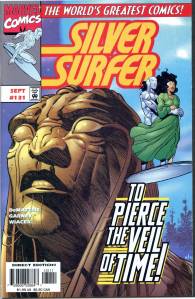
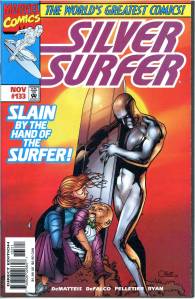
“Fantastic Planet”. The Surfer has taken Dawn Greenwood to the end of the universe, and now he’s going to show her the most fantastic planet of them all: Earth! It’s your homeworld like you’ve never seen it before: with monsters, magic and…a secret that will change everything!
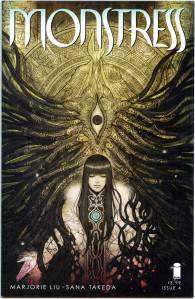
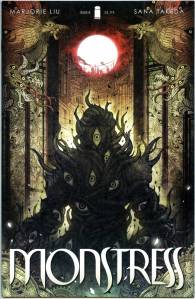
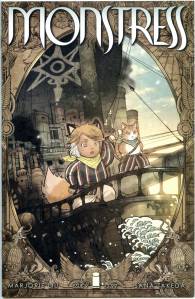
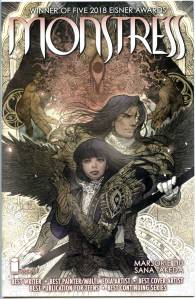
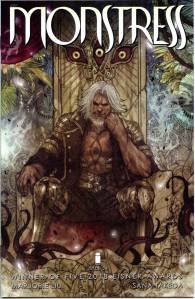
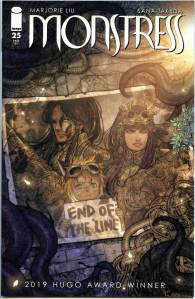
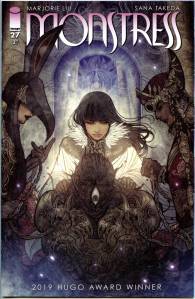
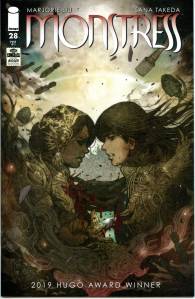
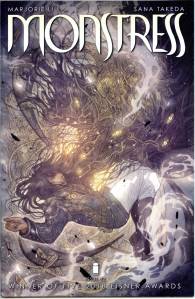
The series is set in a matriarchal “alternate Asia” riven by war between the Arcanics, magical creatures who sometimes can pass for human, and the Cumea, an order of sorceresses who consume Arcanics to fuel their power. The main character, Maika, is an Arcanic who is set on learning more about, and avenging, her dead mother. According to Liu, among the series’s themes are the inner strength required to withstand constant dehumanization, as well as the power of friendship among women.
The first, triple-sized issue of Monstress received critical praise. Writing for Kotaku, Evan Narcisse called it “a gorgeous comic book about racism, war and slavery”, noting the intricate detail of Takeda’s manga-inspired art. In the A.V. Club, Caitlin Rosberg described the leading characters, all women, as “deeply flawed and showing layers of nuanced characterization that you don’t often see in comic books”, and appreciated the series’s “sense of in-between-ness—(…) neither traditionally Western nor manga, paced like a novel but drawn like a comic”.
The title series began with Chuck Dixon’s one shot Black Canary/Oracle: Birds of Prey (cover date 1996 / published December 1995). Initially, the two heroines featured were Barbara Gordon (formerly “Batgirl“) and Dinah Lance (currently “Black Canary”). From the beginning, Canary was written as passionate and idealistic. In an interview with Comics Bulletin, Dixon described this choice as a fertile clash of values: “Dinah’s more idealistic approach is at the heart of this book.
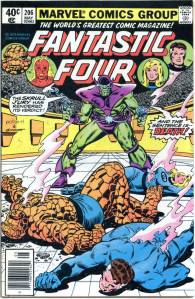
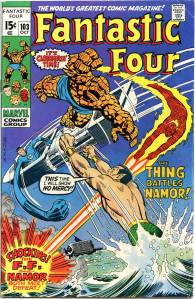
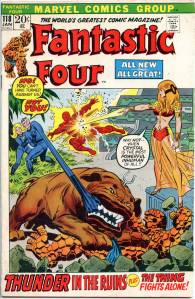
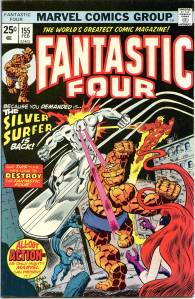
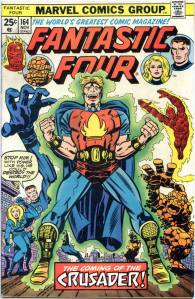
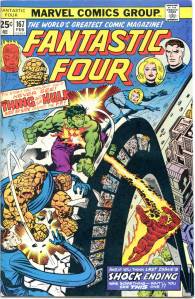
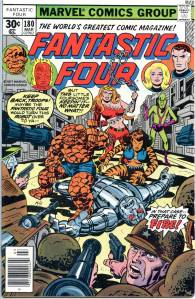
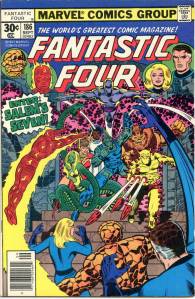
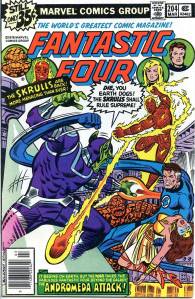
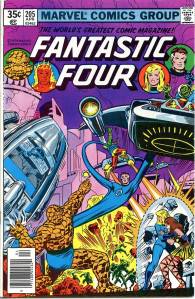
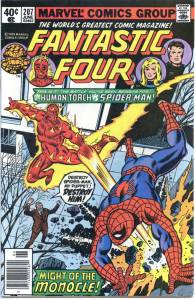
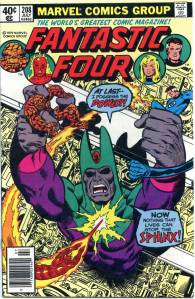
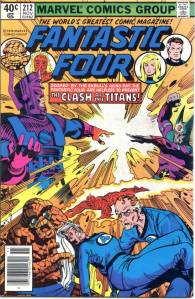
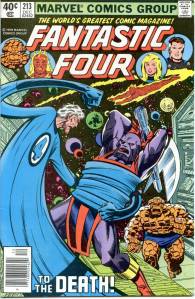
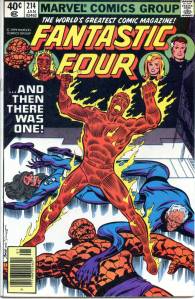
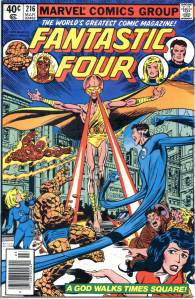
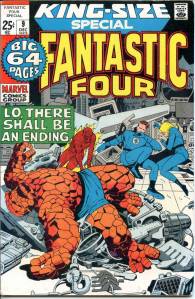
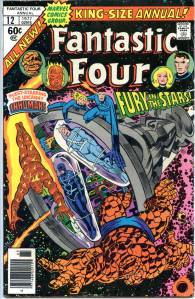
Stan Lee said he created a synopsis for the first Fantastic Four story that he gave to penciller Jack Kirby, who then drew the entire story. Kirby turned in his penciled art pages to Lee, who added dialogue and captions. This approach to creating comics, which became known as the “Marvel Method“, worked so well for Lee and Kirby that they used it from then on; the Marvel Method became standard for the company within a year.
Kirby recalled events somewhat differently. Challenged with Lee’s version of events in a 1990 interview, Kirby responded: “I would say that’s an outright lie”, although the interviewer, Gary Groth notes that this statement needs to be viewed with caution.Kirby claims he came up with the idea for the Fantastic Four in Marvel’s offices, and that Lee had merely added the dialogue after the story had been pencilled. Kirby has also sought to establish, more credibly and on numerous occasions, that the visual elements of the strip were his conceptions. He regularly pointed to a team he had created for rival publisher DC Comics in the 1950s, Challengers of the Unknown. “[I]f you notice the uniforms, they’re the same… I always give them a skintight uniform with a belt… the Challengers and the FF have a minimum of decoration. And of course, the Thing’s skin is a kind of decoration, breaking up the monotony of the blue uniform.” The characters wear no uniforms in the first two issues.
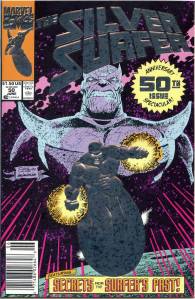
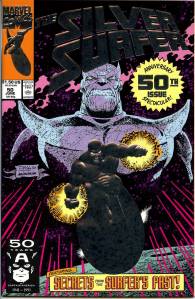
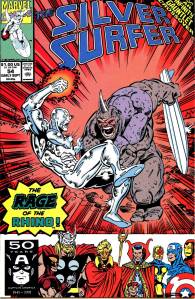
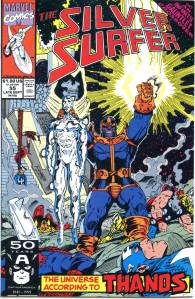
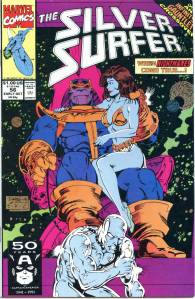
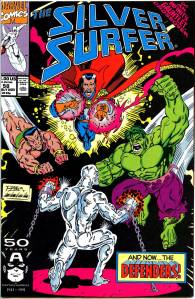
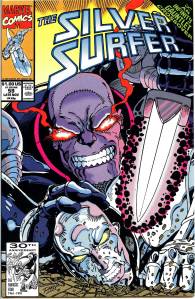
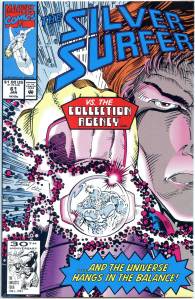
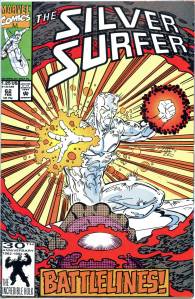
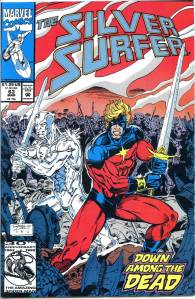
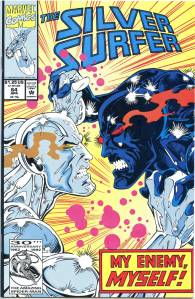
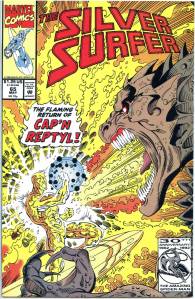
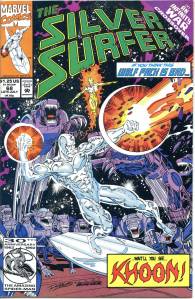
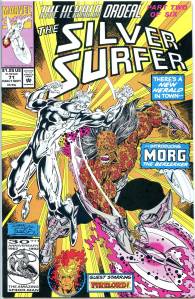
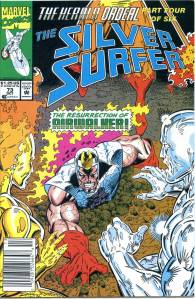
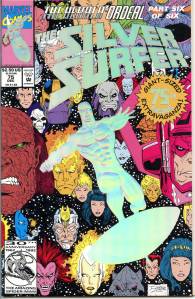
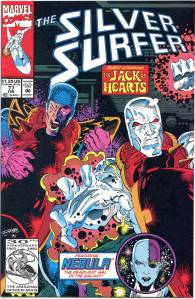
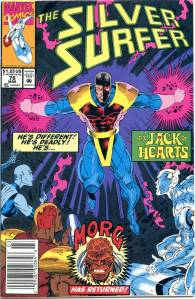
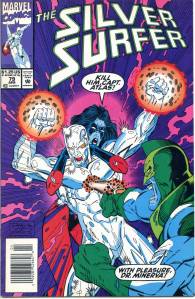
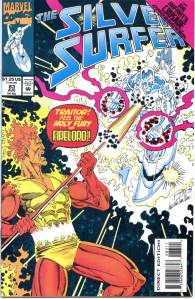
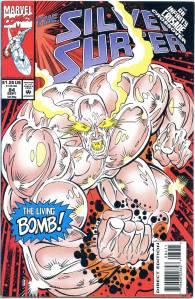
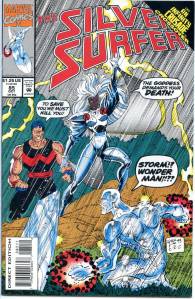
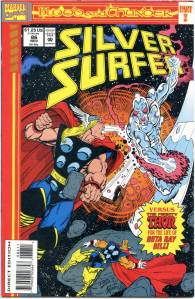
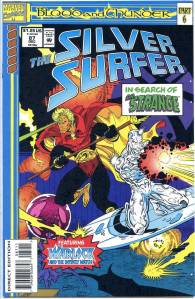
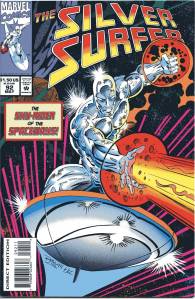
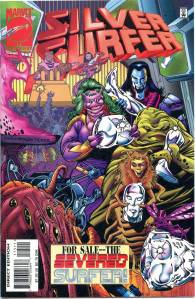
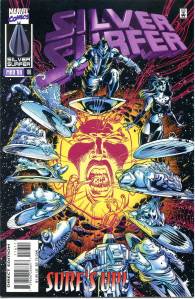
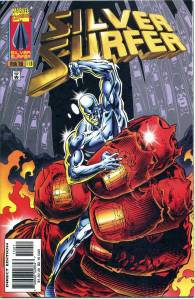
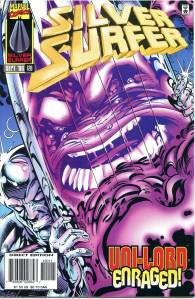
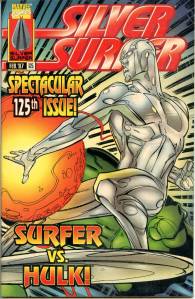
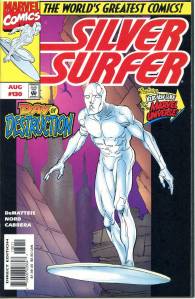
JIm Starlin took over as writer with issue #34 after several fill-in issues, and incorporated Thanos, Adam Warlock, and Drax the Destroyer into the series. Under Starlin and later Ron Marz, the series would receive acclaim and sales boost due to Silver Surfer’s involvement with Starlin’s Infinity Trilogy, with George Pérez and J. M. DeMatteis also having brief writing stints on the series as well. Additional artists included Tom Grindberg, Ron Garney, and Jon J. Muth, as well as periodic guest spots by John Buscema. The title experienced great initial success which allowed Marvel to push the character into other media, including a 1990 video game, 1992 trading card set, and 1998 animated series, as well as spinning off a variety of other comics series including Cosmic Powers, Cosmic Powers Unlimited, Captain Marvel vol. 2, and Star Masters. It ran 146 issues, through 1998.
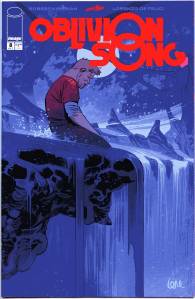
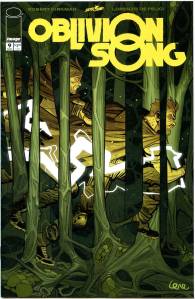
It is a supernaturalscience fiction story that chronicles Nathan Cole, a man who makes daily trips to try and rescue those still living in the apocalyptic hellscape of Oblivion, a part of Philadelphia lost a decade ago along with 300,000 of its citizens.
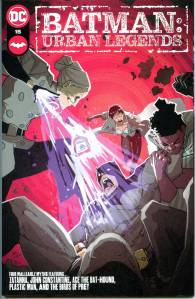
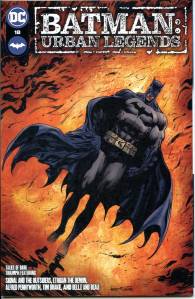
Batman: Urban Legends is an ongoing anthology series, published by DC Comics. It began publication in 2021. It features stories staring various allies of Batman either in multi-part or one offs.























































 EHT Comics