
Celebrates Disneyland’s Tenth Anniversary. 6 photo’s of Disneyland on the interior cover pages.
Author: EHT Comics
Shock SuspenStories (1952)
Shock SuspenStories was part of the EC Comics line in the early 1950s. The bi-monthly comic, published by Bill Gaines and edited by Al Feldstein, began with issue 1 in February/March 1952. Over a four-year span, it ran for 18 issues, ending with the December/January 1955 issue.
Front covers were by Feldstein, Wally Wood, Johnny Craig, George Evans and Jack Kamen. Kamen was the comic’s most prolific artist, usually doing the lead eight-page story in each issue. Other stories were illustrated by Craig, Evans, Wood, Graham Ingels, Jack Davis, Al Williamson, Joe Orlando, Reed Crandall, Bernard Krigstein and Frank Frazetta. Writing was handled by Gaines and Feldstein exclusively through the first 12 issues with the exception of a single story written by Craig. Over the last 6 issues other writers that contributed included Carl Wessler, Otto Binder, and Jack Oleck.
Issue 13 featured “Squeeze Play”, the only solo story Frank Frazetta drew for EC
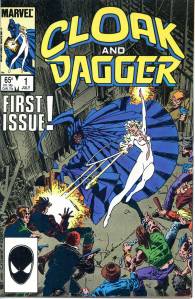
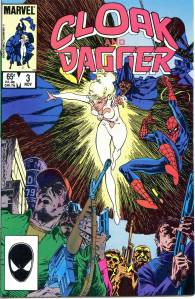
Cloak and Dagger V2 (1985)
Cloak and Dagger V2 debuted in October 1985. Written by creator Bill Mantlo, penciled by Rick Leonardi, and inked by Terry Austin. Costumed supervillains rarely appeared in the series, which focused on Cloak and Dagger’s quest to end the drug trade completely, and frequently explored the issue of vigilantism.


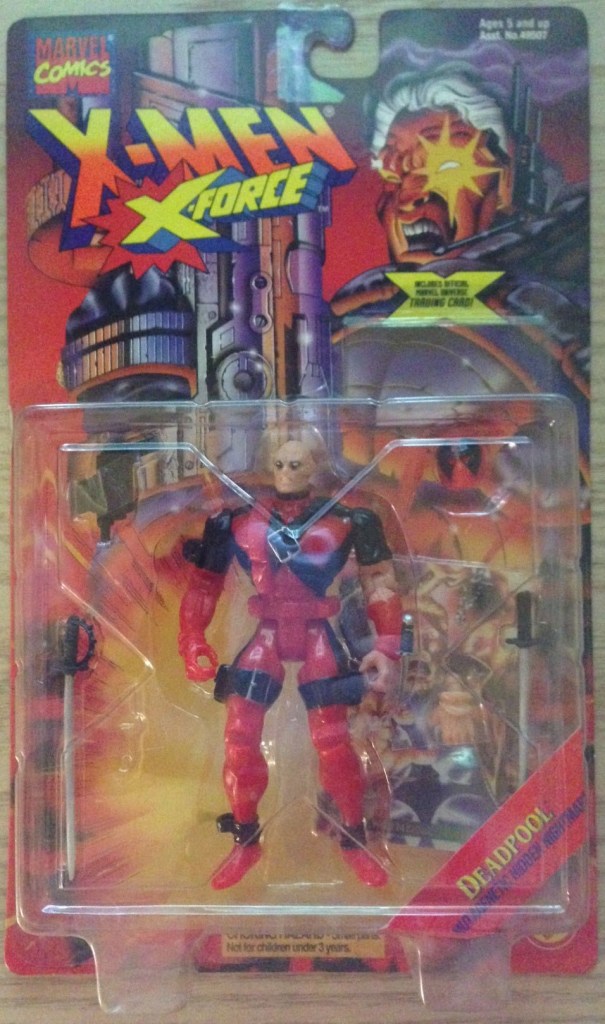
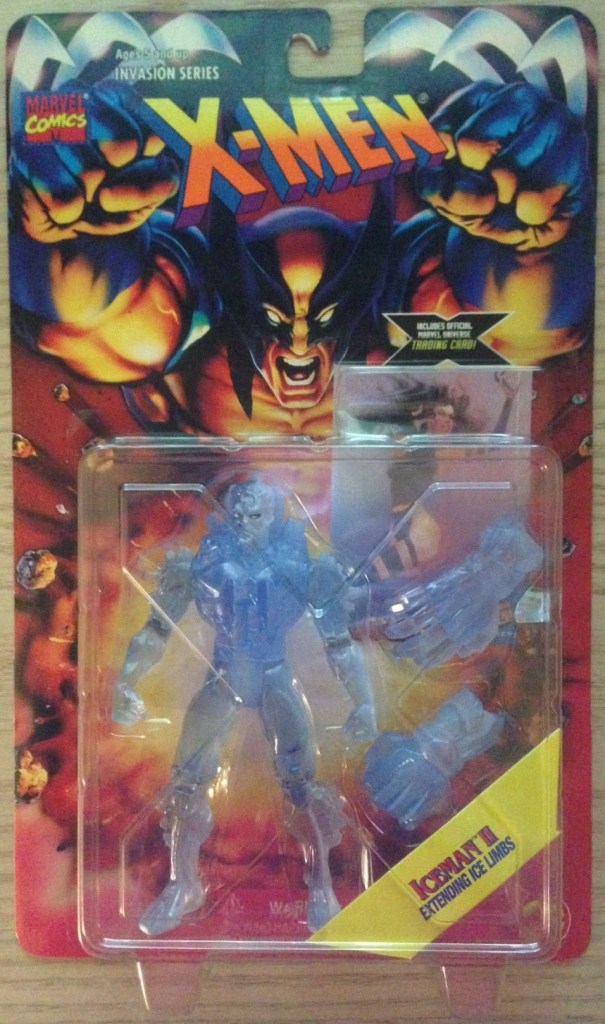
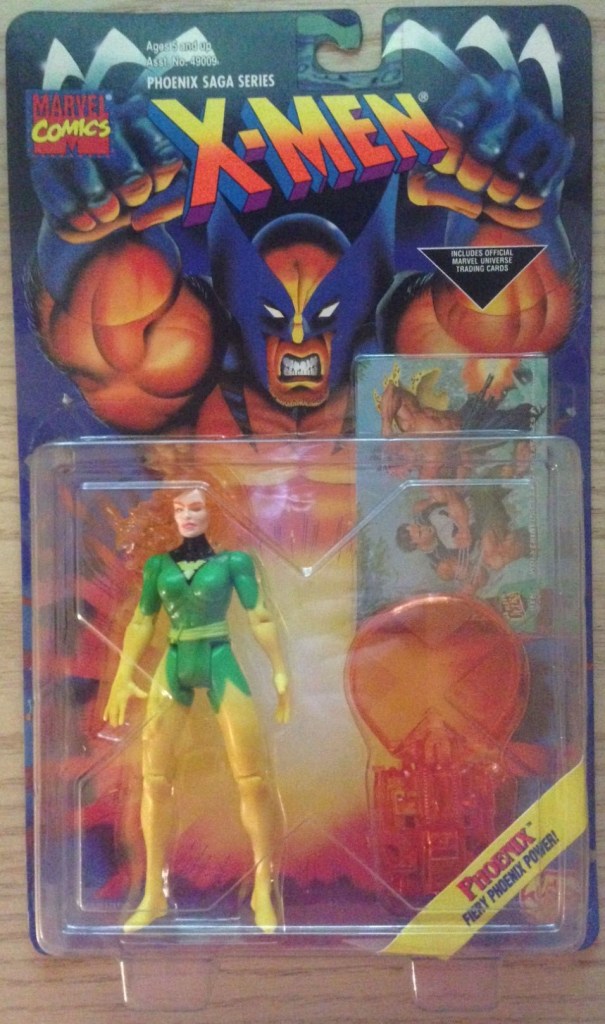
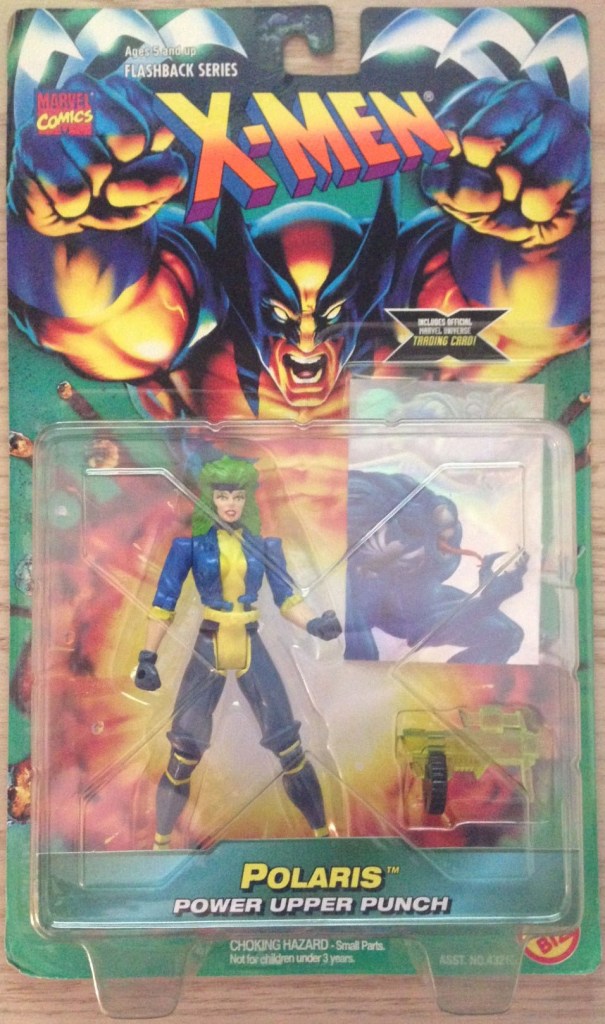
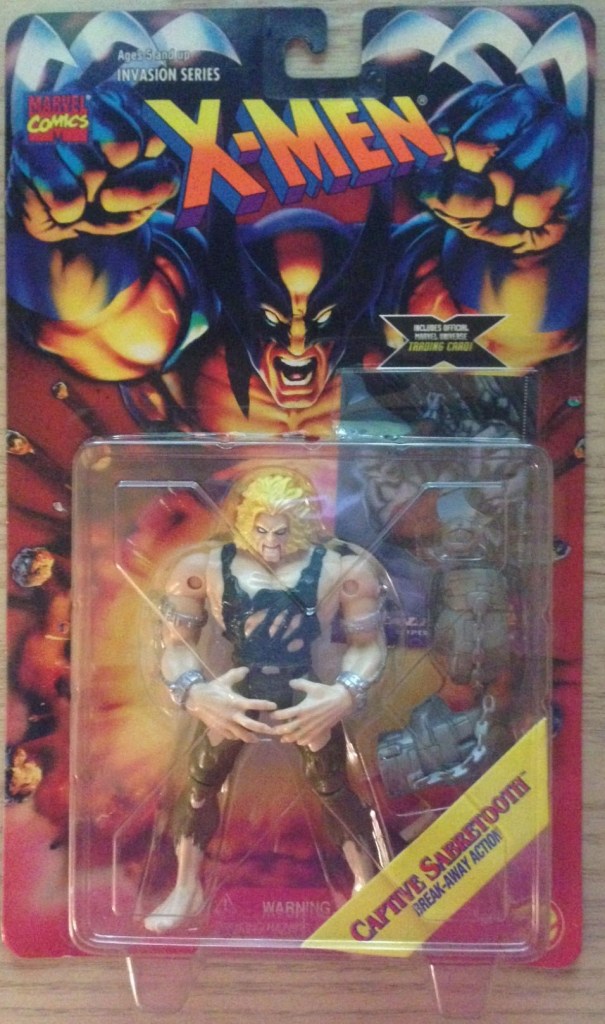
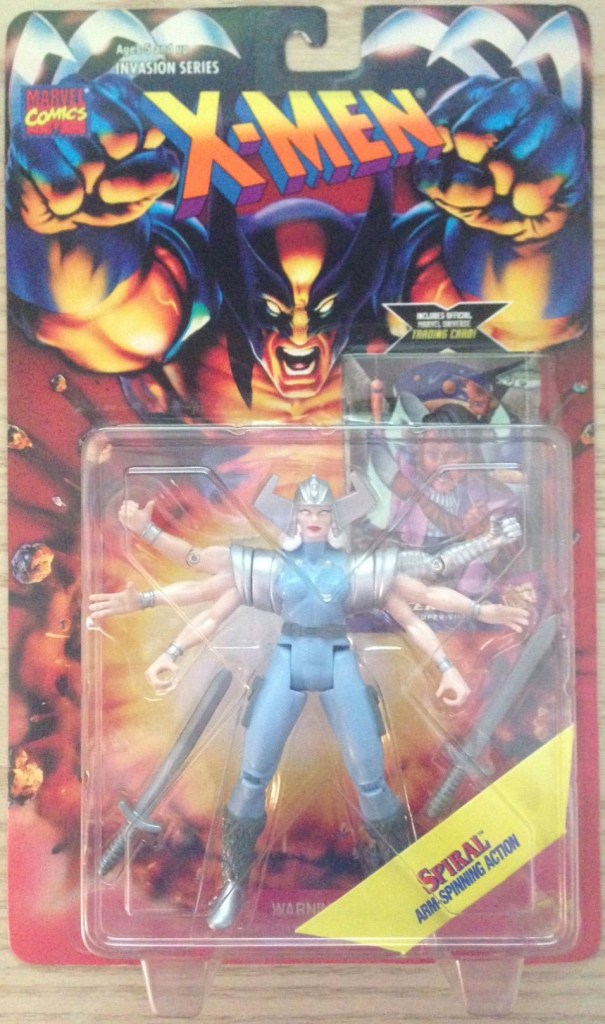
X-Men Figures – Toy Biz (1993)
Marvel Toys (formerly Toy Biz and Charan Toys) was a merged toy division of Marvel Entertainment. ToyBiz originated in Montreal, Quebec as Charan Industries’s American brand. Reincorporated in 1988, ToyBiz became an American firm. Toy Biz became a major producer of Marvel character toys and partially owned by Ronald O. Perelman‘s Marvel Entertainment Group in 1993. The toy division of Marvel was shut down during Marvel’s bankruptcy in 2008. The division was shut because Marvel Entertainment could not afford to have any in-house manufacturers any longer. Both Hasbro and Jakks Pacific purchased the trademarks to some of the characters and brands when the company folded.
Jumbo Comics (Golden Age)
Jumbo Comics was an adventure anthology comic book published by Fiction House from 1938–1953. Jumbo Comics was Fiction House’s first comics title; beforehand the publisher had specialized in pulp magazines. The lead feature for Jumbo Comics‘ entire run was Sheena, Queen of the Jungle.
Notable creators who worked on Jumbo Comics included Jack Kirby (working under a variety of pseudonyms), Bob Kane, Matt Baker, Mort Meskin, Lou Fine, Bob Powell, Mort Leav, Art Saaf, Dick Briefer, Lily Renée, and Ruth Roche. Jerry Iger was Jumbo Comics‘ art director for its entire run.
Origin (2001)
Origin (alternatively known as Wolverine: Origin or Origin: The True Story of Wolverine) is a six-issue comic book limited series published by Marvel Comics from November 2001 to March 2002, written by Bill Jemas, Joe Quesada and Paul Jenkins, and illustrated by Andy Kubert (pencils) and Richard Isanove (color).
Origin tells the story of the superhero Wolverine, best known as a member of the X-Men. Since the character first appeared in the early 1970s his history had often been shrouded in mystery, with bits of information revealed piecemeal over time (notably in Weapon X), but this series was the first to reveal Wolverine’s early days and his original background. In their introductions, some of those who worked on the series express their reluctance to reveal the actual origins of one of the comic world’s most popular and mysterious characters. Even Wolverine himself has few recollections of where he came from and this was an essential part of his appeal.
Star Wars – Power of the Force (1995)
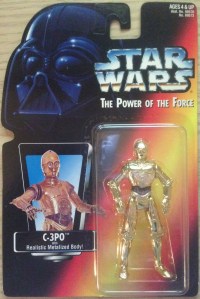
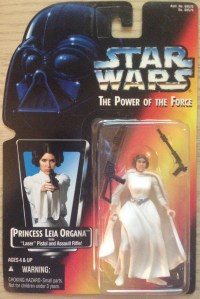
Star Wars: The Power of the Force (1995), also known as Power of the Force 2, was Hasbro/Kenner’s first Star Wars action figure collection since Kenner’s “Vintage” line ended a decade earlier in 1985. It was released from 1995 to 2000. The initial line was characterized by a muscular look typical of boys’ toy lines of the time. This bulked-up aesthetic was toned down as the line continued and was phased out by1998 in favor of a more movie-accurate look.
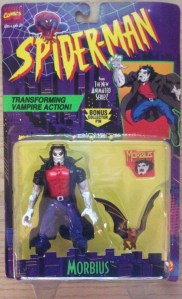
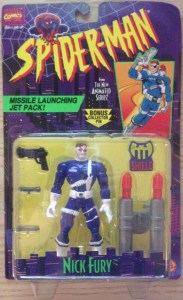
Toy Biz – Spider-Man (1995)
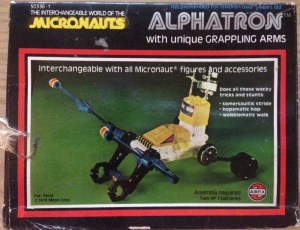
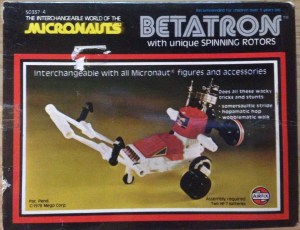
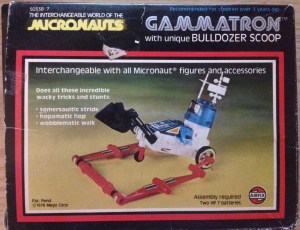
Micronauts – Series 3 (1978)
Before Transformers, there were “Micronauts”. Micronaut figures were marketed as actually being 3.75″ cyborg beings, hailing from the fictional planet “Micro Earth,” and disguising themselves as toys.
Micronauts toys were known for their high number of articulation points (averaging 30) relative to other toys of similar size. The toys included vehicles and robots, and all of the Micronauts toys used interchangeable 5-mm connectors and ports that could be transferred from one toy to another.
With only the highly-accessorized Galactic Defender in the 10cm category, Series 3 focused heavily on Robots, particularly the “Trons,” and the new Micropolis line of interchangeable habitats, based on a gray four pin flex connector.
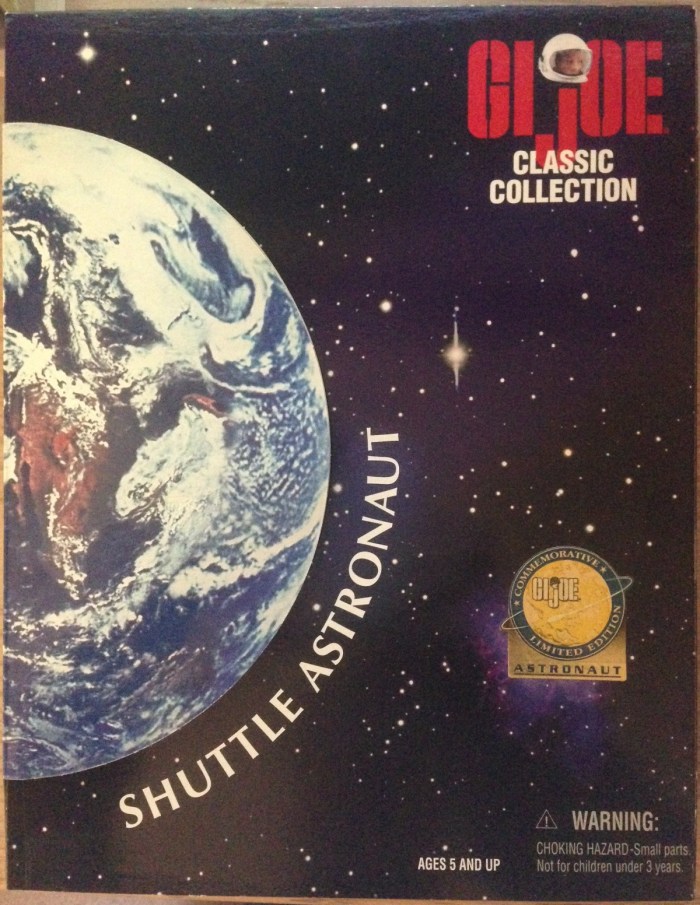
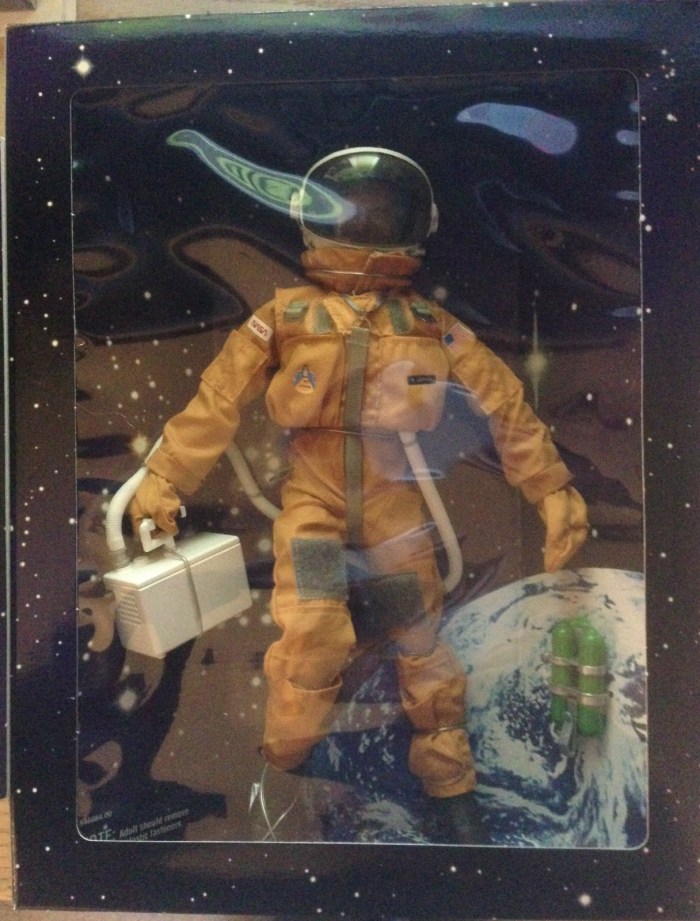
GI Joe Classic Collection – Shuttle Astronaut – NIB
 EHT Comics