The underlying difference between this title and the other Spider-Man titles was that Marvel Knights Spider-Man was done with a more mature slant (in style if not content), thus the “Marvel Knights” prefix.
Intended to replace the canceled Spider-Man’s Tangled Web series, Marvel Knights Spider-Man was originally supposed to be written by Kevin Smith, but due to scheduling problems he was replaced by Mark Millar. When Millar completed his year-long story arc, he was followed by writer Reginald Hudlin.
With the consolidation of the Marvel Knights line, Marvel Knights Spider-Man was renamed The Sensational Spider-Man as of issue 23. At this time, Roberto Aguirre-Sacasa took over writing duties on the book.
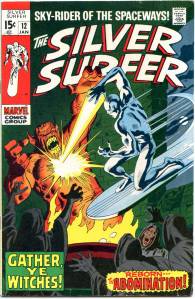
The Silver Surfer debuted as an unplanned addition to Fantastic Four#48 (March 1966). The comic’s writer-editor, Stan Lee, and its penciller and co-plotter, Jack Kirby, had by the mid-1960s developed a collaborative technique known as the “Marvel Method“: the two would discuss story ideas, Kirby would work from a brief synopsis to draw the individual scenes and plot details, and Lee would finally add the dialog and captions. When Kirby turned in his pencil art for the story, he included a new character he and Lee had not discussed. As Lee recalled in 1995, “There, in the middle of the story we had so carefully worked out, was a nut on some sort of flying surfboard”. He later expanded on this, recalling, “I thought, ‘Jack, this time you’ve gone too far'”. Kirby explained that the story’s agreed-upon antagonist, a god-like cosmic predator of planets named Galactus, should have some sort of herald, and that he created the surfboard “because I’m tired of drawing spaceships!” Taken by the noble features of the new character, who turned on his master to help defend Earth, Lee overcame his initial skepticism and began adding characterization. The Silver Surfer soon became a key part of the unfolding story.
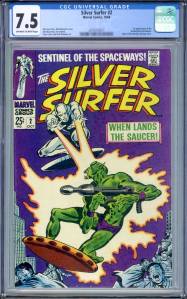
Silver Surfer #2 CGC 7.5 Off-White to White Pages $169
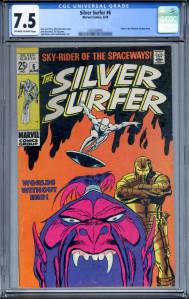
Silver Surfer #6 CGC 7.5 Off White to White Pages $129
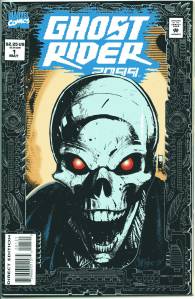
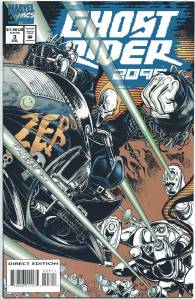
The series is set in the year 2099, in a dystopian possible future of the Marvel Universe, and features Kenshiro “Zero” Cochrane, a hacker who was killed but resurrected as the Ghost Rider — his mind controlling a powerful and well-armed robot. As with most of the Marvel 2099 titles, the protagonist was a futuristic version of a commercially successful Marvel Universe character. The series was heavily influenced by cyberpunk science fiction.
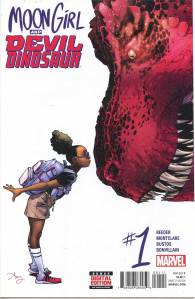
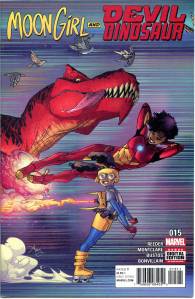
The character was created by Amy Reeder, Brandon Montclare and Natacha Bustos and first appeared in Moon Girl and Devil Dinosaur #1 (January 2016).
The genesis of the character came from Mark Paniccia and Emily Shaw who were a fans of the character Devil Dinosaur and had hired Montclare and Reeder to pen the basis for a new series that involved the character ending up in modern day. They came up with the idea of Devil Dinosaur interacting with a girl and fell in love with the idea of working with a hero who wasn’t a “regular cape-and-tights superhero”.
They also viewed the series as a direct sequel to the Moon-Boy and Devil Dinosaur series from Jack Kirby hence the first villains that Moon Girl and Devil Dinosaur face are the Killer-Folk.
Artist Natacha Bustos found the character a relief from the norm of other typical superheroes. She was primarily inspired by the clear diversity that Moon Girl and Devil Dinosaur promoted, further comparing the character Lunella to herself. She compared her story to a “Ghibli one” due to the immense relationship between the title characters.
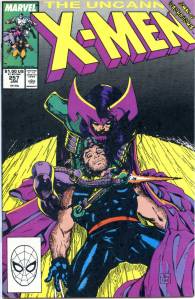
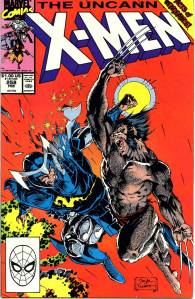
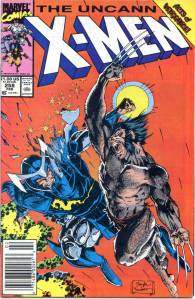
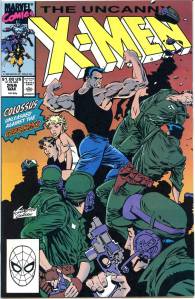
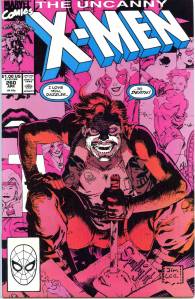
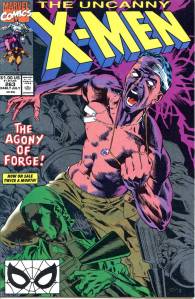
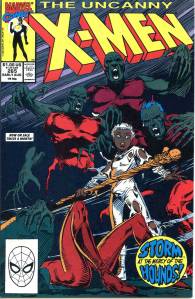
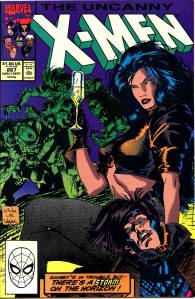
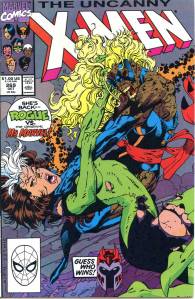
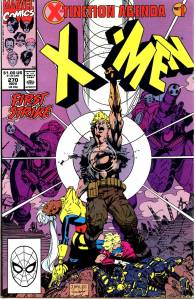
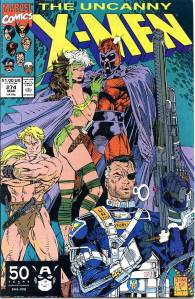
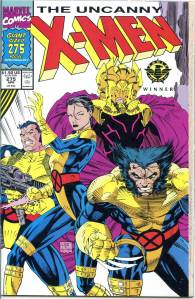
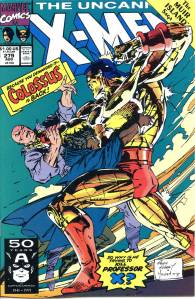
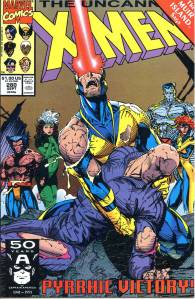
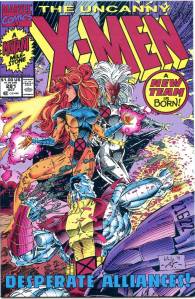
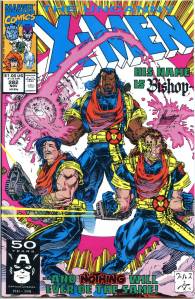
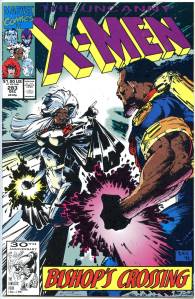
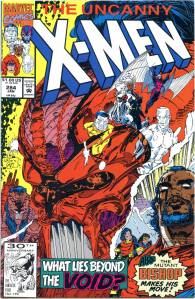
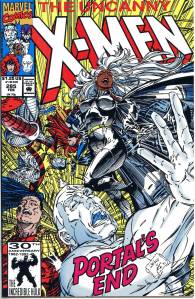
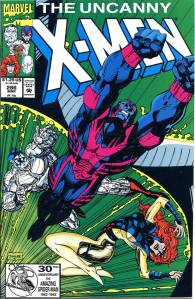
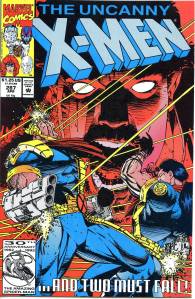
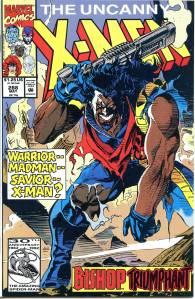
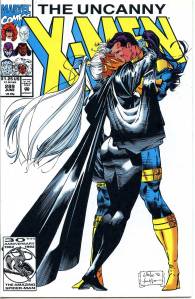
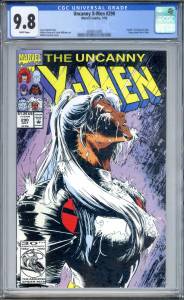
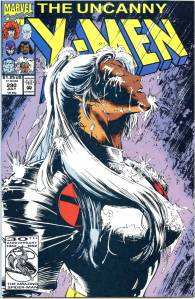
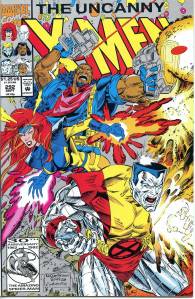
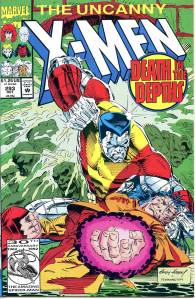
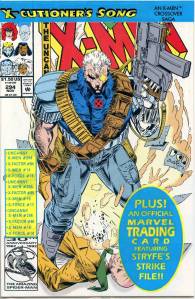
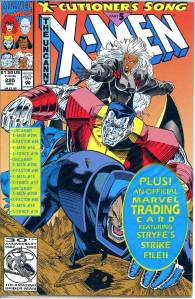
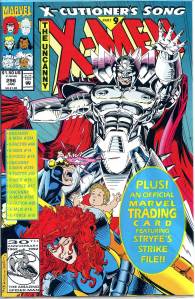
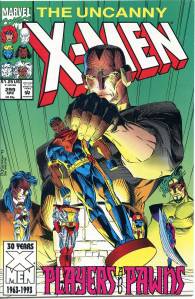
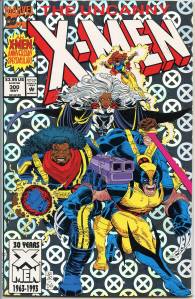
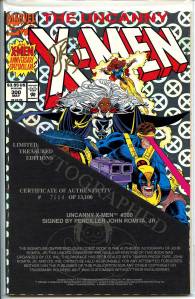
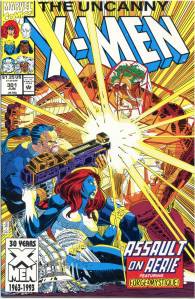
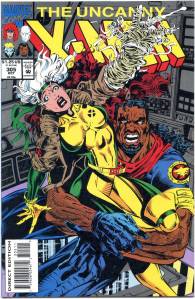
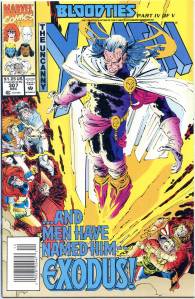
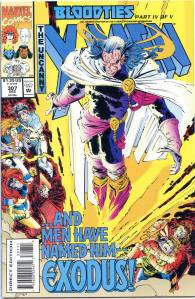
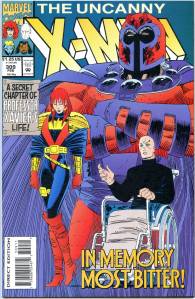
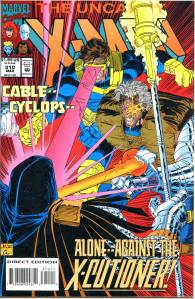
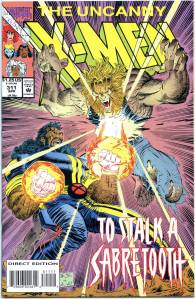
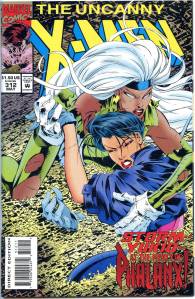
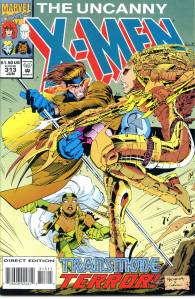
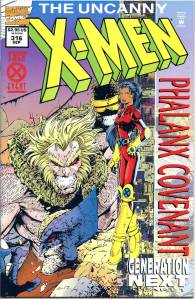
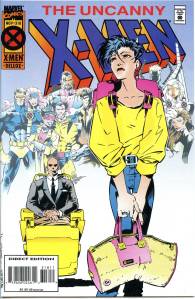
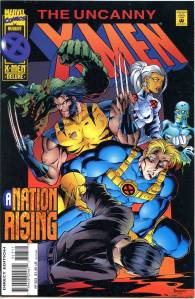
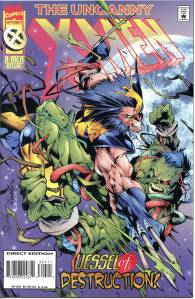
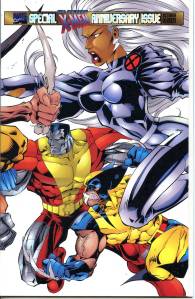
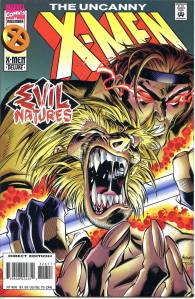
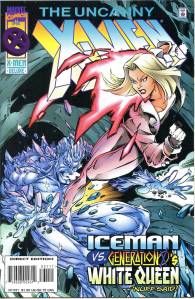
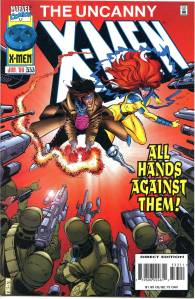
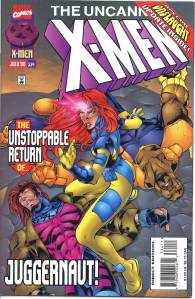
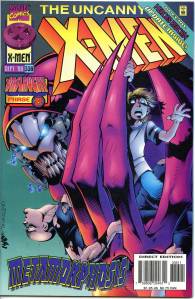
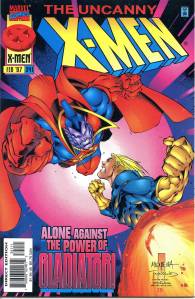
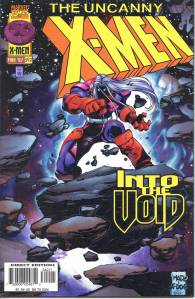
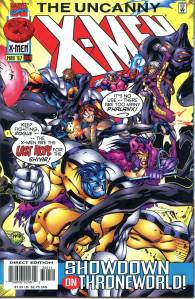
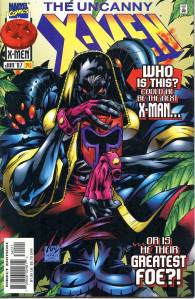
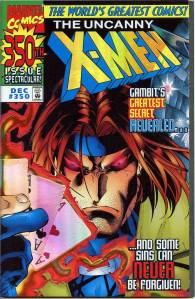
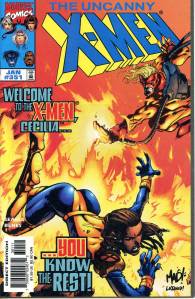
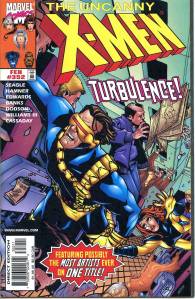
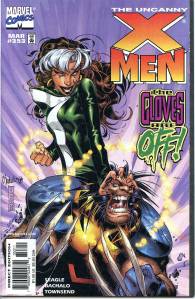
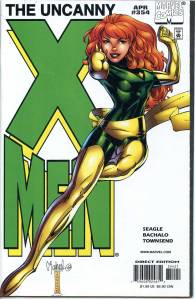
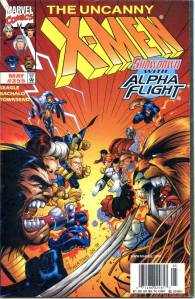
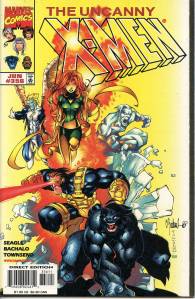
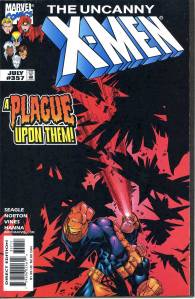
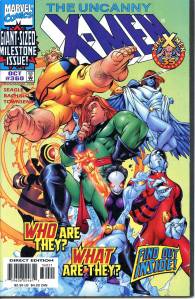
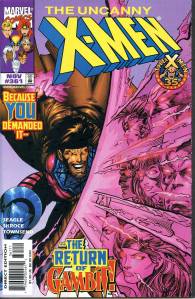
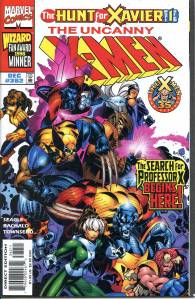
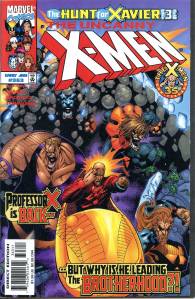
After Claremont’s run, the X-Men were divided into two color-coded squads, with a Blue team headlining the adjectiveless X-Men title, while the Gold team, consisting of Archangel, Colossus, Jean Grey, Iceman and Storm, appeared in Uncanny. This roster was later joined by Bishop, another refugee from the future.After Claremont’s departure, Jim Lee continued as plotter, while John Byrne scripted from #281 to #286. Byrne was replaced as scripter from #286 by Scott Lobdell, who was fully credited as writer from #289. The “X-Cutioner’s Song” crossover was released in the fall of 1992 and resulted in the outbreak of the Legacy virus, a mutant-specific plague which continued as a story element in X-Men comics until 2001.
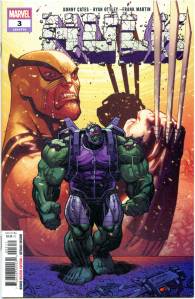
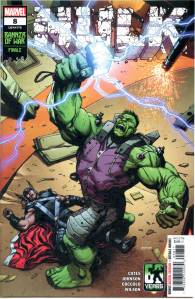
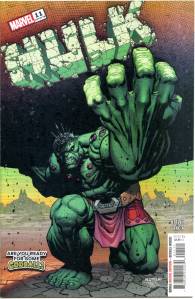
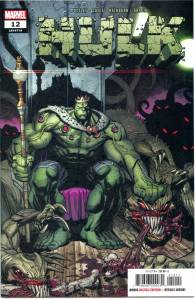
The uncontrollable rage of the Hulk has reached an all-new level, and nobody – including the Avengers – is prepared to handle it. But is it really the Hulk that people should be afraid of, or is there something missing to this puzzle? Join the creative team of Donny Cates and Ryan Ottley as they look to the stars for the next era of HULK!
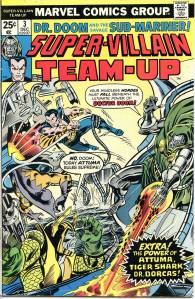
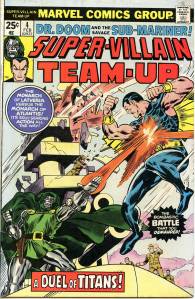
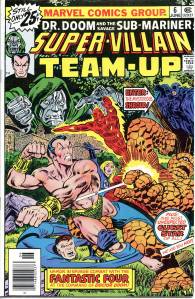
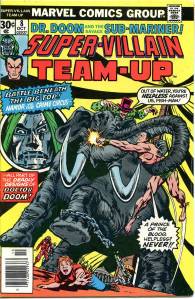
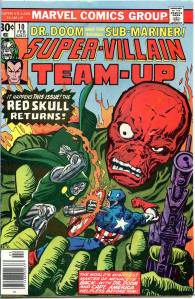
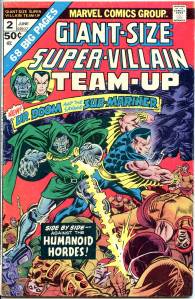
The first series started in 1975 with two giant-size issues before starting as a regular series, and was mostly bi-monthly during its existence. It initially teamed up Doctor Doom and the Sub-Mariner, who had lost his own series, from which it picked up the unresolved plots, especially that of the comatose Atlanteans. After a succession of writers and artists and a crossover with The Avengers, the plot gets resolved in issue #13 when Dr. Doom revives the Atlanteans, thus dissolving his alliance with the Sub-Mariner.
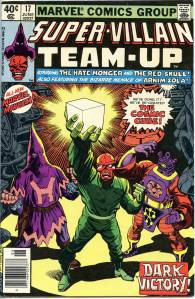
Issue #14 (Oct. 1977), which featured Magneto and Dr. Doom, was billed as the final issue of the series, and its plotline was resolved in The Champions #16. The following year, SVTU continued with issue #15 (Nov. 1978), a reprint of Astonishing Tales #4-5. Issues #16 (May 1979) and #17 (June 1980) featured the Red Skull and the Hate-Monger. The irregular publishing frequency of the final three issues was due to a legal maneuver to prevent DC Comics from trademarking the term “super-villain”.
The series saw the death of the Sub-Mariner’s 1940s sweetheart Betty Dean and the death of her murderer, Dr. Dorcas. Steve Englehart created The Shroud, a character partly inspired by Batman, shortly before he started to work for DC Comics on Detective Comics.
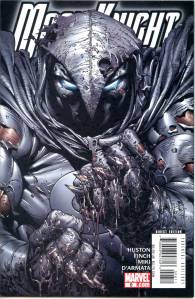
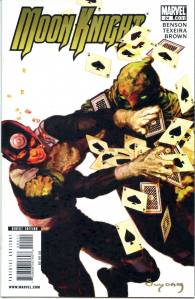
Moon Knight vol. 5, was launched in April 2006, written by Charlie Huston with art by David Finch. The series revises Marc Spector’s history by saying he fought in the Gulf War. Starting with issue #14 of this series,Mike Benson took over writing duties while Huston acted as a story/plot adviser according to Benson. The 2006 series ended with #30 (July 2009), and only one Annual issue for the series was printed in 2008. Peter Milligan wrote a 2008 seasonal one-shot titled Moon Knight: Silent Knight with artist Laurence Campbell.
Due to strong sales on the character’s first appearance in Amazing Fantasy #15, Spider-Man was given his own ongoing series in March 1963. The initial years of the series, under Lee and Ditko, chronicled Spider-Man’s nascent career with his civilian life as hard-luck yet perpetually good-humored teenager Peter Parker. Peter balanced his career as Spider-Man with his job as a freelance photographer for The Daily Bugle under the bombastic editor-publisher J. Jonah Jameson to support himself and his frail Aunt May. At the same time, Peter dealt with public hostility towards Spider-Man and the antagonism of his classmates Flash Thompson and Liz Allan at Midtown High School, while embarking on a tentative, ill-fated romance with Jameson’s secretary, Betty Brant.
By focusing on Parker’s everyday problems, Lee and Ditko created a groundbreakingly flawed, self-doubting superhero, and the first major teenaged superhero to be a protagonist and not a sidekick. Ditko’s quirky art provided a stark contrast to the more cleanly dynamic stylings of Marvel’s most prominent artist, Jack Kirby, and combined with the humor and pathos of Lee’s writing to lay the foundation for what became an enduring mythos.
Amazing Spider-Man #17 FN+ $525
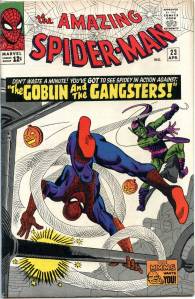
Amazing Spider-Man #23 VF- $379
Amazing Spider-Man 30 CGC 7.5 Off-White to White Pages $295



















 EHT Comics