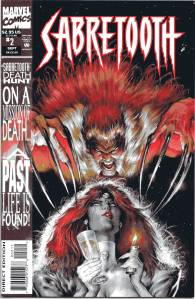
Home is the Hunter, script by Larry Hama, art by Mark Texeira; The Hand wants Sabretooth’s head! With no back-up to speak of, Sabretooth must face an excruciating fight, both physically and mentally. Sabretooth is tied down to an operating table with a bomb placed inside his chest; Tribune wants him to kill Mystique. The story takes place after the events in Wolverine #64.Wolverine appearance.
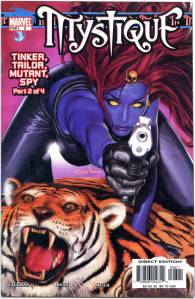
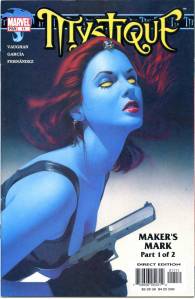
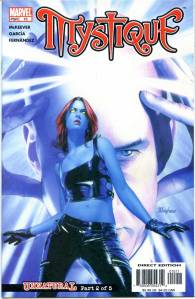
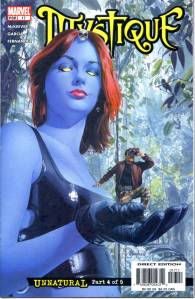
Published 2003 – 2005. Mystique the sultry mutant shapeshifter, who has stood against the X-Men in battle after battle, is offered the chance at a new life when Professor X recruits her to complete a dangerous mission in Cuba. Can this former mutant-rights terrorist who can disguise herself as anyone on the planet be trusted? Don’t let the pinup-worthy cover fool you: Mystique is a smart, engaging piece of espionage fiction that shows that the superhero story isn’t dead yet.
“Secret Empire” is a 2017 Marvel Comics storyline. This limited series event addresses the aftermath of the crossover event Avengers: Standoff! and the ongoing series Captain America: Steve Rogers, in which Captain America has been replaced by an evil version of himself loyal to Hydra, who has been acting as a sleeper agent and covertly setting the stage to establish Hydra as the main world power.
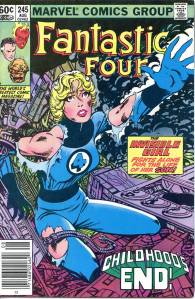
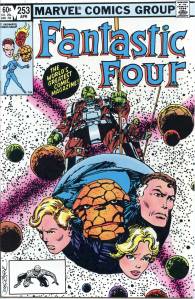
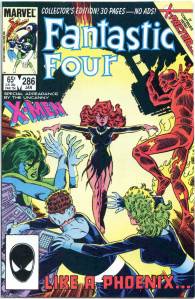
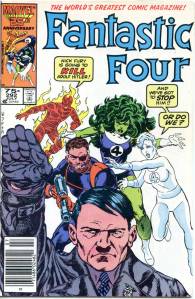
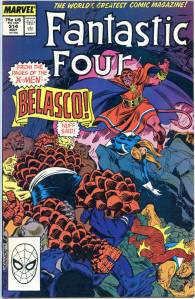
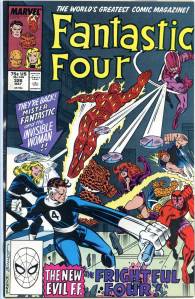
John Byrne revitalized the slumping title with his run. Originally, Byrne was slated to write with Sienkiewicz providing the art. Sienkiewicz left to do Moon Knight, and Byrne subsequently became writer, artist, and inker. Various editors were assigned to the comic; eventually Bob Budiansky became the regular editor. Byrne told Jim Shooter that he could not work with Budiansky, although they ultimately continued to work together. In 2006, Byrne said “that’s my paranoia. I look back and I think that was Shooter trying to force me off the book”. Byrne left following issue #293 (Aug. 1986) in the middle of a story arc, explaining he could not recapture the fun he had previously had on the series. One of Byrne’s changes was making the Invisible Girl into the Invisible Woman: assertive and confident. During this period, fans came to recognize that she was quite powerful, whereas previously, she had been primarily seen as a superpowered mother and wife in the tradition of television moms like those played by Donna Reed and Florence Henderson.
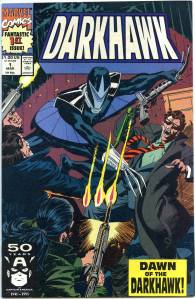
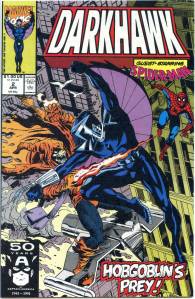
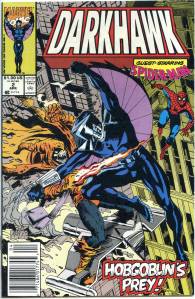
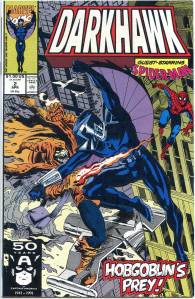
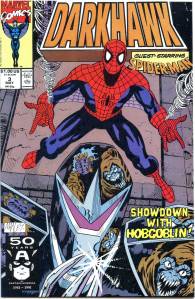
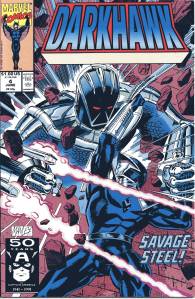
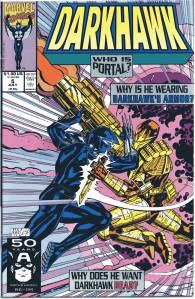
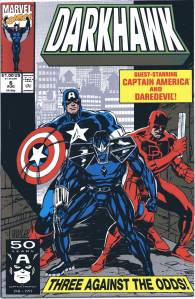
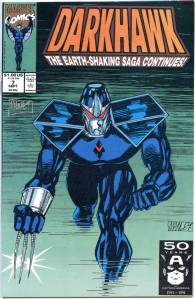
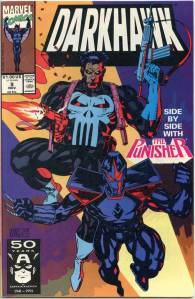
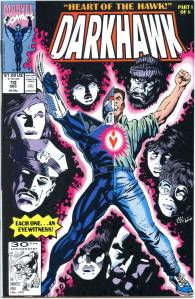
Darkhawk appeared in a self-titled monthly series for 50 issues that was published by Marvel Comics from March 1991 to March 1995, and included three standalone annuals. Although created by DeFalco and Manley, DeFalco was never credited as a writer of the series. The original writer was Danny Fingeroth.
After his own series ended, Darkhawk co-starred or cameoed in other titles over the following years, such as New Warriors, Avengers/JLA, and Iron Man, eventually resurfacing in Runaways Vol.2 #1-6, followed by Marvel Team Up Vol.3 #15 and the short-lived Loners series. New Warriors writer Fabian Nicieza said in 1992 that “People keep coming up to me and asking, ‘Is Darkhawk a member of the New Warriors or not?’ Well, yes and no. The New Warriors isn’t an official group with a rule book and charter and the like. They’re more of a club for super-powered teens. So if Darkhawk wants to hang out on a Friday evening and talk about his powers, then he’ll stop by the New Warriors’ crash pad.”
Cletus Kasady has renewed his killing spree, and the FBI is following the trail of bodies. They think they’re ready: They have the latest sonic tech, and a specialist team including military hero/astronaut John Jameson and a reformed Eddie Brock! And when they pursue Carnage into an abandoned coal mine, the trap is set — but is it for him, or for them?
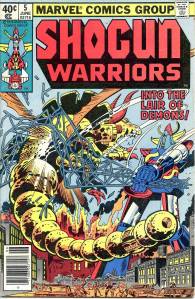
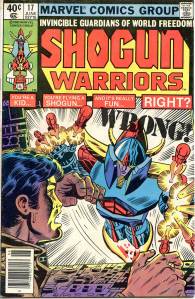
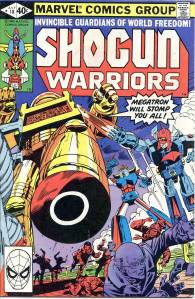
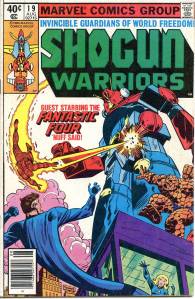
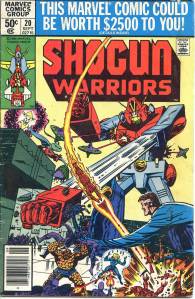
The Shogun Warriors characters were licensed by Marvel Comics to create a comic book series written by Doug Moench and drawn by Herb Trimpe. The series was composed of 20 issues that were published from February 1979 to September 1980. In the comic book series, the Shogun Warriors were created by a mysterious group called the Followers of the Light, and human operators were chosen from all around the world to operate the massive robots in order to battle evil.
Moonshadow was originally a twelve-issue maxi-series by Marvel Comics under the Epic imprint. It was the first American comic book whose art was done entirely by painting. The series was subsequently reprinted as a single volume in 1989. Also in 1989, a limited edition hardcover was also released by Graphitti Designs. Only 1200 copies of this edition were published, each individually numbered and signed by DeMatteis and Muth.
The story takes the form of an eclectic and quirky fairy tale with satirical elements and dealing with philosophical concerns. It is told via the framing device of Moonshadow, now 120, looking back on his earlier life. The action concerns the events leading up to the “awakening” of Moonshadow, the child of a hippy mother and an enigmatic alien father. The alien, who resembles a glowing orb of light bearing a stylized human face, abducted Moonshadow’s mother from Earth in 1968 along with her black pet cat, Frodo. When the idealistic and naive Moonshadow is orphaned at approximately age 15, he becomes friends with a venal and opportunistic furry humanoid named Ira. Moonshadow and Ira and Frodo the cat set out to find a life for themselves in the stars.
In 1994, DC Comics, under their Vertigo imprint, republished the individual issues as a limited series. The Compleat Moonshadow followed in 1998. This edition also included Farewell, Moonshadow, a one-issue sequel, also published by Vertigo, which, set long after the action of the first miniseries, acts as a coda to the series. The Compleat Moonshadow included textual revisions to the original series.
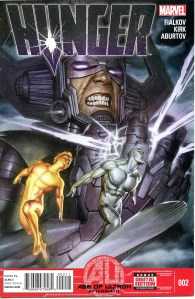
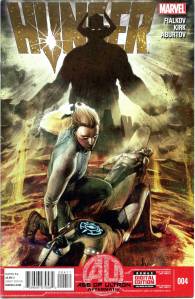
The Hunger rounds out the Age of Ultron event, dealing with the implications of the changes in the Marvel Universe status quo. For example, The Hunger serves as a catalyst for the Cataclysm event in the MarvelUltimate Comics universe, which involves that Universe’s war against Galactus.




























 EHT Comics