The initial Justice League lineup included seven of DC Comics’ superheroes who were regularly published at that time: Superman, Batman, Aquaman, Flash, Green Lantern, Martian Manhunter, and Wonder Woman. Rarely featured in most of the stories, Superman and Batman did not even appear on the cover most of the time. Three of DC’s other surviving or revived characters, Green Arrow,the Atom, and Hawkman were added to the roster over the next four years.
The title’s early success was indirectly responsible for the creation of the Fantastic Four. In his autobiography Stan Lee relates how in 1961, during a round of golf, DC publisher Jack Liebowitz mentioned to Marvel-Timely owner Martin Goodman how well DC’s new book (Justice League) was selling. Later that day Goodman, a publishing trend-follower aware of the JLA’s strong sales, told Lee, his comics editor, to come up with a team of superheroes for Marvel.
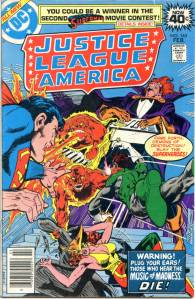
Justice League of America #45 VG $10Justice League of America #50 FN+ $18Justice League of America #52 FN $12Justice League of America #69 VG- $8
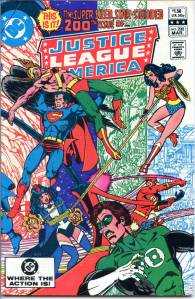
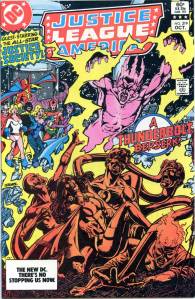
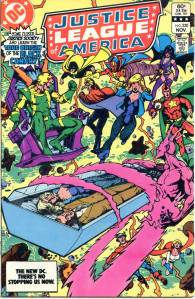
In the early 80’s, George Pérez, Don Heck, and Rich Buckler would rotate as artist on the title. The double-sized anniversary issue #200 (March 1982) was a “jam” featuring a story written by Conway, a framing sequence drawn by Pérez, and chapters drawn by Pat Broderick, Jim Aparo, Dick Giordano, Gil Kane, Carmine Infantino, Brian Bolland, and Joe Kubert. Bolland’s chapter gave the artist his “first stab at drawing Batman.” Pérez would leave the title with issue #200 to concentrate on The New Teen Titans although he would contribute covers to the JLAthrough issue #220 (November 1983). The 1982 team-up with the Justice Society in issues #207–209 crossed over with All-Star Squadron #14–15. A Justice League story by Gerry Conway and Rich Buckler originally intended for publication as an issue of All-New Collectors’ Edition saw print in Justice League of America #210–212 (January–March 1983).
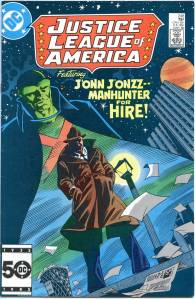
Seeking to capitalize on the popularity of their other team books, which focused upon heroes in their late teens/early 20s, Gerry Conway and artist Chuck Patton revamped the Justice League series. After most of the original heroes fail to help fend off an invasion of Martians, Aquaman dissolves the League and rewrites its charter to allow only heroes who will devote their full-time to the roster. The new team initially consists of Aquaman, Zatanna, Martian Manhunter, Elongated Man, the Vixen, and a trio of teenage heroes Gypsy, Steel, and Vibe. Aquaman leaves the team after a year, due to resolving marital problems, and his role as leader is assumed by the Martian Manhunter.
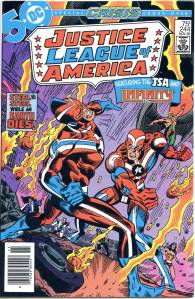
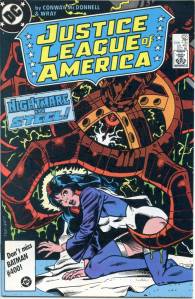
The final storyline for the original Justice League of America series (#258–261), by writer J. M. DeMatteis and artist Luke McDonnell, concludes with the murders of Vibe and Steel at the hands of robots created by long-time League nemesis Professor Ivo, and the resignations of Vixen, Gypsy, and the Elongated Man during the events of DC’s Legends miniseries, which sees the team disband.
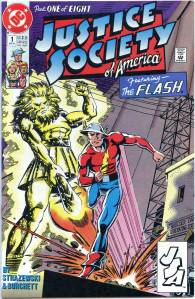
Fan interest resulted in the revival of the JSA in 1991. An eight-issue Justice Society of America limited series featuring a previously untold story set in the 1950s was published in 1991. In the final issues of the four-issue Armageddon: Inferno limited series, the JSA returns to the modern-day DC Universe when Waverider transported the “daemen” of the interdimensional Abraxis to Asgard as a substitute for the JSA in the Ragnarök cycle, allowing the team to return to Earth.
In need of a new secure headquarters, the Justice League moved into an orbiting satellite headquarters in Justice League of America #78 (February 1970). The Elongated Man, the Red Tornado, Hawkwoman, Zatanna, and Firestorm joined the team, and Wonder Woman returned during this period.
Len Wein wrote issues #100–114, in which he and Dillin re-introduced the Seven Soldiers of Victory in issues #100-102 and the Freedom Fighters in issues #107-108. In the fall of 1972, Wein and writers Gerry Conway and Steve Englehart crafted a metafiction an unofficial crossover spanning titles from both Marvel and DC. Each comic featured Englehart, Conway, and Wein, as well as Wein’s first wife Glynis, interacting with Marvel or DC characters at the Rutland Halloween Parade in Rutland, Vermont.
Beginning in Amazing Adventures #16 (by Englehart with art by Bob Brown and Frank McLaughlin), the story continued in Justice League of America #103 (by Wein, Dillin and Dick Giordano), and concluded in Thor #207 (by Conway and penciler John Buscema). As Englehart explained in 2010, “It certainly seemed like a radical concept and we knew that we had to be subtle (laughs) and each story had to stand on its own, but we really worked it out. It’s really worthwhile to read those stories back to back to back — it didn’t matter to us that one was at DC and two were at Marvel — I think it was us being creative, thinking what would be really cool to do.” Justice League of America #103 also featured the Justice League offering membership to the Phantom Stranger. Len Wein commented on the Phantom Stranger’s relationship with the JLA in a 2012 interview stating that the character “only sort of joined. He was offered membership but vanished, as per usual, without actually accepting the offer. Over the years, other writers have just assumed [he] was a member, but in my world, he never really said yes.” Libra, a supervillain created by Wein and Dillin in Justice League of America #111 (May–June 1974), would play a leading role in Grant Morrison‘s Final Crisisstoryline in 2008.
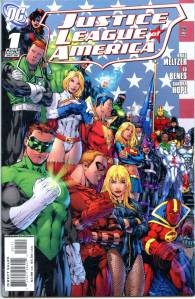
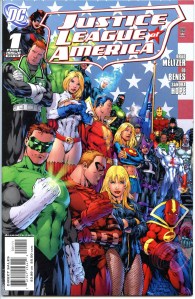
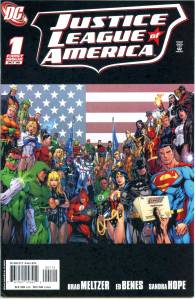
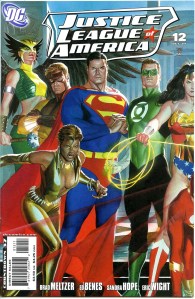
One year after the events of Infinite Crisis, Superman, Batman, and Wonder Woman reunite in the Batcave to re-form the League in Justice League of America #0, the kick-off for a new series by Brad Meltzer and Ed Benes. The series featured a roster which included Green Lantern (Hal Jordan), Black Canary, Red Arrow (Green Arrow‘s former sidekick), Red Tornado, Vixen, Black Lightning, and Hawkgirl. The first arc of the series focused upon Red Tornado and pitted the team against a new intelligent incarnation of Solomon Grundy and the rebuilt Amazo. The new incarnation of the team has two main headquarters, linked by a transporter. At the first site is The Hall, which in the mainstream DC Universe is a refurnished version of the Justice Society of America and the All-Star Squadron‘s former headquarters located in Washington, D.C.. Black Canary is elected as the first official Chairperson after the fight against Amazo and Solomon Grundy, and led both the Justice League and Justice Society in a complex quest to reunite time-lost members of the pre-Crisis Legion of Super-Heroes, who had been sent back in time to free both Bart Allen and Flash from the other dimensional realm of the Speed Force. Meltzer left the series at the end of issue #12, with one of his subplots (Per Degaton, a pre-nuclear fire mutation version of Despero, and a circa 1948 version of the Ultra-Humanite gathering for an unknown plot) resolved in the pages of Booster Gold.
Justice League of America V2 #0 NM $3
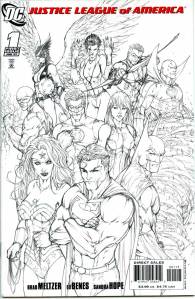
Justice League of America V2 #1A NM $5
Justice League of America V2 #1 NM- $3
Justice League of America V2 #1B NM $5
Justice League of America V2 #1E
Justice League of America V2 #1F NM $8
Justice League of America V2 #1G NM $9
Justice League of America V2 #2 NM $3
Justice League of America V2 #3 NM $3
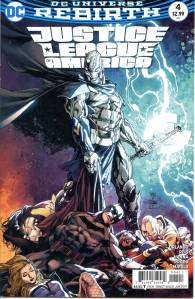
Justice League of America V2 #4 NM $3
Justice League of America V2 #5 NM $3
Justice League of America #6 NM $4
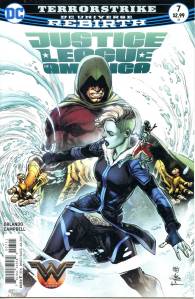
Justice League of America V2 #7 NM $4
Justice League of America V2 #7B NM $4
Justice League of America V2 #8 NM- $3
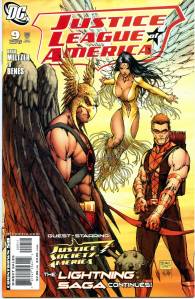
Justice League of America V2 #9 NM $4
Justice League of America V2 #10 NM- $3
Justice League of America V2 #12c NM $29
Justice League of America V2 #12a NM $3
Justice League of America V2 #12b NM $3
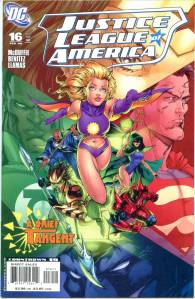
Justice League of America V2 #16 NM $3
Justice League of America V2 #18 NM $3
Justice League of America V2 #19 NM $3
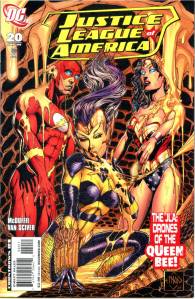
Justice League of America V2 #20 NM $3
Justice League of America V2 #21 NM $3
Justice League of America V2 #22 NM $3
Justice League of America V2 #23 NM $3
Justice League of America V2 #24 NM $3
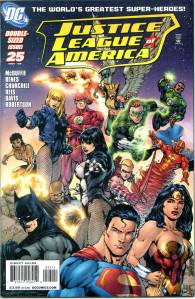
Justice League of America V2 #25 NM $4
Justice League of America V2 #26 NM $3
Justice League of America V2 #27 NM $3
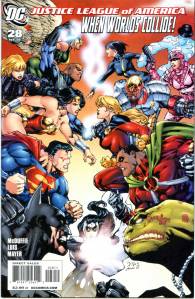
Justice League of America V2 #28 NM $3
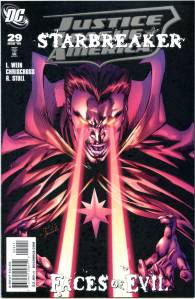
Justice League of America V2 #29 NM $3
Justice League of America V2 #30 NM 4
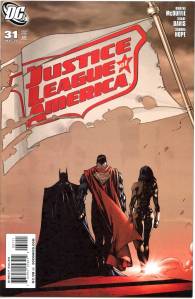
Justice League of America V2 #31 NM $3
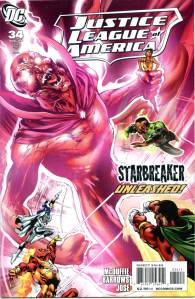
Justice League of America V2 #34 NM $4
Justice League of America V2 #36 NM $4
Justice League of America V2 #37 NM $3
Justice League of America V2 #38 NM $4
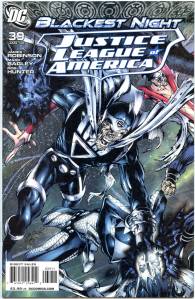
Justice League of America V2 #39 NM $4
Justice League of America V2 #39 NM- $3
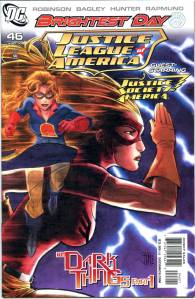
Justice League of America V2 #46 NM $3
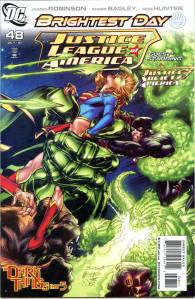
Justice League of America V2 #48 NM $3
Justice League of America V2 #49 NM $4
Justice League of America V2 #50 NM $5
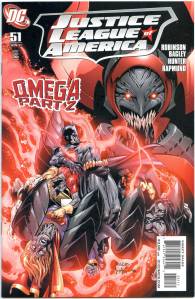
Justice League of America V2 #51 NM $4
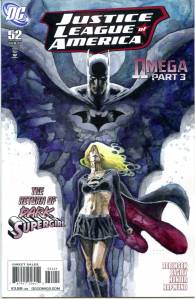
Justice League of America V2 #52 NM $4
Justice League of America V2 #52 NM $3
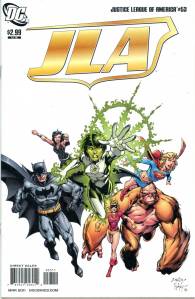
Justice League of America V2 #53 NM $4
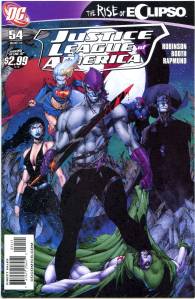
Justice League of America V2 #54 NM $3
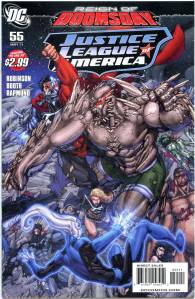
Justice League of America V2 #55 NM $3
Justice League of America V2 #55 VF-NM $2
Justice League of America V2 #56 VF-NM $2
Justice League of America V2 #56 NM- $2
Justice League of America V2 #57 NM $3
Justice League of America V2 #58 NM $3
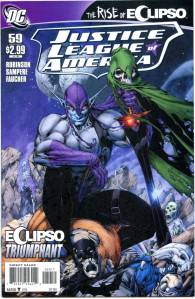
Justice League of America V2 #59 NM- $2
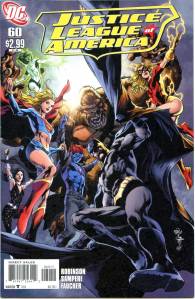
Justice League of America V2 #60 NM $3
Justice League of America – Wedding Special #1 NM $6
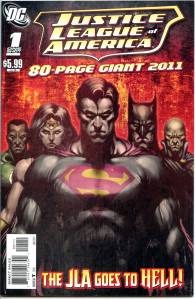
Justice League of America V2 80 Page Giant #1 NM $6
The cancellation of Justice League International (V2) led into the launch of a new Justice League of America title (V3). The new Justice League of America is entirely separate from the main Justice League as the new team was formed by Amanda Waller and consists of Steve Trevor, Martian Manhunter, Green Arrow, Hawkman, Catwoman, the new Green LanternSimon Baz, Stargirl, Katana, and Vibe. The new Atom, Rhonda Pineda, is also a member of the Justice League of America. She works as a spy to gain intel on the Justice League, reporting to Amanda Waller and Steve Trevor. It is later revealed that, unknown to the members of either team, she is actually a member of Earth-3’s Crime Syndicate, and is betraying both teams. Each member of the Justice League of America is intended to be a counterpart to the members of the Justice League, in case the Justice League would ever go rogue. Catwoman and Green Arrow both serve as counterparts for Batman.
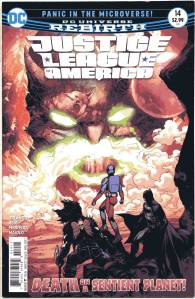
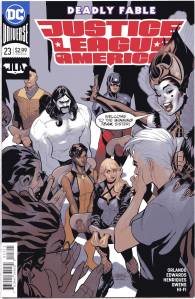
Starting in February 2017 as part of DC Rebirth’s second wave, a new Justice League of America series was released. The team consists of the Atom, Vixen, the Ray, and Killer Frost. The month prior to this, each of these members received a one-shot issue. On October 28, it was revealed that Batman, Black Canary, and Lobo would be joining the team as well. Batman will have a dual membership in both Justice League teams. This series ended in April 2018 with the release of issue #29.





























































 EHT Comics