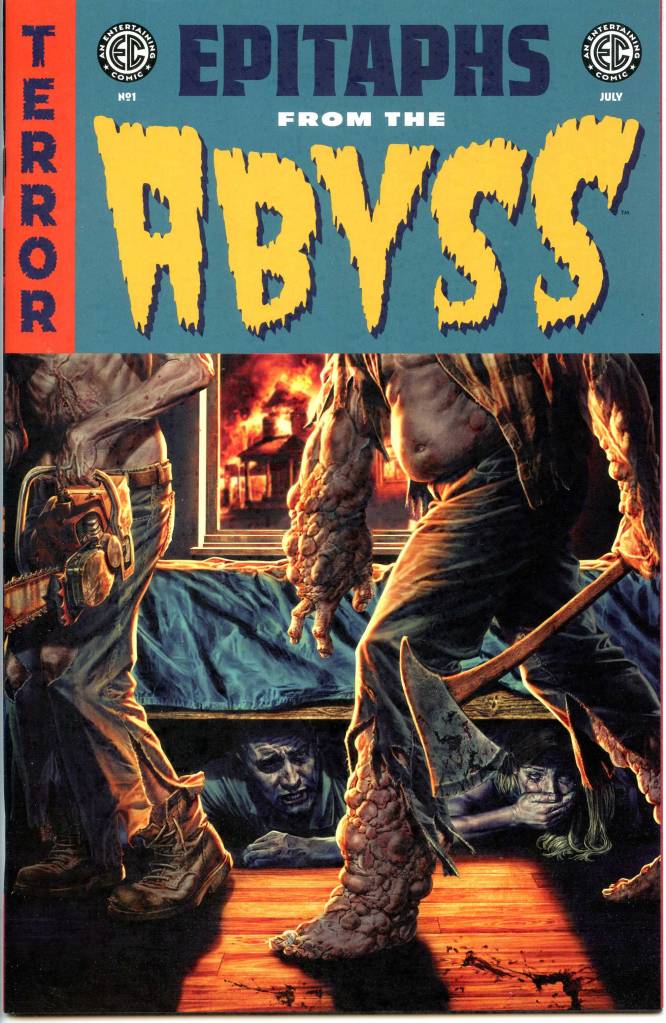
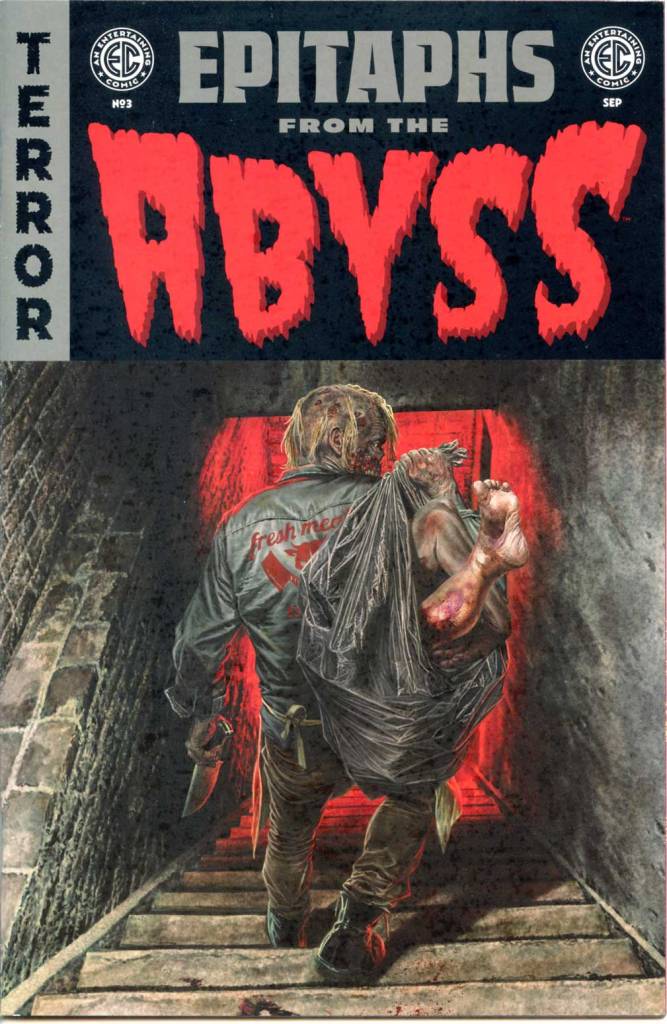
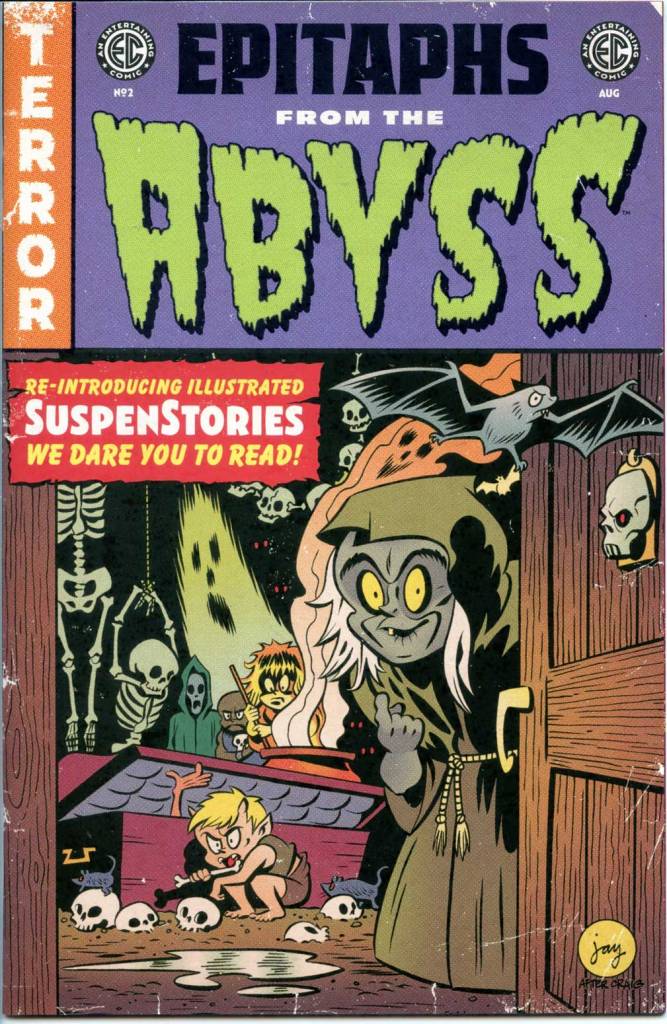
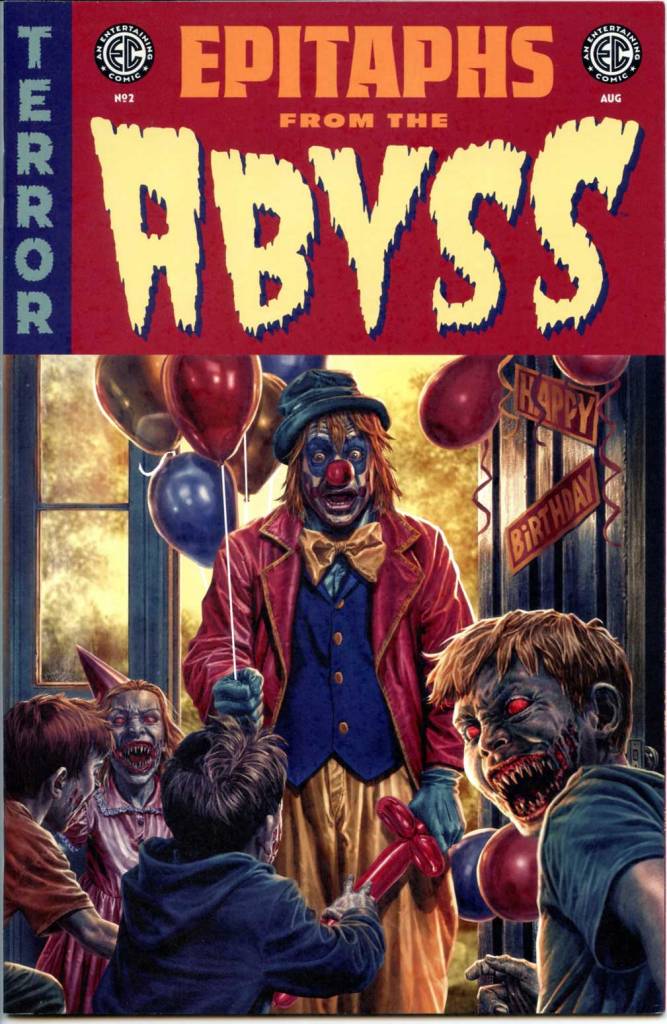
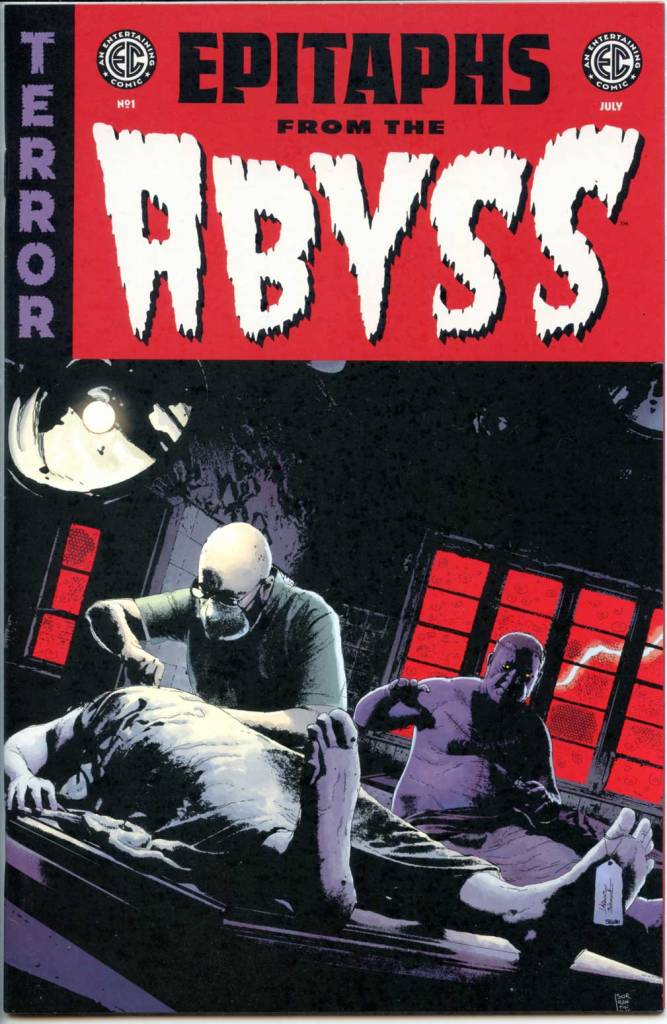
The most notorious name in terror is back with a vengeance! From the publisher that drove Tales from the Crypt, Vault of Horror, Haunt of Fear, and many more into the depraved hearts of an unsuspecting world, the immortal EC COMICS returns . . . with its first all-new series in nearly 70 years! What the Comics Code Authority couldn’t kill has only made it stronger . . . EC Comics lives again in Epitaphs from the Abyss!
Epitaphs from the Abyss #1A NM $9Epitaphs from the Abyss #3 NM $9Epitaphs from the Abyss #2 1:10 Variant NM $9Epitaphs from the Abyss #2 NM $9Epitaphs from the Abyss #1 NM $5
When the children of Archer’s Peak—a sleepy town in the heart of America—begin to go missing, everything seems hopeless. Most children never return, but the ones that do have terrible stories—impossible details of terrifying creatures that live in the shadows. Their only hope of finding and eliminating the threat is the arrival of a mysterious stranger, one who believes the children and claims to be the only one who sees what they can see. Her name is Erica Slaughter. She kills monsters. That is all she does, and she bears the cost because it must be done.
Something is Killing the Children #11 NM $5
Something is Killing the Children #12 NM $5
Something is Killing the Children #19 NM $4
Something is Killing the Children #22B NM $5
Something is Killing the Children #22C NM $5
Something is Killing the Children #24 NM $4
Something is Killing the Children #25 NM $4
Something is Killing the Children #25 B NM $5
Book of Slaughter #1 Virgin Variant NM $12
Book of Butcher #1 Virgin Variant NM $9
Something is Killing the Children #28 Battle Damage Variant NM $29
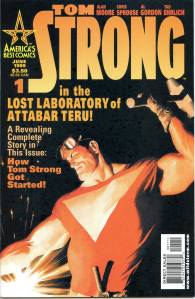
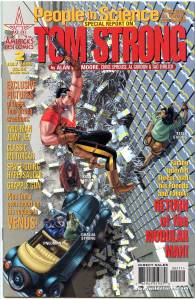
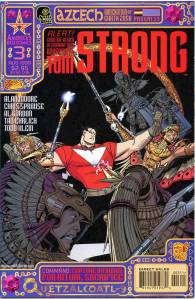
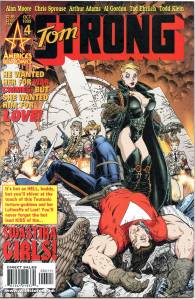
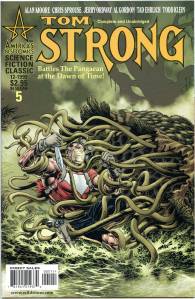
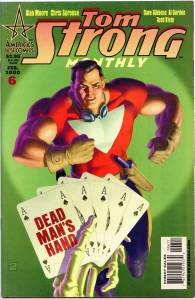
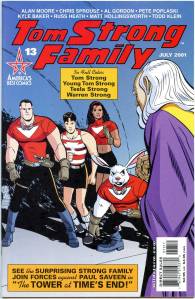
Tom Strong is a comic book created by writer Alan Moore and artist Chris Sprouse, initially published bi-monthly by America’s Best Comics, an imprint of DC Comics‘ Wildstorm division. Tom Strong, the title character, is a “science hero”, with a wife, Dhalua, and a daughter, Tesla, both with enhanced physical and mental abilities and longevity. He lives in a building called The Stronghold in Millennium City. He is also helped by Pneuman, a steam-poweredrobot, and King Solomon, a gorilla with human characteristics. His greatest foe is tuxedo-clad “science villain” Paul Saveen. The series explores many different timelines and universes, which are a nod to different comic genres. The primary characters are tributes to and spoofs of early pulp heroes.
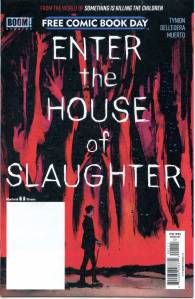
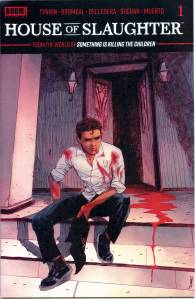
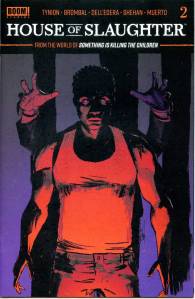
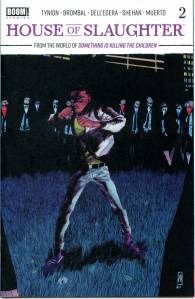
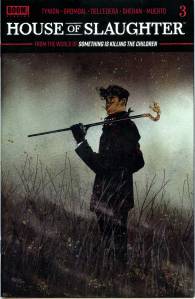
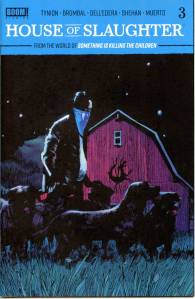
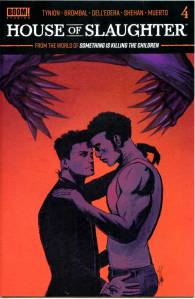
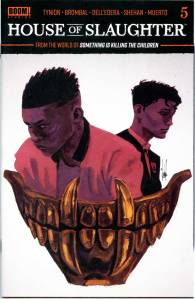
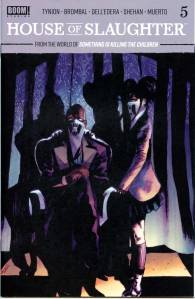
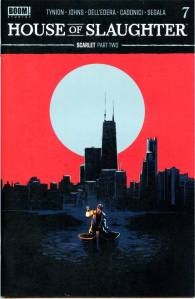
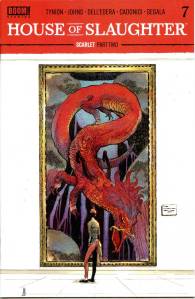
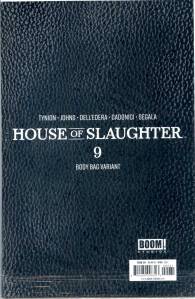
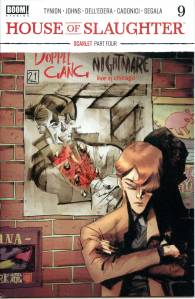
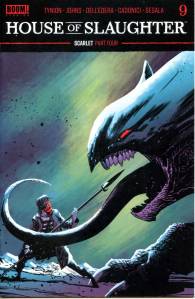
Discover the inner workings of the House of Slaughter in this new horror series exploring the secret history of the Order that forged Erica Slaughter into the monster hunter she is today. You know Aaron Slaughter as Erica’s handler and rival. But before he donned the black mask, Aaron was a teenager training within the House of Slaughter. Surviving within the school is tough enough, but it gets even more complicated when Aaron falls for a mysterious boy destined to be his competition.
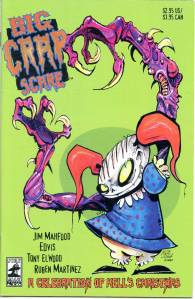
Big Crap Scare: A Celebration of Hell’s Christmas. A wonderful holiday anthology comic from the maniacs that brought you The Disposable Assassin! Bill Marvell by Mondy Carter & Ruben Martinez… Dr. Grave by Edvis… Zombie Kid by Jim Mahfood… Crazy Train by Rob Schrab & Tony Elwood.
Big Crap Scare – A Celebration of Hell’s Christmas NM- $22
Step into the thrilling pages of Spellbound, a classic Atlas comics series that captivated readers in the 1950s. Through the expert craftsmanship of writer Sol Brodsky and talented artists, Spellbound brings to life unforgettable characters and stunning visuals that will linger in your mind long after you close the cover. Don’t miss out on this captivating series that defined the golden age of Atlas comics.
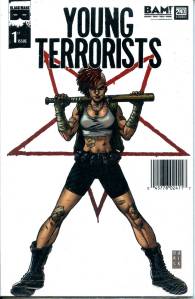
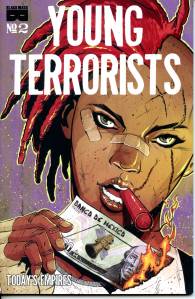
What if “The Smoking Man” from X-Files was a real person, and his daughter found out what he did for a living? The daughter of an assassinated globalist kingpin breaks out of an internment camp and leads her fellow escaped prisoners in a battle against an elitist conspiracy of shadow governments, megabanks, and military juntas in this edgy and subversive thriller that channels Fight Club by way of Girl With The Dragon Tattoo.
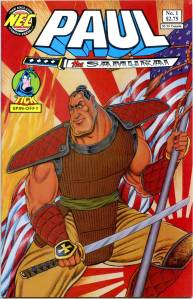
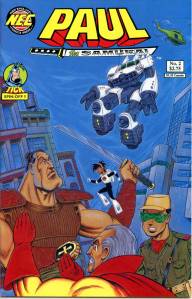
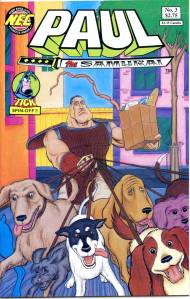
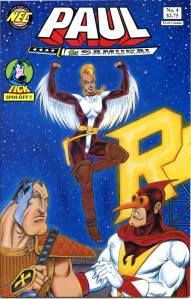
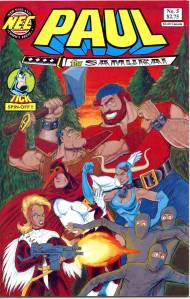
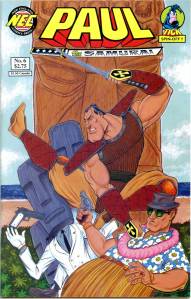
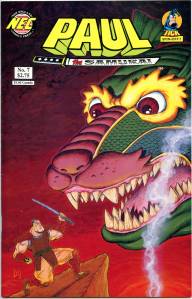
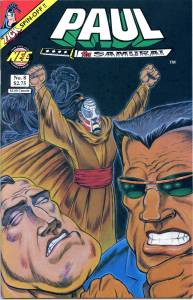
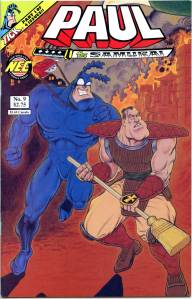
Paul begins adapting to the unusual barbarians inhabiting his new land. He confronts The Detroit Fury a metal monster created by a disgruntled American autoworker; He also encounters THE MITI MEN a superhero group sent from Japan to protect Japanese interests from the Detroit Fury’s attacks!
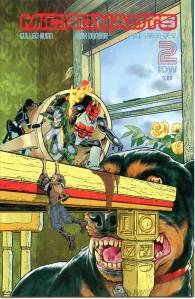
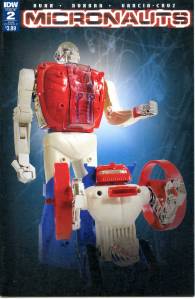
In 2015, IDW Publishing acquired publishing rights from Hasbro to produce new comic books for the Micronauts and Rom the Space Knight, both formerly popularized by Marvel as licensed properties. IDW released the first issue of their Micronauts series in April 2016, with scripts by Cullen Bunn and art by David Baldeon. The comic ran for eleven issues from 2016 to 2017. It was followed by two five-issue miniseries Micronauts: Wrath of Karza and Rom & the Micronauts which were released between 2017 and 2018.
Whiz Comics #2 (cover-dated Feb. 1940) was published in late 1939. The comic’s lead feature introduced audiences to Billy Batson, an orphaned boy who, by speaking the name of the ancient wizard Shazam, is struck by a magic lightning bolt and transformed into the adult superhero Captain Marvel. Shazam’s name was an acronym derived from the six immortal elders who grant Captain Marvel his superpowers: Solomon, Hercules, Atlas, Zeus, Achilles and Mercury.
In addition to introducing the main character, his alter ego, and his mentor, Captain Marvel’s first adventure in Whiz Comics #2 also introduced his archenemy, the evil Doctor Sivana, and found Billy Batson talking his way into a job as an on-air radio reporter with station WHIZ. Captain Marvel was an instant success, with Whiz Comics #2 selling over 500,000 copies. By 1941, he had his own solo series, Captain Marvel Adventures, while he continued to appear in Whiz Comics, as well as periodic appearances in other Fawcett books, including Master Comics.
Captain Marvel Adventures #115 CGC 7.5 Off-White to White $495