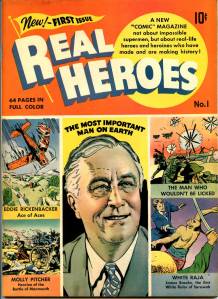
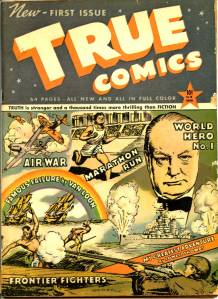
One of the first series of comics dedicated to educational topics was True Comics, published by Gworge J. Hecht’s Parents’ Magazine Press, beginning in 1941. Designed to convey not only information but also wholesome attitudes, the series covered a variety of materials, but many issues were devoted to patriotic stories from American history or to biographies of famous American (and occasionally non-Americans, such as Winston Churchill) from the past. The series also included stories of the exploits of the FBI, designed to heroize law enforcers and demonize criminal. These fact-based comics were enough of a commercial success that the series ran until 1950.
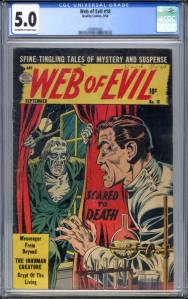
From the people who brought you Captain Marvel comes horror. Web of Evil was an anthology horror comic published by Quality Comics, and was acquired by DC Comics when DC bought Quality in 1956. It rivaled EC’s horror comics, often considered the measuring stick for greatness in this genre. With its smart writing, consistently high-end artwork, and willingness to push-the-envelope with its, violent, graphic depiction of scenes of the macabre, Web Of Evil, as with several EC horror titles, ended up getting Quality Comics in hot water, metaphorically.
Web of Evil #18 CGC 5.0 Off White – White Pages $299
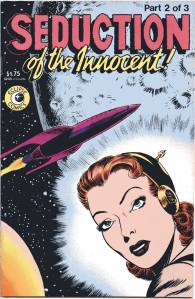
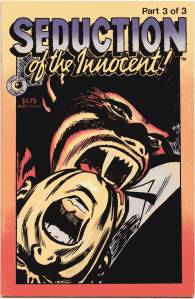
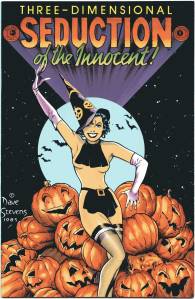
In homage to the great pre-Code horror comics, Eclipse Comics presented its own Seduction of the Innocent, reprinting classics from now-forgotten National Comics and Toby Publishing.
Seduction of the Innocent #2 VF+ $5
Seduction of the Innocent #3 NM $5
Three-Dimensional Seduction of the Innocent VF No Glasses $39
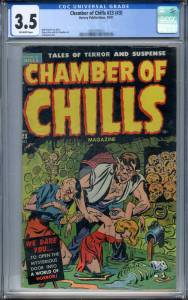
The first Chamber of Chills was a 10-cent horror anthology published bimonthly by Harvey Publications that ran 26 issues (cover-dated June 1951 – Dec. 1954).
Chamber of Chills was formerly Blondie Comics, taking over that comic’s numbering with issue #21. After issue #24 (Dec. 1951), the numbering was reset to #1. Chamber of Chills became Chamber of Clues with the February 1955 issue, and ceased publication two issues later, the last cover-dated April 1955.
Chamber of Chills #23 CGC 3.5 Off-White Pages $349
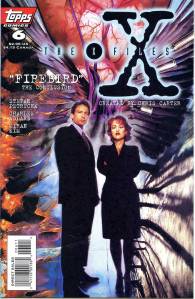
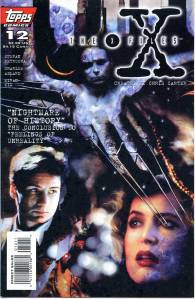
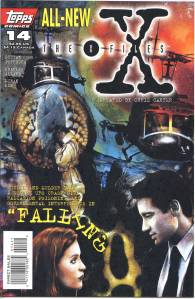
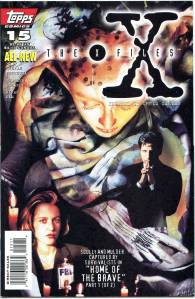
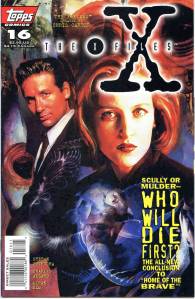
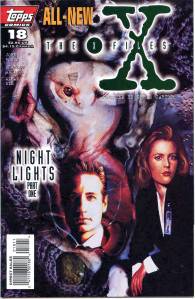
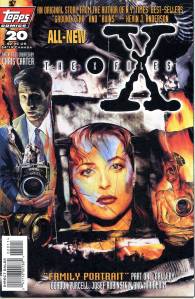
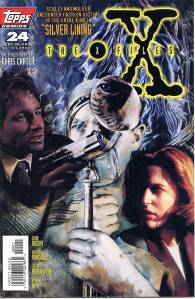
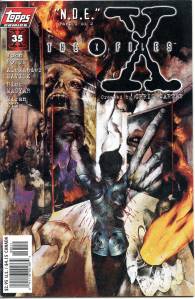
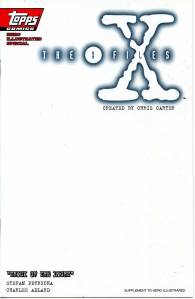
X-Files was originally published by Topps Comics and ran for 41 issues from January 1995 to September 1998, coinciding with the second through fifth seasons of the television program.
In 1996, Topps published X-Files #0, an adaptation of the pilot episode, in order to test the market for a series adapting the episodes of the X-Files TV series. The issue was successful, and X-Files Season One ran for nine issues (August 1997 – July 1998). The series’s name was provisional, and Topps in fact intended to adapt every episode, but never got as far as season two. The series was written by Roy Thomas, who would create a first draft for each issue by working off of the episode’s script, then watch the actual episode and modify his work to account for changes made on the set.
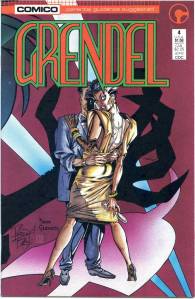
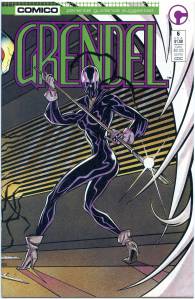
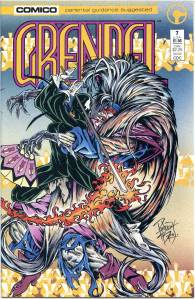
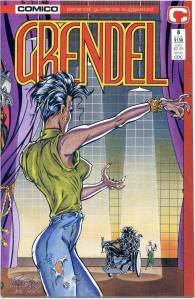
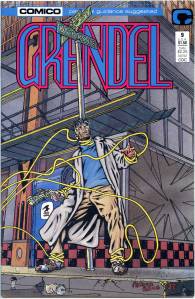
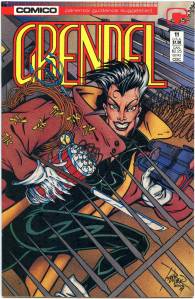
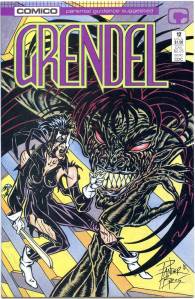
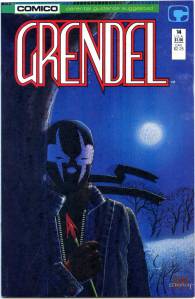
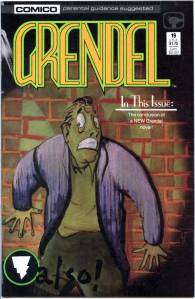
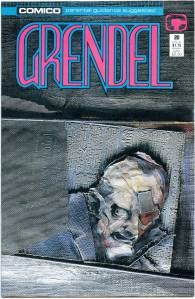
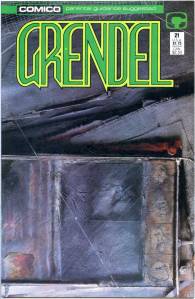
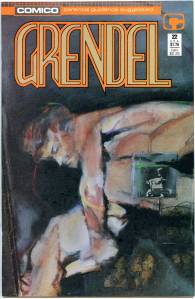
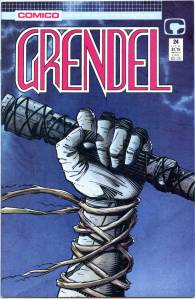
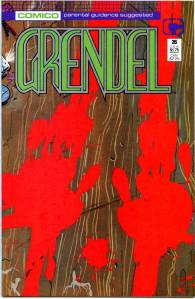
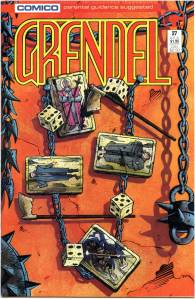
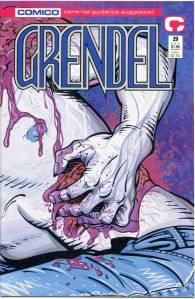
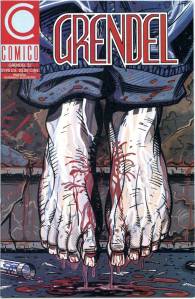
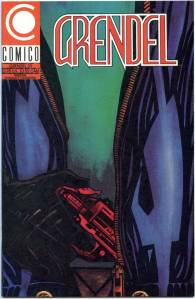
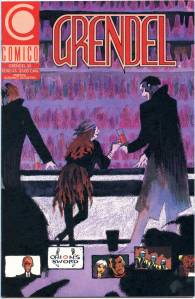
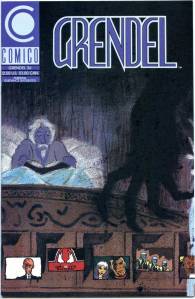
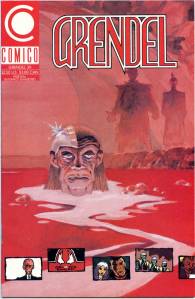
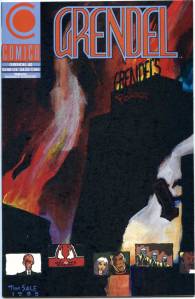
The Grendel ongoing series published by Comico started in 1986 and lasted 40 issues. It was written by Matt Wagner and drawn by a variety of artists, including the Pander Brothers, Bernie Mireault, Tim Sale, John K. Snyder III and others. It began with a story set in the near future, with Christine Spar, Hunter’s posthumous biographer, taking on the identity of Grendel to pursue a mission of revenge. The identity passed briefly, and tragically, to her deluded boyfriend Brian Li Sung. After a brief return to stories of Hunter Rose (actually two in-universe fictional novels written by Captain Wiggins, a supporting character from the Christine Spar arc), Wagner then spun the series further into the future, with the Grendel identity affecting a variety of people. The name “Grendel” took on several meanings as the stories portrayed a dystopian future. Grendel became a synonym for The Devil with the title held by the emperor of the world, (Grendel-Khan) and members of a warrior society identical to samurai.
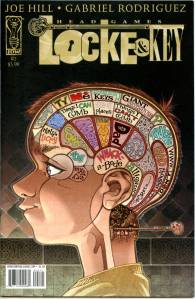
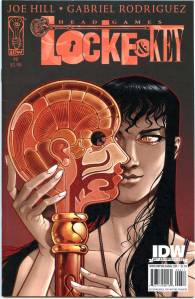
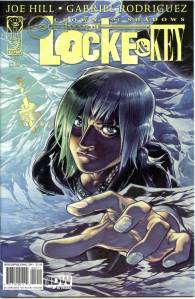
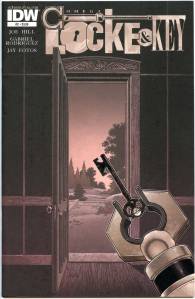
Following their father’s gruesome murder in a violent home invasion, the Locke children return to his childhood home of Keyhouse in secluded Lovecraft, Massachusetts. Their mother, Nina, is too trapped in her grief—and a wine bottle—to notice that all in Keyhouse is not what it seems: too many locked doors, too many unanswered questions. Older kids Tyler and Kinsey aren’t much better. But not youngest son Bode, who quickly finds a new friend living in an empty well and a new toy, a key, that offers hours of spirited entertainment. But again, all at Keyhouse is not what it seems, and not all doors are meant to be opened. Soon, horrors old and new, real and imagined, will come ravening after the Lockes and the secrets their family holds.
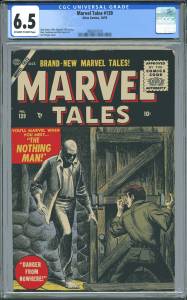
The first Marvel Tales was the direct continuation of the superhero anthology Marvel Mystery Comics, published by Marvel Comics‘ initial iteration, Timely Comics. This series ran through issue #92 (cover-dated June 1949). Beginning with issue #93 (Aug. 1949), it became Marvel Tales, an anthology of horror, fantasy, and science fiction stories. The bulk of this series was published under the company name Atlas Comics.
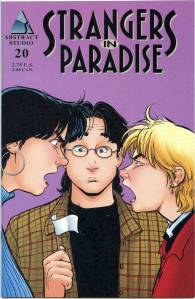
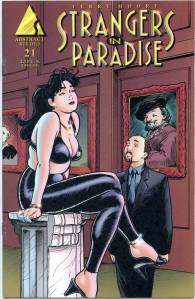
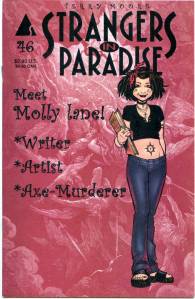
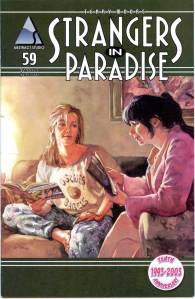
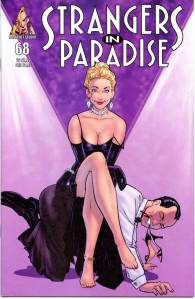
Strangers in Paradise is the entertaining and poignant look at the relationship of two young women and the twists and turns that life throws at them. Francine and Katchoo are high-school best friends who are reunited when Francine comes back to town after years away from her hometown. David is their new friend entangled in their complicated lives. From creepy ex-boyfriends and insensitive bosses to the reality of AIDS and underworld prostitution, you never know what will come up next – but you can always count on laughing and crying at the same time.









































 EHT Comics