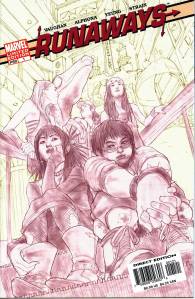
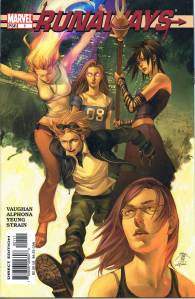
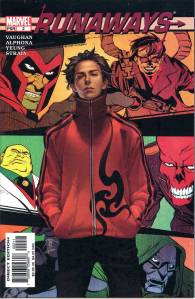
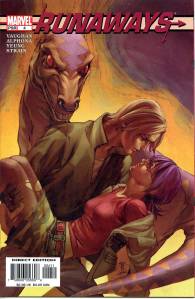
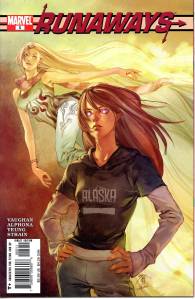
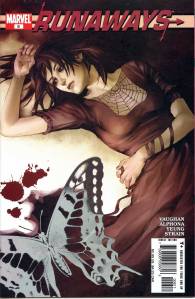
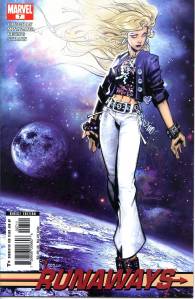
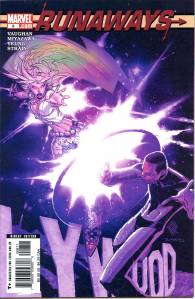
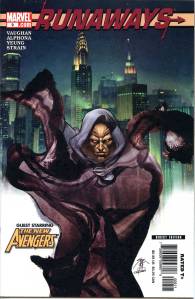
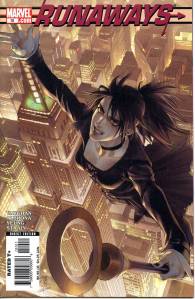
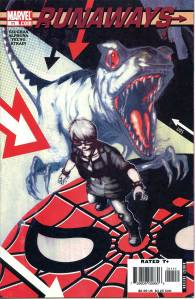
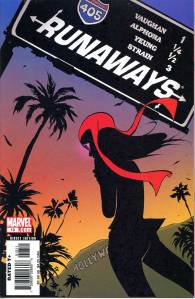
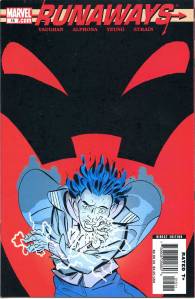
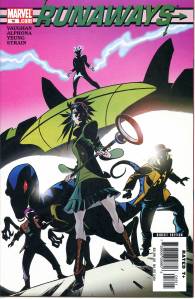
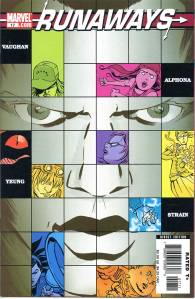
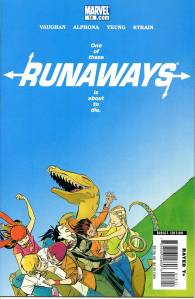
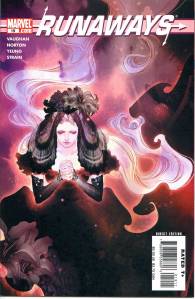
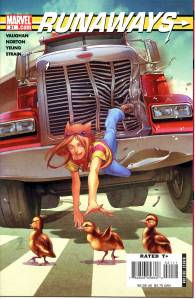
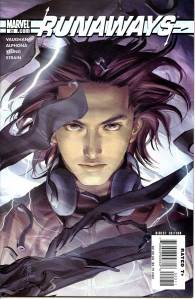
Writer Brian K. Vaughan has claimed that he had only planned to write Runaways for six months (six issues), but because of the popularity of the series and new ideas from Vaughan, Marvel decided to continue issuing it on a monthly basis.[4] In 2007, Brian K. Vaughan announced his departure from Runaways, deciding to leave the series at the top of its game.[7] Longtime Runaways-fan Joss Whedon was hand-picked by Vaughan to write an arc and finish the second volume; although Whedon had declined at first, he later accepted.
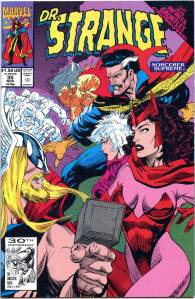
Doctor Strange: Sorcerer Supreme, ran 90 issues (November 1988 – June 1996). The initial creative team was writer Peter B. Gillis and artists Richard Case and Randy Emberlin, with storylines often spanning multiple issues. Strange lost the title of “Sorcerer Supreme” in issues #48-49 (Dec. 1992 – Jan. 1993) when he refused to fight a war on behalf of the Vishanti, the mystical entities that empower his spells. During this time the series became part of the “Midnight Sons” group of Marvel’s supernatural comics. Doctor Strange found new sources of magical strength in the form of chaos magic, as well as a magic construct he used as a proxy. He would form the Secret Defenders with a rotating roster of heroes, and reunite with the original Defenders. Strange regained his title in Doctor Strange: Sorcerer Supreme #80 (August 1995).
Doctor Strange – Sorcerer Supreme #30 Newsstand VF-NM $6
Doctor Strange – Sorcerer Supreme #31 Newsstand NM $8
Doctor Strange – Sorcerer Supreme #33 Newsstand NM $8
Doctor Strange – Sorcerer Supreme #34 Newsstand NM $9
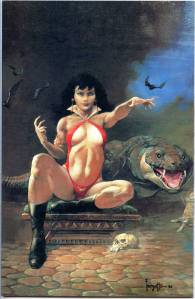
Upon Warren’s bankruptcy shortly afterward, Harris Publications acquired the company assets at auction in August 1983, although legal murkiness and a 1999 lawsuit by Warren publisher James Warren resulted in his reacquisition of the rights to sister publications Creepy and Eerie.Harris Comics published Vampirella stories in various series and miniseries from 1991 to 2007, beginning with Vampirella #113 (1988), a one-issue continuation of the original series, containing Vampirella reprints and one unrelated new story. On March 17th, 2010, Dynamite acquired the rights to the character.
Vampirella 25th Aniversarry Special NM $19
Vampirella – Shi Signed 74 of 500 NM $19
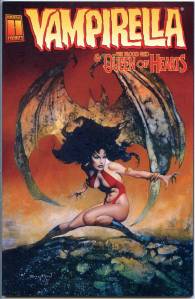
Vampirella – The Blood Red Queen of Hearts NM $9
Vampirella Sad Wings of Destiny NM $9
Vampirella Withblade 2004 Convention Special NM $9
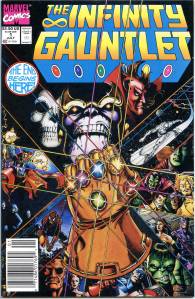
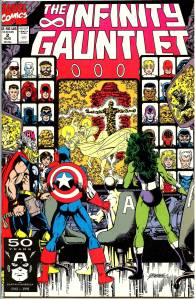
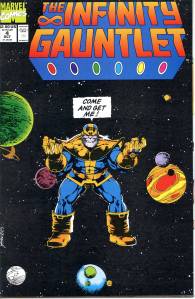
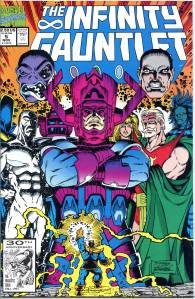
The Infinity Gauntlet is a six-issue limited series published by Marvel Comics from July to December in 1991. The series was written by Jim Starlin and penciled by George Pérez and Ron Lim.
The storyline is the culmination of events from Silver Surfer vol. 3, #34 (Feb. 1990) and the two-issue miniseries The Thanos Quest (Sept.- Oct. 1990).
Thanos mounts the six Infinity Gems (collected in the Thanos Quest limited series) on his left glove to form the titular Infinity Gauntlet. Each Gem grants its bearer complete mastery over one aspect of the multiverse: Time, Space, Mind, Soul, Reality, and Power. Now all-powerful and desperate to win the affections of Death, Thanos decides to offer the entity a gift of love by completing a task she had given him, erasing half the sentient life in the universe (including most of the X-Men, Daredevil, and the Fantastic Four), quite literally with a snap of his fingers.
Additional plotlines not addressed in the main story were featured in other books published during the same time period.
The storyline led to two sequel miniseries, Infinity War and Infinity Crusade. All three series were the core of a company-wide crossover story.
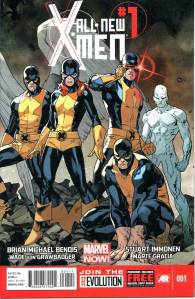
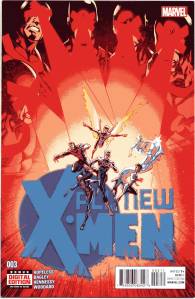
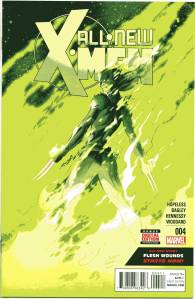
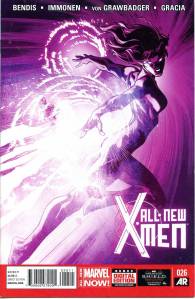
Marvel Comics announced All-New X-Men by the creative team of Brian Bendis and Stuart Immonen in July 2012. Bendis stated that the idea of having the five original members of the X-Men (Angel, Beast, Cyclops, Iceman and Jean Grey) see what has become of the X-Men came to him during a company retreat for Avengers vs. X-Men, “Avengers Vs. X-Men led to it. It was an idea that had been floating around the X-Office for a while and I’m still unclear where exactly it percolated. I’m a big fan of these kinds of stories, Pleasantville or Peggy Sue Got Married, where a character faces the truth about themselves and what their life can mean versus what it does mean.” Bendis said that the five original X-Men not only come into contact with the present day Cyclops’s team of X-Men but with Wolverine’s team of X-Men as well, “We’ll have three factions, and all these characters are interacting. It’s almost like a Robert Altman movie. Plus, there will also be some new characters that you haven’t met before.”
The Brute is a Neanderthal who is thawed from a block of ice after thousands of years of entombment. Part of the short-lived Atlas superhero line from former Marvel publisher Martin Goodman.
Otto Messmer pursued the Sunday Felix comic strips until their discontinuance in 1943, when he began eleven years of writing and drawing Felix comic books for Dell Comics that were released every other month. Jack Mendelsohn was the ghostwriter of the Felix strip from 1948 to 1952. In 1954, Messmer retired from the Felix daily newspaper strips, and his assistant Joe Oriolo (the creator of Casper the Friendly Ghost) took over. The strip concluded in 1966.
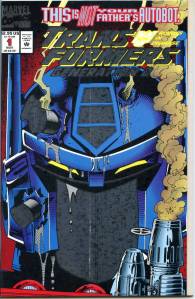
Transformers Generation 2 is based on the Transformers: Generation 2 toy line, written by Simon Furman. No longer restricted by Hasbro, Furman was allowed to kill off as many characters per issue as the story demanded. Furman also introduced a cannon fodder army named the Generation 2 Cybertronians. The story began in the pages of Larry Hama‘s G.I. Joe comic, with Megatron being rebuilt into his G2 toy line body by Cobra and setting up the Ark siege storyline for Megatron participating in when the G2 comic begins.
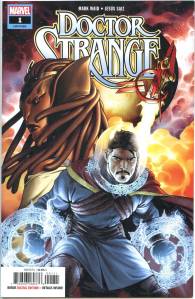
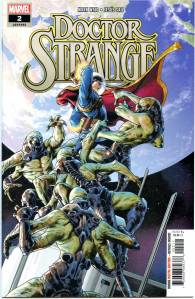
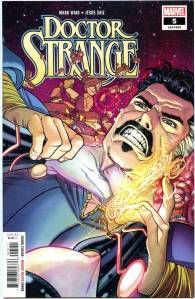
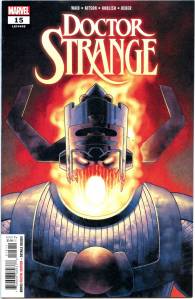
The Eye of Agamotto is closed! Doctor Stephen Strange has lost his connection to the Earth’s arcane power, and he can’t wait to recover while nightmares press against the seams of our reality. Tony Stark offers a 21st-century solution: When astral travel fails, try astronautical travel. Enter Doctor Strange: Space-Explorer Supreme!
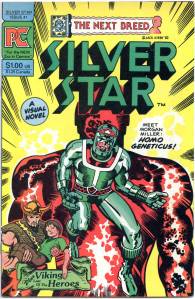
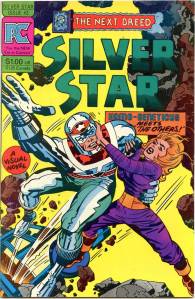
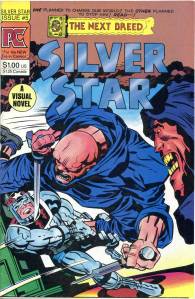
Silver Star is written, and drawn by Jack Kirby, first published by Pacific Comics in 1983. Featuring a title character who becomes super-powered due to genetic mutation, the series continued Kirby’s run of creator-owned work. Reprints of the original series and new stories based on it have subsequently been published by other comic book companies.












 EHT Comics