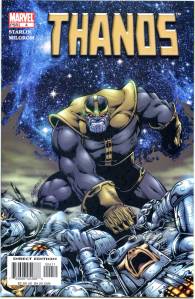
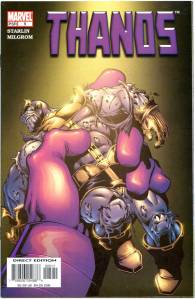
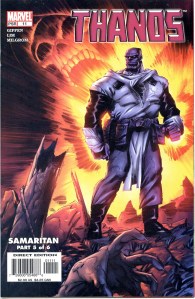
In 2004 Thanos received an eponymous title that ran for 12 issues. After defeating the Hunger, Thanos went to the frontline and gave himself up to the Omega Corps. After a panicked action from the corps they send him to the Kyln. On his way he killed a Skrull agent to give them a reason to imprisoned him. On Kyln, a priest told him about the prison while Thanos is watching the Crunch. When the Priest left, Death appeared and talked to him, telling him She loves him in her way, and that he hadn’t given her anything that she didn’t already have.
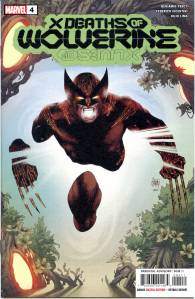
If Wolverine’s future lies in the past, what does that mean for the present? The reciprocal series to X Lives of Wolverine, X Deaths of Wolverine is chock-full of revelations for the best there is as well as the fate of mutantkind.
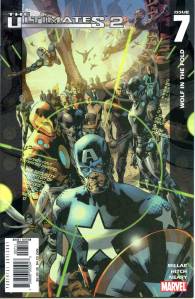
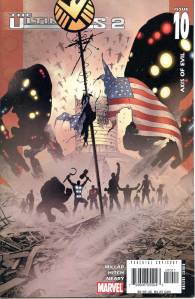
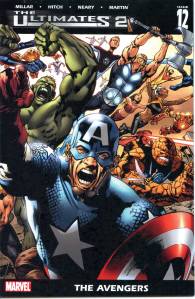
In a 2004 interview, Millar outlined the difference between the Ultimates and the Avengers: “The idea behind The Avengers is that the Marvel Universe’s biggest players all get together and fight all the biggest supervillains they can’t defeat individually, whereas Ultimates 2 is an exploration of what happens when a bunch of ordinary people are turned into super-soldiers and being groomed to fight the real-life war on terror.”
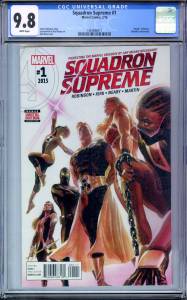
This team, set in Marvel’s mainstream reality, features characters from numerous alternate universes, such as the Nighthawk from Supreme Power, a Hyperion from a reality that had been destroyed upon colliding with another universe, Doctor Spectrum from the world of the Great Society (which was destroyed by Namor the Sub-Mariner to prevent it from colliding with the mainstream universe), the Blur from the New Universe, and Warrior Woman from a Secret Wars tie-in (posing as the Earth-712 Squadron Supreme’s Power Princess).
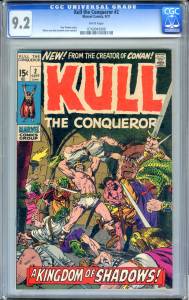
Kull has been adapted to comics by Marvel Comics with three series between 1971 and 1985. The first was drawn by Marie Severin and her brother John Severin. He also appeared several times in The Savage Sword of Conan series and other anthology books. Another graphic novel, Kull: The Vale of Shadow, was published in 1989.
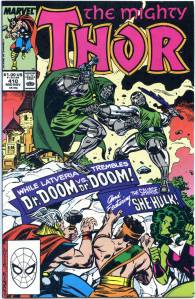
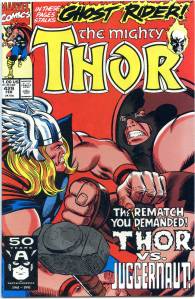
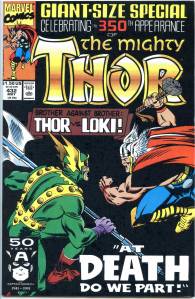
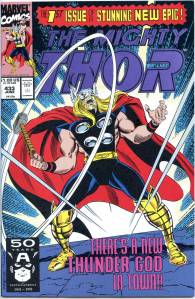
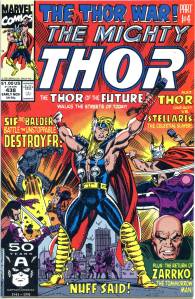
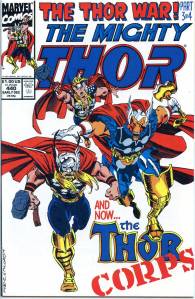
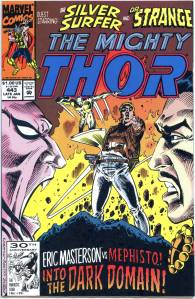
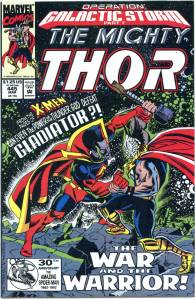
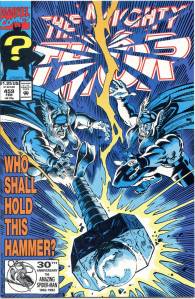
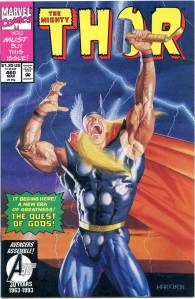
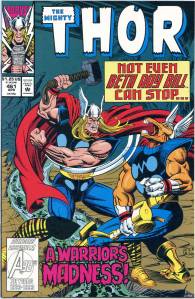
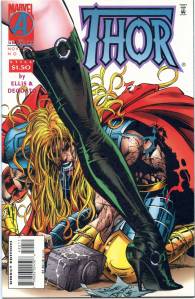
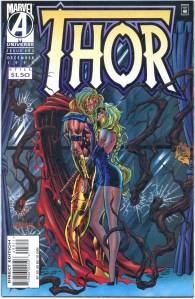
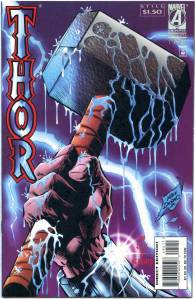
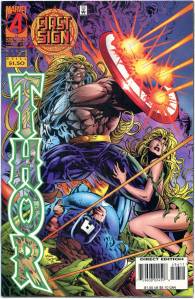
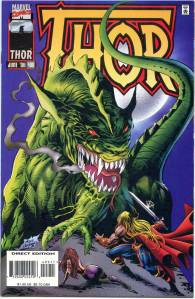
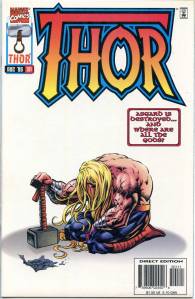
After Simonson’s departure, Marvel’s editor-in-chief at the time, Tom DeFalco, became the writer. Working primarily with artist Ron Frenz, DeFalco stayed on the book until #459 (Feb. 1993). As a consequence of the “Heroes Reborn” crossover story arc of the 1990s, Thor was removed from mainstream Marvel continuity and with other Marvel characters re-imagined in an alternate universe for one year. The Thor title reverted to Journey into Mystery with issue #503 (Nov. 1996), and ran four different, sequential features (“The Lost Gods”; “Master of Kung Fu“; “Black Widow“, and “Hannibal King“) before ceasing publication with #521 (June 1998).
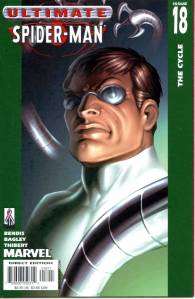
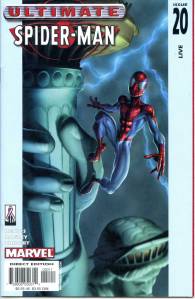
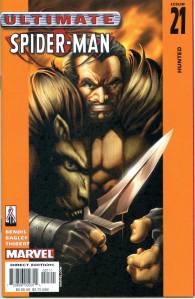
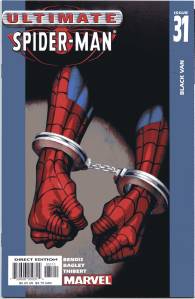
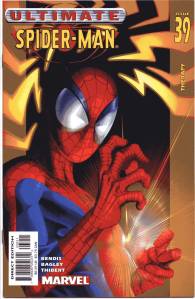
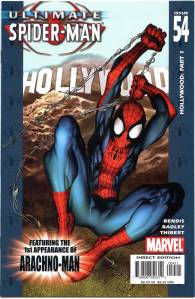
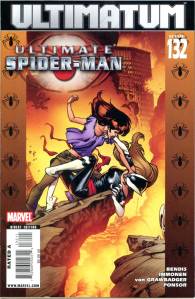
Ultimate Spider-Man was published by Marvel Comics from 2000 to 2009. The series is a modernized re-imagining of Marvel’s long-running Spider-Man comic book franchise as part of the company’s Ultimate Marvel imprint. Ultimate Spider-Man exists alongside other revamped Marvel characters in Ultimate Marvel titles including Ultimate X-Men, Ultimate Fantastic Four, and The Ultimates.
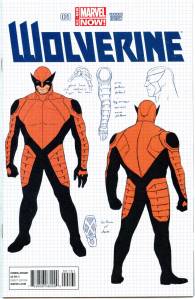
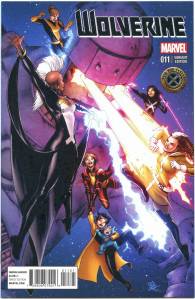
When Wolverine finds himself the bargaining chip in a hostage situation, he must make a decision to save a little boy that will follow him forever…literally! How can a berserker fight what he can’t see? And how far will he go to assert his humanity in the face of the Unknown? Find out when superstars Paul Cornell and Alan Davis take on the Wolverine!




























 EHT Comics