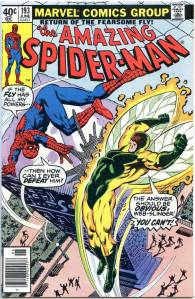
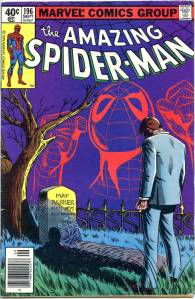
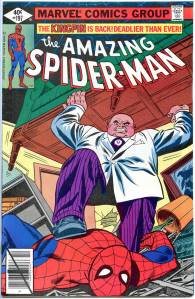
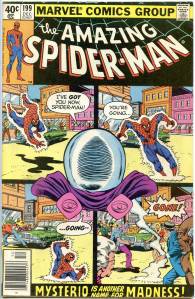
Following the 2015 Secret Wars event, a number of Spider-Man-related titles were either relaunched or created as part of the “All-New, All-Different Marvel” event. Among them, The Amazing Spider-Man was relaunched as well and primarily focuses on Peter Parker continuing to run Parker Industries, and becoming a successful businessman who is operating worldwide. It also tied with Civil War II (involving an Inhuman who can predict possible future named Ulysses Cain), Dead No More (where Ben Reilly [the original Scarlet Spider] revealed to be revived and as one of the antagonists instead), and Secret Empire (during Hydra’s reign led by a Hydra influenced Captain America/Steve Rogers, and the dismissal of Parker Industries by Peter Parker in order to stop Otto Octavius).
Amazing Spider-Man V4 #1 NM $6
Amazing Spider-Man V4 #1.4 NM $4
Amazing Spider-Man V4 #3 CGC 9.8 White Pages Blur $39
The ongoing series was canceled with issue #416 (Sept. 1996) and relaunched with vol. 2 #1 (Nov. 1996) as part of the multi-series “Heroes Reborn” crossover story arc. The yearlong volume retold the team’s first adventures in a more contemporary style, and set in a parallel universe. Following the end of that experiment, Fantastic Four was relaunched with vol. 3 #1 (Jan. 1998).
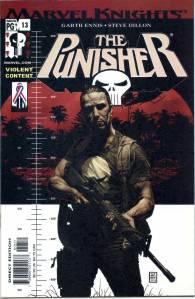
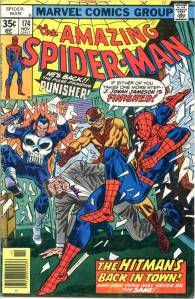
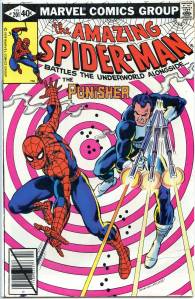
Frank Castle has gone back to basics. Back in New York, back from the dead and back doing what he does best: exterminating bad guys and waging his personal war on crime. And just wait until you check out Frank’s new bachelor pad – with his roommate Death! It’s a gritty tale of bullet-ridden, gut-wrenching action as you like it!
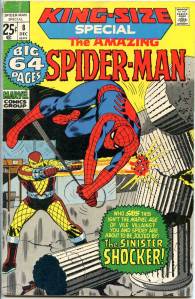
An early 1970s Spider-Man story led to the revision of the Comics Code. Previously, the Code forbade the depiction of the use of illegal drugs, even negatively. However, in 1970, the Nixon administration’s Department of Health, Education, and Welfare asked Stan Lee to publish an anti-drug message in one of Marvel’s top-selling titles. Lee chose the top-selling The Amazing Spider-Man; issues #96–98 (May–July 1971) feature a story arc depicting the negative effects of drug use. In the story, Peter Parker’s friend Harry Osborn becomes addicted to pills. When Spider-Man fights the Green Goblin (Norman Osborn, Harry’s father), Spider-Man defeats the Green Goblin, by revealing Harry’s drug addiction. While the story had a clear anti-drug message, the Comics Code Authority refused to issue its seal of approval. Marvel nevertheless published the three issues without the Comics Code Authority’s approval or seal. The issues sold so well that the industry’s self-censorship was undercut and the Code was subsequently revised.
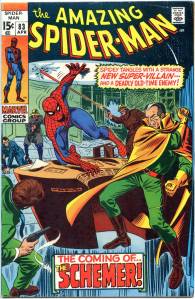
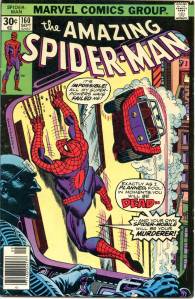
Amazing Spider-man #83 F+ $24
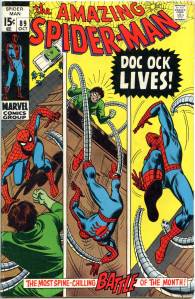
Amazing Spider-Man #89 F $22
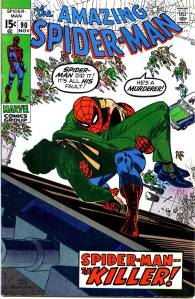
Amazing Spiderman #90 VF- $129
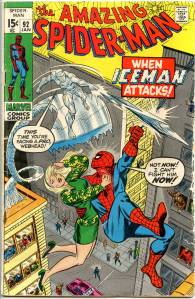
Amazing Spider-Man #92 VG- $17
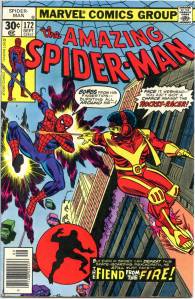
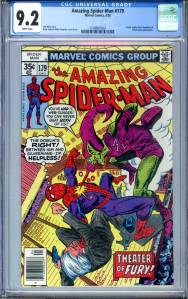
Amazing Spider-Man #107 CGC 9.0 Off White to White Pages $149
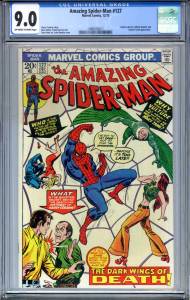
Amazing Spider-Man #127 CGC 9.0 Offwhite to White Pages $129
Ka-Zar is having a midlife crisis. He’s wondering if he should give up the jungle life and head to the comforts of modern civilization. He parts ways from Shanna for a bit to try and find Zabu, who has uncharacteristically wandered off.
The trail leads him to a vast new section of the Savage Land. We’ll eventually learn that it’s called Pangea,. He meets a woman called Leanne who owns a femal pet saber-tooth . He rescues her from some savages, but it turns out that she is the queen of a a large medieval city called Lemuria. They have a brief affair, but she leaves him because he’s too uncivilized.
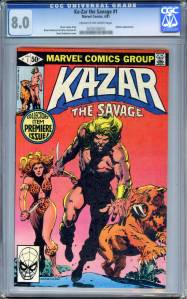
Ka-Zar the Savage #1 CGC 8.0 Cream to Off-White Pages $29
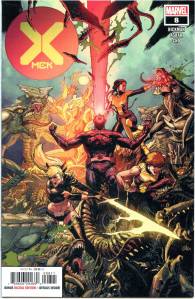
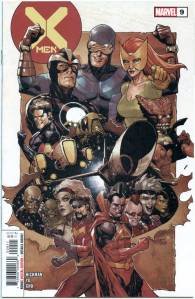
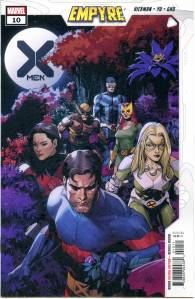
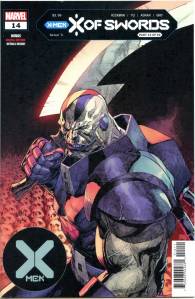
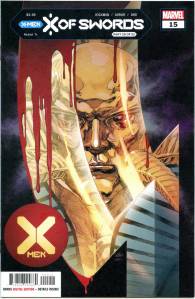
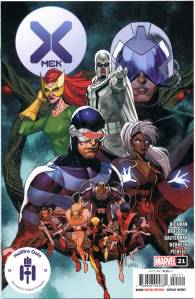
The flagship of the X-titles featuring world-building stories of the mutant renaissance featuring an overlapping cast members. Some of the stories include the introduction of Apocalypse’s grandson, Summoner, leading in to the X of Swords crossover; a new villain group called Hordeculture, featured later in the Empyre tie-in; Professor X, Magneto and Apocalypse attending the World Economic Forum; Mystique’s side mission during the attack on Orchis in House of X and the follow up mission to destroy Nimrod, leading into the Inferno storyline; the mutant rite Crucible, which is followed up in Way of X; and an adhoc team of Wolverine, Synch and Darwin assault of the Vault; the King Egg of the Brood race, a follow-up on a story started in the New Mutants; a tie-in to the Empyre event featuring Vulcan, and Magneto and the rest of the mutant nation fighting the Cotati; Cyclops, Marvel Girl and Storm helping with the kidnapping of Xandra, Majestrix of the Shi’ar Empire; and the X-Men election following its disbandment upon the formation of the Krakoan government.
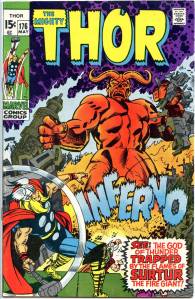
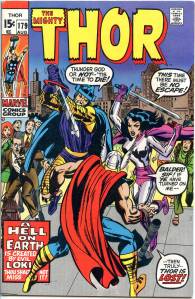
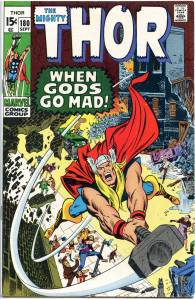
After Kirby left the title, Neal Adams penciled issues #180–181 (Sept.-Oct. 1970).John Buscema then became the regular artist the following issue. Buscema continued to draw the book almost without interruption until #278 (Dec. 1978). Lee stopped scripting soon after Kirby left, and during Buscema’s long stint on the book, the stories were mostly written by Gerry Conway, Len Wein, or Roy Thomas. Thomas continued to write the title after Buscema’s departure, working much of the time with the artist Keith Pollard; during this period Thomas integrated many elements of traditional Norse mythology into the title, with specific stories translated into comics form. Following Thomas’s tenure, Thor had a changing creative team.
Who can save the red planet? The mutants of Arakko spent millennia scarred by war — but on what was once called Mars, they’re learning to live in peace. Storm knows the red planet needs something greater than a queen. But Abigail Brand has other plans, along with an unstable Vulcan on her side and Cable keeping his own secrets. Welcome to X-Men Red. It’s a new world…and someone has to fight for it.
A new volume for the Fantastic Four was released in August 2018, written by Dan Slott, as part of Marvel’s Fresh Start event. The first issue of the new series was met with strong sales, and a positive critical reaction. When the Future Foundation is threatened by the Griever at the End of All Things, Mister Fantastic plays on her ego to convince her to provide him with equipment that will allow him to summon his teammates. When Human Torch and Thing are reunited with Mister Fantastic and Invisible Woman, the other superheroes that were part of the Fantastic Four at some point in their lives also arrived, including unexpectedly, X-Men‘s Iceman. With the gathered heroes assisted the Fantastic Four into causing so much damage to the Griever’s equipment, she is forced to retreat in her final telepod or be trapped in that universe. This left the heroes to salvage components from the broken ship to create their own teleport system to return to their universe.
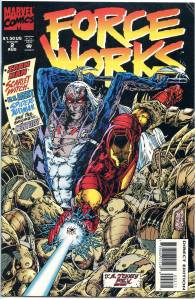
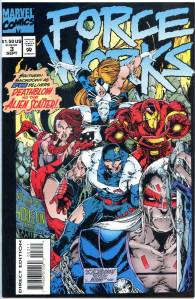
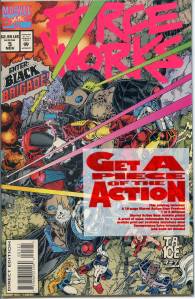
The first version of Force Works first appeared in the comic bookseriesForce Works #1 (July 1994) where they were created by writers Dan Abnett and Andy Lanning and initially drawn by Tom Tenney.[1] The team was formed from the remains of the West Coast Avengers, after leader Iron Manleft the Avengers due to an internal dispute. Force Works maintained a different outlook than the Avengers, trying to preempt natural and man-made disasters.
The second version of Force Works was mentioned in Civil War #6.