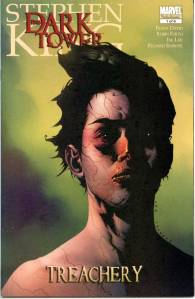
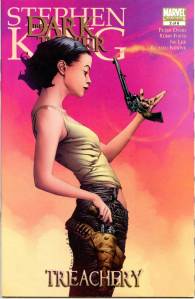
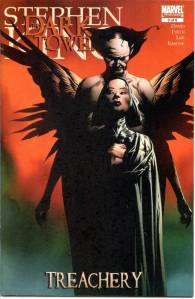
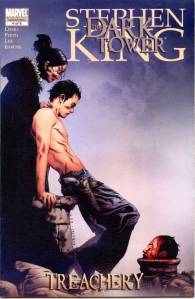
Whereas The Gunslinger Born was largely based on the events of The Dark Tower IV: Wizard and Glass, Treachery, like The Long Road Home, consists mostly of new material not found in any of the novels.
The story depicts the ka-tet of Roland Deschain, Alain Johns and Cuthbert Allgood dealing with the events following their return to Gilead from Hambry, including the toll that Maerlyn’s Grapefruit has taken on Roland’s health, his obsessive desire to continue peering into its depths, and the search for John Farson and the Big Coffin Hunters.
The Dark Tower – Treachery #1 NM $4The Dark Tower – Treachery #2 NM $4The Dark Tower – Treachery #3 NM $4The Dark Tower – Treachery #4 NM $4The Dark Tower – Treachery #5 NM $4The Dark Tower – Treachery #6 NM $4
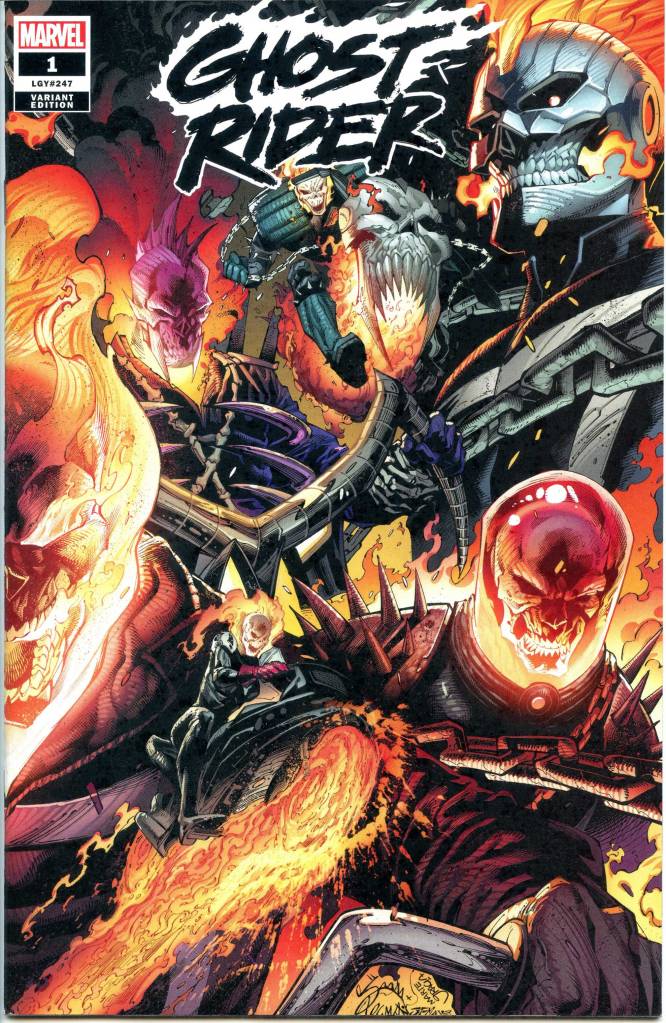
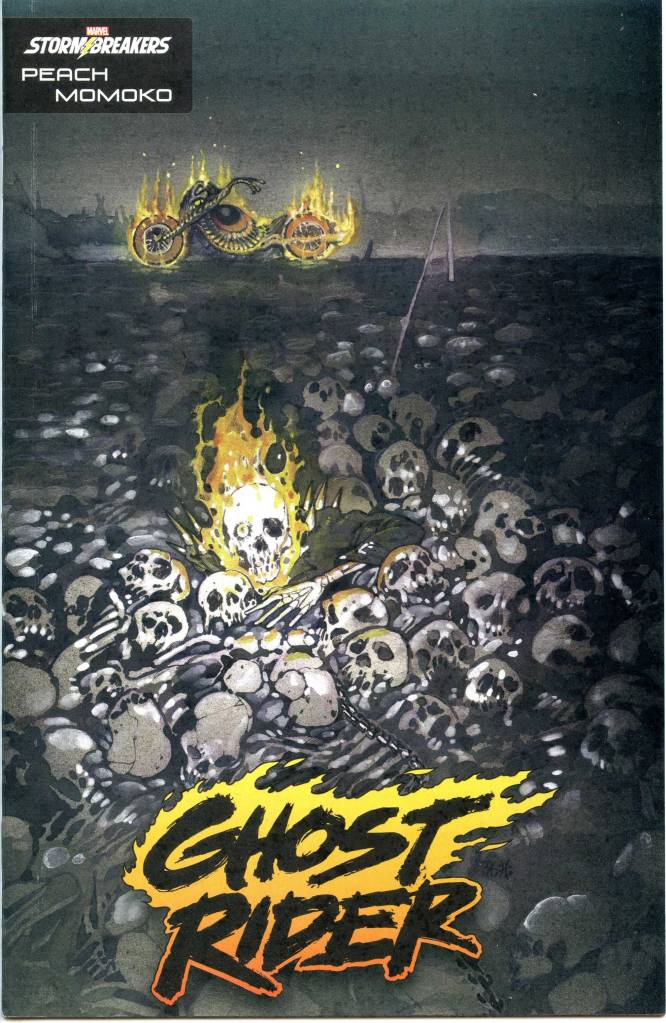
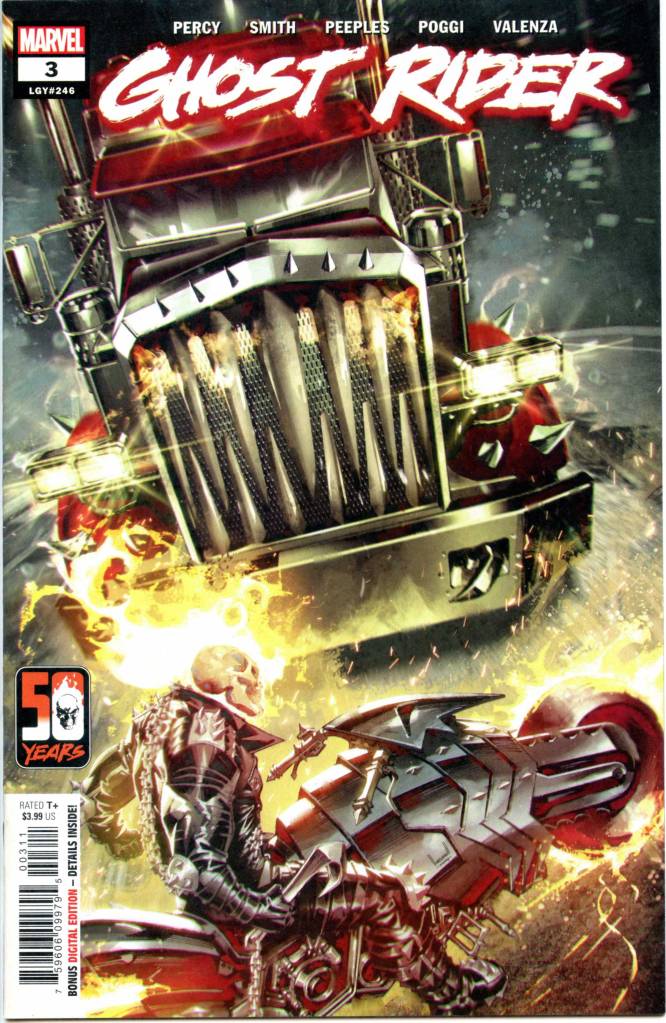
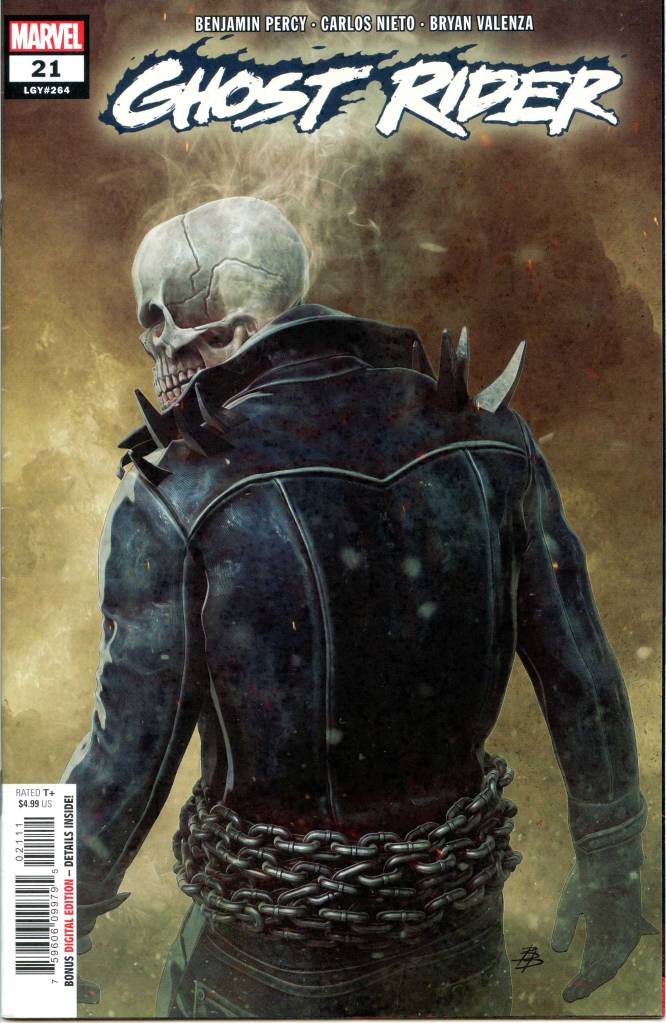
Johnny Blaze has the perfect life: a wife and two kids, a job at an auto repair shop and a small-town community that supports him… But Johnny isn’t doing well. He has nightmares of monsters when he sleeps. And he sees bloody visions when he’s awake. This life is beginning to feel like a prison. And there’s a spirit in him that’s begging to break out!
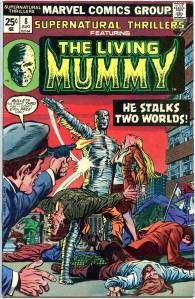
Supernatural Thrillers ran 15 issues (cover-dated December 1972 – October 1975). The title was one of four launched by Marvel Comics editor-in-chief Roy Thomas to form a line of science fiction and horroranthologies with more thematic cohesiveness than the company’s earlier attempts that decade, which had included the series Chamber of Darkness and Tower of Shadows. Whereas those titles generally presented original stories, these new books would instead adapt genre classics and other stories.
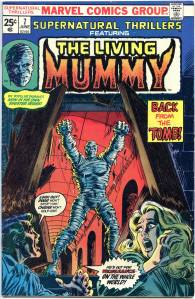
Issue #5 (August 1973) introduced the Living Mummy in a standalone story about an African tribal prince enslaved by Egyptians and mummified by an evil priest, who eventually reawakens in modern times. The character, created by writer Steve Gerber and penciler Rich Buckler, returned two issues later as the starring character in a generally 15-page solo series that ran from #7 to the final issue, #15 (June 1974 – October 1975). The cover logo during this time was “Supernatural Thrillers featuring The Living Mummy”.
Strange Tales switched to superheroes during the Silver Age of Comic Books, retaining the sci-fi, suspense and monsters as backup features for a time. Strange Tales‘ first superhero, in 12- to 14-page stories, was the Fantastic Four‘s Human Torch, Johnny Storm, beginning in #101 (Oct. 1962). Here, Johnny still lived with his elder sister, Susan Storm, in fictional Glenview, Long Island, New York, where he continued to attend high school and, with youthful naivete, attempted to maintain his “secret identity” (later retconned to reveal that his friends and neighbors knew of his dual identity from Fantastic Four news reports, but simply played along).
The title became a “split book” with the introduction of sorcerer Doctor Strange, by Lee and artist Steve Ditko. This 9- to 10-page feature debuted in #110 (July 1963), and after an additional story and then skipping two issues returned permanently with #114. Ditko’s surrealistic mystical landscapes and increasingly head-trippy visuals helped make the feature a favorite of college students, according to Lee himself. Eventually, as co-plotter and later sole plotter, in the “Marvel Method“, Ditko would take Strange into ever-more-abstract realms, which yet remained well-grounded thanks to Lee’s reliably humanistic, adventure/soap opera dialog. Adversaries for the new hero included Baron Mordo introduced in issue #111 (Aug. 1963) and Dormammu in issue #126 (Nov. 1964). Clea, who would become a longtime love interest for Doctor Strange, was also introduced in issue #126.
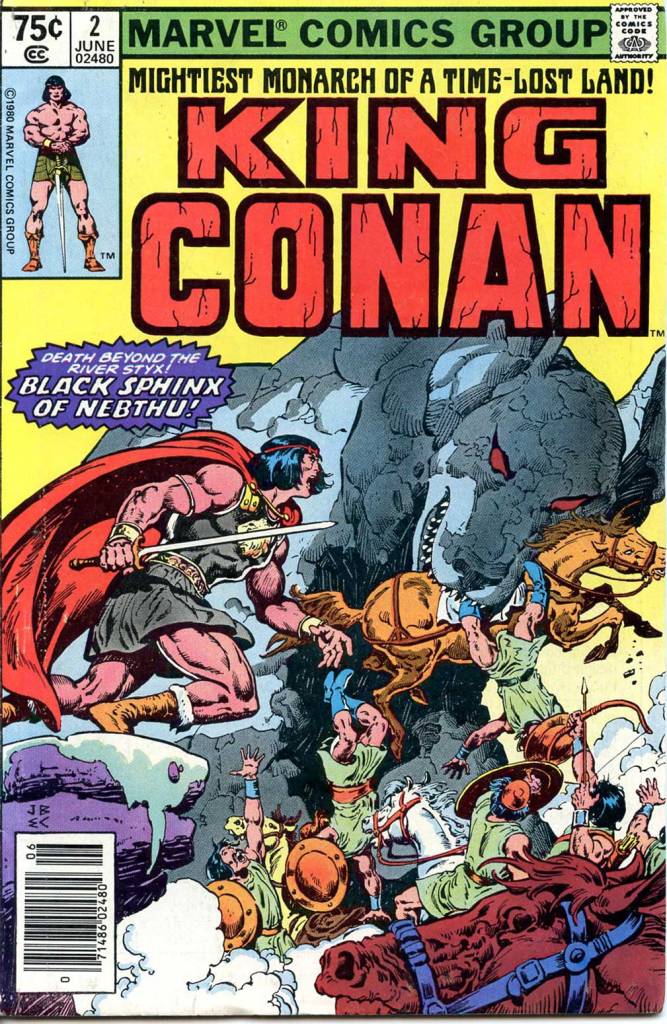
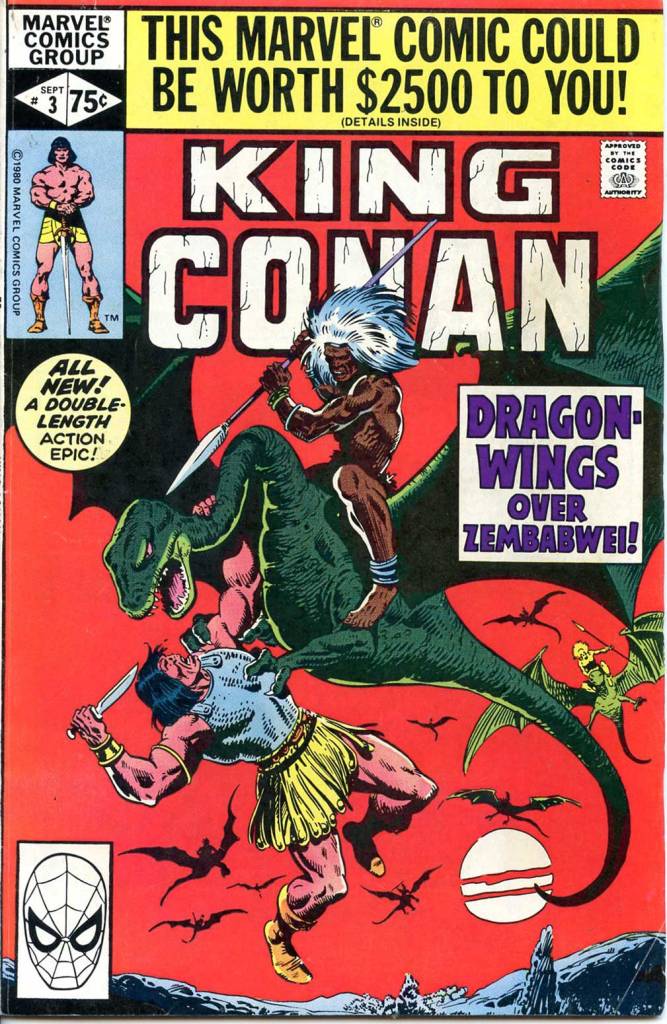
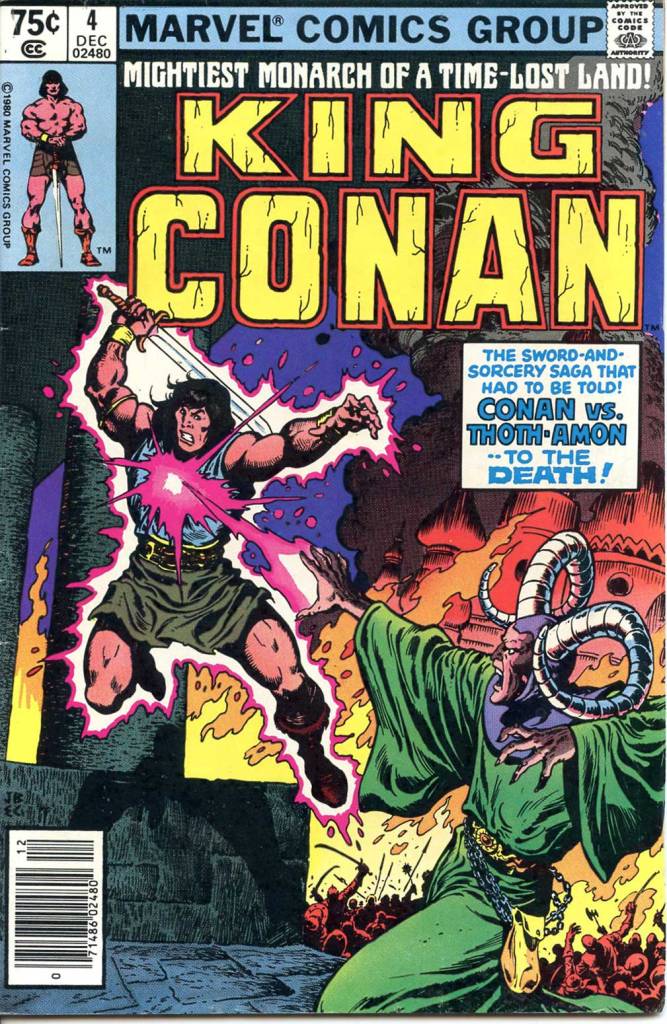
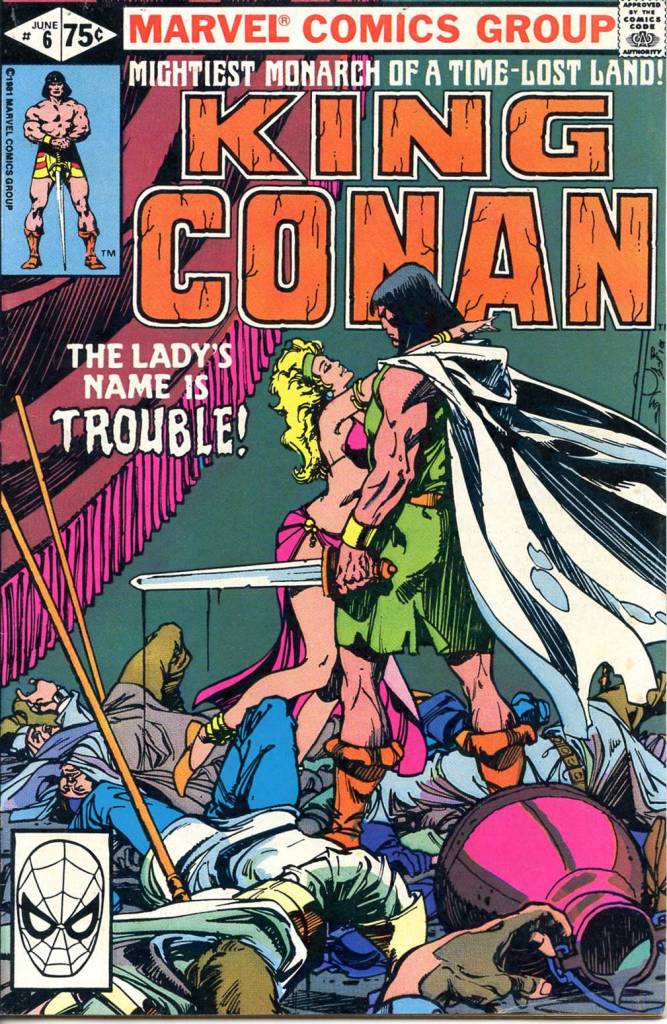
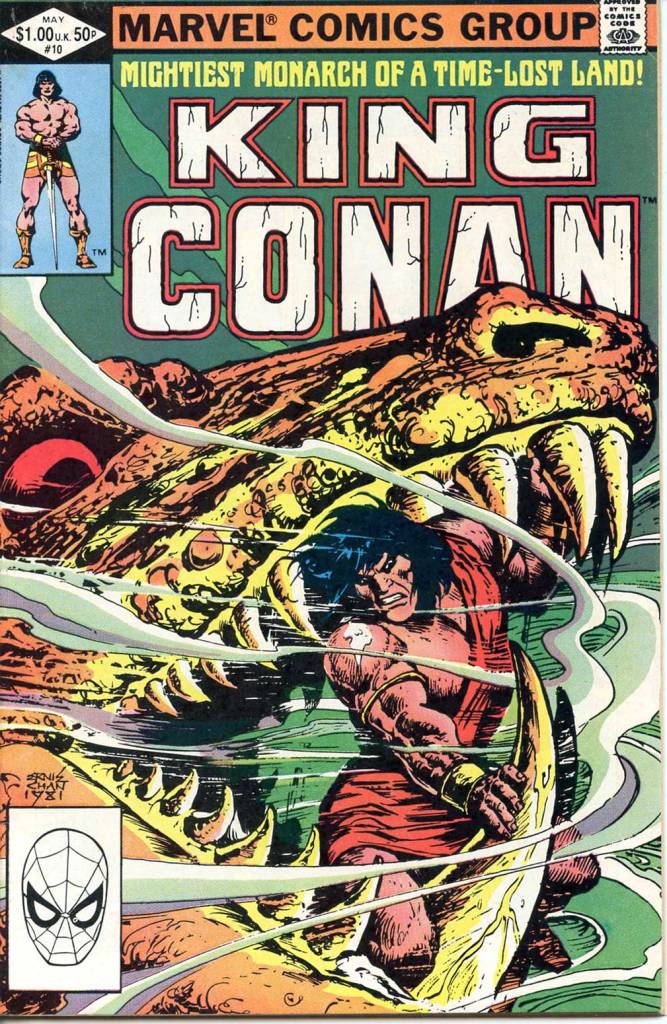
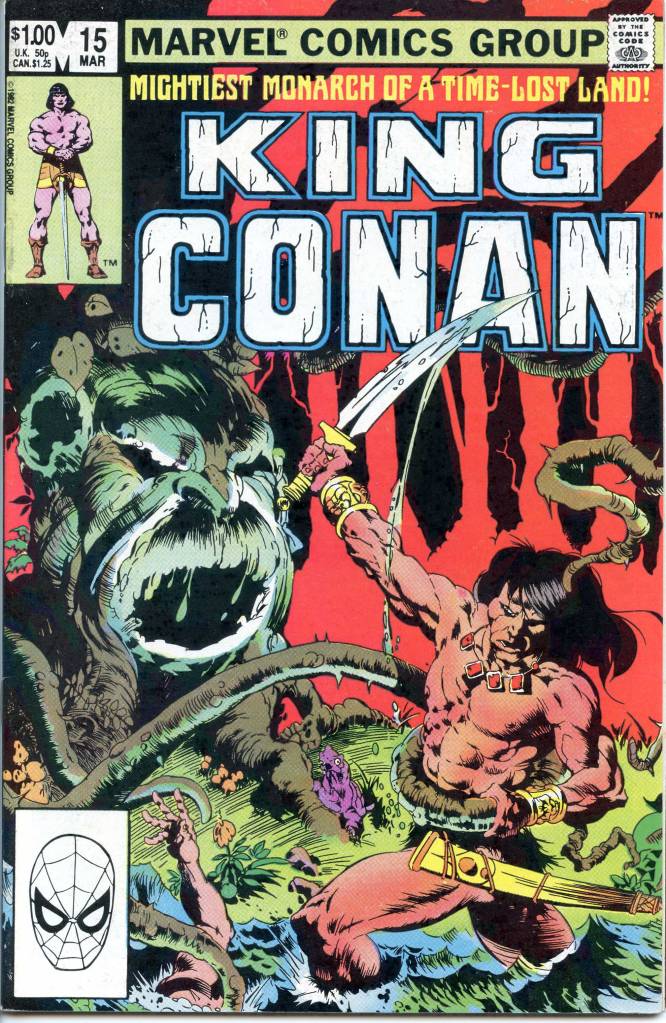
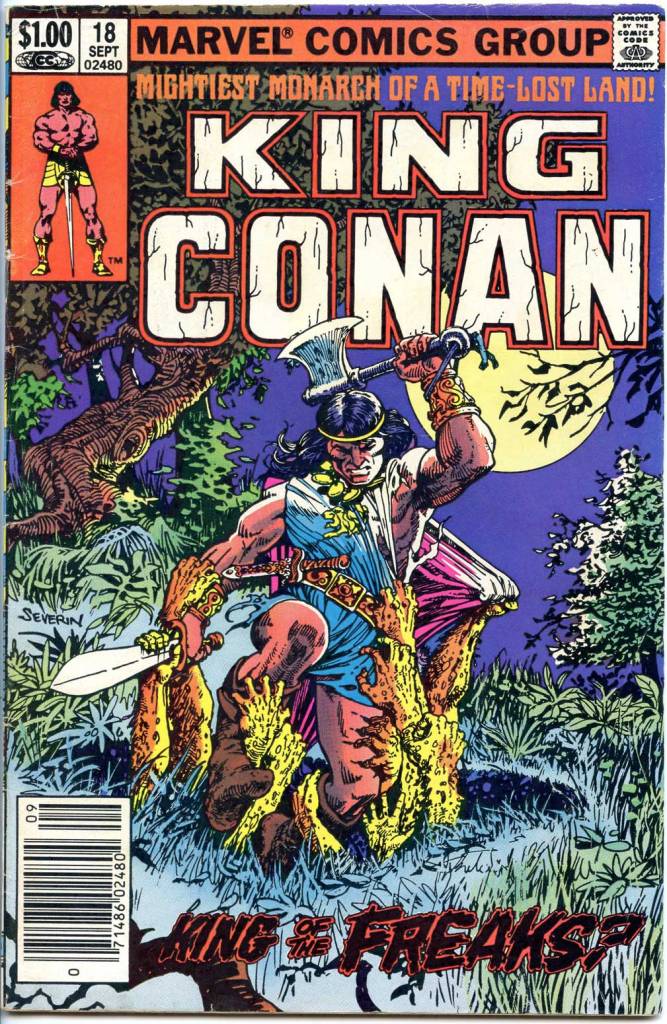
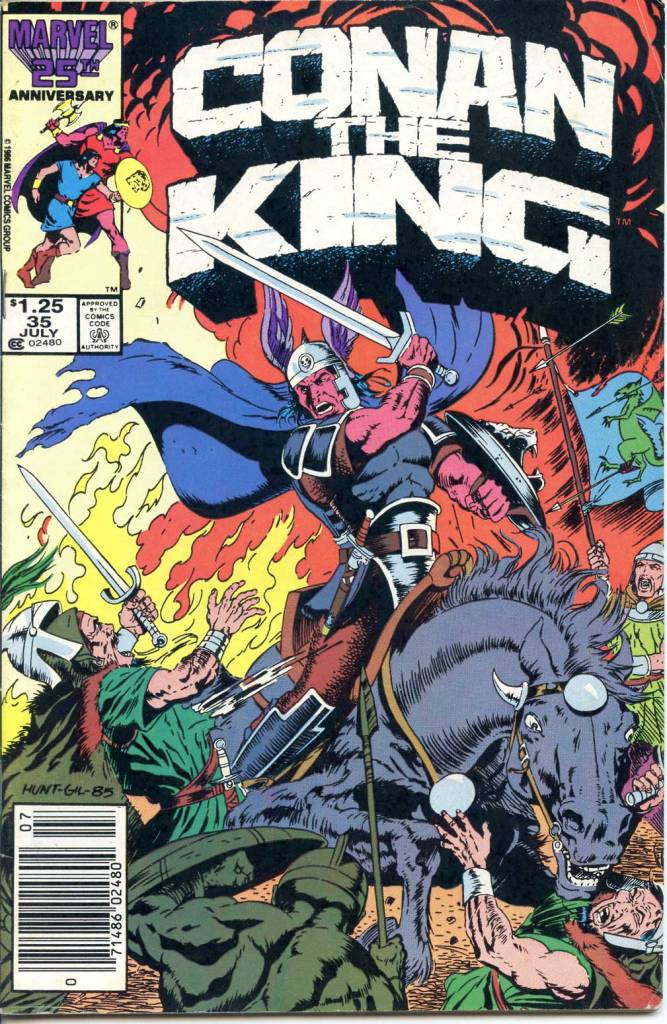
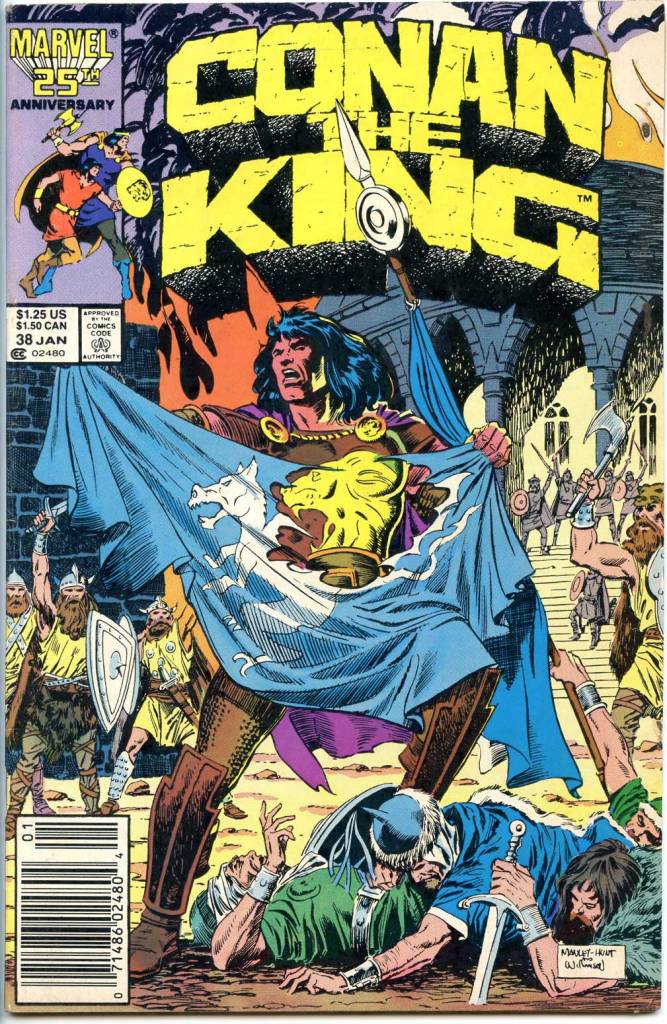
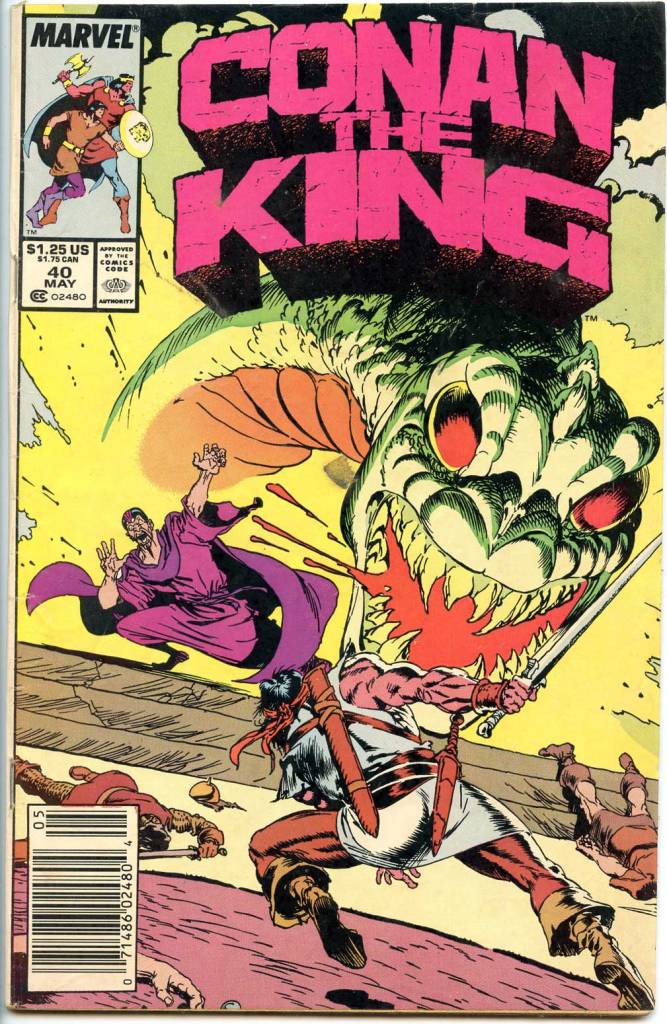
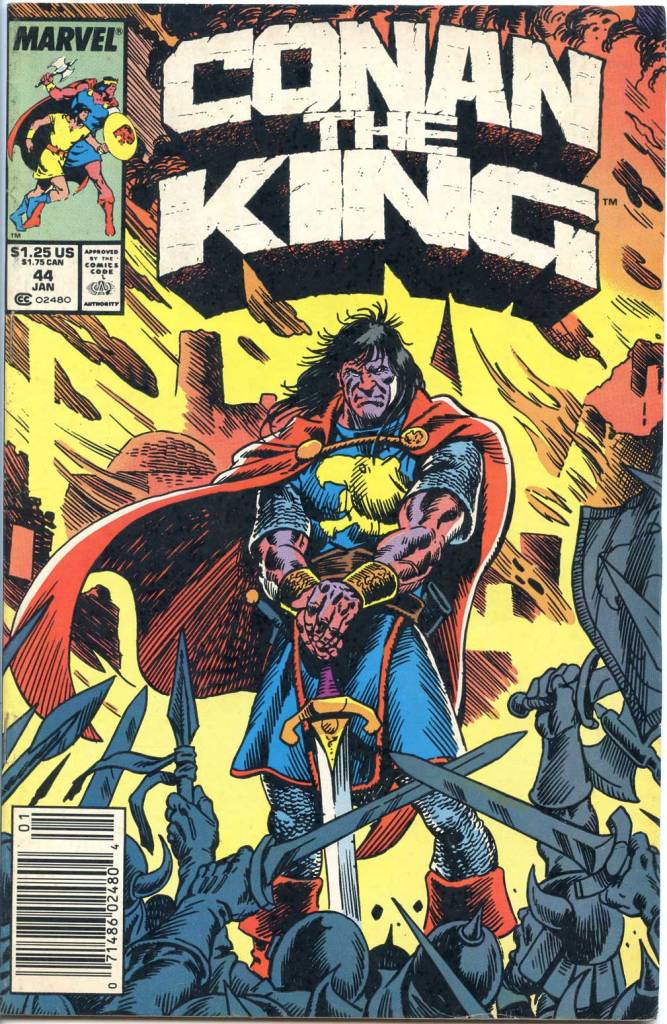
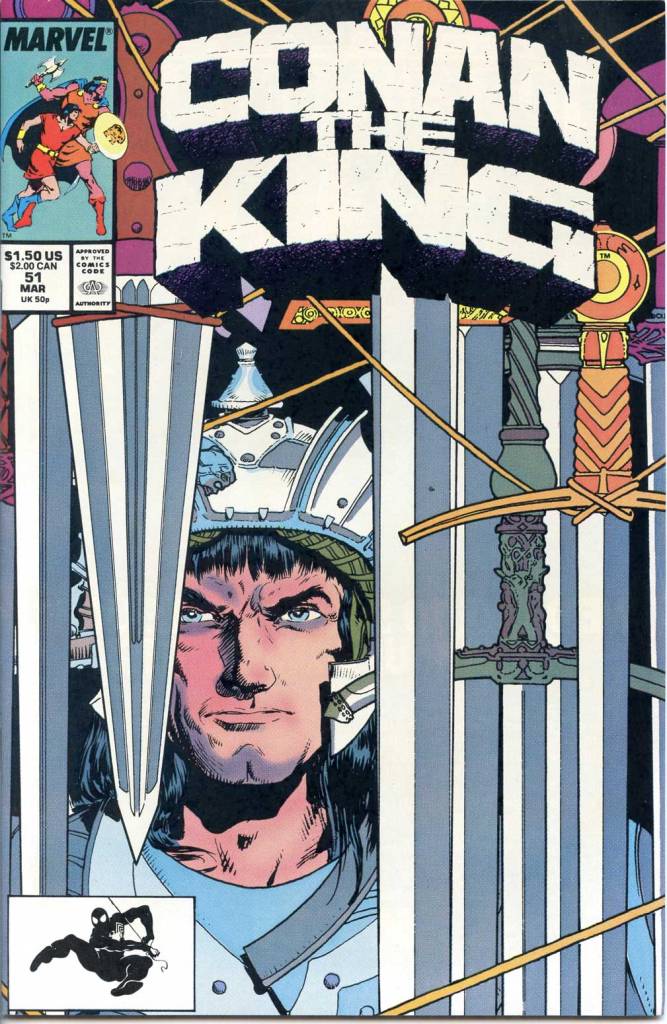
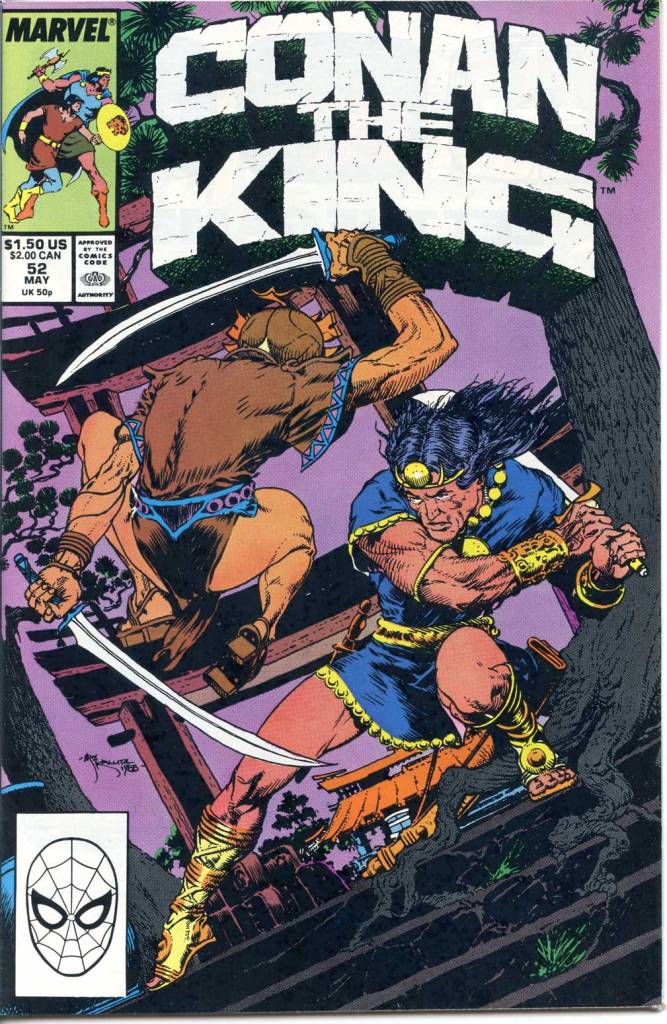
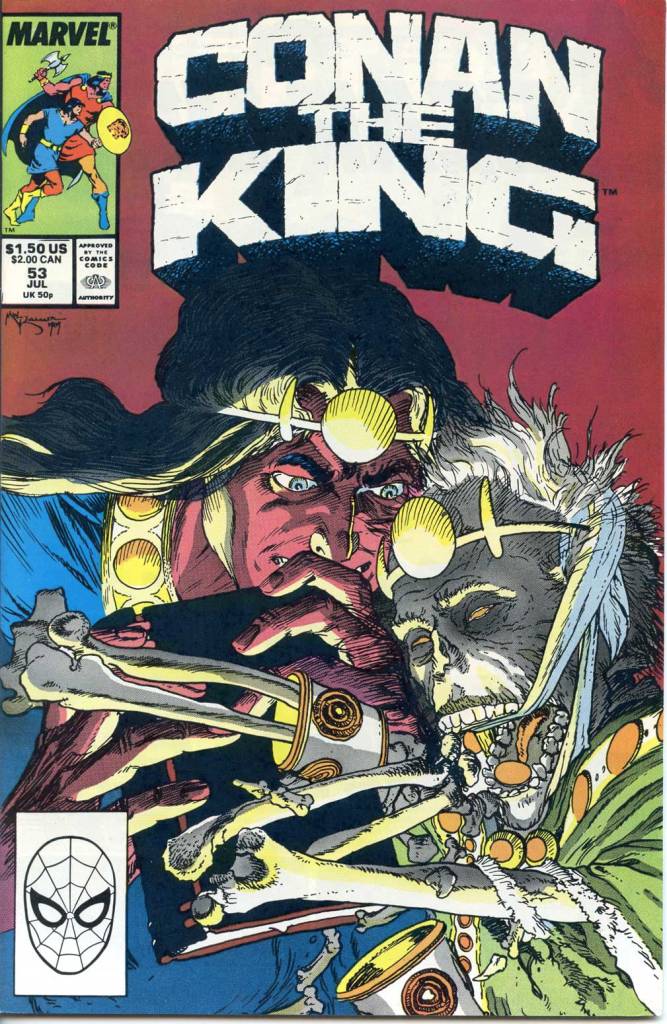
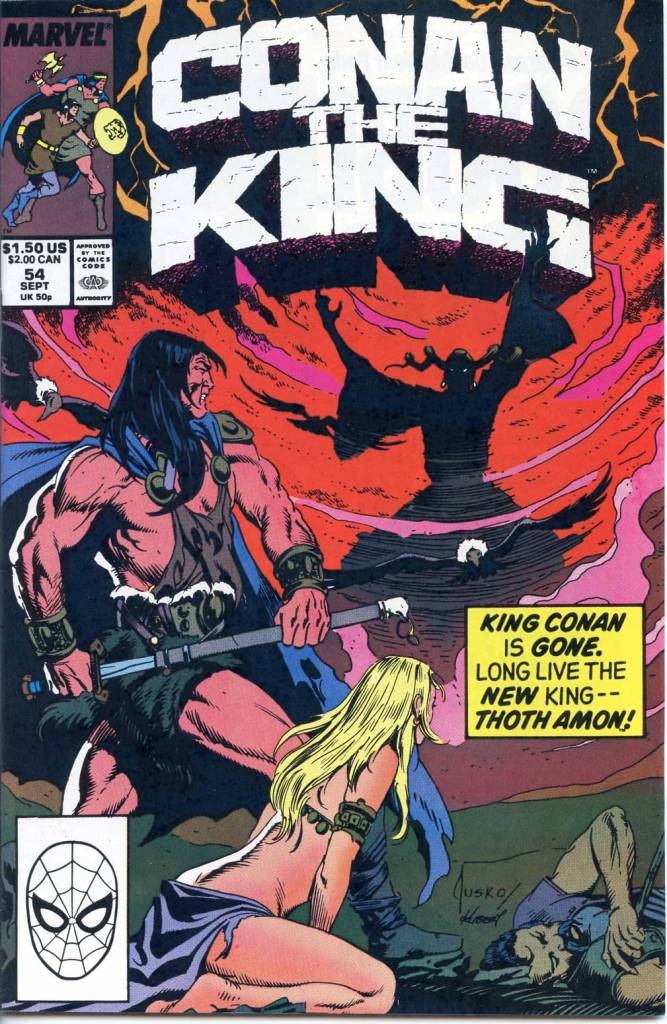
King Conan #2 VF $4King Conan #3 VF $3King Conan #4 F-VF $2King Conan #6 VF $4King Conan #10 VF-NM $5King Conan #15 VF $5King Conan #18 F+ $2Conan the KIng #35 VF- $4Conan the King #38 F+ $2Conan the King #40 F+ $2Conan the King #44 F+ $2Conan the King #51 NM $8Conan the King #52 NM- $7Conan the King #53 NM $11Conan the King #54 NM $12
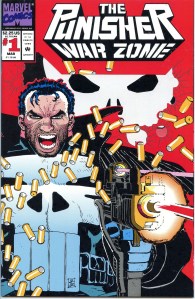
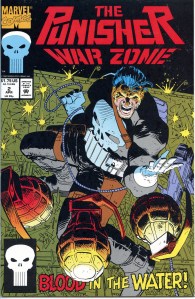
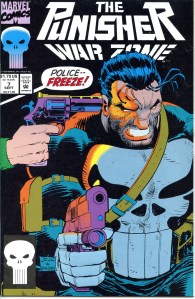
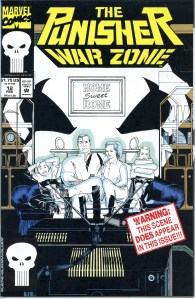
Punisher War Zone ran for 41 issues with two 64-page annuals. Multiple writers contributed to this series during its three-year run from 1992 to 1995. The series served mainly as a vehicle for longtime Marvel artist John Romita, Jr., who had returned to Marvel after a lengthy hiatus from drawing a monthly title. In 2009, Marvel published a 6-issue limited series under the same title. The storyline was called “The Resurrection of Ma Gnucci“.
Punisher War Zone #1 NM $5Punisher War Zone #2 NM $3Punisher War Zone #7 NM $5Punisher War Zone #12 NM $3Punisher War Zone #13 NM $3Punisher War Zone #24 NM $3Punisher War Zone #25 NM $4Punisher War Zone #37 NM $8Punisher War Zone #40 NM $8Punisher War Zone #41 NM $18
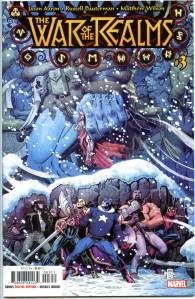
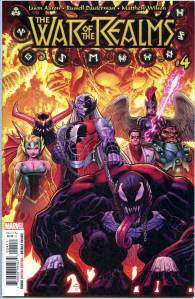
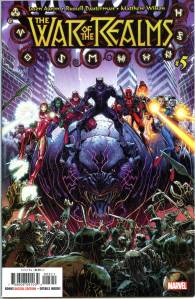
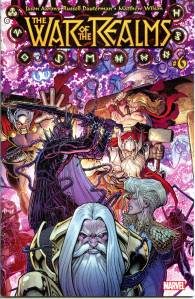
The dark elf Malekith wages a war that has spread from one otherworldly realm to the next, setting them all ablaze, and now it’s time for that war to finally explode into the last realm standing: ours. All the worst monsters from the Ten Realms come pouring in over the globe, and it will take the biggest heroes in the Marvel Universe to stop them from conquering Earth – and the whole realm!
The War of the Realms #2 NM $5The War of the Realms #3 NM $5The War of the Realms #4 NM $5War of the Realms #5 NM $5War of the Realms #6 NM $5
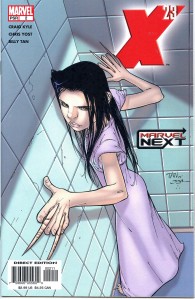
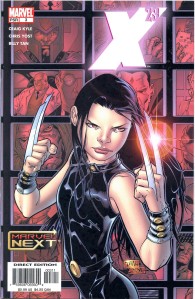
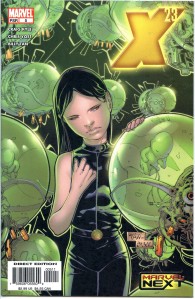
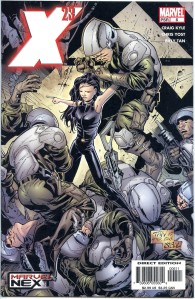
In X-23: “Innocence Lost”, a top-secret program is tasked to replicate the original Weapon X experiment that bonded adamantium to the skeleton of Wolverine. The project is taken in a new direction: Dr. Martin Sutter recruits renowned mutant geneticist Doctor Sarah Kinney to develop a clone of Wolverine. Also on the team is Sutter’s protege, Dr. Zander Rice, who was raised by Sutter after his father was killed by the original Weapon X.
Since the only genetic sample from Weapon X is damaged, Kinney is unable to salvage the Ychromosome. Kinney proposes the creation of a female genetic twin. Her request is denied; Rice is opposed to the idea. After 22 failed attempts at reconstituting the DNA using a duplicate X chromosome, the 23rd sample yields a viable sample to combine with an embryo. Although Kinney is allowed to proceed, Rice exacts revenge for her insubordination by forcing her to act as the surrogate mother of the specimen. For nine months, Kinney’s every move is monitored. Finally, she gives birth to “X-23”
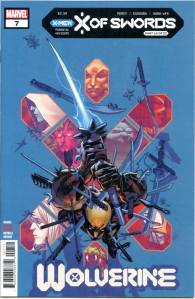
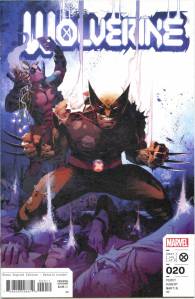
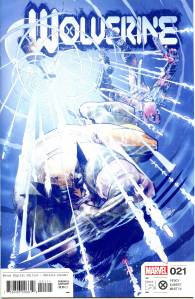
Wolverine has been through a lot. He’s been a loner. He’s been a killer. He’s been a hero. He’s been an Avenger. He’s been to hell and back. Now, as the nation of Krakoa brings together all Mutantkind, he can finally be… happy? With his family all together and safe, Wolverine has everything he ever wanted… and everything to lose. Writer Benjamin Percy and artist Adam Kubert bring the best there is to his new home! PLUS: The return of OMEGA RED!
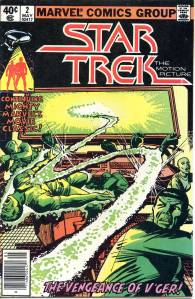
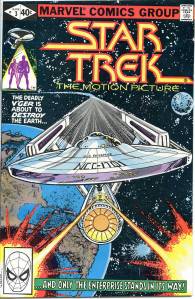
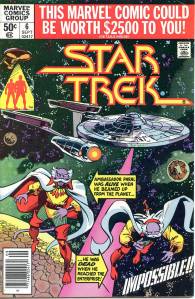
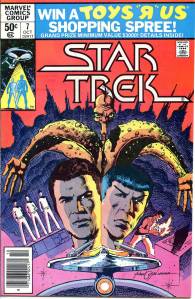
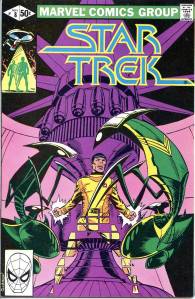
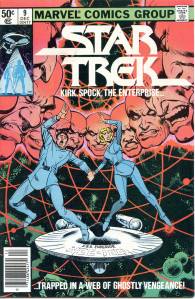
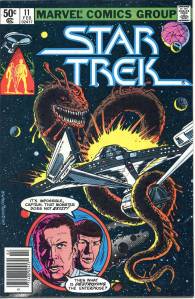
Marvel’s series of Star Trek comics began in 1979 with an adaptation of Star Trek: The Motion Picture and continued for another two years. These tales take place during a second five-year mission of Kirk and the Enterprise that would have been featured in the never-produced Star Trek: Phase II TV series. Marvel’s license from Paramount prohibited them from using concepts introduced in the original series. They were only allowed to use the characters and concepts from Star Trek: The Motion Picture. The series lasted 18 issues and ended in 1981.














 EHT Comics