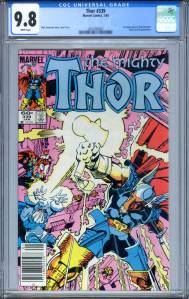
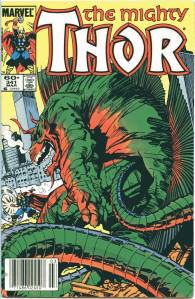
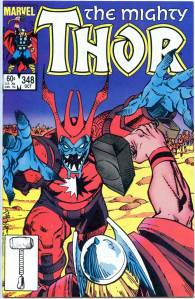
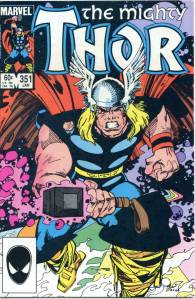
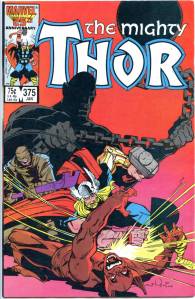
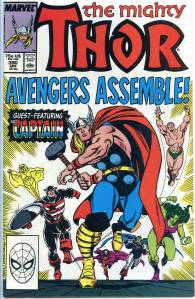
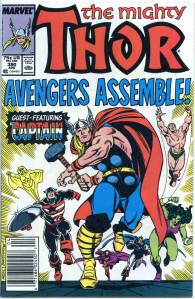
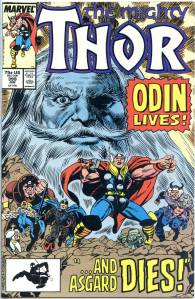
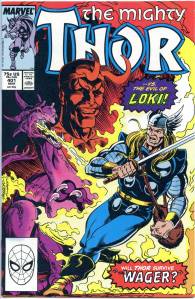
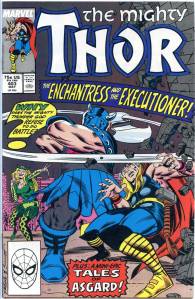
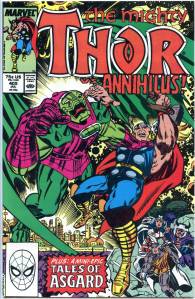
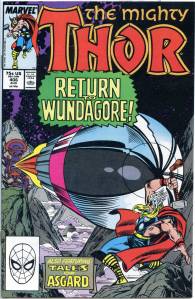
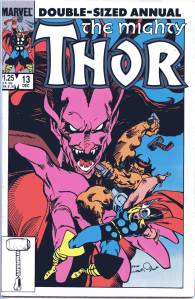
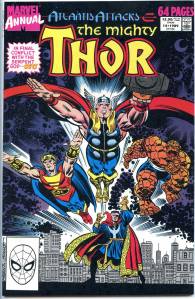
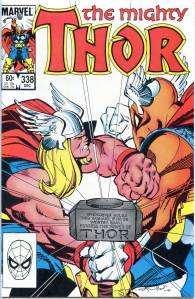
Walt Simonson took over both writing and art as of #337 (Nov. 1983). His stories placed a greater emphasis on the character’s mythological origins. Simonson’s run as writer-artist lasted until #367 (May 1986), although he continued to write – and occasionally draw – the book until issue #382 (Aug. 1987). Simonson’s run, which introduced the character Beta Ray Bill, was regarded as a popular and critical success. Simonson’s later stories were drawn by Sal Buscema, who describes Simonson’s stories as “very stimulating. It was a pleasure working on his plots, because they were a lot of fun to illustrate. He had a lot of great ideas, and he took Thor in a totally new direction.” Asked why he was leaving Thor, Simonson said that he felt the series was due for a change in creative direction, and that he wanted to reduce his work load for a time. After Simonson’s departure, Marvel’s editor-in-chief at the time, Tom DeFalco, became the writer. Working primarily with artist Ron Frenz, DeFalco stayed on the book until #459 (Feb. 1993).
Category: Marvel
X-Factor V4 (2020)
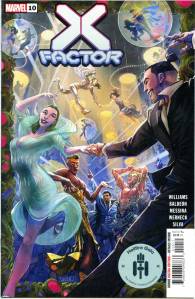
X-Factor was relaunched in July 2020 as part of Dawn of X written by Leah Williams and drawn by David Baldeon. The new team investigates cases of missing mutants and presumed deaths for Krakoa, confirming if they can be resurrected. The team works closely with The Five, a circuit of mutants introduced in House of X/Powers of X working in conjunction to resurrect fallen mutants.
Captain America V1 (1990’s)
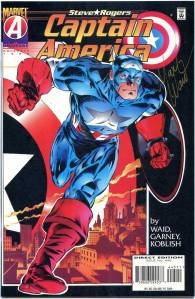
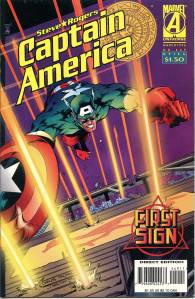
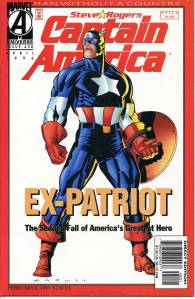
Following Mark Gruenwald’s departure from the series, Mark Waid took over and resurrected Sharon Carter as Cap’s love interest. The title was then relaunched under Rob Liefeld as Cap became part of the Heroes Reborn universe for 13 issues before another relaunch restored Waid to the title in an arc that saw Cap lose his shield for a time using an energy based shield as a temporary replacement.
Secret Wars (2015)
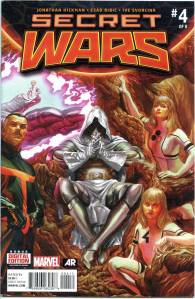
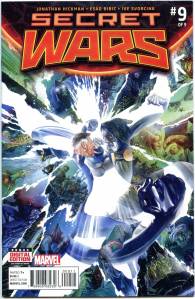
In May 2015, Marvel published a new Secret Wars miniseries, written by Jonathan Hickman and drawn by Esad Ribić, that picked up from where the “Time Runs Out” storyline running in Avengers and New Avengers at the time had ended. The storyline involved the Marvel Universe combining with other alternate universes, including the Ultimate Universe, as well as the 2099 Universe, to form Battleworld, a world which exhibits aspects of the various universes. The core limited series was nine issues long, and ran for eight months, ending in January 2016. One of the core miniseries, Ultimate End, had ended the Ultimate Marvel imprint after 15 years at the time. Ultimate End is written by Brian Michael Bendis and artist Mark Bagley, the team that began the Ultimate Marvel universe with Ultimate Spider-Man.
Journey Into Mystery (2009)
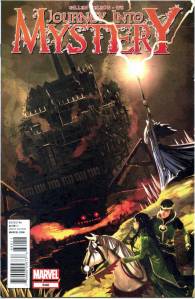
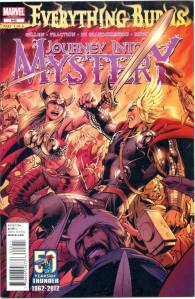
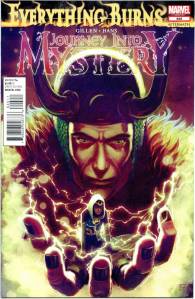
The Thor title resumed its original numbering in 2009 with Thor #600, including the intervening issues of Thor in its count while disregarding the 1990s Journey Into Mystery issues. Starting with issue #622, the series for a second time had its title restored to Journey Into Mystery, which accompanied the launch of a new title, Mighty Thor. Thor’s supporting cast returned as the focus of a run written by Kieron Gillen, who had written Thor from #604 to #614, and drawn by Doug Braithwaite. Starring was the Thor antagonist Loki, who had been reincarnated as a child following his sacrifice in the series Siege. Gillen’s run was favorably reviewed, with one critic writing:
Gillen’s work has always been big on theme and interconnectedness, and this is no exception. The finale encapsulates the run as a whole — ambitious, ambiguous, clever and uncompromising, as challenging as it is entertaining. Sometimes those qualities hurt it, and although sales were never especially healthy it’s to Marvel’s credit that they helped keep it afloat long enough for a proper ending when the alternative would have surely been easier.
In Gillen’s final issue, a letter from Tom Hiddleston, who portrays Loki in the Marvel Cinematic Universe, was published, in which he praised Gillen for his take on the character.
With issue #646, the focus of Journey into Mystery changed with its rebranding under the Marvel NOW! imprint. Written by Kathryn Immonen and drawn by Valerio Schiti, the series began starring the Marvel Asgardians, with the Lady Sif as its lead character. The series was cancelled with issue #655 (Oct. 2013).
Amazing Spider-Man V4 (2015)
Following the 2015 Secret Wars event, a number of Spider-Man-related titles were either relaunched or created as part of the “All-New, All-Different Marvel” event. Among them, The Amazing Spider-Man was relaunched as well and primarily focuses on Peter Parker continuing to run Parker Industries, and becoming a successful businessman who is operating worldwide. It also tied with Civil War II (involving an Inhuman who can predict possible future named Ulysses Cain), Dead No More (where Ben Reilly [the original Scarlet Spider] revealed to be revived and as one of the antagonists instead), and Secret Empire (during Hydra’s reign led by a Hydra influenced Captain America/Steve Rogers, and the dismissal of Parker Industries by Peter Parker in order to stop Otto Octavius).
Fantastic Four V2 (1996)
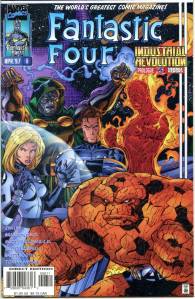
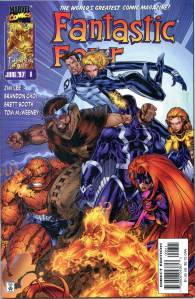
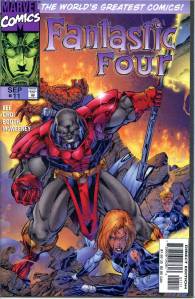
The ongoing series was canceled with issue #416 (Sept. 1996) and relaunched with vol. 2 #1 (Nov. 1996) as part of the multi-series “Heroes Reborn” crossover story arc. The yearlong volume retold the team’s first adventures in a more contemporary style, and set in a parallel universe. Following the end of that experiment, Fantastic Four was relaunched with vol. 3 #1 (Jan. 1998).
Punisher V5 (2000)
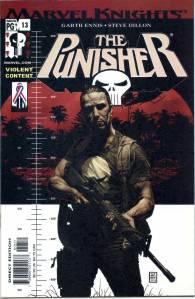
Frank Castle has gone back to basics. Back in New York, back from the dead and back doing what he does best: exterminating bad guys and waging his personal war on crime. And just wait until you check out Frank’s new bachelor pad – with his roommate Death! It’s a gritty tale of bullet-ridden, gut-wrenching action as you like it!
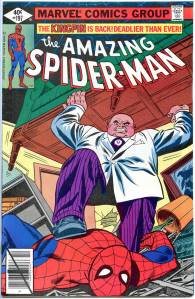
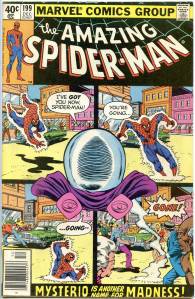
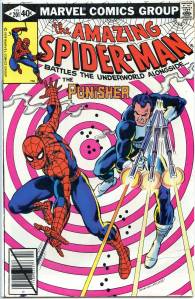
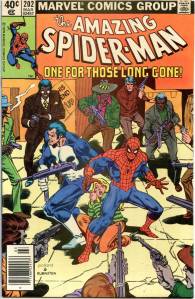
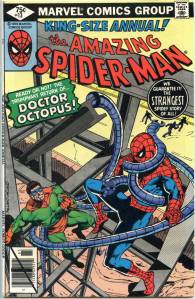
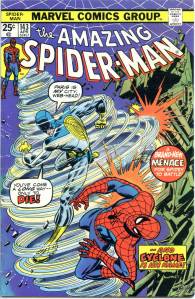
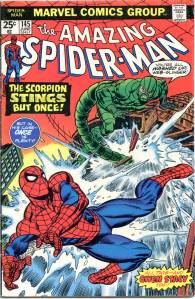
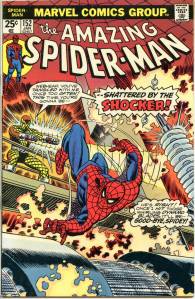
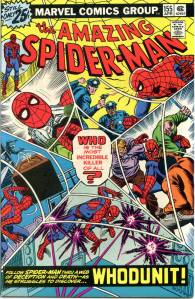
Amazing Spider-Man (1970’s)
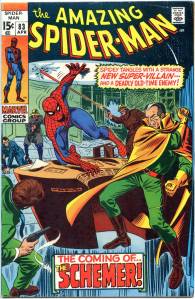
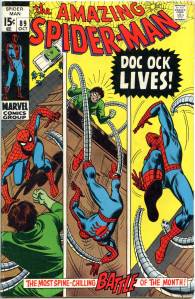
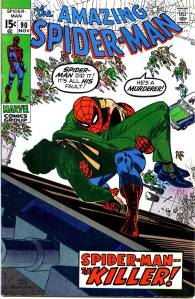
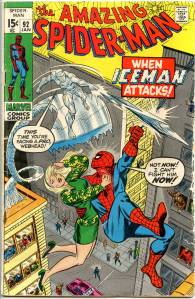
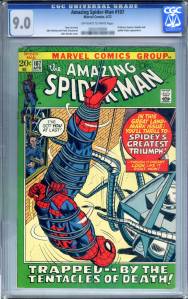
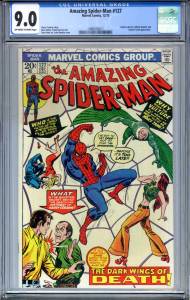
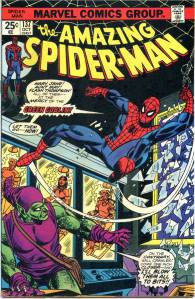
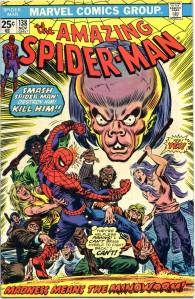
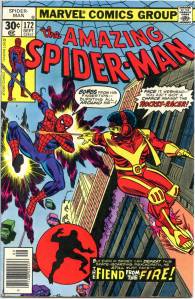
An early 1970s Spider-Man story led to the revision of the Comics Code. Previously, the Code forbade the depiction of the use of illegal drugs, even negatively. However, in 1970, the Nixon administration’s Department of Health, Education, and Welfare asked Stan Lee to publish an anti-drug message in one of Marvel’s top-selling titles. Lee chose the top-selling The Amazing Spider-Man; issues #96–98 (May–July 1971) feature a story arc depicting the negative effects of drug use. In the story, Peter Parker’s friend Harry Osborn becomes addicted to pills. When Spider-Man fights the Green Goblin (Norman Osborn, Harry’s father), Spider-Man defeats the Green Goblin, by revealing Harry’s drug addiction. While the story had a clear anti-drug message, the Comics Code Authority refused to issue its seal of approval. Marvel nevertheless published the three issues without the Comics Code Authority’s approval or seal. The issues sold so well that the industry’s self-censorship was undercut and the Code was subsequently revised.
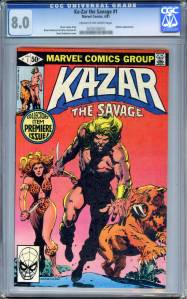
Ka-Zar the Savage (1981)
Ka-Zar is having a midlife crisis. He’s wondering if he should give up the jungle life and head to the comforts of modern civilization. He parts ways from Shanna for a bit to try and find Zabu, who has uncharacteristically wandered off.
The trail leads him to a vast new section of the Savage Land. We’ll eventually learn that it’s called Pangea,. He meets a woman called Leanne who owns a femal pet saber-tooth . He rescues her from some savages, but it turns out that she is the queen of a a large medieval city called Lemuria. They have a brief affair, but she leaves him because he’s too uncivilized.