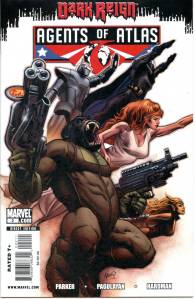
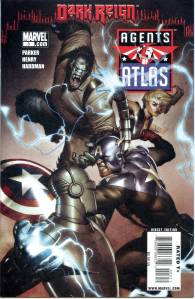
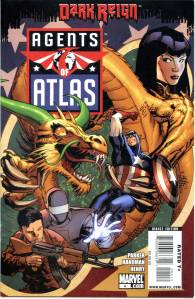
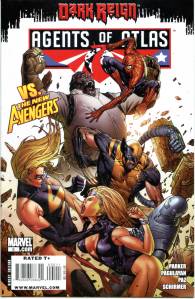
The heroes of the 1950s are back with big plans for the 21st Century! When Federal enforcers under the hand of Norman Osborn burst into an armory under the control of the Atlas Foundation, Jimmy Woo’s Agents go head-to-head with the new powers that be. How it all goes down will make the playing field of the modern Marvel Universe more volatile than ever!
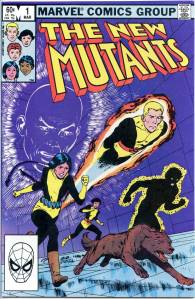
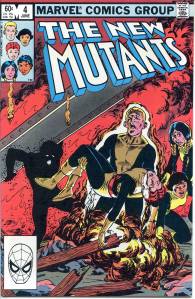
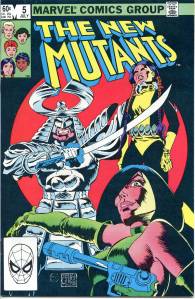
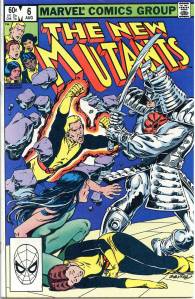
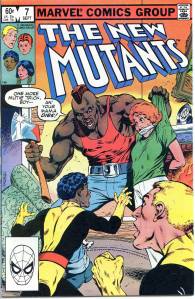
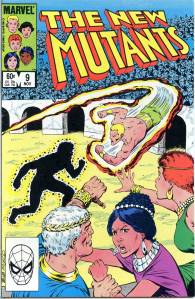
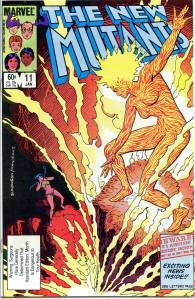
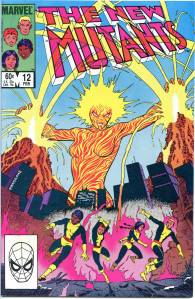
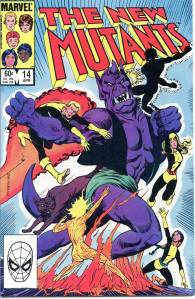
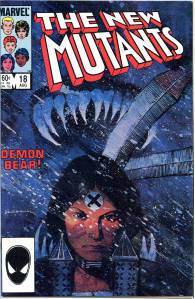
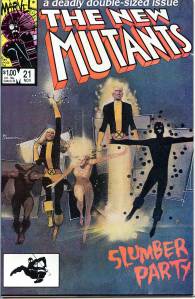
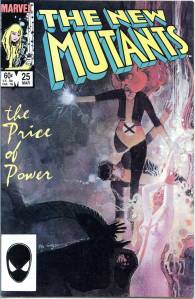
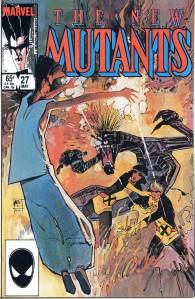
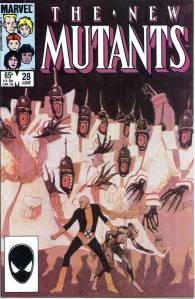
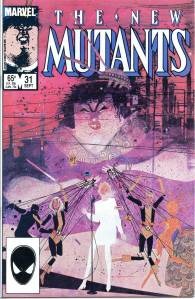
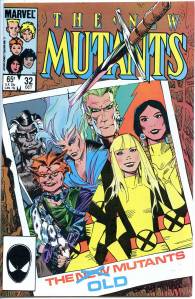
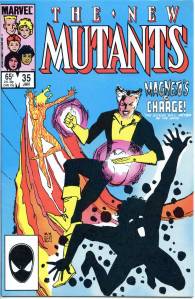
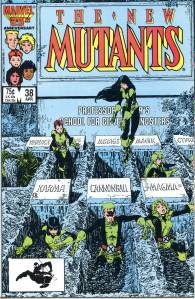
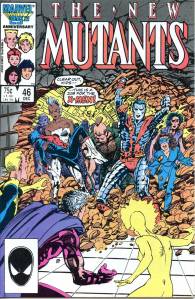
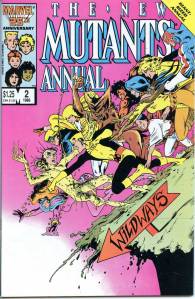
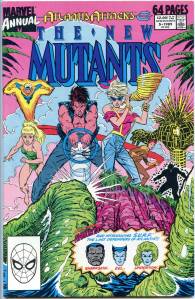
The first team of New Mutants characters was created by Chris Claremont and artist Bob McLeod. They first appeared in 1982’s Marvel Graphic Novel #4 and are subsequently featured in their own title from 1983 until 1991. Like its parent title, The New Mutants highlighted interpersonal and group conflict as well as action and adventure, and featured a large ensemble cast, including the introduction of cult figure Deadpool. With the end of the first series, the characters were relaunched as X-Force in a new, eponymous series.
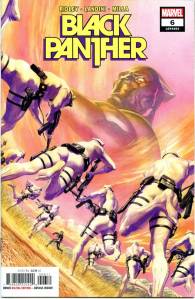
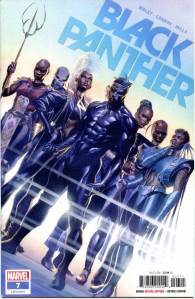
Fresh from returning from his travels in space, Black Panther receives an unexpected and urgent message from a Wakandan secret agent! Now T’Challa must race the clock not only to save his agent, but also to keep his true agenda under wraps. Because if the truth comes out, it could cost T’Challa everything…
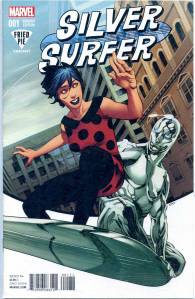
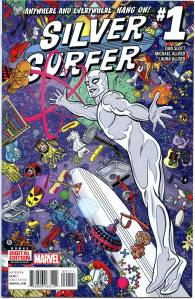
“Fantastic Planet”. The Surfer has taken Dawn Greenwood to the end of the universe, and now he’s going to show her the most fantastic planet of them all: Earth! It’s your homeworld like you’ve never seen it before: with monsters, magic and…a secret that will change everything!
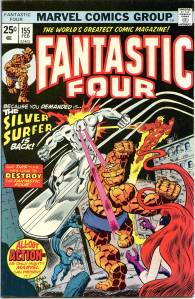
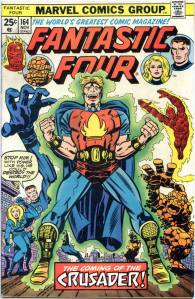
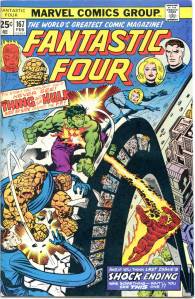
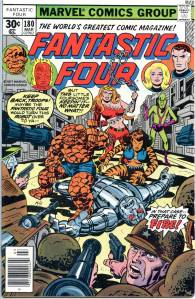
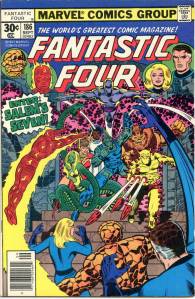
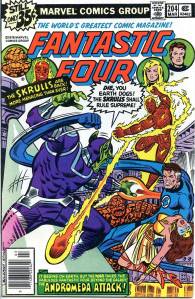
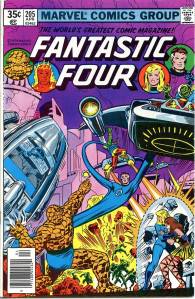
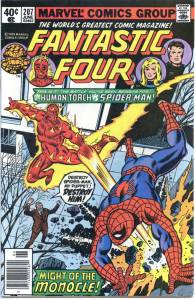
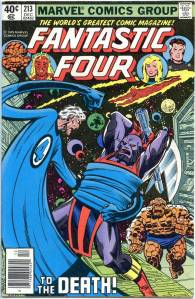
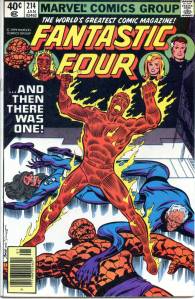
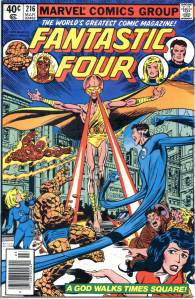
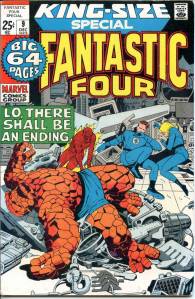
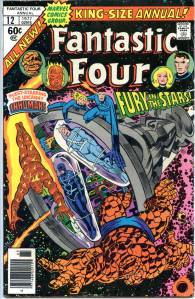
Stan Lee said he created a synopsis for the first Fantastic Four story that he gave to penciller Jack Kirby, who then drew the entire story. Kirby turned in his penciled art pages to Lee, who added dialogue and captions. This approach to creating comics, which became known as the “Marvel Method“, worked so well for Lee and Kirby that they used it from then on; the Marvel Method became standard for the company within a year.
Kirby recalled events somewhat differently. Challenged with Lee’s version of events in a 1990 interview, Kirby responded: “I would say that’s an outright lie”, although the interviewer, Gary Groth notes that this statement needs to be viewed with caution.Kirby claims he came up with the idea for the Fantastic Four in Marvel’s offices, and that Lee had merely added the dialogue after the story had been pencilled. Kirby has also sought to establish, more credibly and on numerous occasions, that the visual elements of the strip were his conceptions. He regularly pointed to a team he had created for rival publisher DC Comics in the 1950s, Challengers of the Unknown. “[I]f you notice the uniforms, they’re the same… I always give them a skintight uniform with a belt… the Challengers and the FF have a minimum of decoration. And of course, the Thing’s skin is a kind of decoration, breaking up the monotony of the blue uniform.” The characters wear no uniforms in the first two issues.
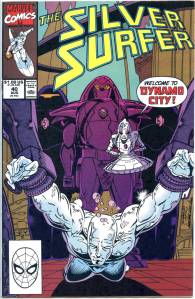
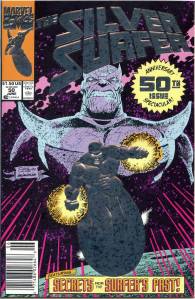
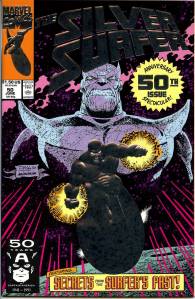
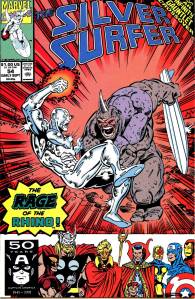
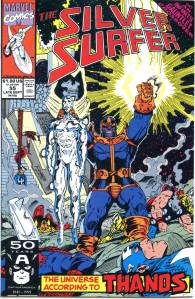
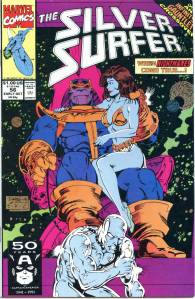
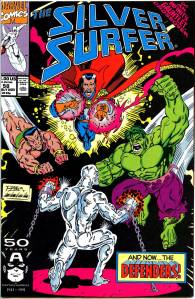
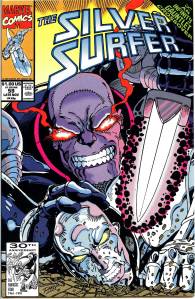
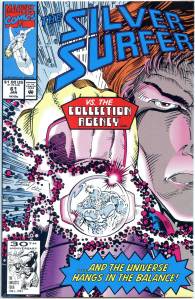
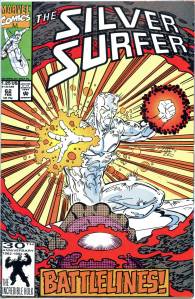
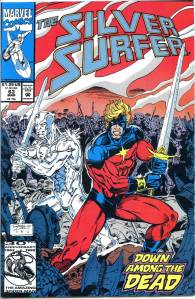
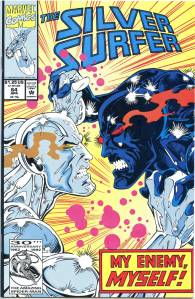
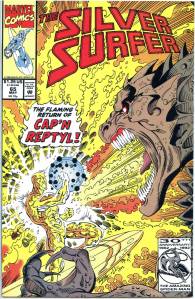
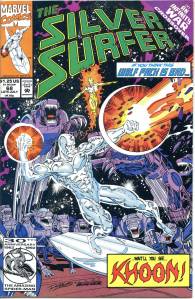
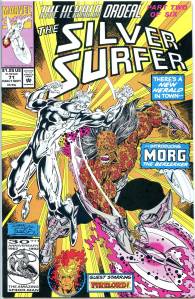
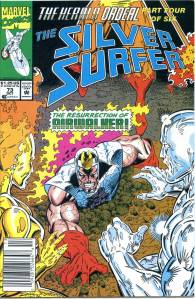
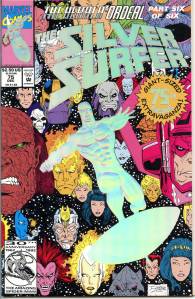
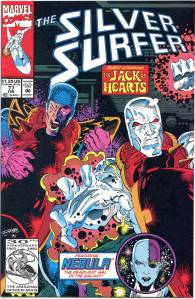
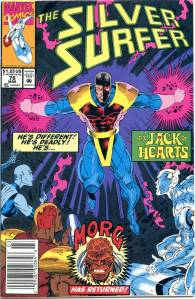
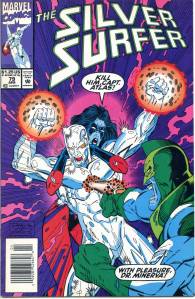
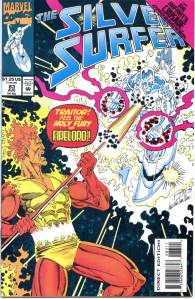
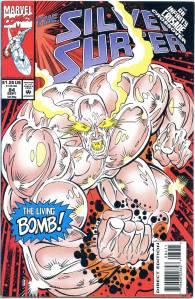
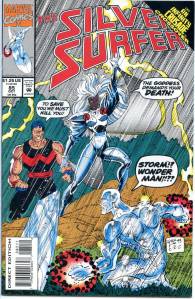
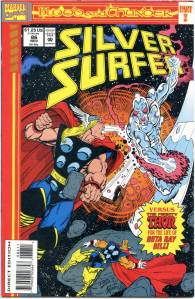
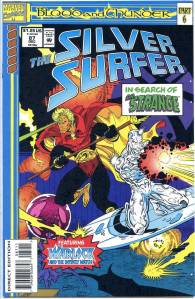
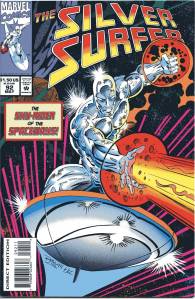
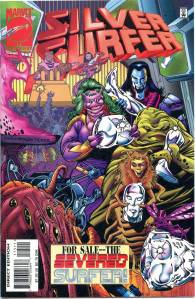
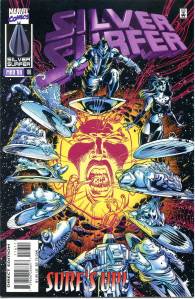
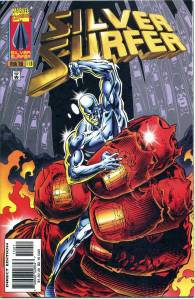
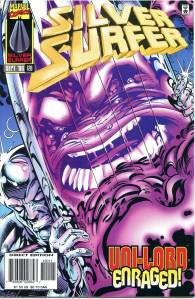
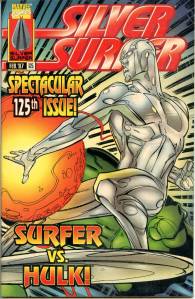
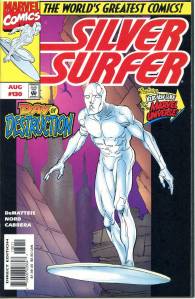
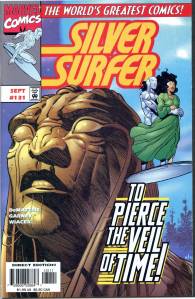
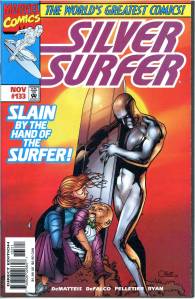
JIm Starlin took over as writer with issue #34 after several fill-in issues, and incorporated Thanos, Adam Warlock, and Drax the Destroyer into the series. Under Starlin and later Ron Marz, the series would receive acclaim and sales boost due to Silver Surfer’s involvement with Starlin’s Infinity Trilogy, with George Pérez and J. M. DeMatteis also having brief writing stints on the series as well. Additional artists included Tom Grindberg, Ron Garney, and Jon J. Muth, as well as periodic guest spots by John Buscema. The title experienced great initial success which allowed Marvel to push the character into other media, including a 1990 video game, 1992 trading card set, and 1998 animated series, as well as spinning off a variety of other comics series including Cosmic Powers, Cosmic Powers Unlimited, Captain Marvel vol. 2, and Star Masters. It ran 146 issues, through 1998.
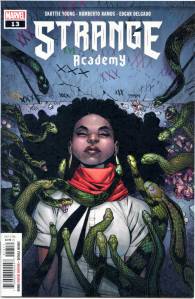
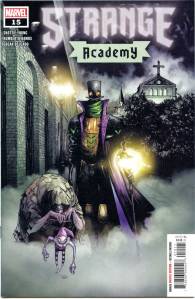
Strange Academy is a fictional school appearing in comics published by Marvel Comics. It was founded by Doctor Strange to train young people from many worlds with magical abilities in the use of sorcery and magical artifacts. The school first appears in Strange Academy #1 (March 2020) and was created by writer Skottie Young and artist Humberto Ramos.
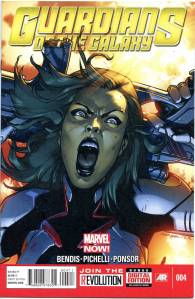
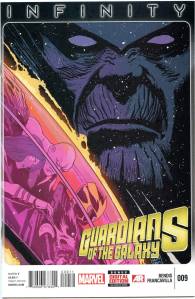
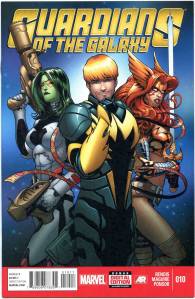
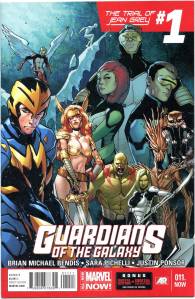
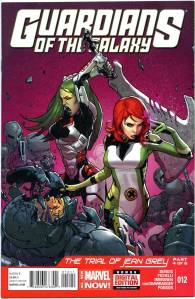
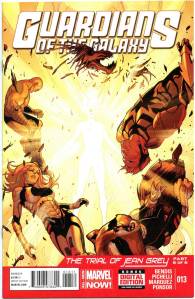
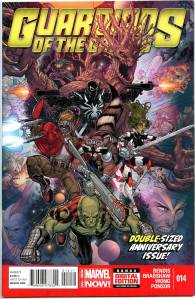
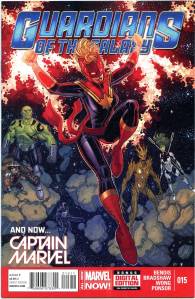
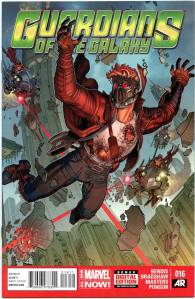
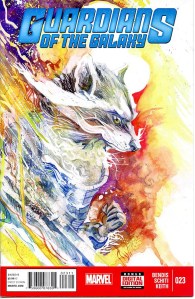
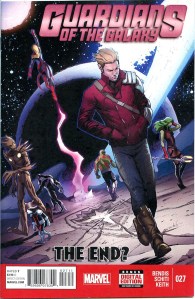
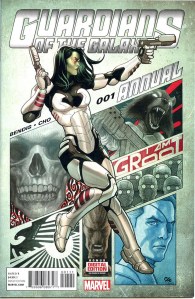
After Star-Lord’s father visits him in a bar to tell him that it is forbidden for any alien species to visit Earth, Iron Man is attacked by Badoon appearing to attack Earth. The Guardians and their newest member Iron Man defeat the ship; however, London is still attacked. The Guardians defend London and finish off the horde of Badoon but learn that, for violating the “Earth-is-off-limits” rule (the Spartax Earth Directive), they are to be placed under arrest by the King of Spartax. The Guardians manage to escape with the help of Groot, who had recently regrown after being destroyed by a Badoon ship’s explosion. The team includes Star-Lord, Drax the Destroyer, Gamora, Groot, Rocket Raccoon, and Tony Stark. In April 2013, it was announced that Image Comics’ Angela (Spawn) would join the Marvel Universe as the result of a legal battle between Neil Gaiman and Todd McFarlane. After appearing in Age of Ultron, she joined the Guardians. Captain Marvel and Agent Venom have also joined .
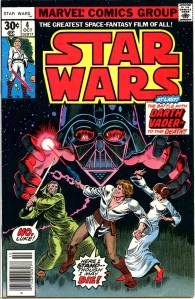
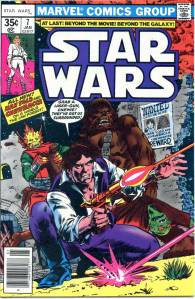
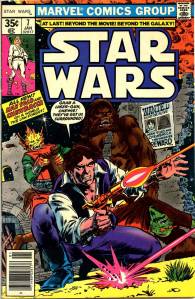
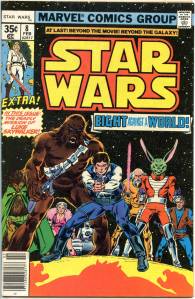
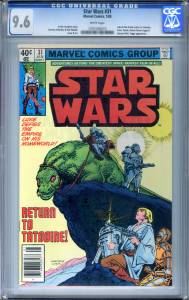
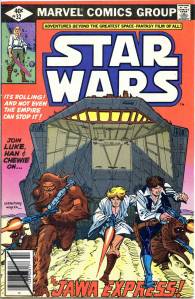
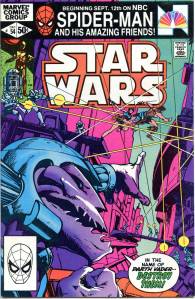
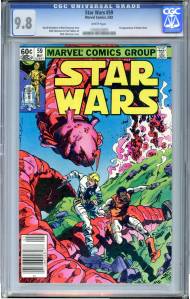
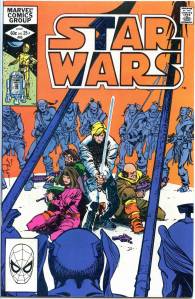
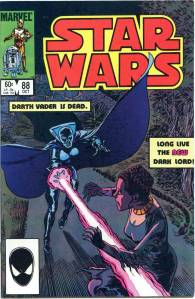
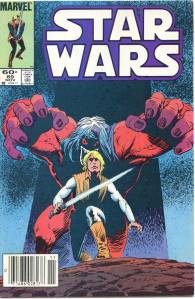
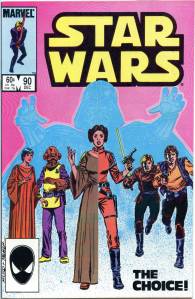
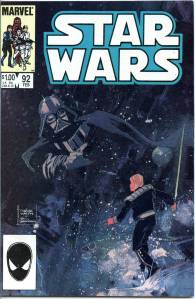
Charles Lippincott, Lucasfilm‘s publicity supervisor, initially approached Stan Lee in 1975 about publishing a Star Wars comic book prior to the film’s release to appeal to the film’s most likely audience. However, Lee declined to consider such a proposal until the film was completed, and was only persuaded otherwise in a second meeting arranged by Roy Thomas, who wanted to edit the series. Considering movie tie-in comics rarely sold well at that time, Lee negotiated a publishing arrangement with no royalties to Lucasfilm until sales exceeded 100,000 at which point legal arrangements could be revisited.
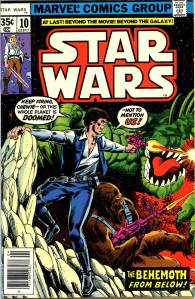
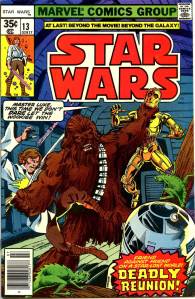
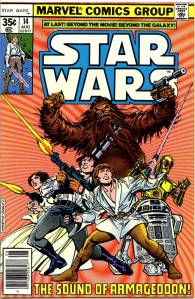
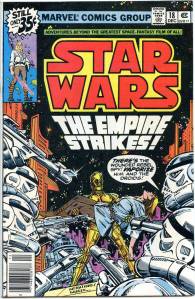
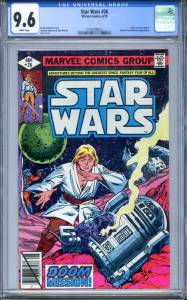
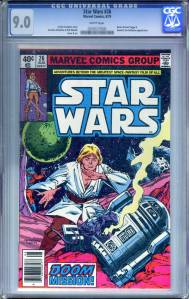
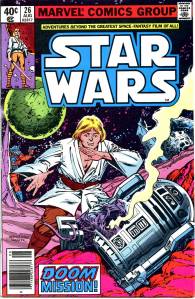
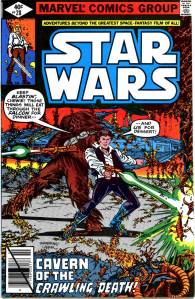
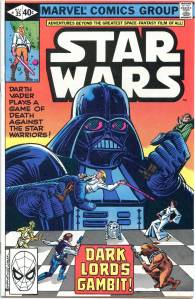
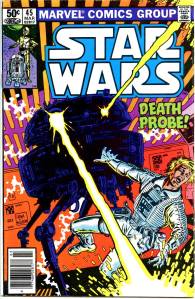
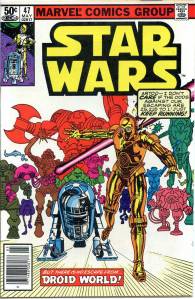
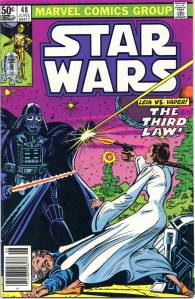
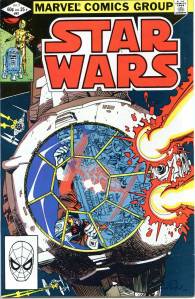
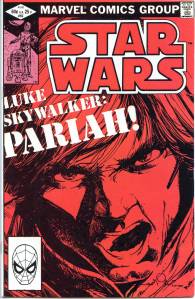
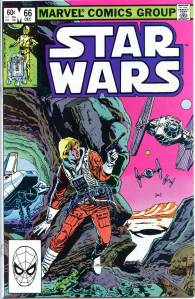
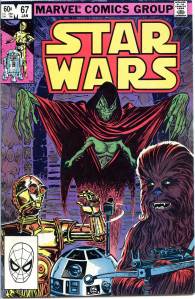
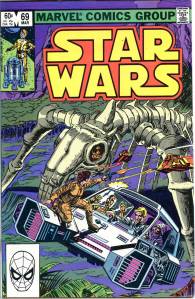
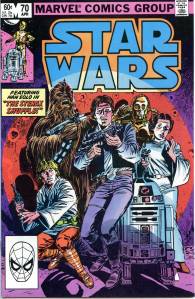
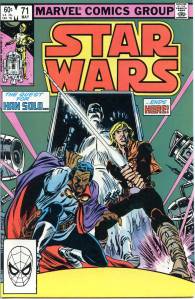
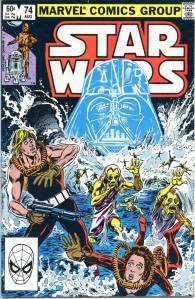
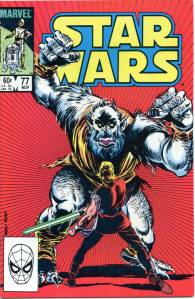
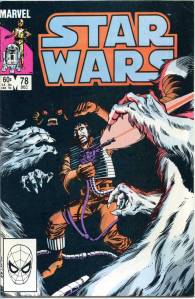
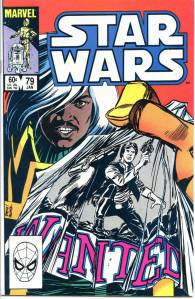
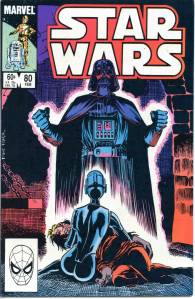
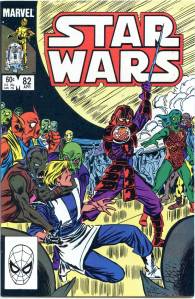
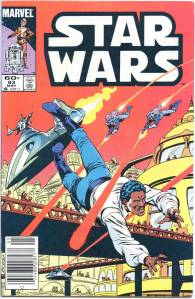
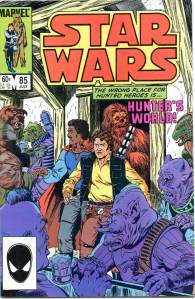
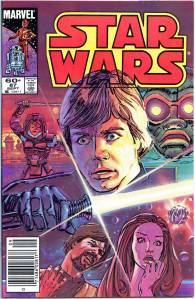
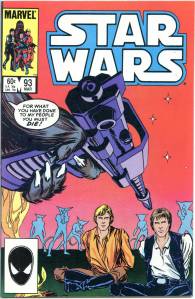
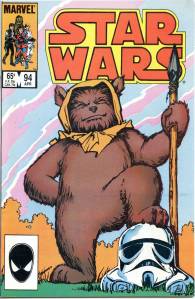
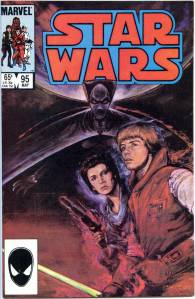
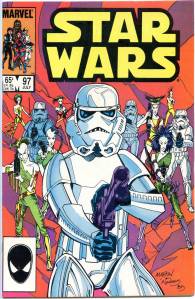
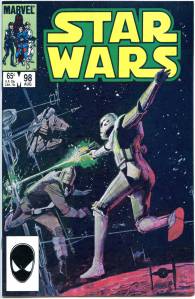
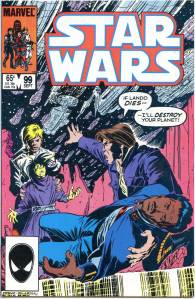
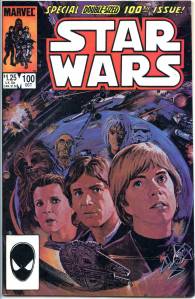
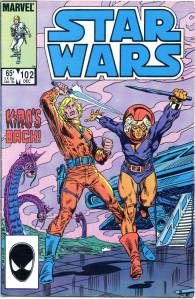
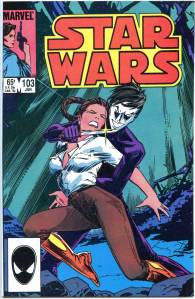
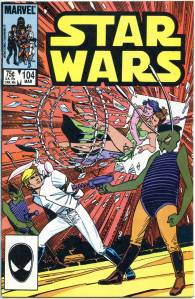
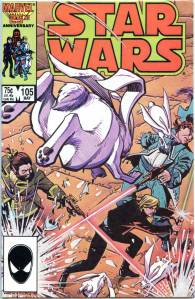
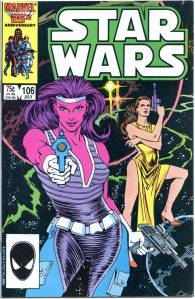
Marvel Comics Group published a series of Star Wars comic books from 1977 to 1986, lasting 107 issues and 3 annuals. According to former Marvel Editor-In-Chief Jim Shooter, the strong sales of Star Wars comics saved Marvel financially in 1977 and 1978. Marvel’s Star Wars series was one of the industry’s top selling titles in 1979 and 1980.The only downside for Marvel was that the 100,000 copy sales quota was surpassed quickly, allowing Lippincott to renegotiate the royalty arrangements from a position of strength.






















































































 EHT Comics