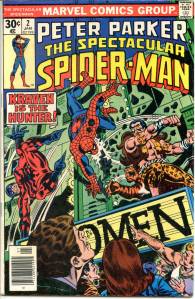
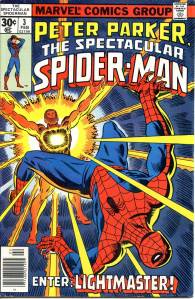
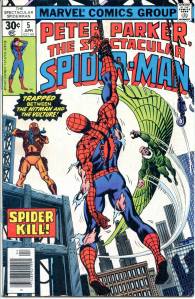
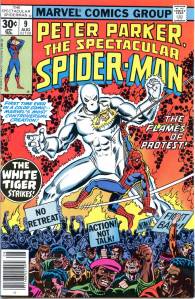
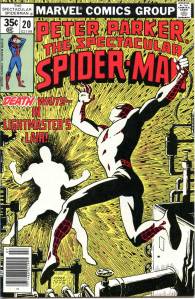
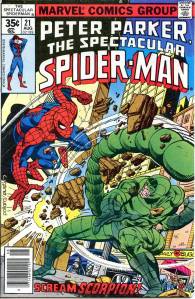
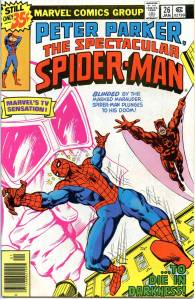
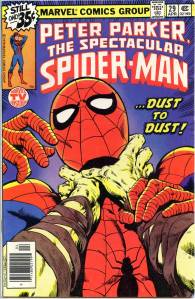
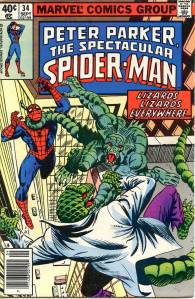
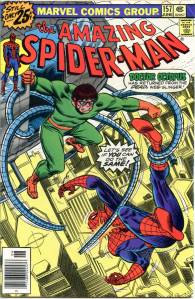
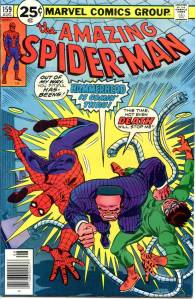
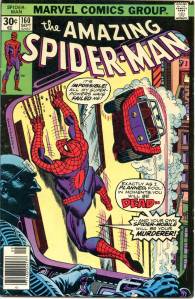
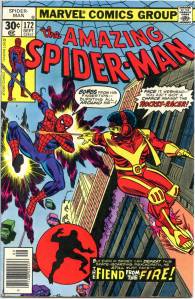
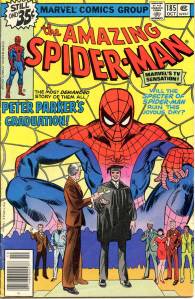
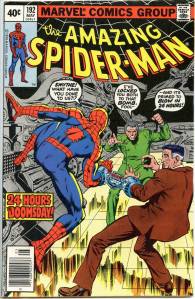
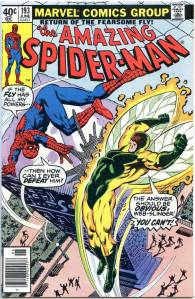
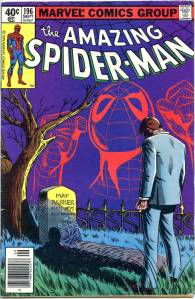
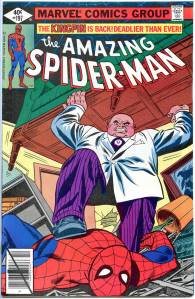
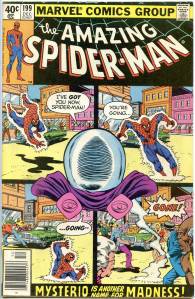
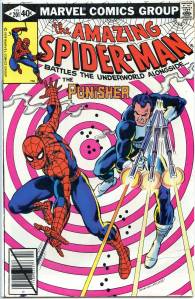
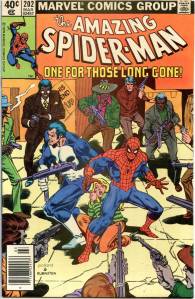
Peter Parker, The Spectacular Spider-Man debuted on December 1976. Shortened to simply The Spectacular Spider-Man with #134 (Jan. 1988), this was the second Amazing Spider-Man monthly comic-book spin-off series, after Marvel Team-Up, which also featured Spider-Man. The monthly title ran 264 issues (including a #-1 issue) until November 1998.
The series was launched by writer/editor Gerry Conway and artist Sal Buscema and Mike Esposito. Buscema drew the title until mid-1978. After Buscema’s departure, a succession of artists (including Mike Zeck, Jim Mooney, Ed Hannigan and Greg LaRocque) penciled the series for approximately five years. Frank Miller, who would later become the artist on Daredevil, first drew the character in Peter Parker, The Spectacular Spider-Man #27.
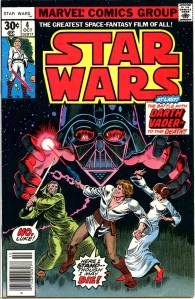
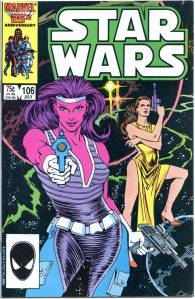
Charles Lippincott, Lucasfilm‘s publicity supervisor, initially approached Stan Lee in 1975 about publishing a Star Wars comic book prior to the film’s release to appeal to the film’s most likely audience. However, Lee declined to consider such a proposal until the film was completed, and was only persuaded otherwise in a second meeting arranged by Roy Thomas, who wanted to edit the series. Considering movie tie-in comics rarely sold well at that time, Lee negotiated a publishing arrangement with no royalties to Lucasfilm until sales exceeded 100,000 at which point legal arrangements could be revisited.
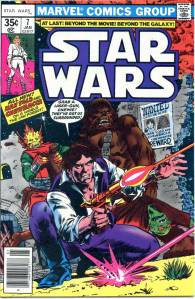
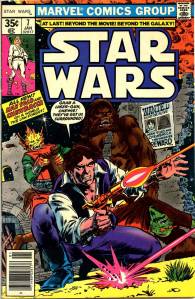
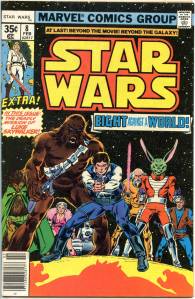
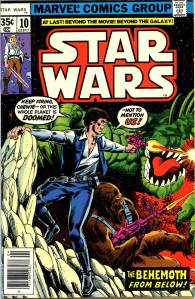
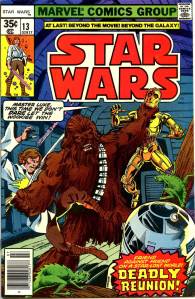
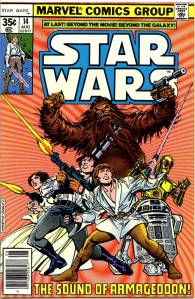
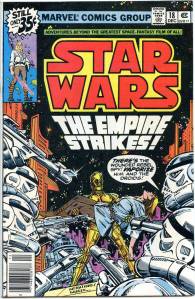
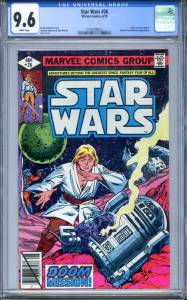
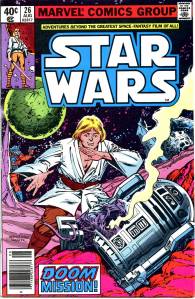
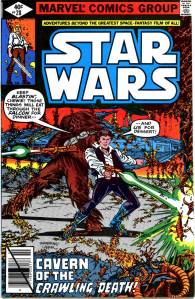
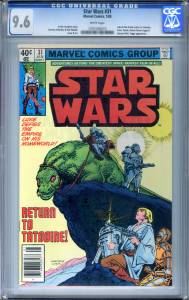
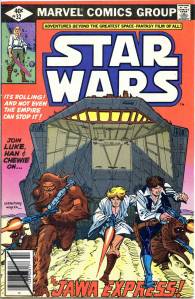
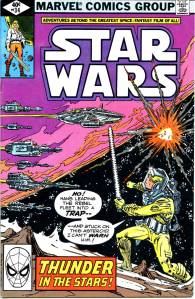
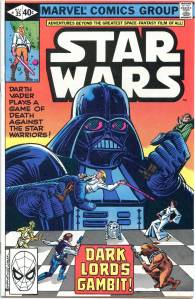
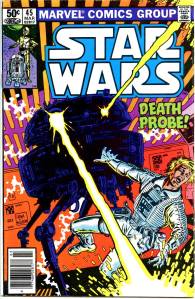
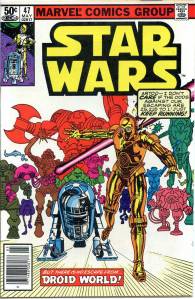
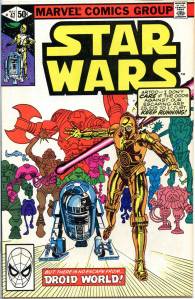
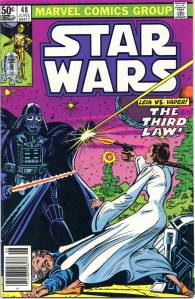
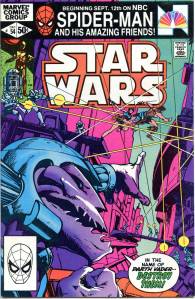
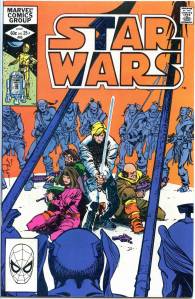
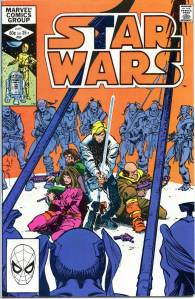
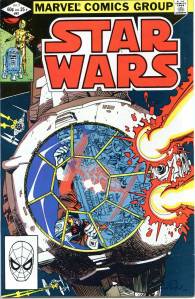
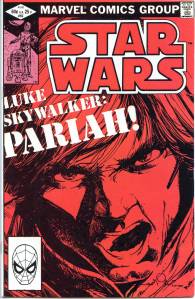
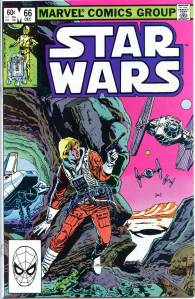
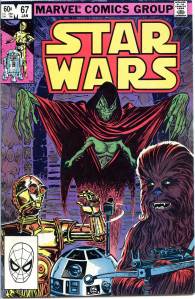
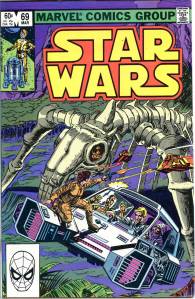
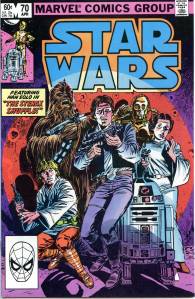
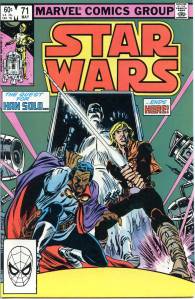
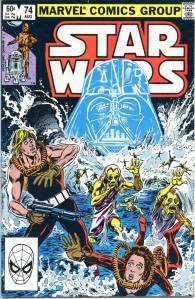
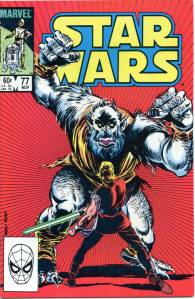
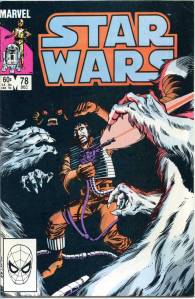
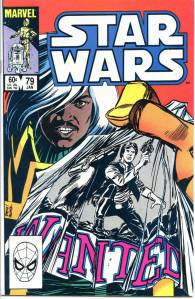
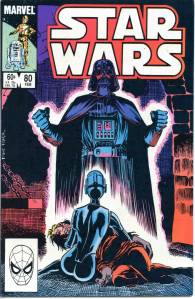
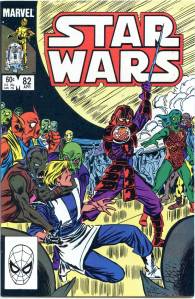
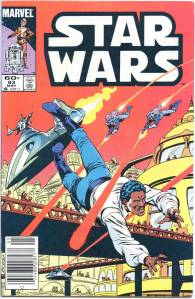
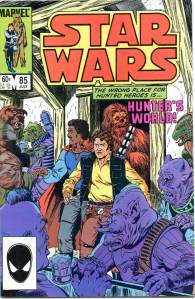
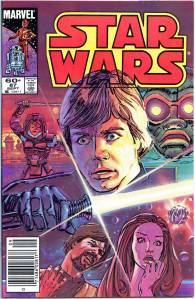
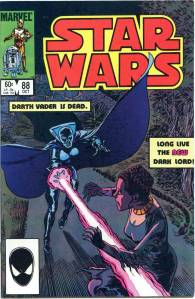
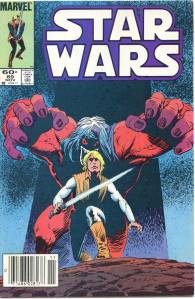
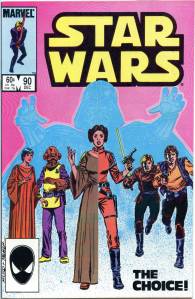
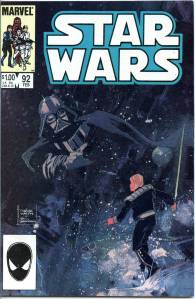
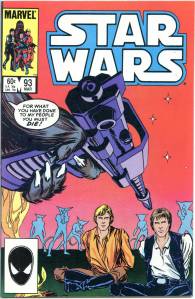
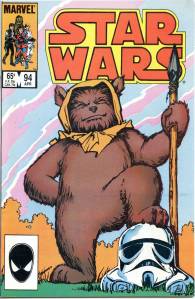
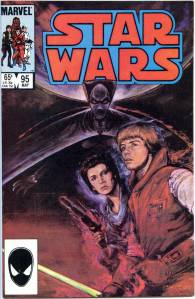
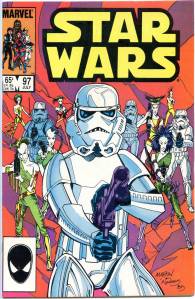
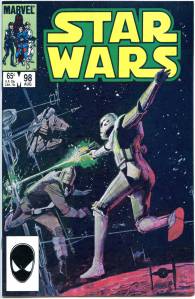
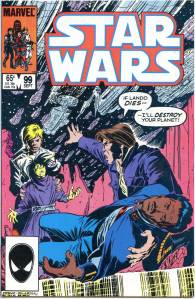
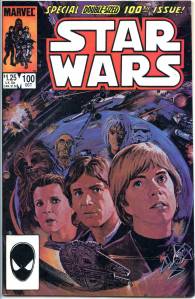
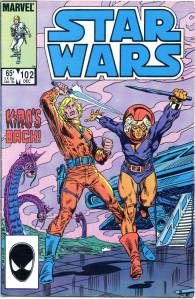
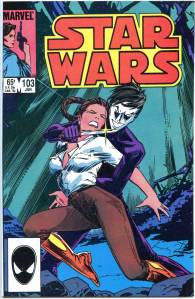
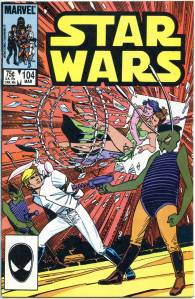
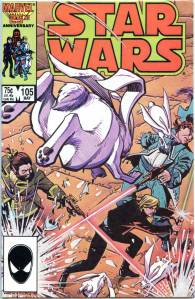
Marvel Comics Group published a series of Star Wars comic books from 1977 to 1986, lasting 107 issues and 3 annuals. According to former Marvel Editor-In-Chief Jim Shooter, the strong sales of Star Wars comics saved Marvel financially in 1977 and 1978. Marvel’s Star Wars series was one of the industry’s top selling titles in 1979 and 1980.The only downside for Marvel was that the 100,000 copy sales quota was surpassed quickly, allowing Lippincott to renegotiate the royalty arrangements from a position of strength.
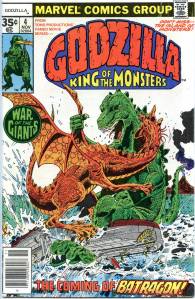
From 1977-79, Godzilla starred in a 24-issue run of comics written by Doug Moench, drawn by Herb Trimpe and published by Marvel Comics entitled Godzilla, King of the Monsters. The series thrusts Godzilla completely into the Marvel Universe. In a nod to King Kong vs. Godzilla, Godzilla first appears by bursting out of an iceberg near Alaska; although how the prehistoric creature came to be trapped again in ice is never revealed (although it is stated in the issue that this “will doubtless be determined in the future.”). Over the course of the series, he crosses the continental United States and eventually ends up in New York City.
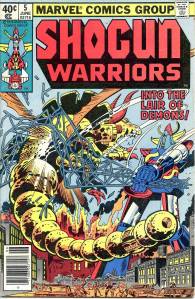
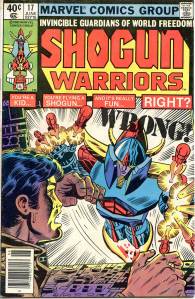
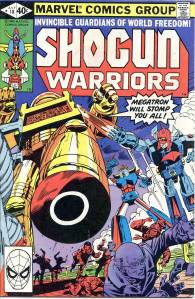
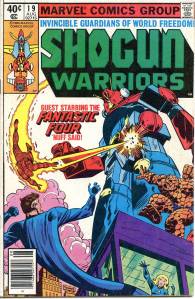
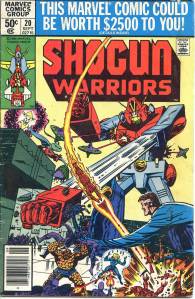
The Shogun Warriors characters were licensed by Marvel Comics to create a comic book series written by Doug Moench and drawn by Herb Trimpe. The series was composed of 20 issues that were published from February 1979 to September 1980. In the comic book series, the Shogun Warriors were created by a mysterious group called the Followers of the Light, and human operators were chosen from all around the world to operate the massive robots in order to battle evil.
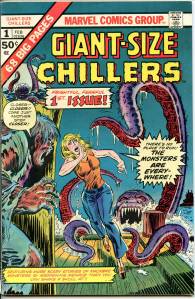
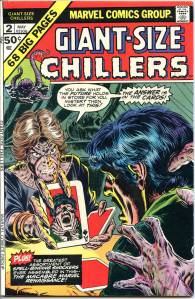
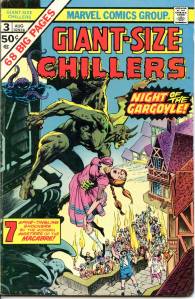
Giant Size Chillers V2 was publish in 1975 and lasted only 3 issues. They contained new Stories combined with 1950’s Atlas reprints. Some of the artists included, G.Kane, B.Everett, D.Heck, B.Wrightson, J.Kirby, G.Colan, BWSmith, A.Alcala & M.Severin.
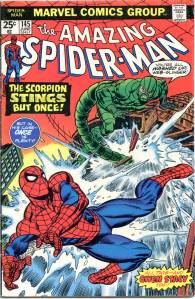
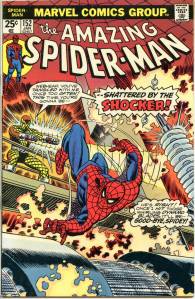
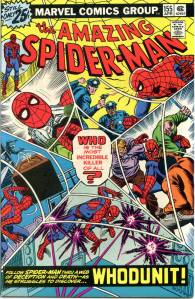
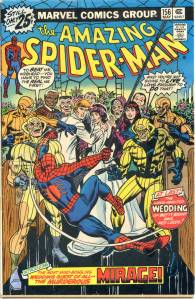
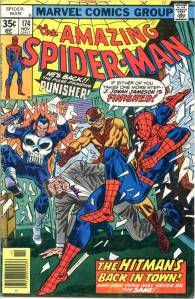
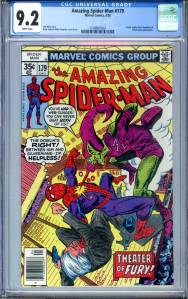
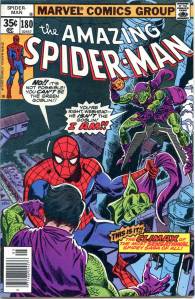
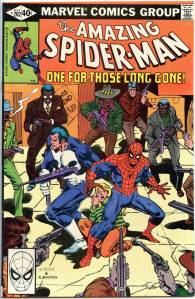
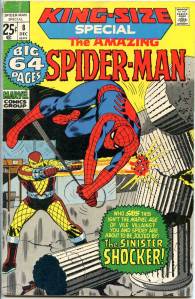
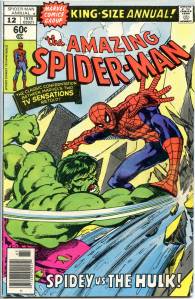
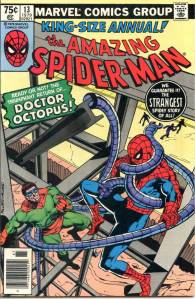
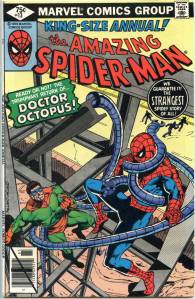
An early 1970s Spider-Man story led to the revision of the Comics Code. Previously, the Code forbade the depiction of the use of illegal drugs, even negatively. However, in 1970, the Nixon administration’s Department of Health, Education, and Welfare asked Stan Lee to publish an anti-drug message in one of Marvel’s top-selling titles. Lee chose the top-selling The Amazing Spider-Man; issues #96–98 (May–July 1971) feature a story arc depicting the negative effects of drug use. In the story, Peter Parker’s friend Harry Osborn becomes addicted to pills. When Spider-Man fights the Green Goblin (Norman Osborn, Harry’s father), Spider-Man defeats the Green Goblin, by revealing Harry’s drug addiction. While the story had a clear anti-drug message, the Comics Code Authority refused to issue its seal of approval. Marvel nevertheless published the three issues without the Comics Code Authority’s approval or seal. The issues sold so well that the industry’s self-censorship was undercut and the Code was subsequently revised.
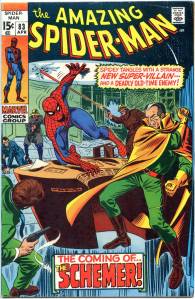
Amazing Spider-man #83 F+ $24
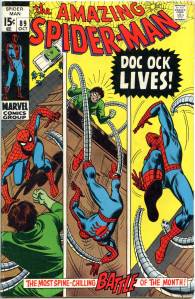
Amazing Spider-Man #89 F $22
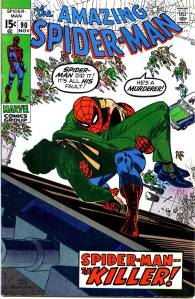
Amazing Spiderman #90 VF- $129
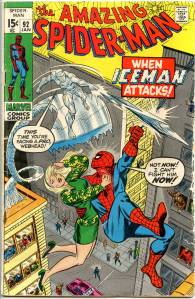
Amazing Spider-Man #92 VG- $17
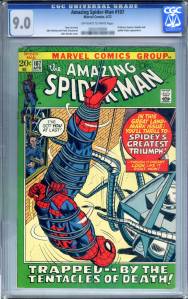
Amazing Spider-Man #107 CGC 9.0 Off White to White Pages $149
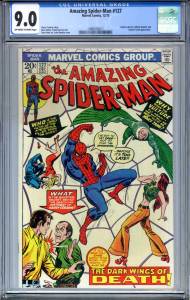
Amazing Spider-Man #127 CGC 9.0 Offwhite to White Pages $129
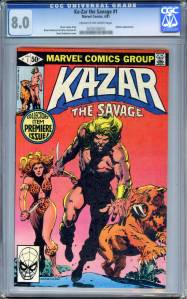
Ka-Zar is having a midlife crisis. He’s wondering if he should give up the jungle life and head to the comforts of modern civilization. He parts ways from Shanna for a bit to try and find Zabu, who has uncharacteristically wandered off.
The trail leads him to a vast new section of the Savage Land. We’ll eventually learn that it’s called Pangea,. He meets a woman called Leanne who owns a femal pet saber-tooth . He rescues her from some savages, but it turns out that she is the queen of a a large medieval city called Lemuria. They have a brief affair, but she leaves him because he’s too uncivilized.
Ka-Zar the Savage #1 CGC 8.0 Cream to Off-White Pages $29
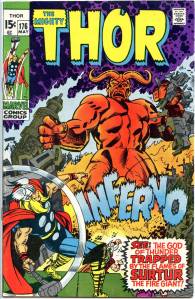
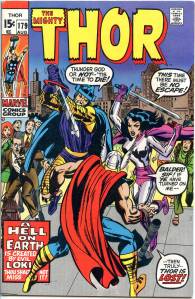
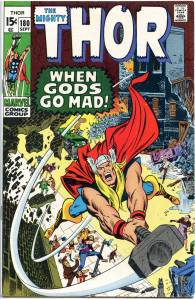
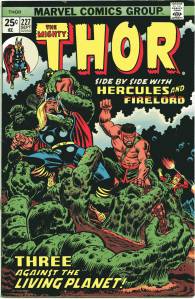
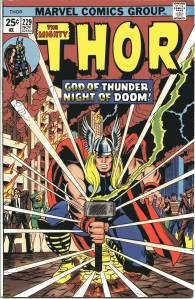
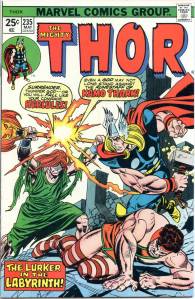
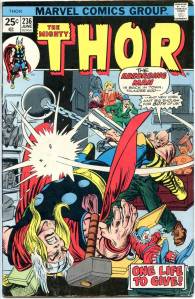
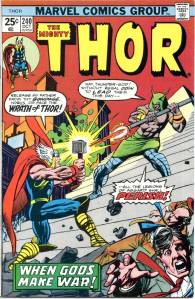
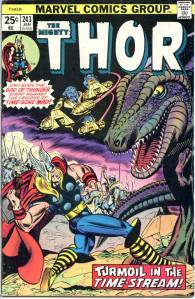
After Kirby left the title, Neal Adams penciled issues #180–181 (Sept.-Oct. 1970).John Buscema then became the regular artist the following issue. Buscema continued to draw the book almost without interruption until #278 (Dec. 1978). Lee stopped scripting soon after Kirby left, and during Buscema’s long stint on the book, the stories were mostly written by Gerry Conway, Len Wein, or Roy Thomas. Thomas continued to write the title after Buscema’s departure, working much of the time with the artist Keith Pollard; during this period Thomas integrated many elements of traditional Norse mythology into the title, with specific stories translated into comics form. Following Thomas’s tenure, Thor had a changing creative team.
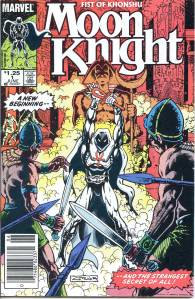
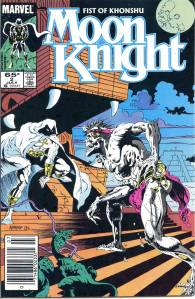
In volume 2, Spector abandons his Moon Knight, Grant and Lockley identities after the effects of Russell’s bite (lunar cycle-based strength) fade away, and functions as an independently wealthy man opening art galleries around the world, with the help of art historian Spence. Spector’s estranged relationship with Marlene ends when she finally leaves him for her ex-husband when he becomes Moon Knight again.
The cult of Khonshu telepathically summons Spector to Egypt and supplies him with a new arsenal of moon-themed projectile weaponry, originally designed by a time-traveling Hawkeye in ancient Egypt. Khonshu himself appears to Spector and enters his body, giving him the same lunar abilities he previously had.