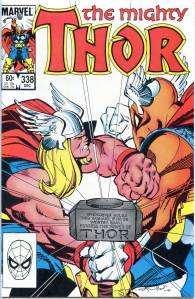
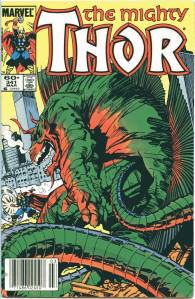
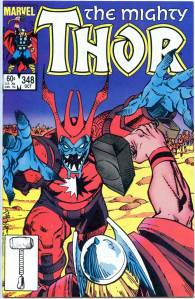
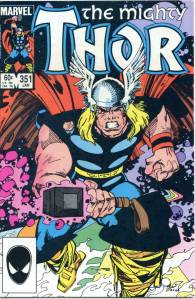
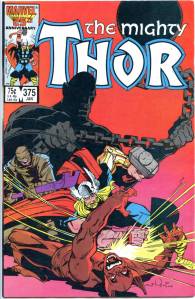
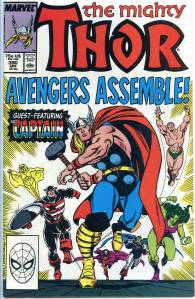
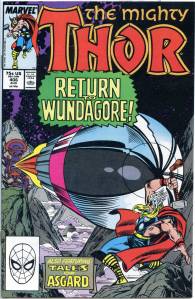
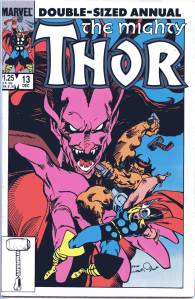
Walt Simonson took over both writing and art as of #337 (Nov. 1983). His stories placed a greater emphasis on the character’s mythological origins. Simonson’s run as writer-artist lasted until #367 (May 1986), although he continued to write – and occasionally draw – the book until issue #382 (Aug. 1987). Simonson’s run, which introduced the character Beta Ray Bill, was regarded as a popular and critical success.Simonson’s later stories were drawn by Sal Buscema, who describes Simonson’s stories as “very stimulating. It was a pleasure working on his plots, because they were a lot of fun to illustrate. He had a lot of great ideas, and he took Thor in a totally new direction.” Asked why he was leaving Thor, Simonson said that he felt the series was due for a change in creative direction, and that he wanted to reduce his work load for a time. After Simonson’s departure, Marvel’s editor-in-chief at the time, Tom DeFalco, became the writer. Working primarily with artist Ron Frenz, DeFalco stayed on the book until #459 (Feb. 1993).
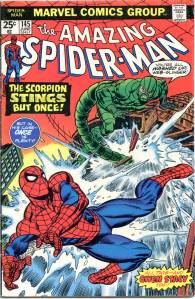
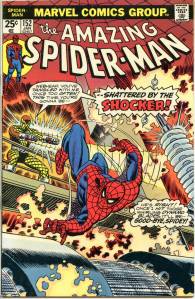
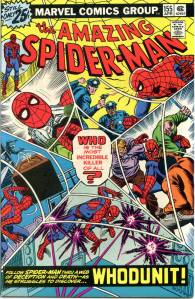
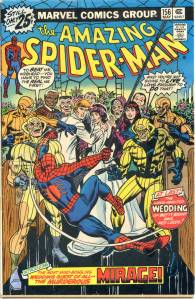
An early 1970s Spider-Man story led to the revision of the Comics Code. Previously, the Code forbade the depiction of the use of illegal drugs, even negatively. However, in 1970, the Nixon administration’s Department of Health, Education, and Welfare asked Stan Lee to publish an anti-drug message in one of Marvel’s top-selling titles. Lee chose the top-selling The Amazing Spider-Man; issues #96–98 (May–July 1971) feature a story arc depicting the negative effects of drug use. In the story, Peter Parker’s friend Harry Osborn becomes addicted to pills. When Spider-Man fights the Green Goblin (Norman Osborn, Harry’s father), Spider-Man defeats the Green Goblin, by revealing Harry’s drug addiction. While the story had a clear anti-drug message, the Comics Code Authority refused to issue its seal of approval. Marvel nevertheless published the three issues without the Comics Code Authority’s approval or seal. The issues sold so well that the industry’s self-censorship was undercut and the Code was subsequently revised.
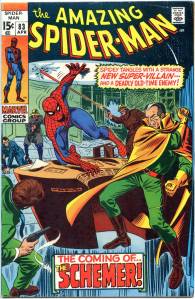
Amazing Spider-man #83 F+ $24
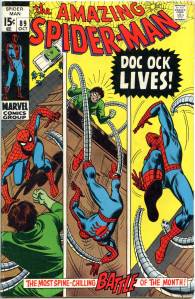
Amazing Spider-Man #89 F $22
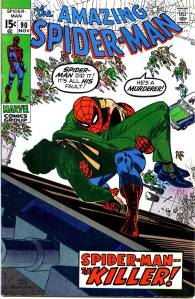
Amazing Spiderman #90 VF- $129
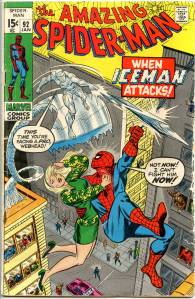
Amazing Spider-Man #92 VG- $17
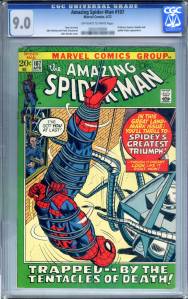
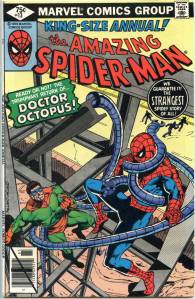
Amazing Spider-Man #107 CGC 9.0 Off White to White Pages $149
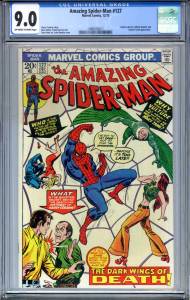
Amazing Spider-Man #127 CGC 9.0 Offwhite to White Pages $129
Ka-Zar is having a midlife crisis. He’s wondering if he should give up the jungle life and head to the comforts of modern civilization. He parts ways from Shanna for a bit to try and find Zabu, who has uncharacteristically wandered off.
The trail leads him to a vast new section of the Savage Land. We’ll eventually learn that it’s called Pangea,. He meets a woman called Leanne who owns a femal pet saber-tooth . He rescues her from some savages, but it turns out that she is the queen of a a large medieval city called Lemuria. They have a brief affair, but she leaves him because he’s too uncivilized.
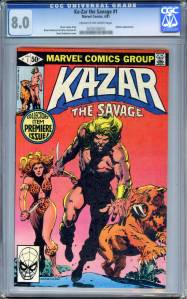
Ka-Zar the Savage #1 CGC 8.0 Cream to Off-White Pages $29
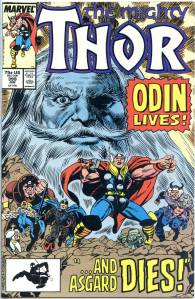
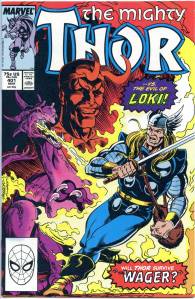
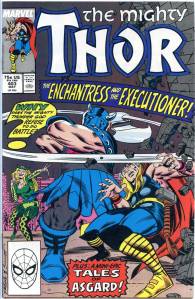
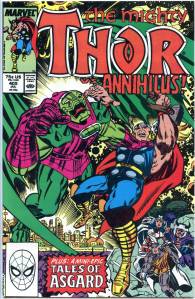
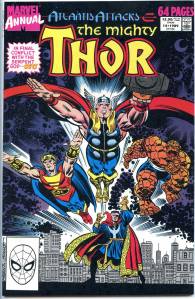
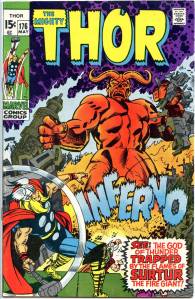
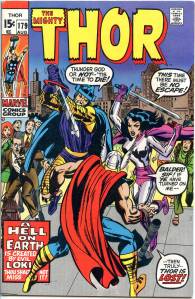
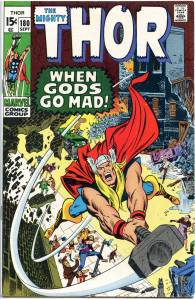
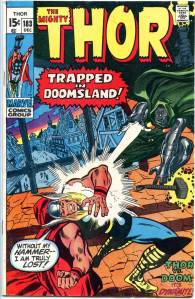
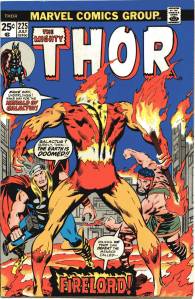
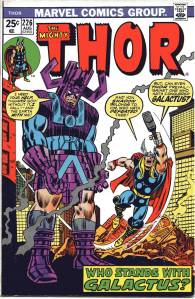
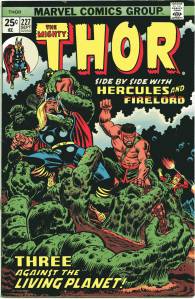
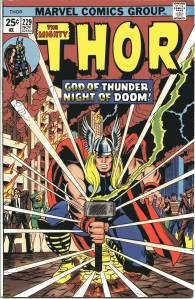
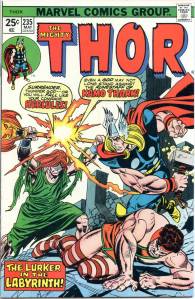
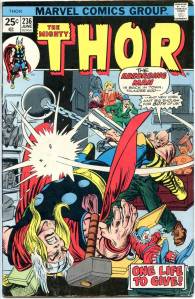
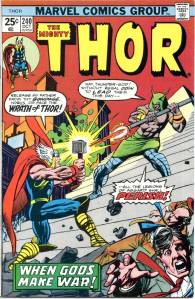
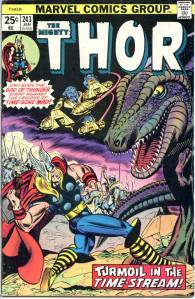
After Kirby left the title, Neal Adams penciled issues #180–181 (Sept.-Oct. 1970).John Buscema then became the regular artist the following issue. Buscema continued to draw the book almost without interruption until #278 (Dec. 1978). Lee stopped scripting soon after Kirby left, and during Buscema’s long stint on the book, the stories were mostly written by Gerry Conway, Len Wein, or Roy Thomas. Thomas continued to write the title after Buscema’s departure, working much of the time with the artist Keith Pollard; during this period Thomas integrated many elements of traditional Norse mythology into the title, with specific stories translated into comics form. Following Thomas’s tenure, Thor had a changing creative team.
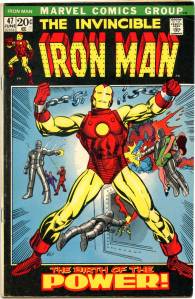
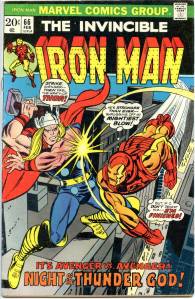
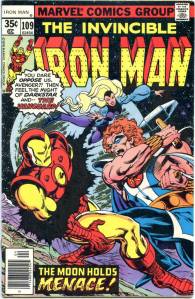
Writer Mike Friedrich and artist Jim Starlin‘s brief collaboration on the Iron Man series introduced Mentor, Starfox, and Thanos in issue #55 (Feb. 1973). Friedrich scripted a metafictional story in which Iron Man visited the San Diego Comic Convention and met several Marvel Comics writers and artists. He then wrote the multi-issue “War of the Super-Villains” storyline which ran through 1975.
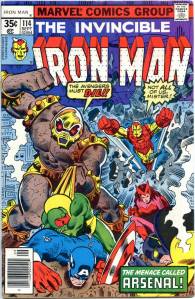
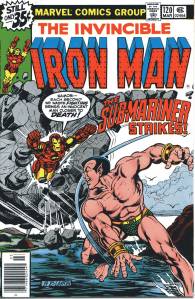
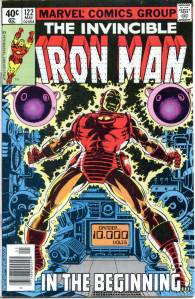
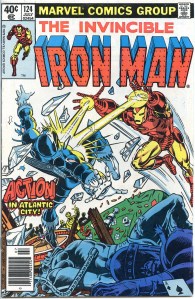
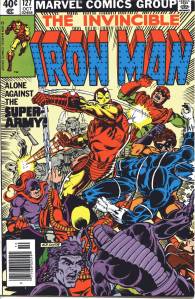
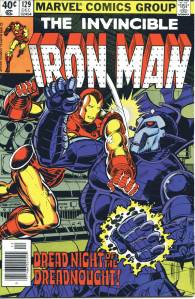
Writer David Michelinie, co-plotter/inker Bob Layton, and penciler John Romita Jr. became the creative team on the series with Iron Man #116 (Nov. 1978). Micheline and Layton established Tony Stark’s alcoholism with the story “Demon in a Bottle“, and introduced several supporting characters, including Stark’s bodyguard girlfriend Bethany Cabe;Stark’s personal pilot and confidant James Rhodes, who later became the superhero War Machine; and rival industrialist Justin Hammer, who was revealed to be the employer of numerous high-tech armed enemies Iron Man fought over the years. The duo also introduced the concept of Stark’s specialized armors as he acquired a dangerous vendetta with Doctor Doom. The team worked together through #154 (Jan. 1982), with Michelinie writing three issues without Layton.
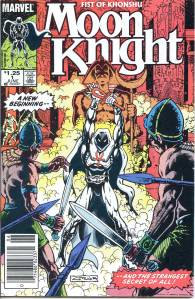
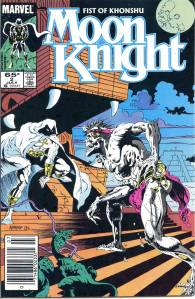
In volume 2, Spector abandons his Moon Knight, Grant and Lockley identities after the effects of Russell’s bite (lunar cycle-based strength) fade away, and functions as an independently wealthy man opening art galleries around the world, with the help of art historian Spence. Spector’s estranged relationship with Marlene ends when she finally leaves him for her ex-husband when he becomes Moon Knight again.
The cult of Khonshu telepathically summons Spector to Egypt and supplies him with a new arsenal of moon-themed projectile weaponry, originally designed by a time-traveling Hawkeye in ancient Egypt. Khonshu himself appears to Spector and enters his body, giving him the same lunar abilities he previously had.
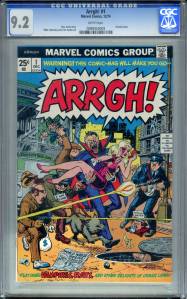
Arrgh! ran for five issues between December 1974 and September 1975. Each issue of Arrgh! presented humorous horror stories, often parodies of well-known movies or TV shows. Marvel Humor in a Jugular Vein.
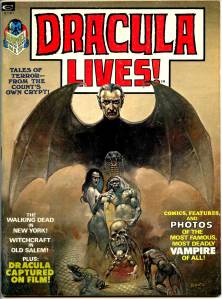
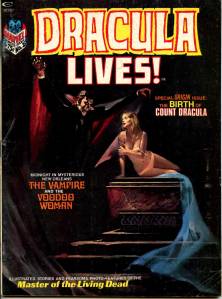
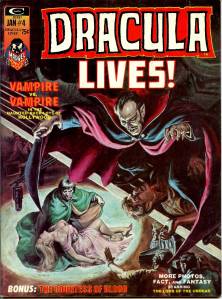
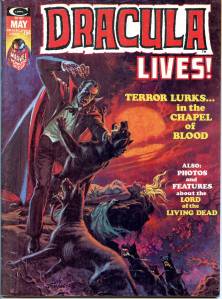
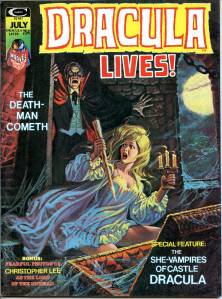
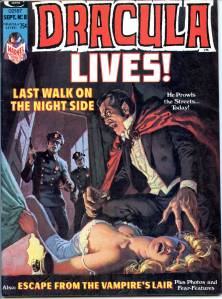
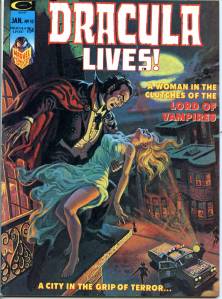
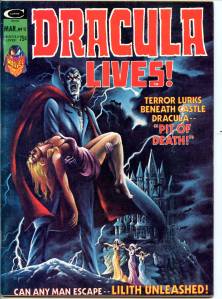
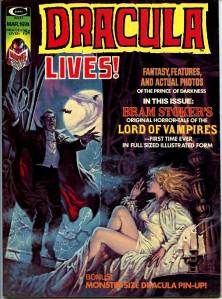
Running concurrently with the longer-running Marvel comic Tomb of Dracula, the continuities of the two titles occasionally overlapped, with storylines weaving between the two. Most of the time, however, the stories in Dracula Lives! were stand-alone tales by various creative teams. Later issues of Dracula Lives! featured a serialized adaptation of the original Bram Stoker novel, written by Roy Thomas and drawn by Dick Giordano.
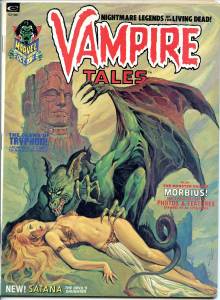
The magazine format did not fall under the purview of the Comics Code, allowing the title to feature stronger content — such as moderate profanity, partial nudity, and more graphic violence — than Marvel’s “mainstream” titles. The larger format allowed the interior artists to “stretch out” a bit more. Painted covers of the series were done by artists like Boris Vallejo, Neal Adams, and Luis Dominguez. Dracula Lives!‘ text and photo articles were mostly of the Count’s various film appearances. The title of the magazine’s letter column was “Dracula Reads!”
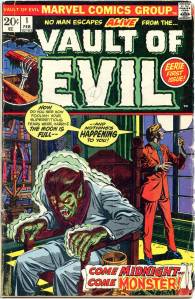
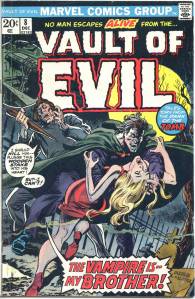
In the early 1970s, horror was hot once again, and Marvel filled that demand with a number of titles, including Chamber of Chills, Supernatural Thrillers, Crypt of Shadows, and Fear. Like many of these, Vault of Evil relied on reprint material from its 1950s precursor, Atlas comics.

























 EHT Comics