The series was launched with an April 1985 cover dated issue by writer Louise Simonson and penciller Greg LaRocque and featured the return of Spider-Man’s alien black costume, which attempted to rebond with Peter Parker. Peter managed to rid himself of the costume again using church bells and the alien was presumed to have died after that. The first issue featured a cover painting by artist Charles Vess.
In issue #18 (September 1986), Peter Parker is pushed in front of an oncoming train. He thinks to himself that this should not have happened, as his spider-sense would have warned him of the danger. Writer David Michelinie has said that he wrote this as the first “teaser” appearance of the characterVenom, whom he was planning to introduce at a later date. Venom is an amalgam of reporter Eddie Brock and the alien costume. The costume could nullify Spider-Man’s spider-sense, and this was the first clue of a puzzle that Michelinie was planning to weave to introduce Venom.
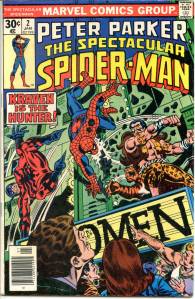
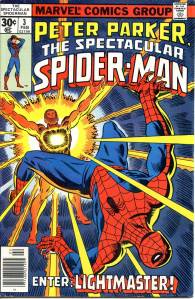
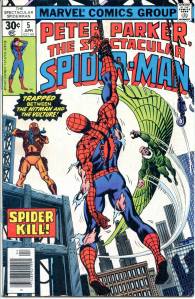
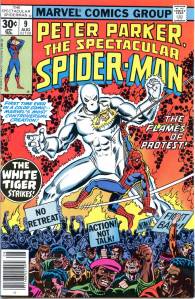
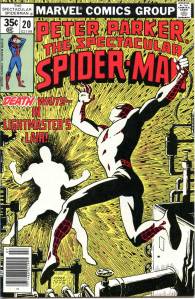
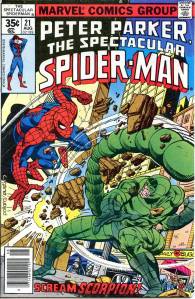
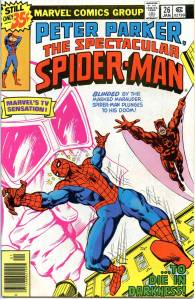
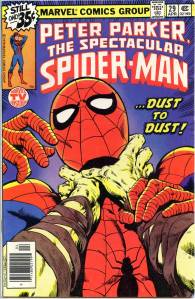
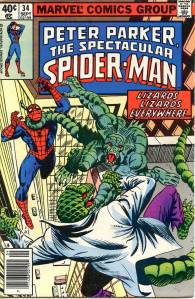
Peter Parker, The Spectacular Spider-Man debuted on December 1976. Shortened to simply The Spectacular Spider-Man with #134 (Jan. 1988), this was the second Amazing Spider-Man monthly comic-book spin-off series, after Marvel Team-Up, which also featured Spider-Man. The monthly title ran 264 issues (including a #-1 issue) until November 1998.
The series was launched by writer/editor Gerry Conway and artist Sal Buscema and Mike Esposito. Buscema drew the title until mid-1978. After Buscema’s departure, a succession of artists (including Mike Zeck, Jim Mooney, Ed Hannigan and Greg LaRocque) penciled the series for approximately five years. Frank Miller, who would later become the artist on Daredevil, first drew the character in Peter Parker, The Spectacular Spider-Man #27.
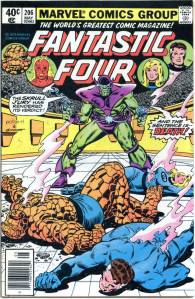
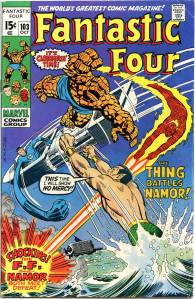
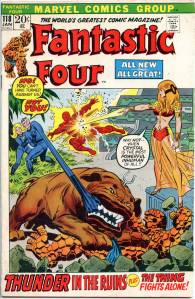
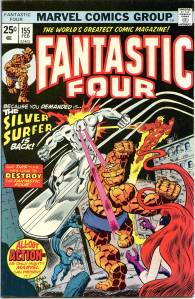
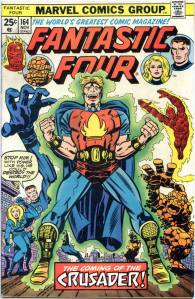
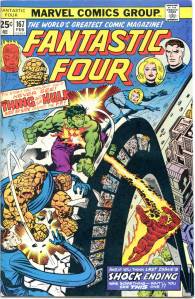
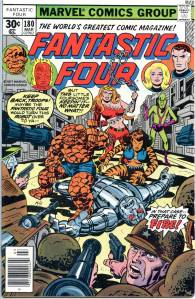
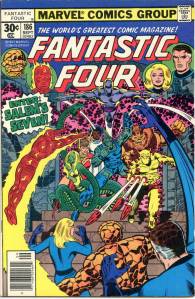
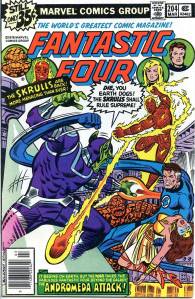
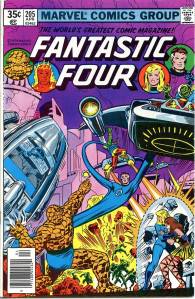
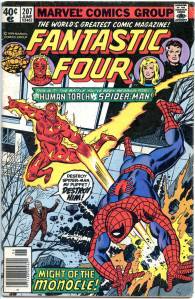
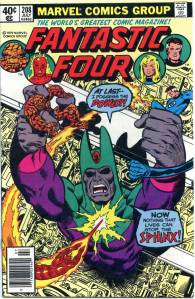
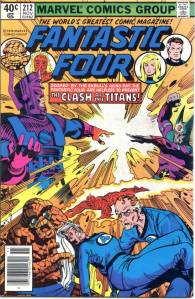
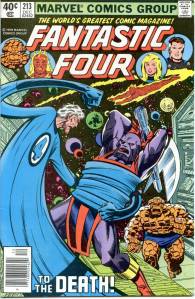
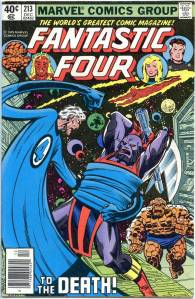
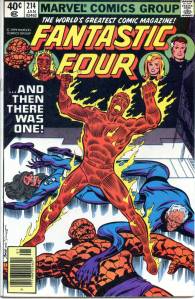
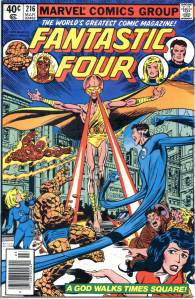
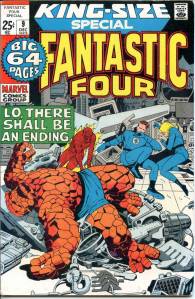
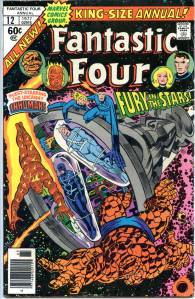
Stan Lee said he created a synopsis for the first Fantastic Four story that he gave to penciller Jack Kirby, who then drew the entire story. Kirby turned in his penciled art pages to Lee, who added dialogue and captions. This approach to creating comics, which became known as the “Marvel Method“, worked so well for Lee and Kirby that they used it from then on; the Marvel Method became standard for the company within a year.
Kirby recalled events somewhat differently. Challenged with Lee’s version of events in a 1990 interview, Kirby responded: “I would say that’s an outright lie”, although the interviewer, Gary Groth notes that this statement needs to be viewed with caution.Kirby claims he came up with the idea for the Fantastic Four in Marvel’s offices, and that Lee had merely added the dialogue after the story had been pencilled. Kirby has also sought to establish, more credibly and on numerous occasions, that the visual elements of the strip were his conceptions. He regularly pointed to a team he had created for rival publisher DC Comics in the 1950s, Challengers of the Unknown. “[I]f you notice the uniforms, they’re the same… I always give them a skintight uniform with a belt… the Challengers and the FF have a minimum of decoration. And of course, the Thing’s skin is a kind of decoration, breaking up the monotony of the blue uniform.” The characters wear no uniforms in the first two issues.
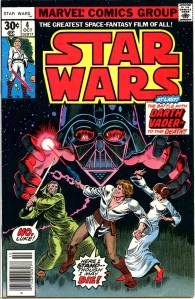
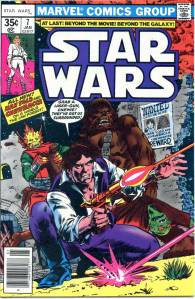
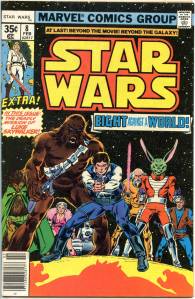
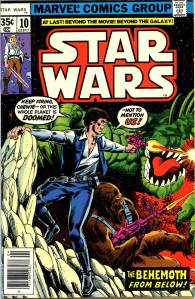
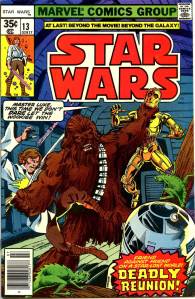
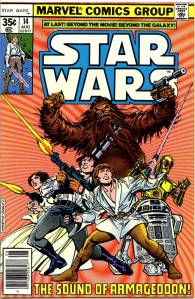
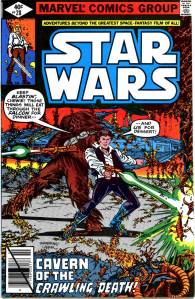
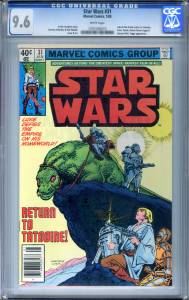
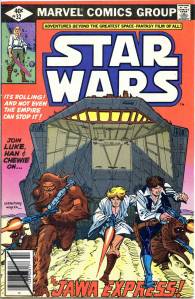
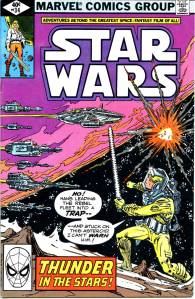
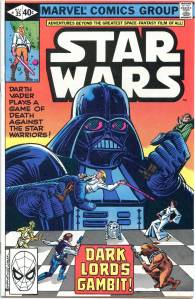
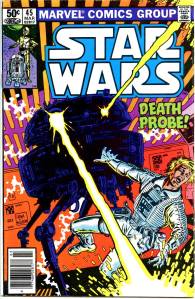
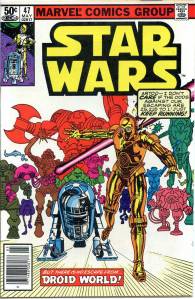
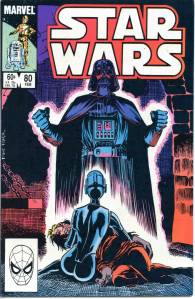
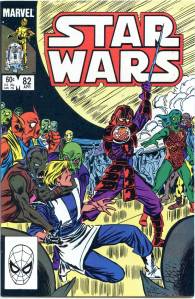
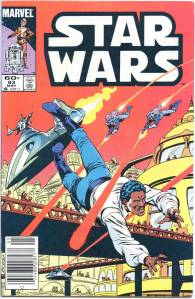
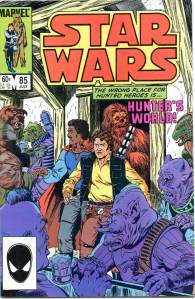
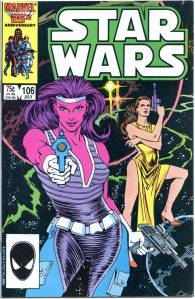
Charles Lippincott, Lucasfilm‘s publicity supervisor, initially approached Stan Lee in 1975 about publishing a Star Wars comic book prior to the film’s release to appeal to the film’s most likely audience. However, Lee declined to consider such a proposal until the film was completed, and was only persuaded otherwise in a second meeting arranged by Roy Thomas, who wanted to edit the series. Considering movie tie-in comics rarely sold well at that time, Lee negotiated a publishing arrangement with no royalties to Lucasfilm until sales exceeded 100,000 at which point legal arrangements could be revisited.
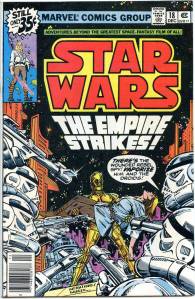
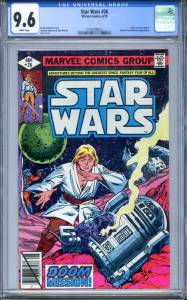
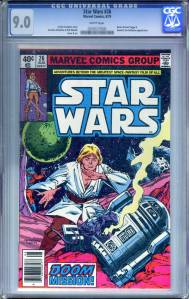
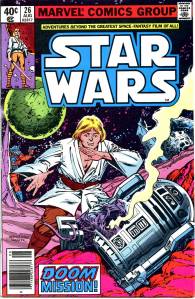
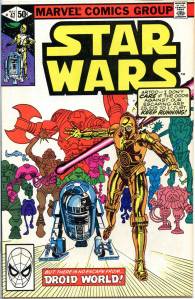
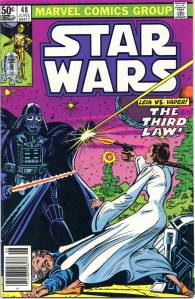
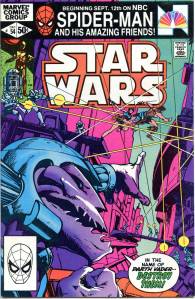
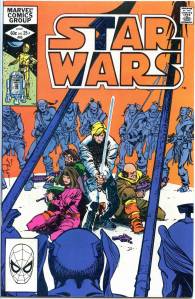
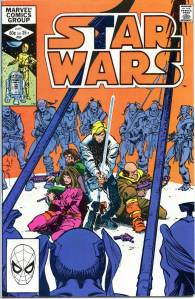
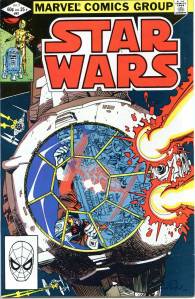
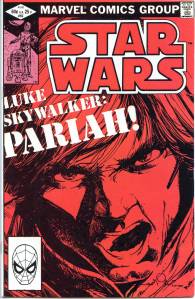
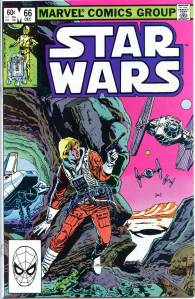
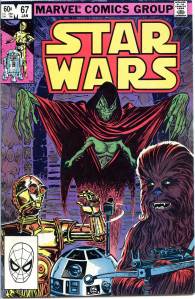
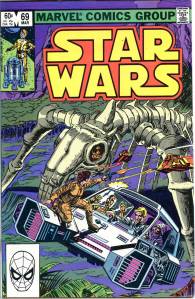
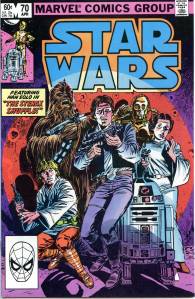
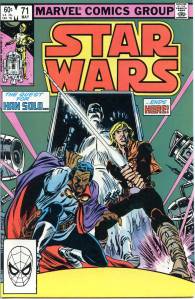
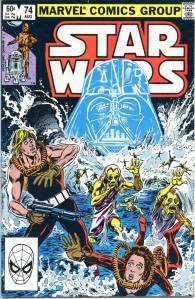
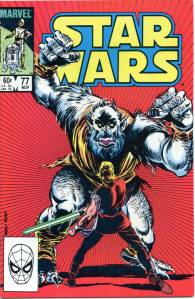
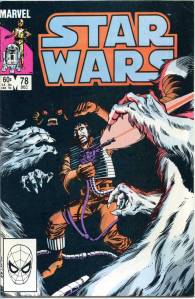
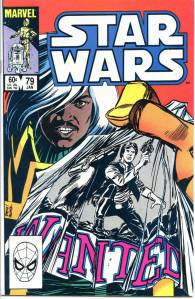
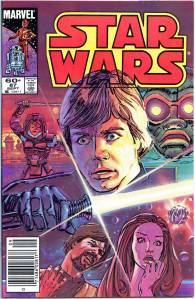
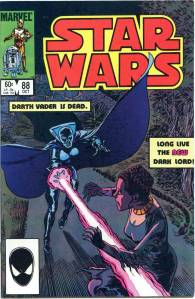
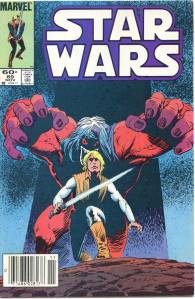
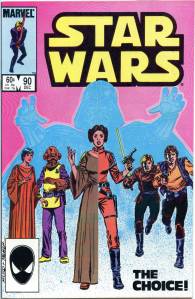
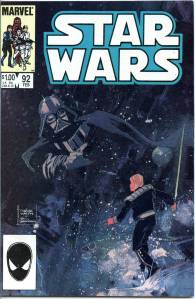
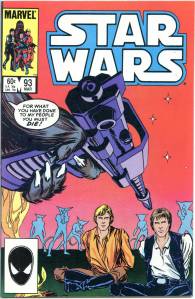
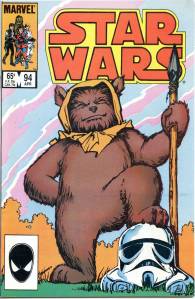
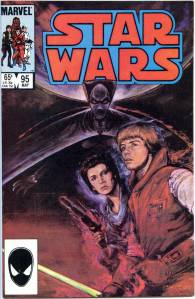
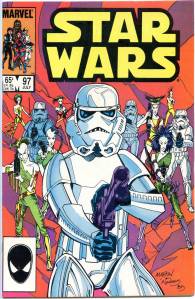
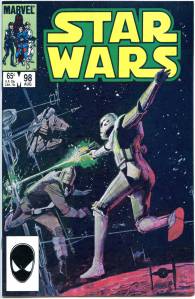
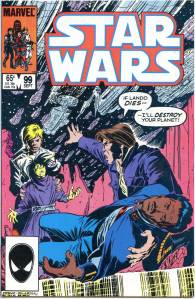
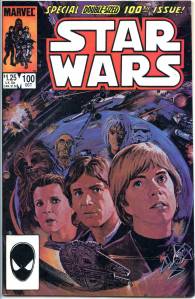
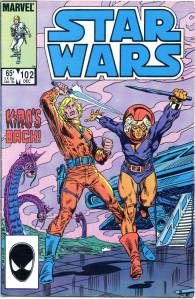
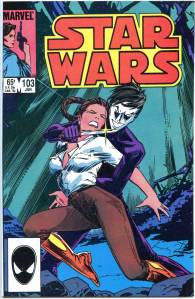
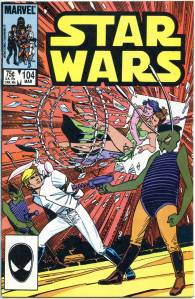
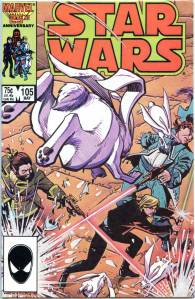
Marvel Comics Group published a series of Star Wars comic books from 1977 to 1986, lasting 107 issues and 3 annuals. According to former Marvel Editor-In-Chief Jim Shooter, the strong sales of Star Wars comics saved Marvel financially in 1977 and 1978. Marvel’s Star Wars series was one of the industry’s top selling titles in 1979 and 1980.The only downside for Marvel was that the 100,000 copy sales quota was surpassed quickly, allowing Lippincott to renegotiate the royalty arrangements from a position of strength.
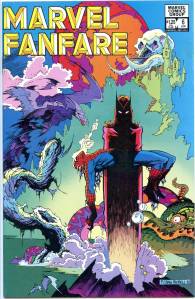
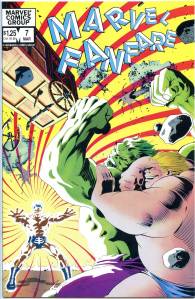
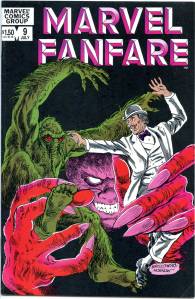
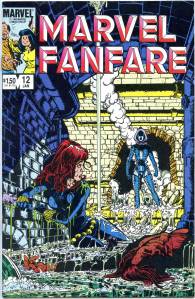
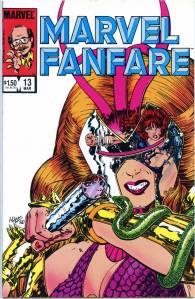
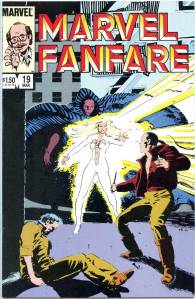
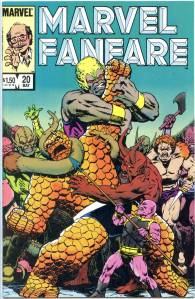
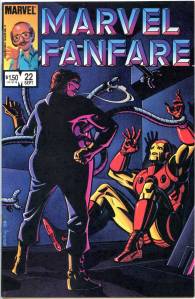
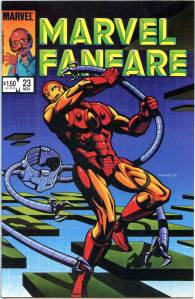
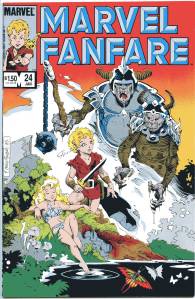
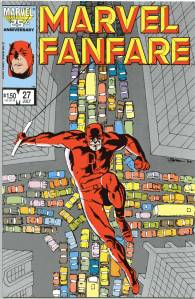
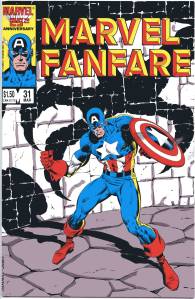
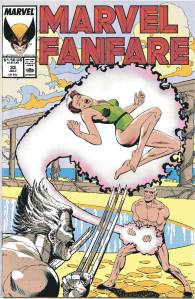
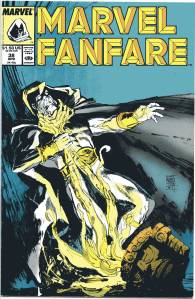
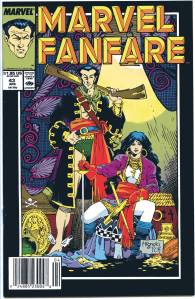
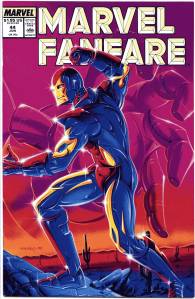
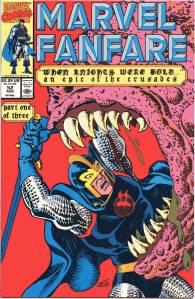
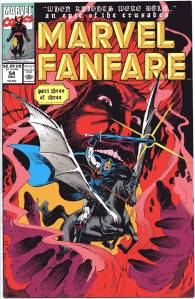
Marvel Fanfare was envisioned as a showcase of the comics industry’s best talent. Each issue featured 36 pages of material with no advertisements and it was printed on magazine-style slick paper. It was more than twice as expensive as standard comic books ($1.25 in 1982 when most titles were 60 cents and $2.25 in 1991 when most were $1).
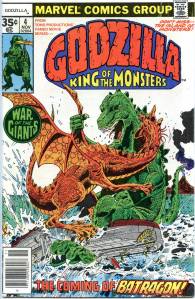
From 1977-79, Godzilla starred in a 24-issue run of comics written by Doug Moench, drawn by Herb Trimpe and published by Marvel Comics entitled Godzilla, King of the Monsters. The series thrusts Godzilla completely into the Marvel Universe. In a nod to King Kong vs. Godzilla, Godzilla first appears by bursting out of an iceberg near Alaska; although how the prehistoric creature came to be trapped again in ice is never revealed (although it is stated in the issue that this “will doubtless be determined in the future.”). Over the course of the series, he crosses the continental United States and eventually ends up in New York City.
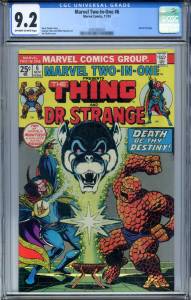
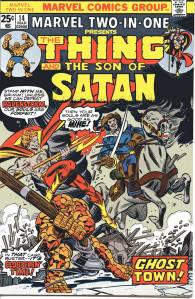
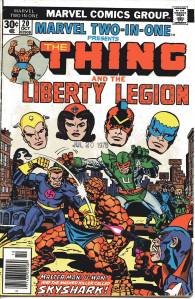
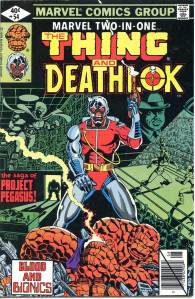
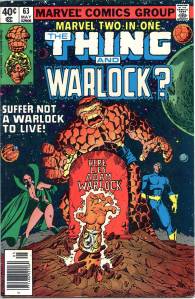
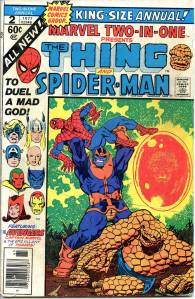
Marvel Two-in-One continued from the team-up stories starring the Thing in the final two issues of Marvel Feature and lasted for 100 issues from January 1974 through June 1983. Seven annuals were also published. Artist Ron Wilson began his long association with the title with issue #12 (November 1975) and worked on it throughout its run. With issue #17, the series had a crossover with Marvel Team-Up #47, which featured Spider-Man. The second Marvel Two-in-One Annual was a crossover with Avengers Annual #7 both of which were written and drawn by Jim Starlin. The “Project Pegasus” storyline in Marvel Two-in-One #53-58 saw the introduction of the name “Quasar” for the Wendell Vaughn characterand the transformation of Wundarr into the Aquarian.
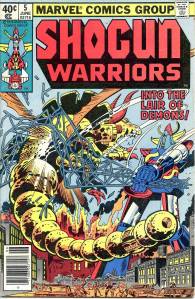
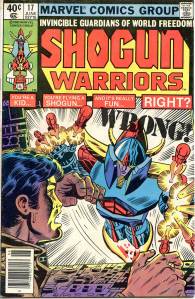
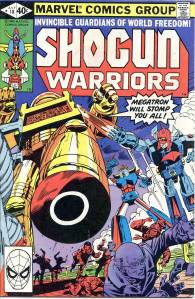
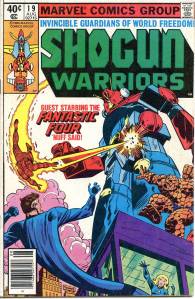
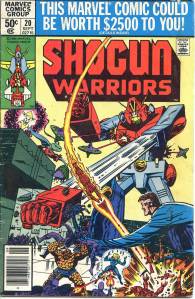
The Shogun Warriors characters were licensed by Marvel Comics to create a comic book series written by Doug Moench and drawn by Herb Trimpe. The series was composed of 20 issues that were published from February 1979 to September 1980. In the comic book series, the Shogun Warriors were created by a mysterious group called the Followers of the Light, and human operators were chosen from all around the world to operate the massive robots in order to battle evil.
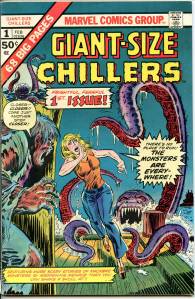
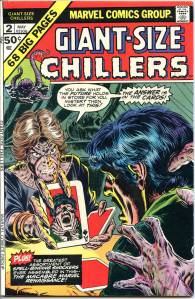
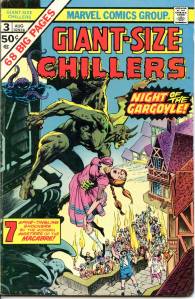
Giant Size Chillers V2 was publish in 1975 and lasted only 3 issues. They contained new Stories combined with 1950’s Atlas reprints. Some of the artists included, G.Kane, B.Everett, D.Heck, B.Wrightson, J.Kirby, G.Colan, BWSmith, A.Alcala & M.Severin.








































































 EHT Comics