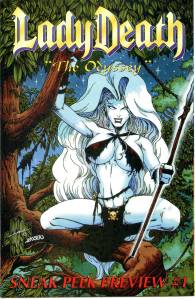
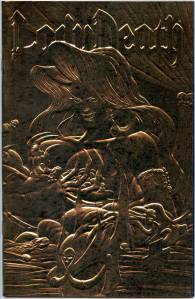
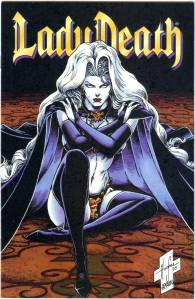
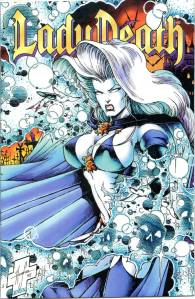
Lady Death, once the ruler of Hell falls prey to a band of barbaric pirates when the goddess Vandala sends her on an odyssey into the unknown, where her powers are at their weakest. Vandala forces Lady Death into acts of heroism, such as defeating the evil angel Agony, and the murderous siblings, Macabre and Malady. Meanwhile, Lucifer attempts to regain the throne of Hell by resurrecting his mighty warrior, Asteroth, and sending him on Lady Death’s trail.
Lady Death – The Odyssey Sneak Preview #1 NM $5Lady Death – The Odyssey #1 NM $12Lady Death – The Odyssey #3 NM $6Lady Death – The Odyssey #4 NM $6
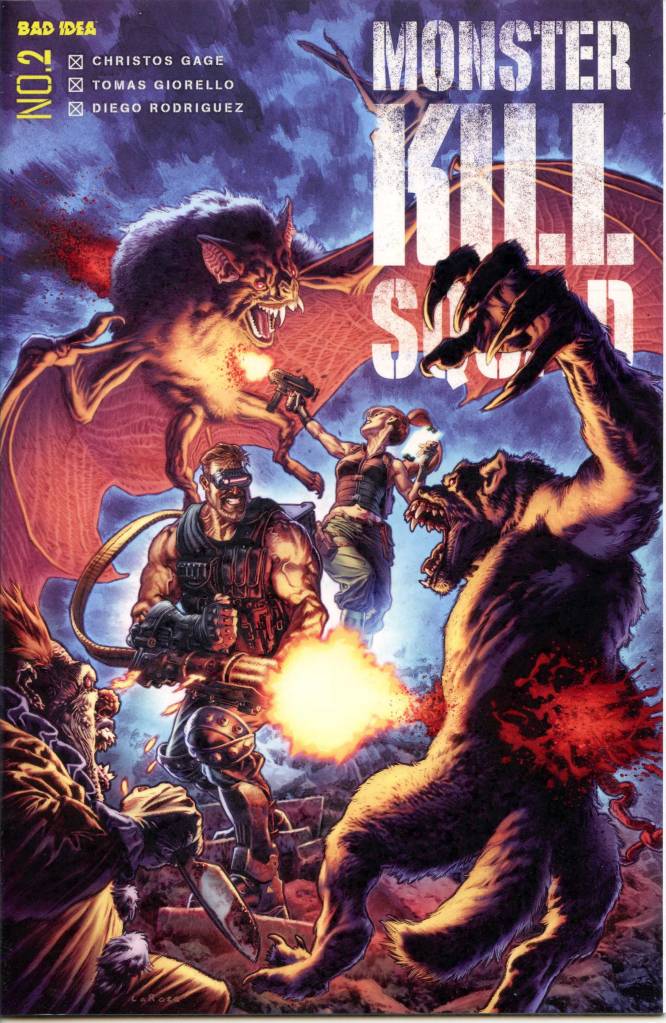
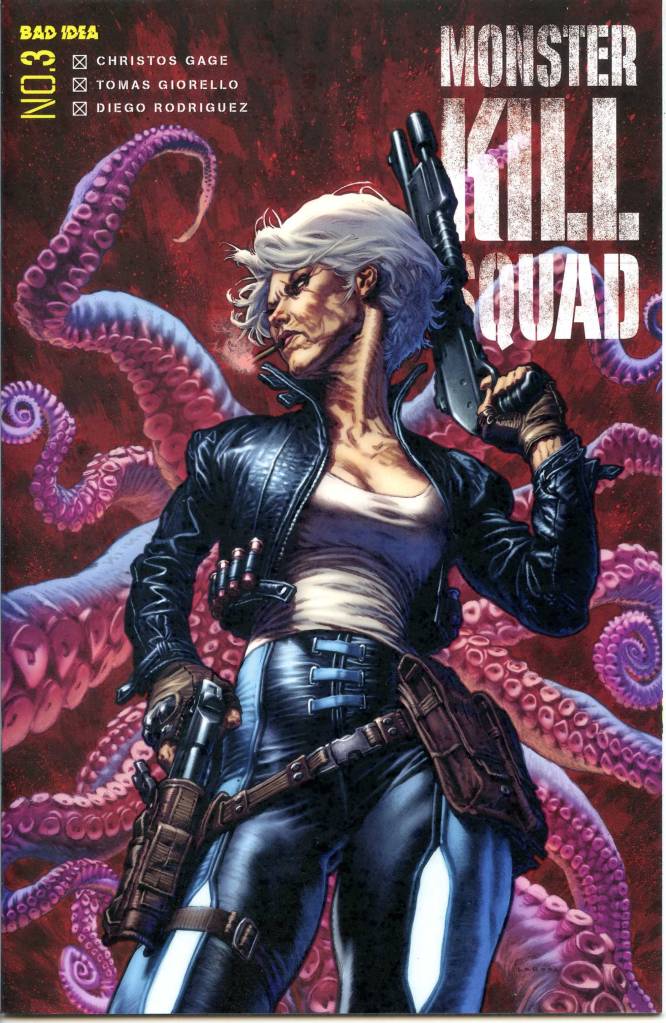
Once upon a time, monster attacks were rare. A forest witch might murder a few hikers, a killer clown might eat a few children, or a malevolent ghost might drive a young couple insane just for the hell of it. But these events were scarce, easily covered up, and soon faded into campfire stories good for a laugh. But no one’s laughing now. Over the past 90 days, cryptozoological attacks have increased a hundredfold, and the arcane has become everyday. Monsters of every shape and size strike at will, and the good, taxpaying folks of the US of A have had enough of this nonsense. Enter: THE MONSTER KILL SQUAD. A Government Unit of the most dangerous motherf-ckers on the planet, the deadliest folks alive are here to put a bullet in the brain of everything that walks, crawls, flies, or hides in shadows. And if it doesn’t have a brain, all the better — we’ve got a gun for that, too. Witches and wraiths. Demons and deadites. Goblins and ghosts. There have always been monsters. Now there are monster killers, and the MKS will kill it, and kill it good.
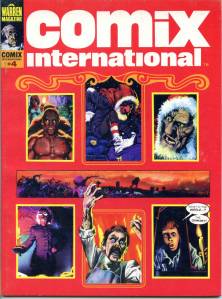
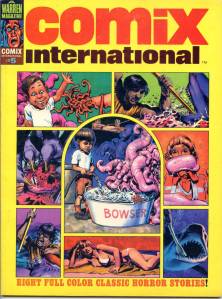
Comix International was a short-lived magazine comprised entirely of reprinted material (in color) from other Warren publications. With stories by Richard Corben, Reed Crandall, Wally Wood, Bernie Wrightson, and others. The name Comix International was originally to have been used for an underground title put together for Warren by Keith Green which never appeared.
Comix International #2 FN+ $20Comix International #3 FN-VFN $25Comix International #4 VF- $30Comix International #5 VF-NM $49
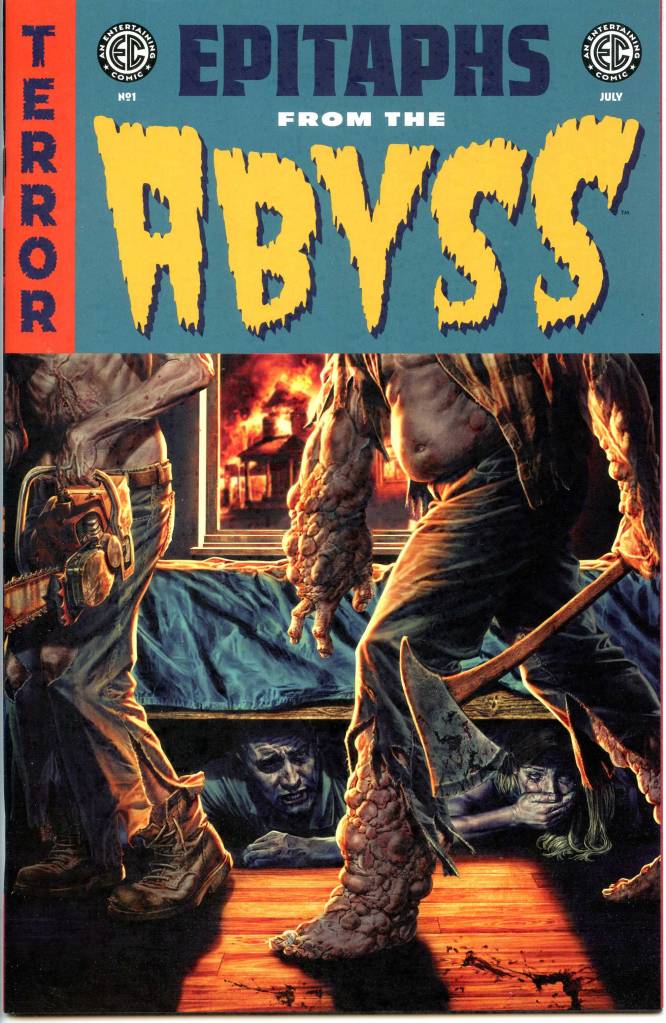
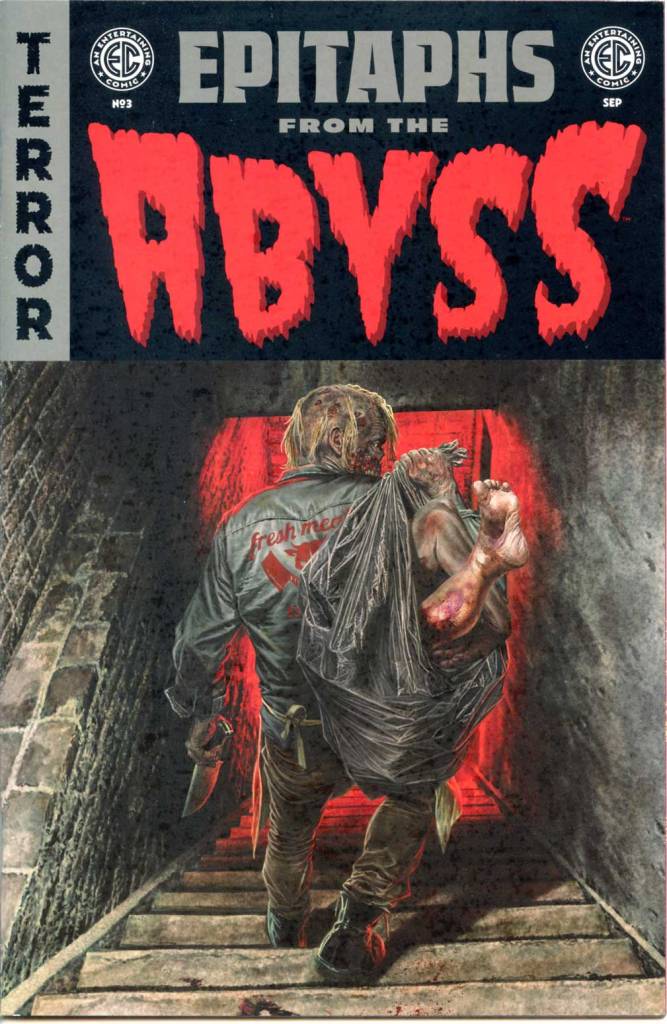
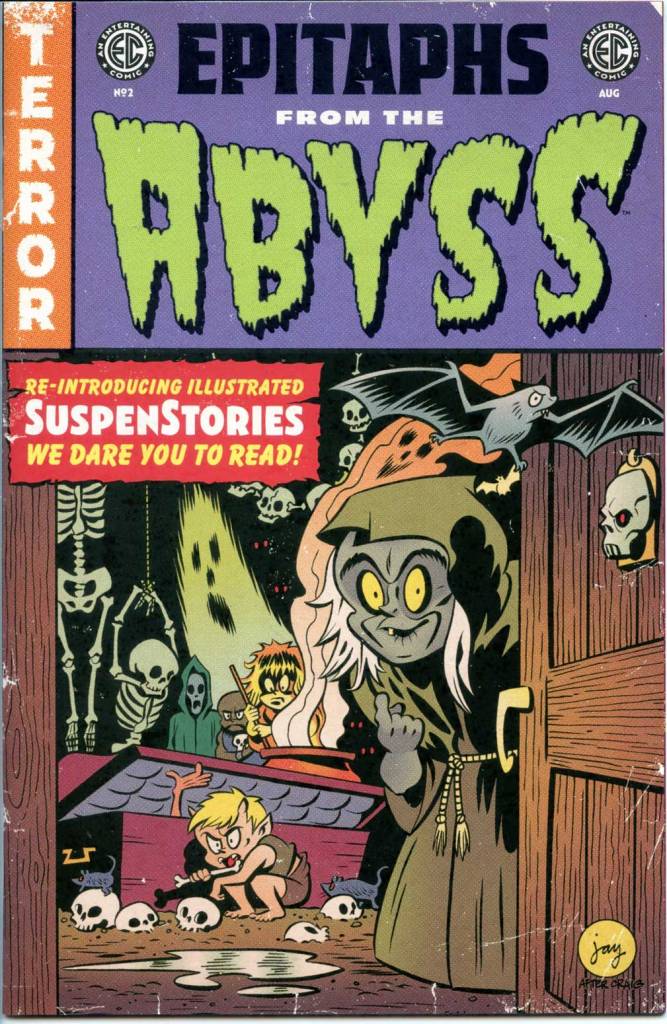
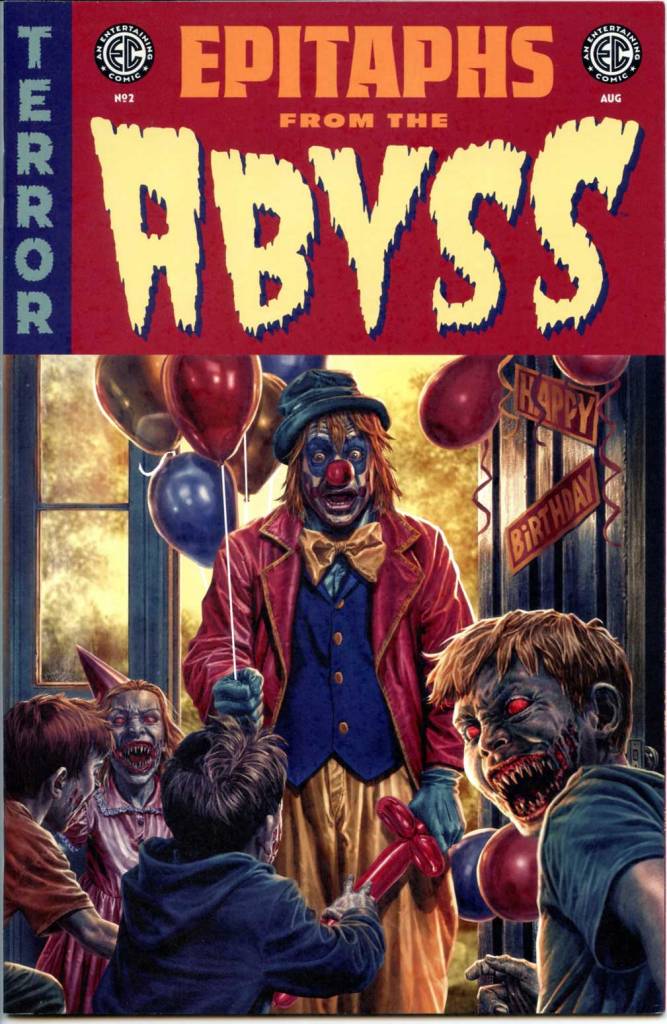
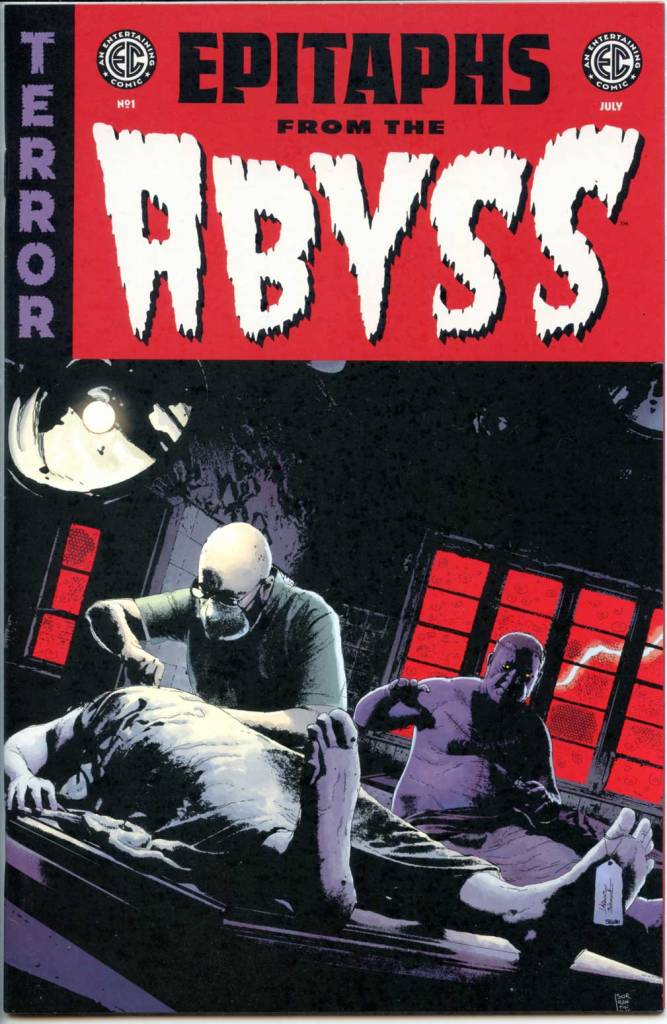
The most notorious name in terror is back with a vengeance! From the publisher that drove Tales from the Crypt, Vault of Horror, Haunt of Fear, and many more into the depraved hearts of an unsuspecting world, the immortal EC COMICS returns . . . with its first all-new series in nearly 70 years! What the Comics Code Authority couldn’t kill has only made it stronger . . . EC Comics lives again in Epitaphs from the Abyss!
Epitaphs from the Abyss #1A NM $9Epitaphs from the Abyss #3 NM $9Epitaphs from the Abyss #2 1:10 Variant NM $9Epitaphs from the Abyss #2 NM $9Epitaphs from the Abyss #1 NM $5
When the children of Archer’s Peak—a sleepy town in the heart of America—begin to go missing, everything seems hopeless. Most children never return, but the ones that do have terrible stories—impossible details of terrifying creatures that live in the shadows. Their only hope of finding and eliminating the threat is the arrival of a mysterious stranger, one who believes the children and claims to be the only one who sees what they can see. Her name is Erica Slaughter. She kills monsters. That is all she does, and she bears the cost because it must be done.
Something is Killing the Children #11 NM $5
Something is Killing the Children #12 NM $5
Something is Killing the Children #19 NM $4
Something is Killing the Children #22B NM $5
Something is Killing the Children #22C NM $5
Something is Killing the Children #24 NM $4
Something is Killing the Children #25 NM $4
Something is Killing the Children #25 B NM $5
Book of Slaughter #1 Virgin Variant NM $12
Book of Butcher #1 Virgin Variant NM $9
Something is Killing the Children #28 Battle Damage Variant NM $29
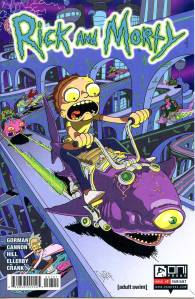
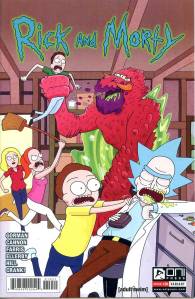
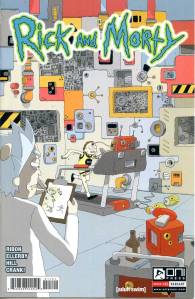
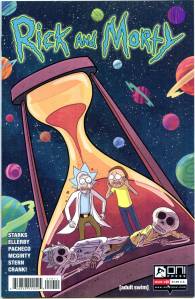
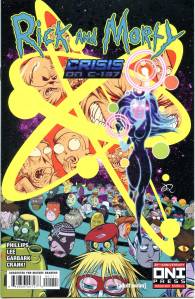
On April 1, 2015, a Rick and Morty comic book adaptation debuted with its first monthly issue, entitled “BAM!” The series is written by Zac Gorman and illustrated by CJ Cannon.[71] Artist Tom Fowler wrote a multi-issue story arc that began in March 2016. Using the television series’ established premise of alternate timelines, the comic book expressly features the Rick and Morty (and supporting cast) of a different timeline, allowing the comics to tell stories without conflicting with the canon of the show.
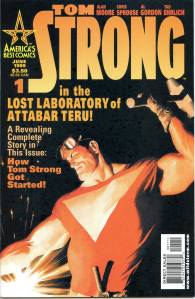
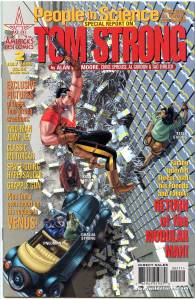
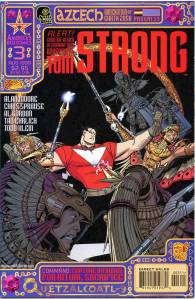
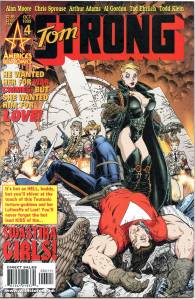
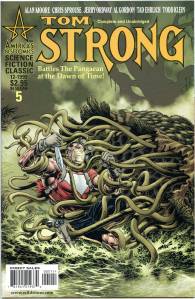
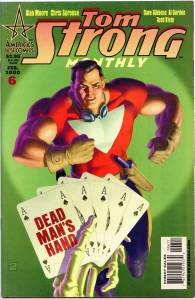
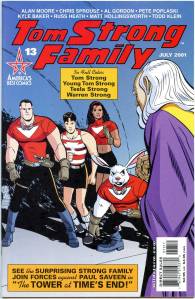
Tom Strong is a comic book created by writer Alan Moore and artist Chris Sprouse, initially published bi-monthly by America’s Best Comics, an imprint of DC Comics‘ Wildstorm division. Tom Strong, the title character, is a “science hero”, with a wife, Dhalua, and a daughter, Tesla, both with enhanced physical and mental abilities and longevity. He lives in a building called The Stronghold in Millennium City. He is also helped by Pneuman, a steam-poweredrobot, and King Solomon, a gorilla with human characteristics. His greatest foe is tuxedo-clad “science villain” Paul Saveen. The series explores many different timelines and universes, which are a nod to different comic genres. The primary characters are tributes to and spoofs of early pulp heroes.
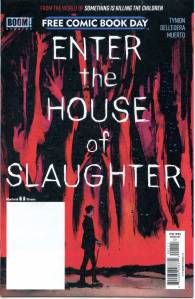
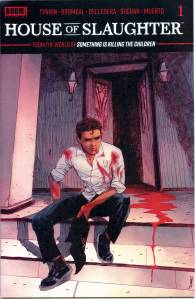
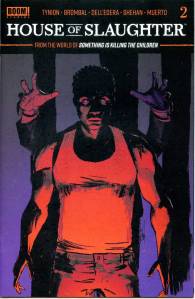
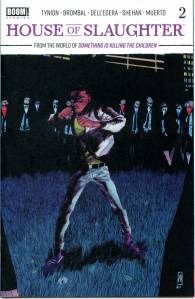
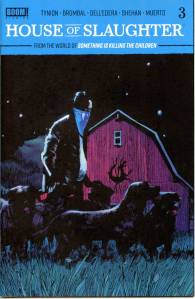
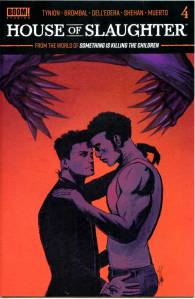
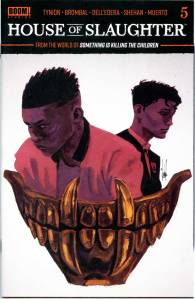
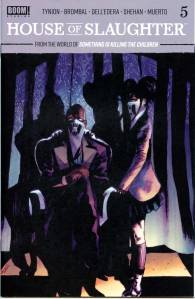
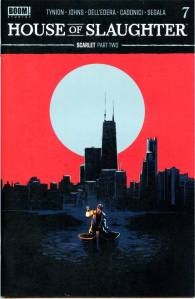
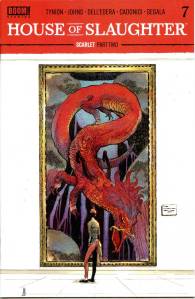
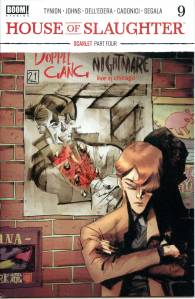
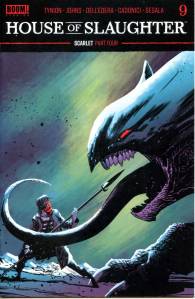
Discover the inner workings of the House of Slaughter in this new horror series exploring the secret history of the Order that forged Erica Slaughter into the monster hunter she is today. You know Aaron Slaughter as Erica’s handler and rival. But before he donned the black mask, Aaron was a teenager training within the House of Slaughter. Surviving within the school is tough enough, but it gets even more complicated when Aaron falls for a mysterious boy destined to be his competition.
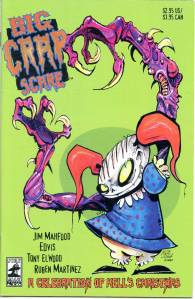
Big Crap Scare: A Celebration of Hell’s Christmas. A wonderful holiday anthology comic from the maniacs that brought you The Disposable Assassin! Bill Marvell by Mondy Carter & Ruben Martinez… Dr. Grave by Edvis… Zombie Kid by Jim Mahfood… Crazy Train by Rob Schrab & Tony Elwood.
Big Crap Scare – A Celebration of Hell’s Christmas NM- $22
Step into the thrilling pages of Spellbound, a classic Atlas comics series that captivated readers in the 1950s. Through the expert craftsmanship of writer Sol Brodsky and talented artists, Spellbound brings to life unforgettable characters and stunning visuals that will linger in your mind long after you close the cover. Don’t miss out on this captivating series that defined the golden age of Atlas comics.