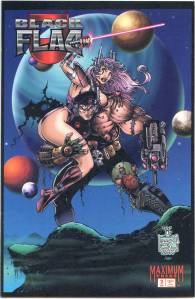
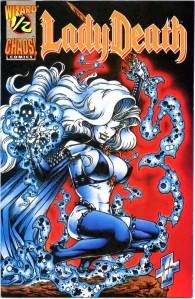
The setup of the series is that a para-military group called Black Flag is formed and funded by April Imoto, aka Geisha, who inherited her father’s billion dollar empire after he was executed. One of the members of Black Flag is Raiden, a master of mysticism. Using his powers, he sees a young boy in trouble, fighting to escape Hades, and a purple gorilla who was the subject of numerous experiments to make him a genius fighting machine. Raiden senses and imbalance in the universe due to these events and Black Flag rescues both of these characters and begin their adventure together as a team.
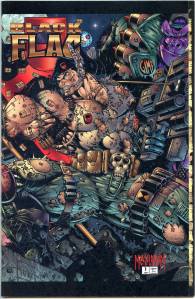
Category: Independent Iron Age
Hit-Girl (2012)
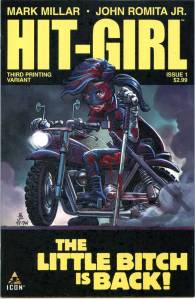
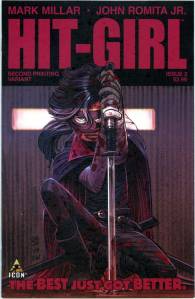
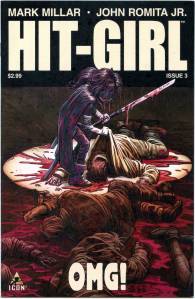
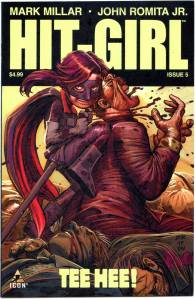
Hit-Girl spins off into her own blood-soaked series by the sales-busting creative team of Mark Millar and John Romita Jr. This story takes place between Kick-Ass Volumes 1 and 2 as Mindy McCready tries to settle into life as a regular school-girl, but wants nothing more than to be dispensing hot justice to the scum of New York City. Her mother and step-father think she’s doing her homework, but in reality she’s taken Kick-Ass on as her sidekick and is training him up to punch, shoot and stab … just like Daddy would have wanted.
Blade Runner 2029 (2020)
Blade Runner Ash hunts the streets of Los Angeles for renegade Replicants. She finds her loyalties and humanity challenged by two Replicants… one offering her salvation, the other deadly damnation.
Gizmo (1986)
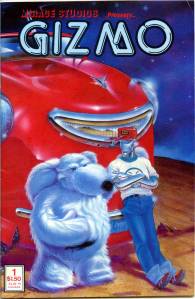
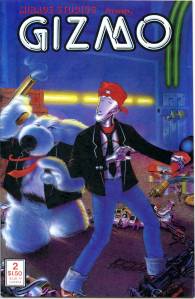
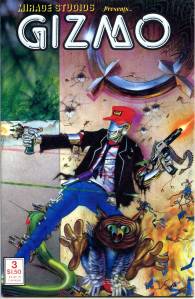
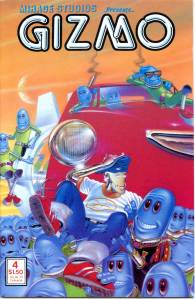
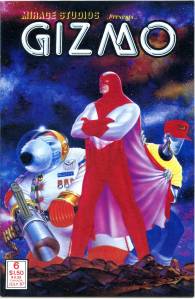
Gizmo is a black and white comic book series created, written, and illustrated by Michael Dooney first published by Chance Enterprises, and later published by Mirage Studios in May 1986. It tells about the story of two space adventurers: Gizmo Sprocket, a robot with a cool attitude, and Fluffy Brockleton, an anthropomorphic dog. They are accompanied by Soto, a sentient, pan-dimensional space vehicle that resembles a trailer truck. Gizmo has crossed over with the character Fugitoid from Teenage Mutant Ninja Turtles.
Jim & Frank (1993)
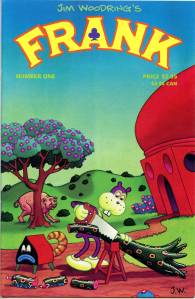
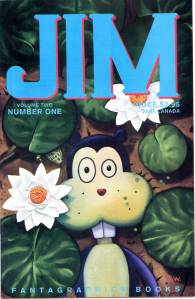
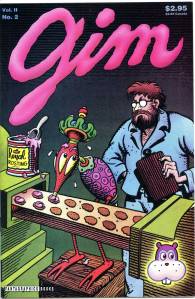
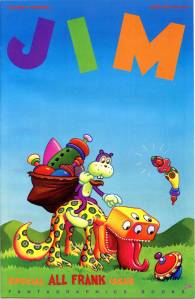
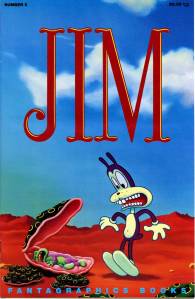
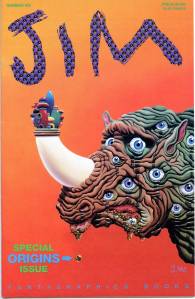
Jim is a series created by Jim Woodring. It began in 1980 as a self-published zine and was picked up by Fantagraphics Books in 1986 after cartoonist Gil Kane introduced Woodring to Fantagraphics co-owner Gary Groth. The publisher released four magazine-sized black-and-white issues starting in September 1987. A comic book-sized continuation, Jim Volume II, with some color, began in 1993 and ran for six issues until 1996.
Jim, which Woodring described as an “autojournal”, contained comics on a variety of subjects, many based on dreams, as well as surreal drawings and free-form text which resembled Jimantha automatic writing. Besides dreams, the work drew on Woodring’s childhood experiences, hallucinations, past alcoholism, and Hindu beliefs. It also included stories of recurring Woodring characters such as Pulque (the embodiment of drunkenness), boyhood friends Chip and Monk, and, in Volume II, his signature creation Frank.
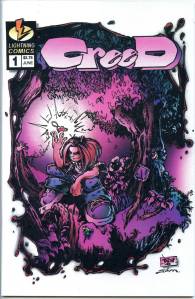
Creed (1994)
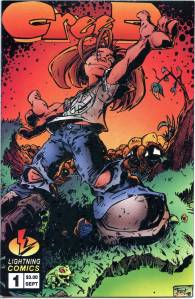
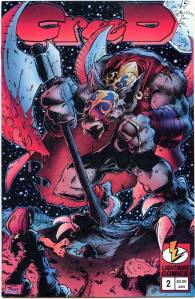
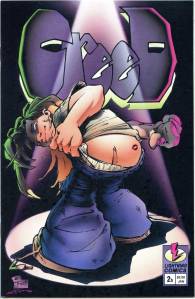
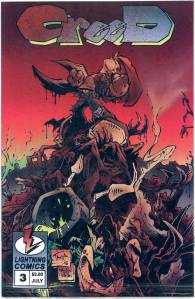
Creed is the brainchild of Trent Kaniuga, a young man who began writing, drawing, and publishing the book when he was seventeen years old. Creed is also thirteen-year-old Mark Farley, a young man whose mission is to rid the dream world of evils, and he does all this under the guidance of a talking frog named Cascan Jep. Mark is also aware that he is a comic book character, and he doesn’t care for the fact that he cannot age. You see, comic book heroes don’t age. His friends will one day leave him behind, and he will be forever thirteen. This is intriguing stuff, and the influence of Todd McFarlane (Spawn) on Kaniuga’s work is quite apparent.
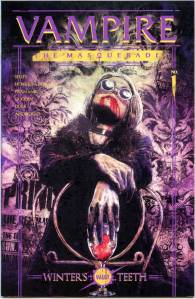
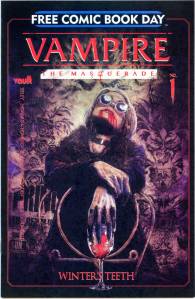
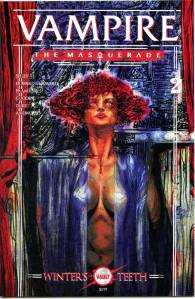
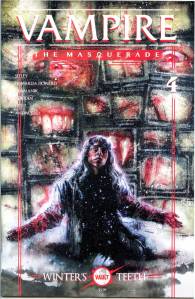
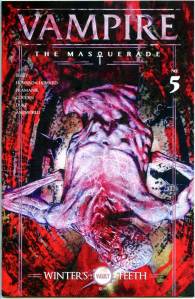
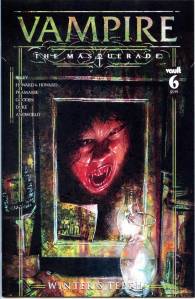
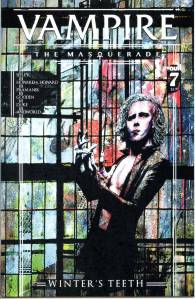
Vampire: The Masquerade – Winter’s Teeth (2020)
When Cecily Bain, an enforcer for the Twin Cities’ vampiric elite, takes a mysterious new vampire under her wing, she’s dragged into an insidious conspiracy. Meanwhile, on the outskirts of the cities, a rebellious found-family of vampire cast-outs investigates a vicious killing. As the unlives of the Kindred twine together and betrayals are unearthed, will Cecily be able to escape and save what’s left of her family, or will she be yet another pawn sacrificed to maintain the age-old secret: that vampires exist among the living?
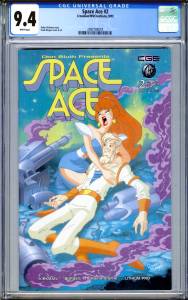
Space Ace (2003)
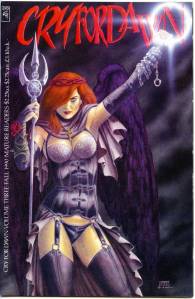
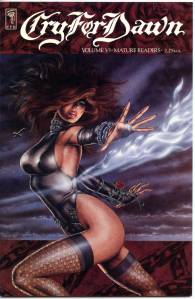
Cry for Dawn (1989)
Cry for Dawn was a 9-issue horror anthology comic book. The book was primarily written by Joseph Michael Linsner and Joseph Monks with artwork by Joseph Michael Linsner.The series featured guest artist and writers in some issues, but the work was largely performed by Linsner and Monks. It was published by Cry for Dawn Productions from 1989–1992 and is famous for introducing the character of Dawn, the goddess of birth and rebirth. Although Dawn served as an emcee in the Cry for Dawn issues, she would later have many titles dedicated to her journeys through heaven and hell across multiple spin-off titles for Sirius Entertainment, Image Comics, and Linsner.com.
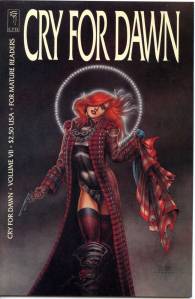
Cry for Dawn was a mature-readers-only title that hit during the peak of the 90’s independent comic rise. Due to the artwork by Linsner and the cutting-edge subject matter that the series dealt with, the titled developed a cult following that has continued in the decades following the publication.
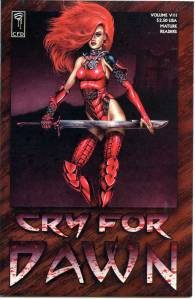
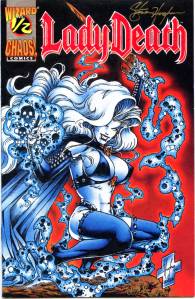
Lady Death – The Reckoning (1994)
Lady Death was originally published by Chaos Comics and remains one of the best examples of the bad girl titles that took the American comic book industry by storm during the late 1990s. The earliest issues of Lady Death were written by Brian Pulido and illustrated by Steven Hughes. Lady Death was originally conceived as a violent anti-hero, but subsequent iterations have toned down the more controversial aspects of the character.