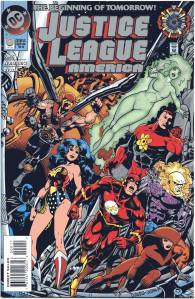
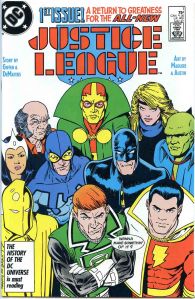
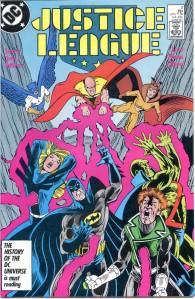
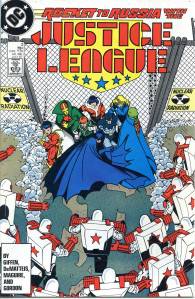
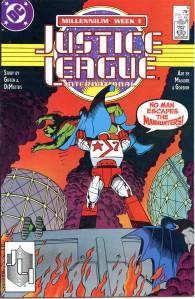
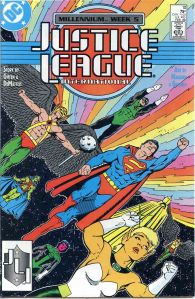
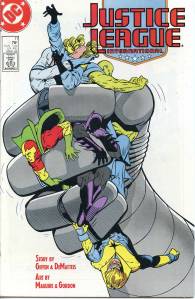
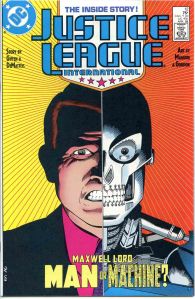
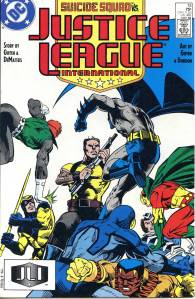
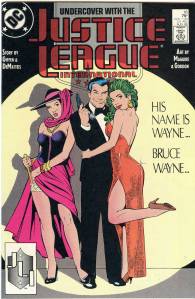
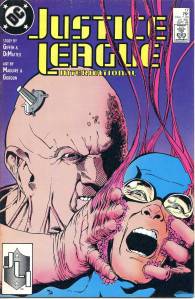
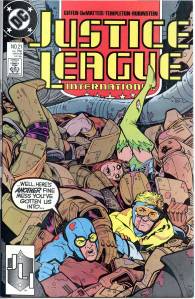
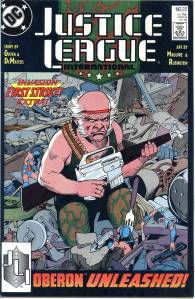
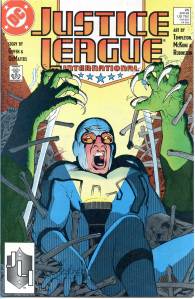
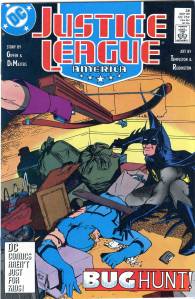
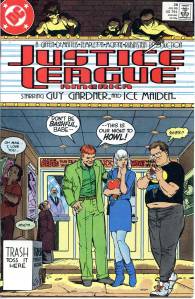
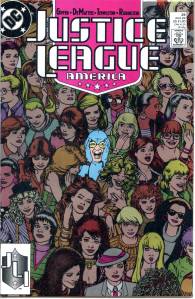
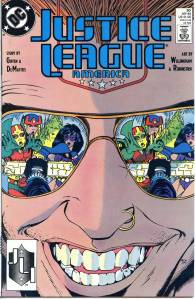
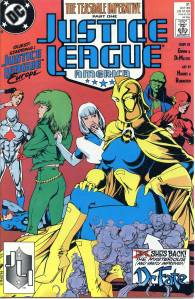
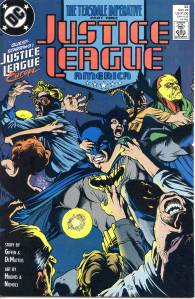
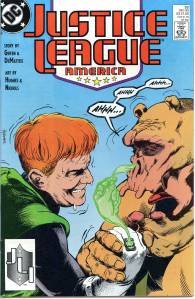
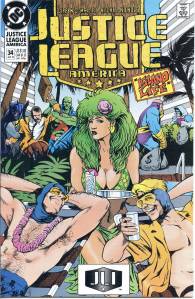
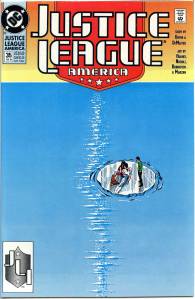
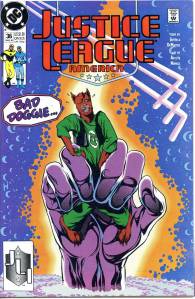
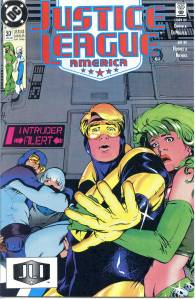
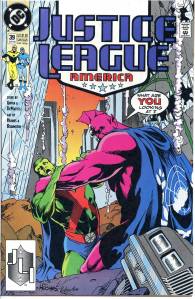
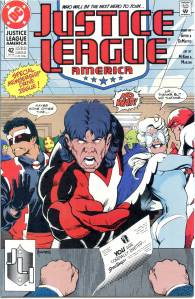
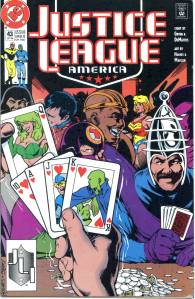
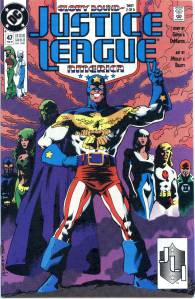
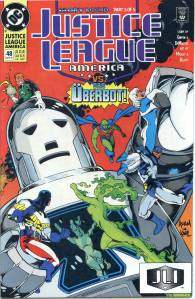
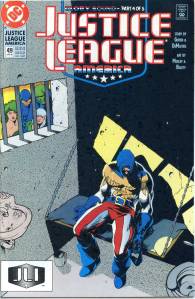
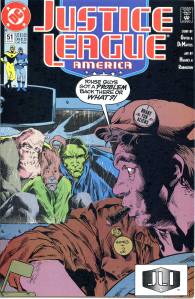
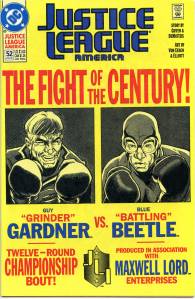
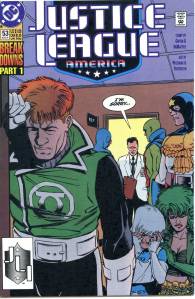
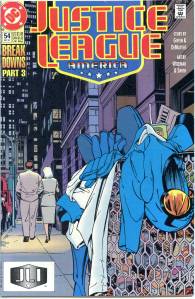
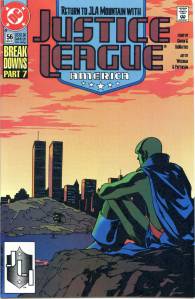
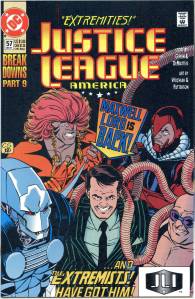
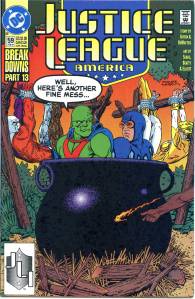
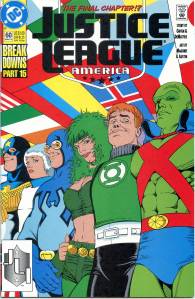
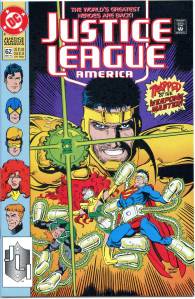
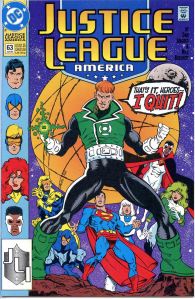
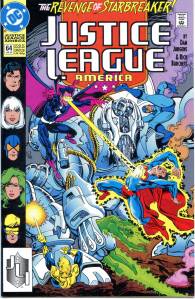
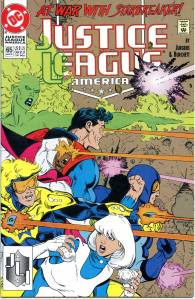
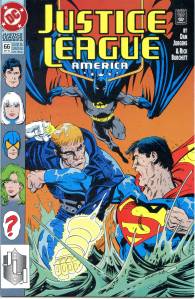
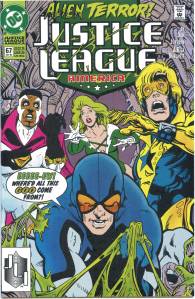
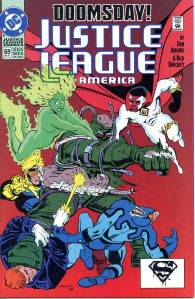
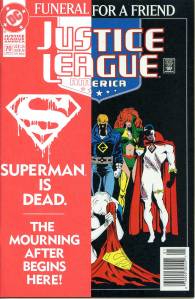
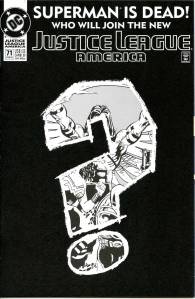
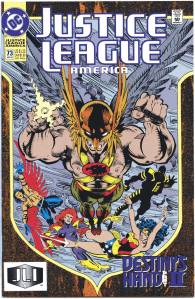
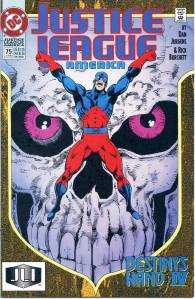
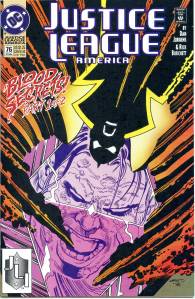
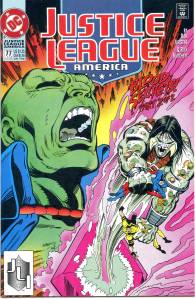
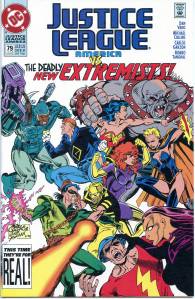
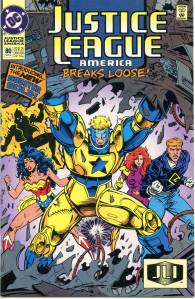
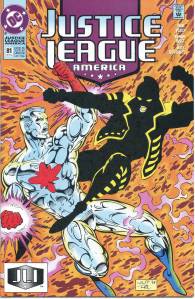
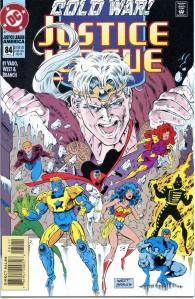
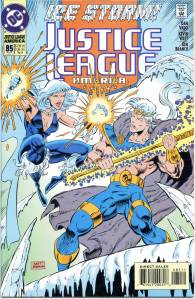
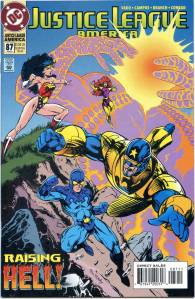
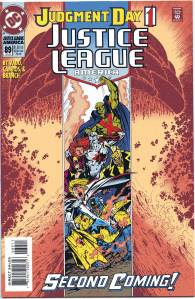
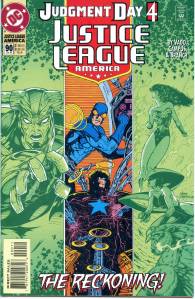
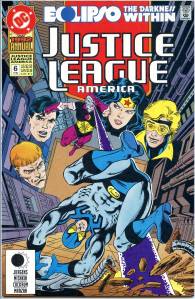
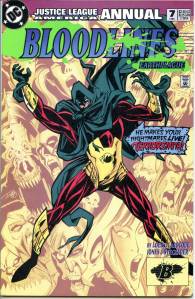
The 1986 company-wide crossover “Legends” concluded with the formation of a new Justice League. The new team was dubbed “Justice League” then “Justice League International” (JLI) and was given a mandate with less of an American focus. The new series, written by Keith Giffen and J. M. DeMatteis with art by Kevin Maguire (and later Adam Hughes), added quirky humor to the team’s stories. In this incarnation, the membership consisted partly of heroes from Earths that, prior to their merging in the Crisis on Infinite Earths, were separate. The Giffen/DeMatteis team worked on Justice League for five years and closed out their run with the “Breakdowns” storyline in 1991 and 1992. The series’ humorous tone and high level of characterization proved very popular.
Justice League #0 NM- $3Justice League #1 VF+ $8Justice League #2 NM- $5Justice League #2 VF+ $3Justice League #3 NM $6Justice League #5 VF+ $4Justice League #6 VF+ $3Justice League #9 NM- $3Justice League #10 NM $4Justice League #11 NM $4Justice League #12 NM $4Justice League #13 NM $4Justice League #16 NM $4Justice League #17 NM- $3Justice League #18 NM $26Justice League #19 NM $14Justice League #20 NM $9Justice League #21 NM $6Justice League #22 NM $4Justice League #23 NM $4Justice League #24 NM $4Justice League #25 NM $4Justice League #26 NM $4Justice League #27 NM $4Justice League #28 NM $4Justice League #29 NM $4Justice League #30 NM- $3Justice League #31 NM $9Justice League #32 NM $5Justice League #33 NM $4Justice League #34 NM $6Justice League #35 NM $4Justice League #36 NM $4Justice League #37 NM $4Justice League #38 NM $4Justice League #39 NM $4Justice League #40 NM $5Justice League #41 NM $4Justice League #42 NM $4Justice League #43 NM $4Justice League #47 NM $4Justice League #48 NM $4Justice League #49 NM $4Justice League #50 NM $4Justice League #51 NM- $3Justice League #52 NM- $3Justice League #53 NM $4Justice League #54 NM $4Justice League #56 NM $5Justice League #57 NM $4Justice League #59 NM $4Justice League #60 NM $4Justice League #61 NM $5Justice League #62 NM $4Justice League #63 NM $4Justice League #64 NM $4Justice League #65 NM $4Justice League #66 NM $4Justice League #67 NM $4Justice League #69 NM $9Justice League #70 NM $4Justice League #71 NM $3Justice League #73 NM $4Justice League #75 NM $4Justice League #76 NM $5Justice League #77 NM- $4Justice League #79 NM $4Justice League #80 NM $4Justice League #81 NM $4Justice League #84 NM $4Justice League America #85 NM $4Justice League America #87 NM $4Justice League #89 NM $4Justice League America #90 NM $4Justice League #92 NM $3Justice League America #93 NM $5Justice League America #94 NM $4Justice League America #95 NM $4Justice League Annual #5 NM $4Justice League Annual #6 NM $4Justice League Annual #7 NM $4
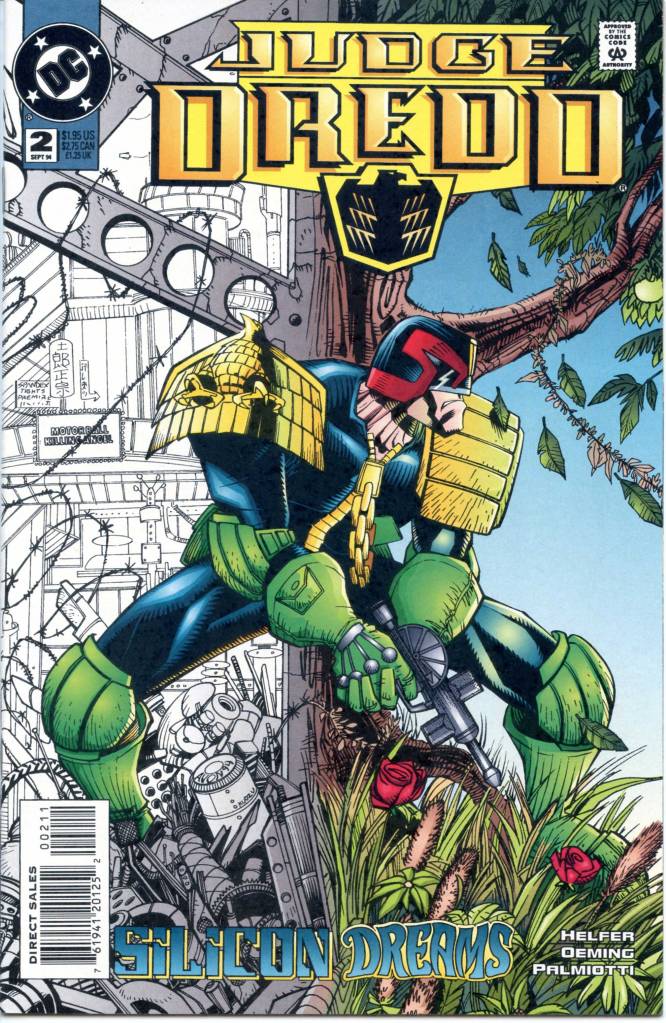
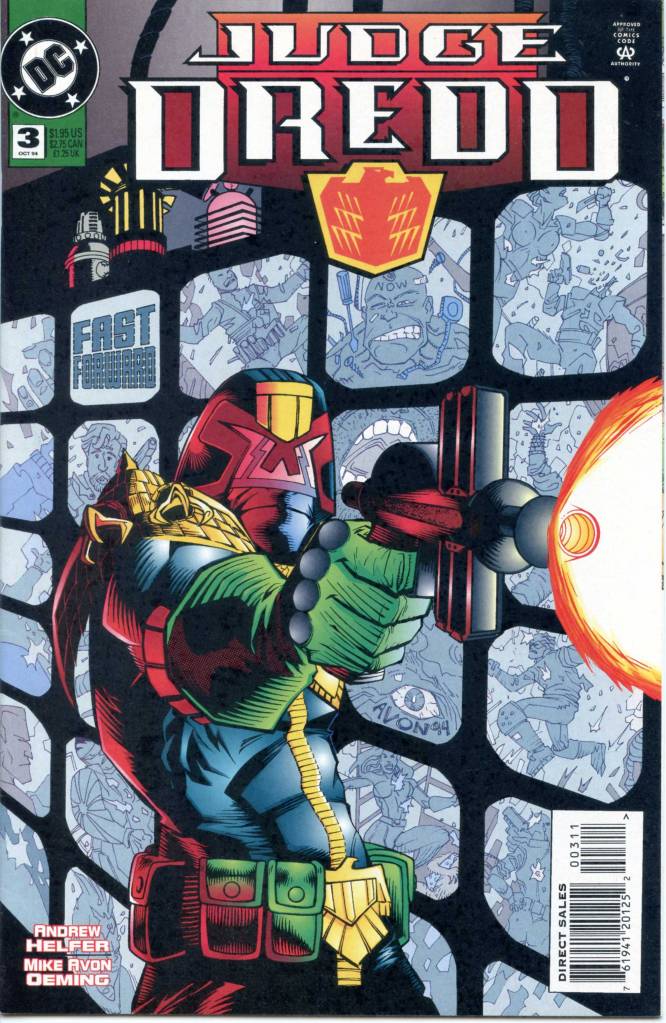
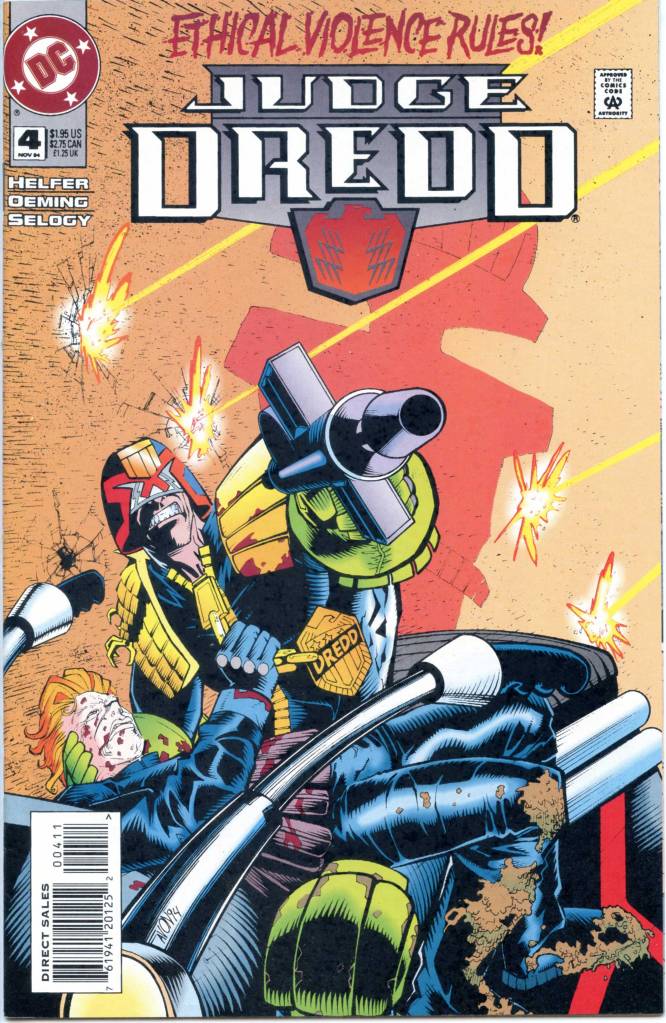
The Law comes to DC Comics! Judge Dredd storms North America in all-new, all-different adventures. In the post-apocalyptic future world of Mega-City One, where crime and corruption are rampant, the pseudo-militaristic Judges are the only true force for order in a world of seething anarchy. And the most uncompromising of these 21st-century law men is Judge Dredd, a man who lives by the law – and the gun – as he redefines crime and punishment in the not-too-distant future.
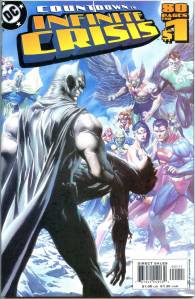
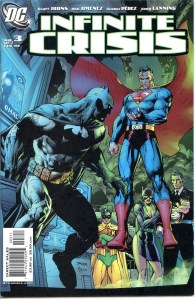
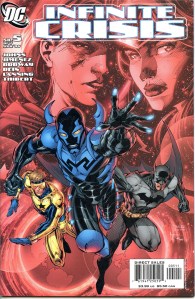
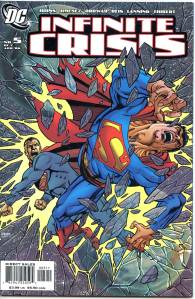
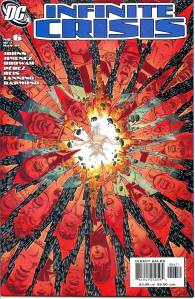
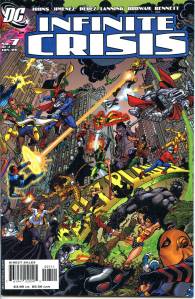
“Infinite Crisis” is a 2005–2006 comic book storyline published by DC Comics, consisting of an eponymous, seven-issue comic booklimited series written by Geoff Johns and illustrated by Phil Jimenez, George Pérez, Ivan Reis, and Jerry Ordway, and a number of tie-in books. The main miniseries debuted in October 2005, and each issue was released with two variant covers: one by Pérez, and one by Jim Lee and Sandra Hope.
The series storyline was a sequel to DC’s 1985 limited series Crisis on Infinite Earths, which “rebooted” much of the DC continuity in an effort to fix 50 years of contradictory character history. It revisited characters and concepts from that earlier Crisis, including the existence of DC’s Multiverse. Some of the characters featured were alternate versions of comic icons such as an alternate Superman named Kal-L, who came from a parallel universe called Earth-Two. A major theme was the nature of heroism, contrasting the often dark and conflicted modern-day heroes with memories of “lighter” and ostensibly more noble and collegial heroes of American comic books’ earlier days.
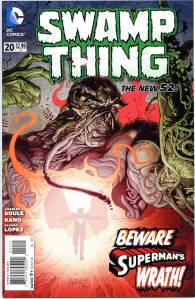
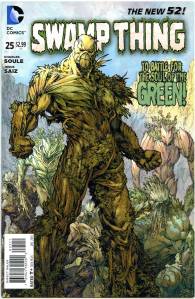
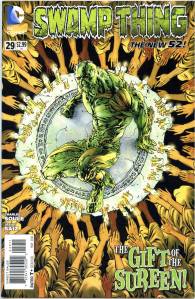
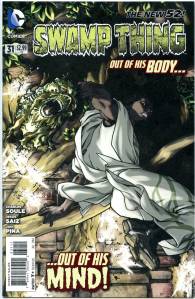
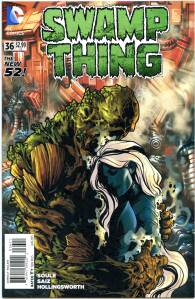
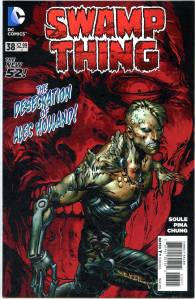
Swamp Thing (Volume 5) is one of “The New 52” ongoing series published after Flashpoint. It tells the story of Alec Holland‘s transformation into Swamp Thing following his resurrection from death.
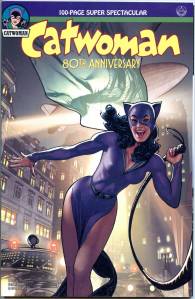
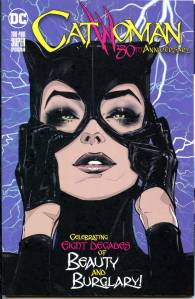
Our gal Catwoman turns 80 (and looking very good, if we meow say), and DC is celebrating with nothing less than with a huge soiree, invite only, packed with creators who mean the most to her and to whom she means the most! Stories featured in this 100-page spectacular include a tail-sorry, tale-that takes place at the end of the Brubaker/Stewart Catwoman run, in honor of artist Darwyn Cooke. Plus, Catwoman is caught by an exotic cat collector, runs into a wannabe thief trying to prove himself as her apprentice, encounters a mystery involving memorabilia from alternate continuities, and of course some Bat/Cat fun.
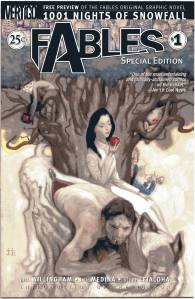
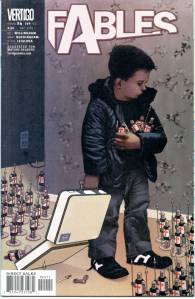
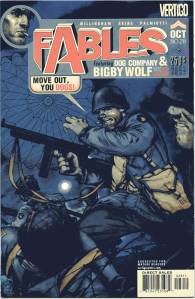
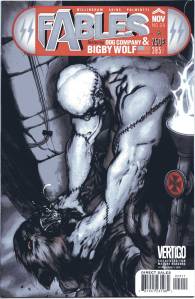
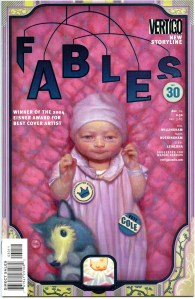
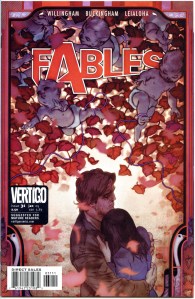
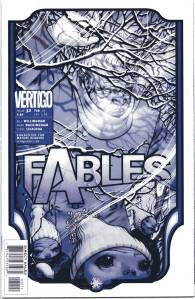
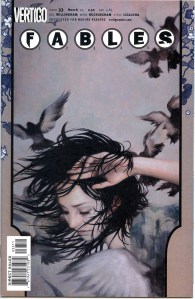
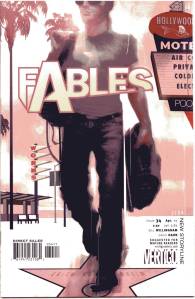
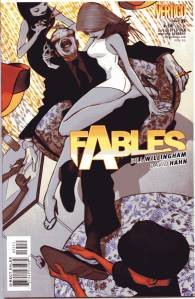
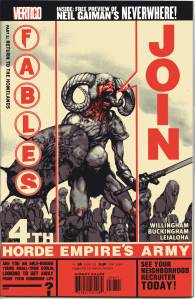
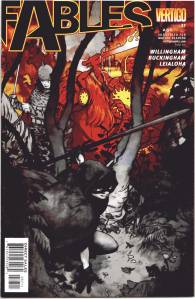
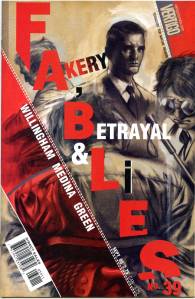
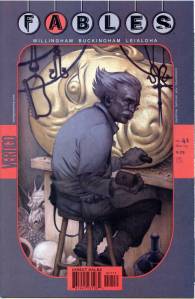
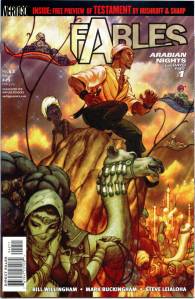
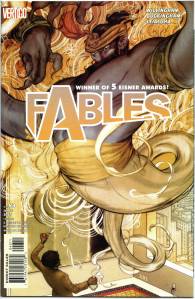
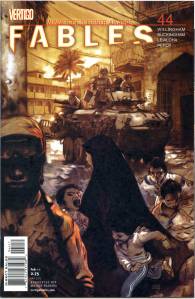
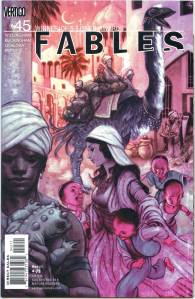
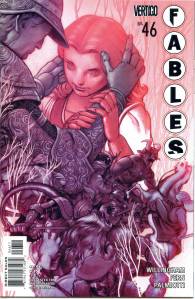
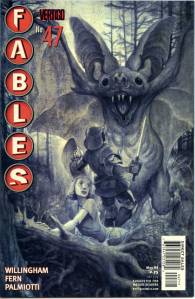
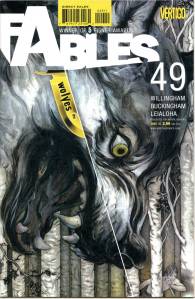
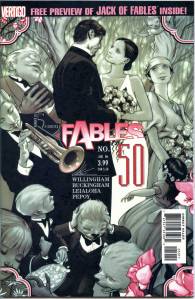
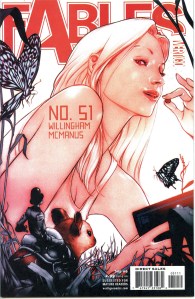
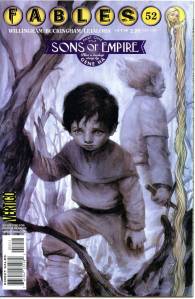
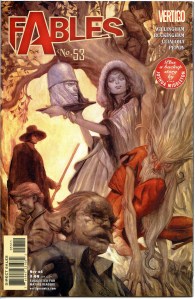
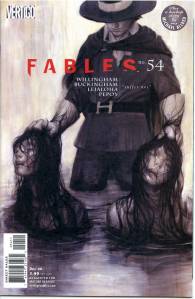
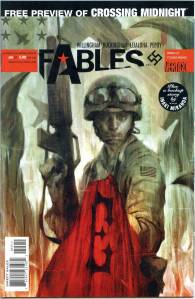
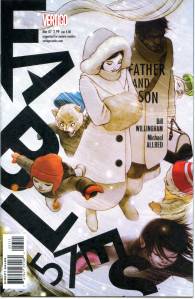
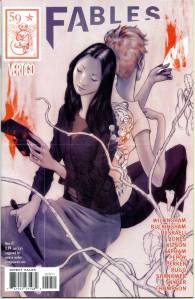
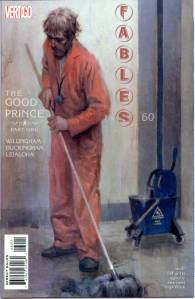
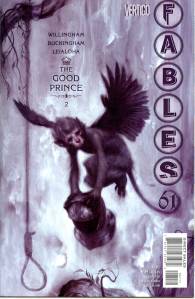
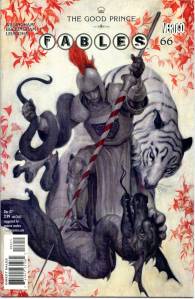
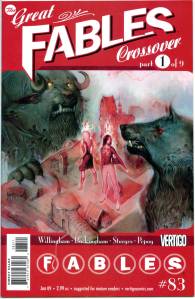
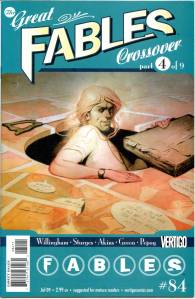
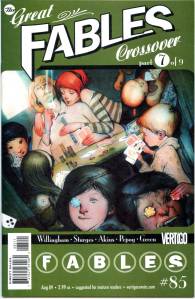
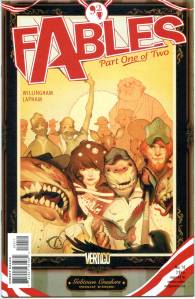
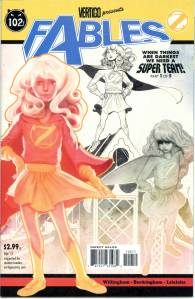
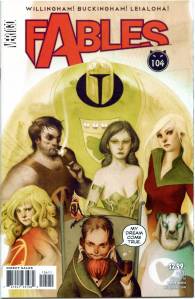
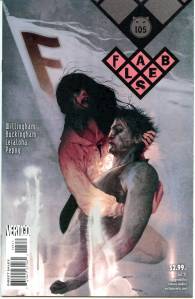
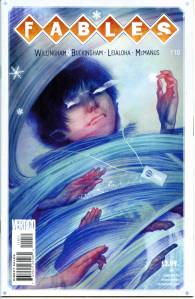
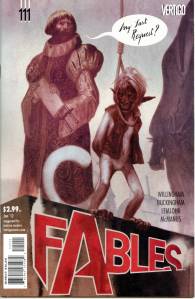
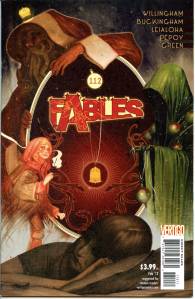
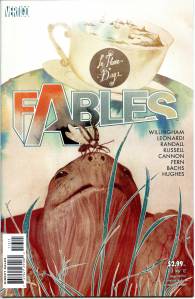
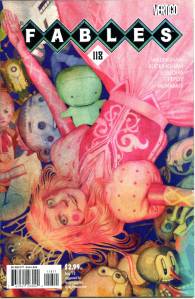
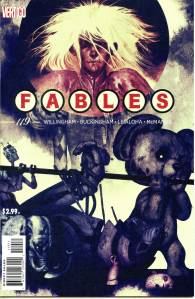
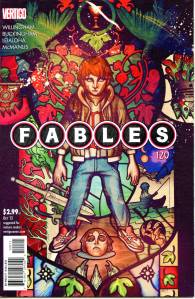
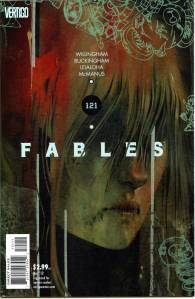
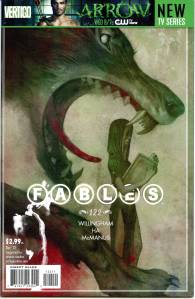
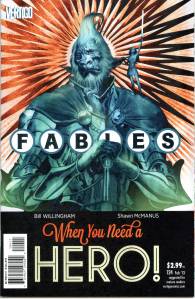
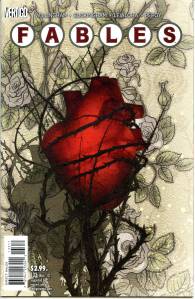
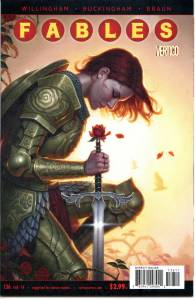
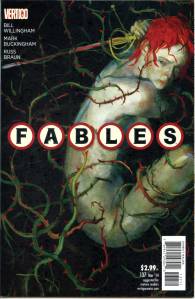
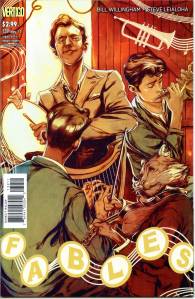
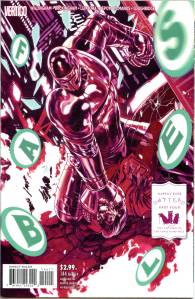
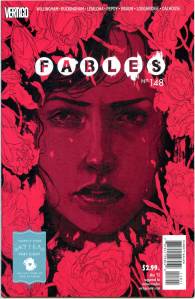
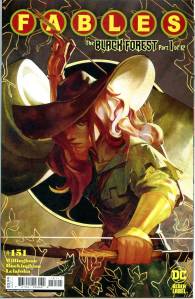
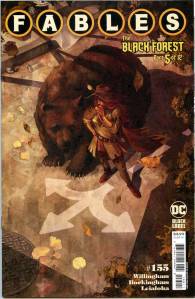
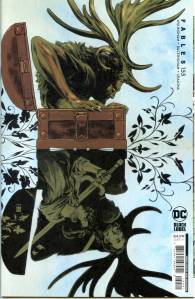
Fables was a series published by DC Comics‘s Vertigo imprint beginning in 2002. The series deals with various people from fairy tales and folklore – referring to themselves as “Fables” – who have been forced out of their Homelands by “The Adversary” who has conquered the realm. The Fables have traveled to our world and formed a clandestine community in New York City known as Fabletown. Fables who are unable to blend in with human society (such as monsters and anthropomorphic animals) live at “the Farm” in upstate New York.
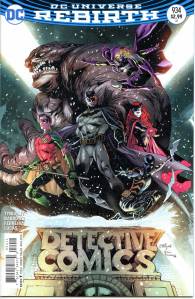
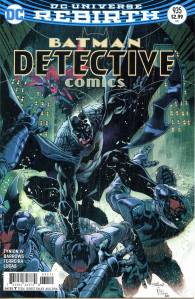
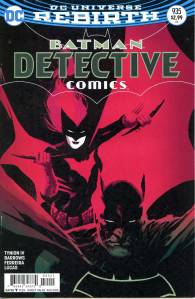
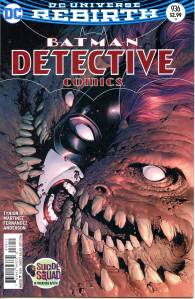
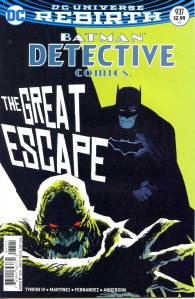
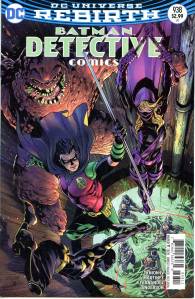
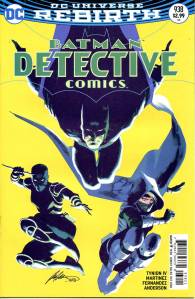
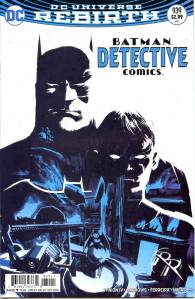
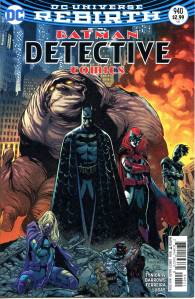
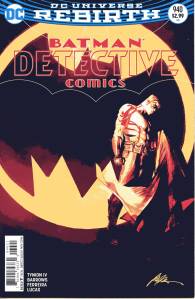
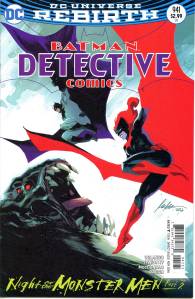
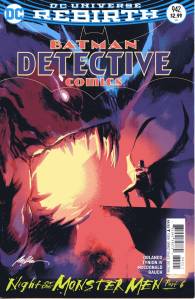
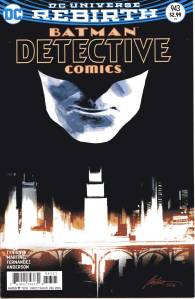
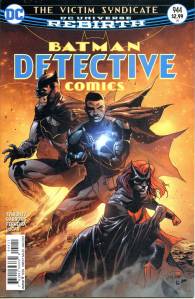
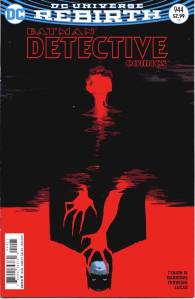
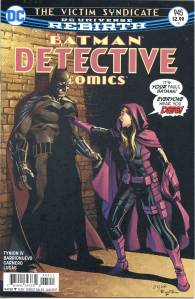
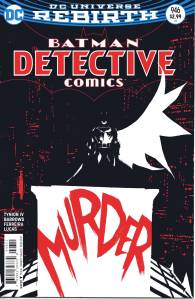
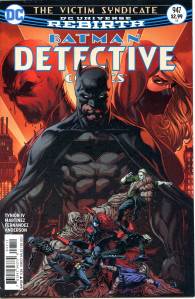
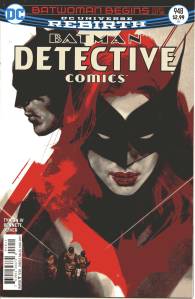
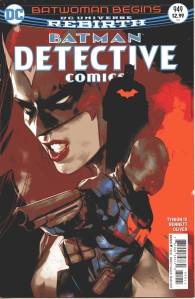
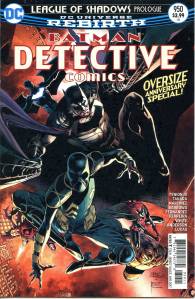
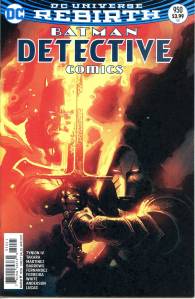
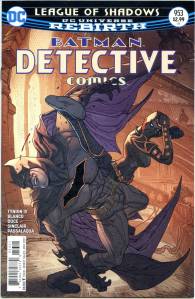
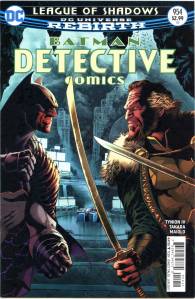
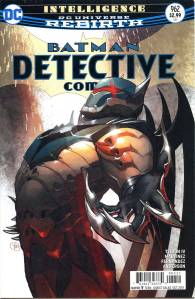
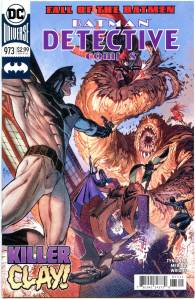
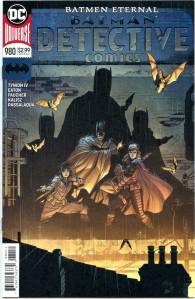
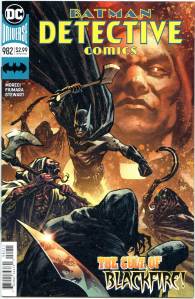
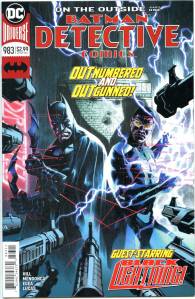
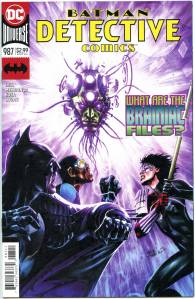
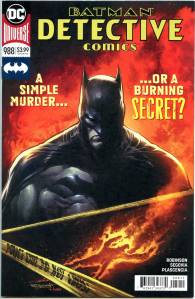
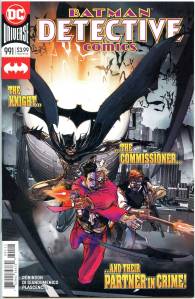
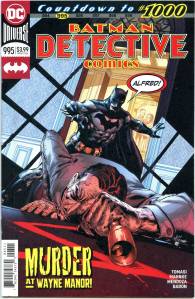
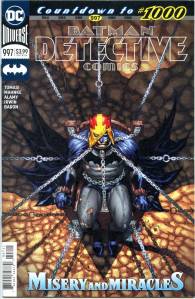
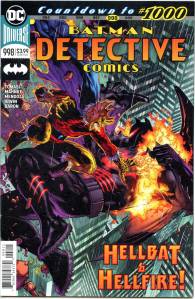
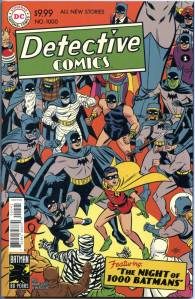
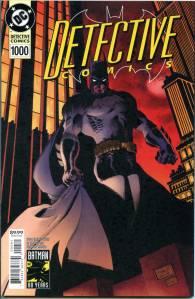
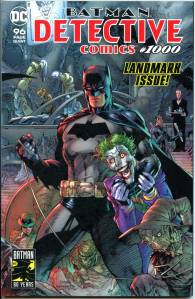
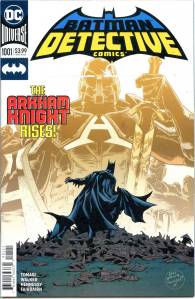
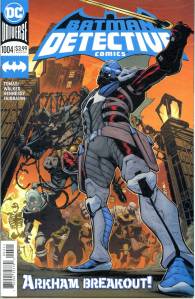
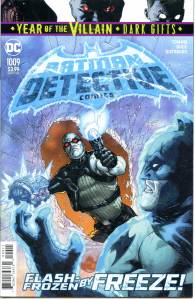
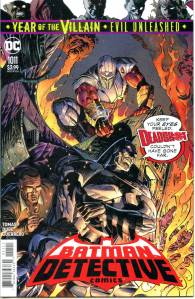
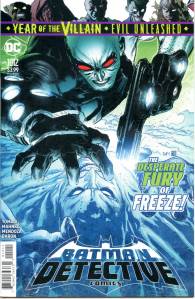
In February 2016, DC Comics announced that as part of the company’s continuity relaunch called DC Rebirth, Detective Comics would resume its original numbering system with June 2016’s #934. Before the New 52, Detective Comics volume 1 had 881 issues, and the New 52’s 52 issues, which ran from 2011 until 2016, were then added back into volume one, making Detective Comics #934 the premier issue following the events of 2016’s DC Rebirth. Writer James Tynion IV and artists Eddy Barrows and Alvaro Martinez are the creative team on the series which is published twice monthly. The series features a team initially consisting of Tim Drake, Stephanie Brown, Cassandra Cain and Clayface, led by Batman and Batwoman, with Batwing (Luke Fox) and Azrael (Jean-Paul Valley) later recruited following Tim’s apparent death and Stephanie leaving the team.
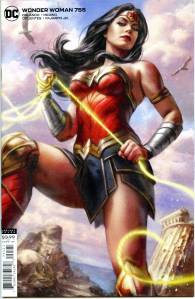
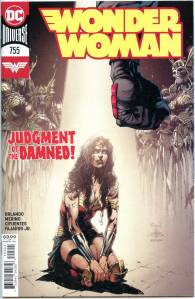
Following the 2016 DC Rebirth continuity relaunch, Wonder Woman’s outfit was redesigned to resemble the one worn in the film Batman v Superman: Dawn of Justice. This outfit is a red bustier with a gold eagle, a blue leather skirt with gold edges with two stars, and knee-high red boots with gold knee guards and accents. Her tiara once again is gold with a red star. She occasionally wears a red cape with a gold clasp and edges. She continues to wear this updated outfit in DC Universe, the continuity established after Rebirth.
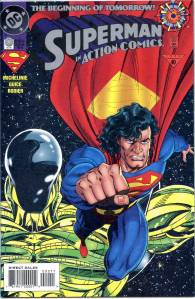
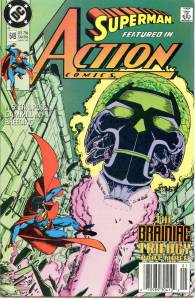
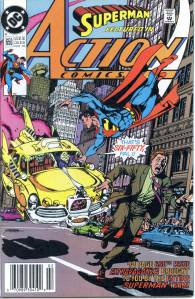
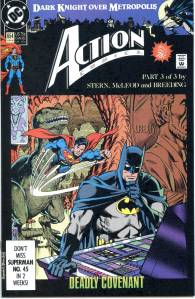
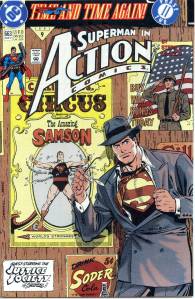
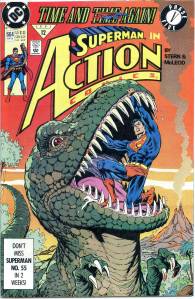
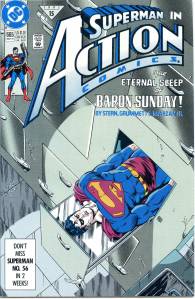
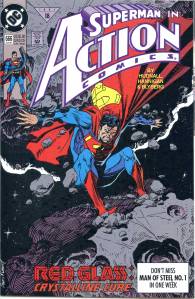
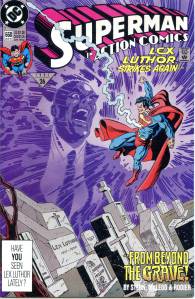
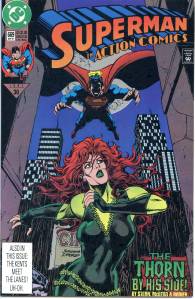
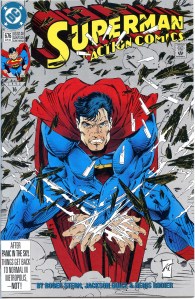
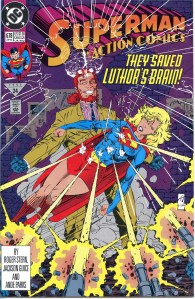
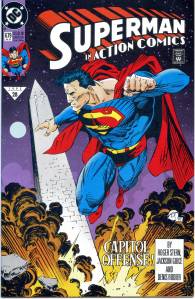
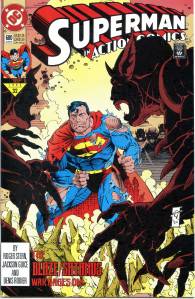
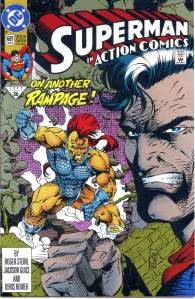
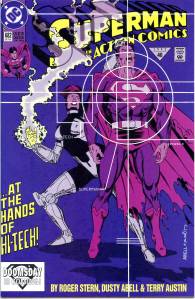
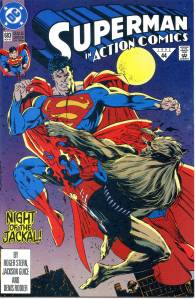
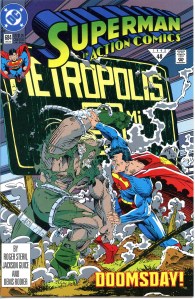
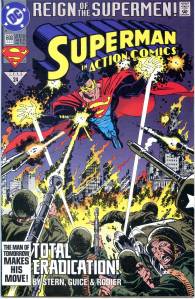
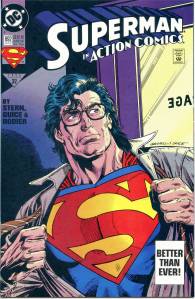
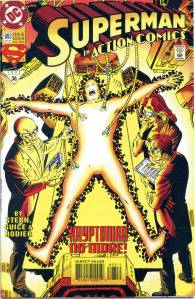
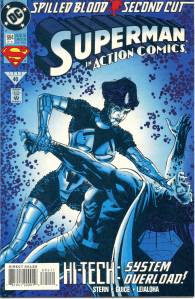
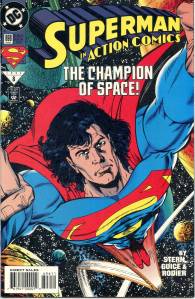
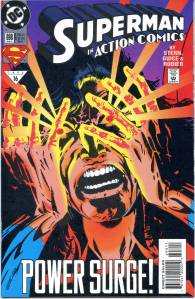
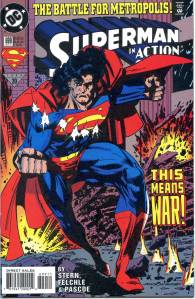
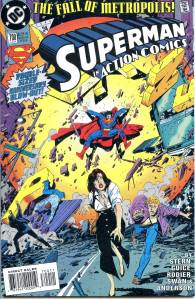
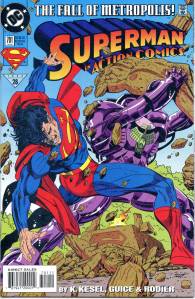
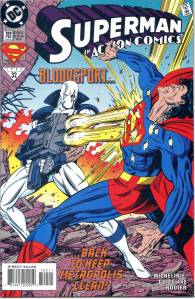
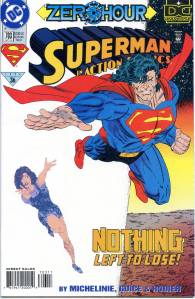
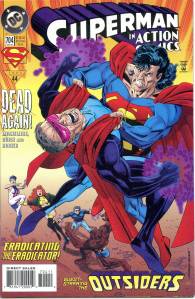
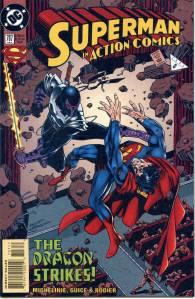
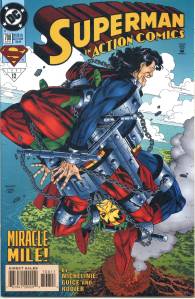
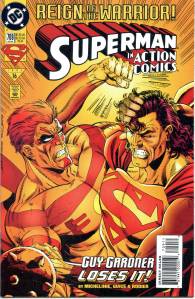
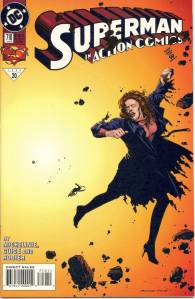
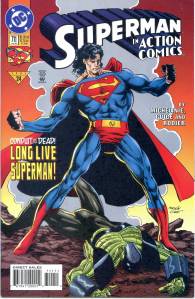
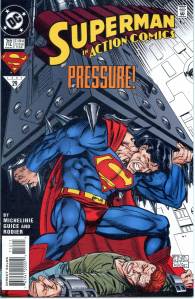
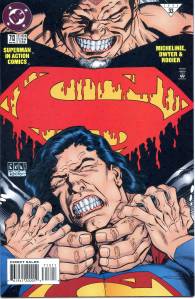
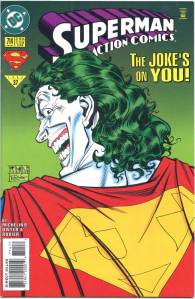
Action Comics Weekly lasted until the beginning of March 1989 and after a short break, issue #643 (July 1989) brought the title back onto a monthly schedule. Writer/artist George Pérez took over the title and was joined by scripter Roger Stern the following month.
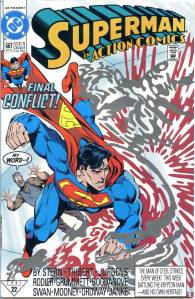
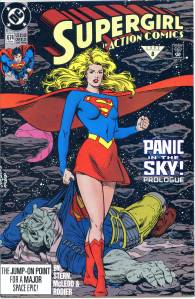
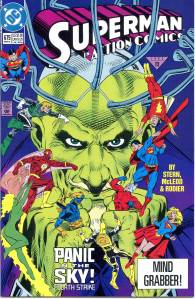
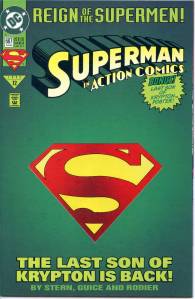
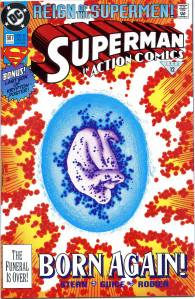
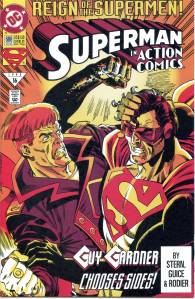
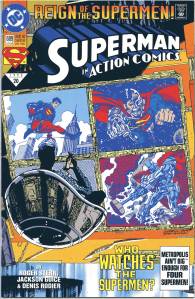
As writer of the series, Stern contributed to such storylines as “Panic in the Sky” and “The Death of Superman“. He created the Eradicator in Action Comics Annual #2 and later incorporated the character into the “Reign of the Supermen” story arc beginning in The Adventures of Superman#500. The Eradicator then took over Action Comics as “the Last Son of Krypton” in issue #687 (June 1993).
Stern wrote the 1991 story wherein Clark Kent finally revealed his identity as Superman to Lois Lane.