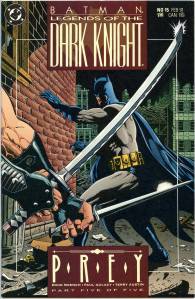
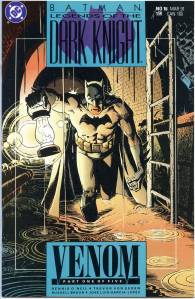
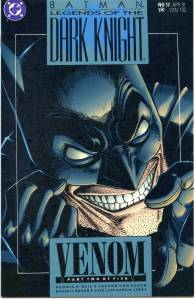
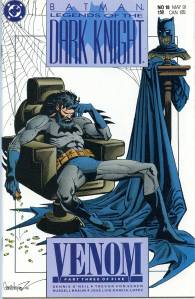
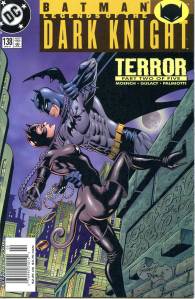
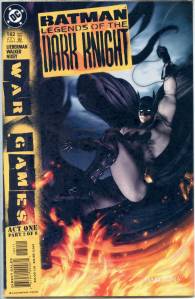
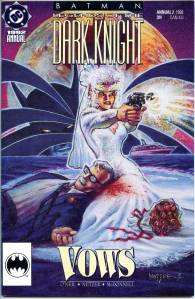
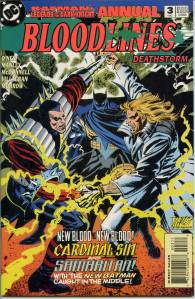
Batman: Legends of the Dark Knight V1 (1989)

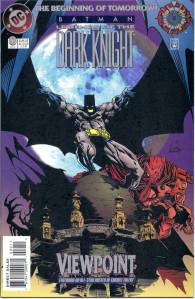
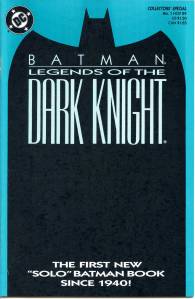
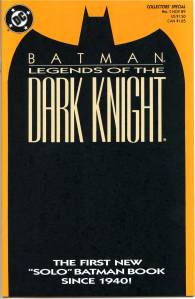
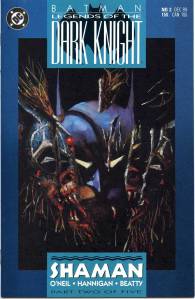
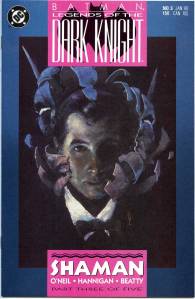
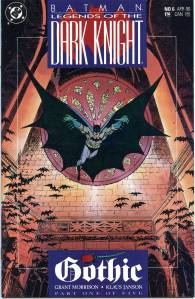
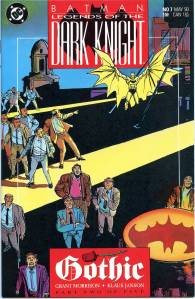
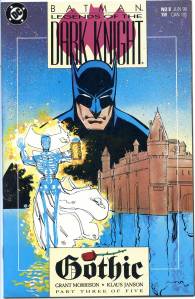
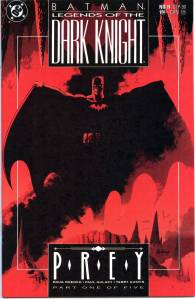
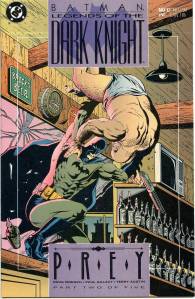
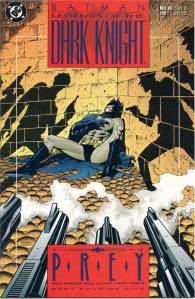
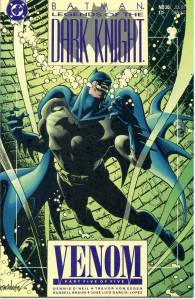
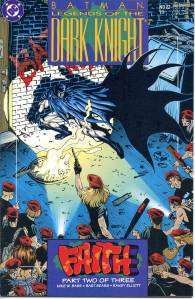
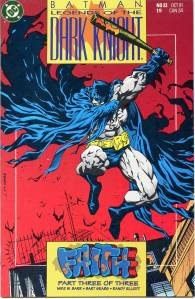
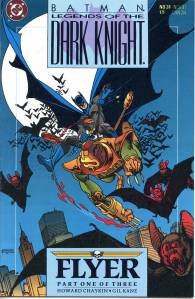
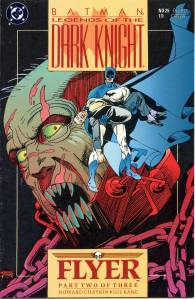
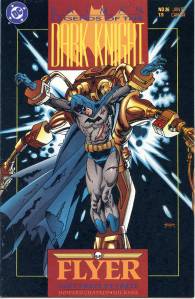
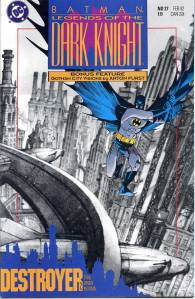
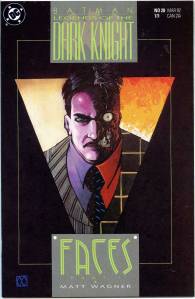
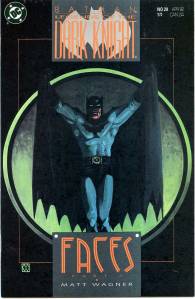
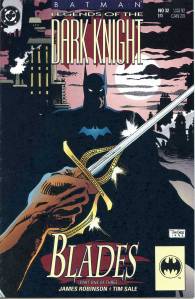
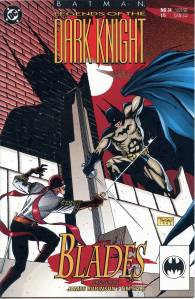
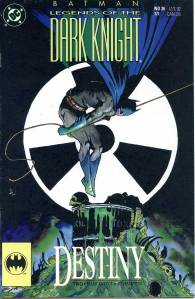
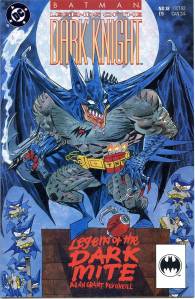
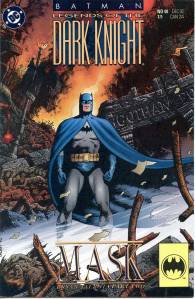
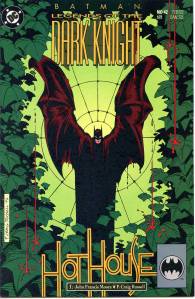
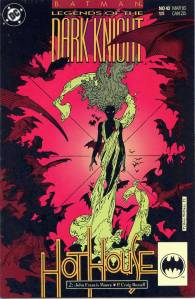
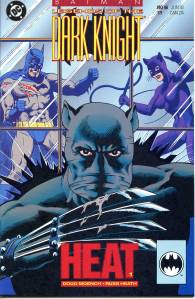
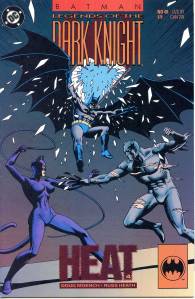
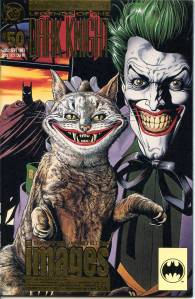
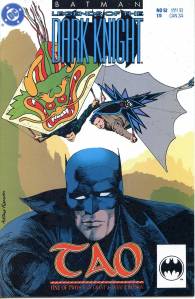
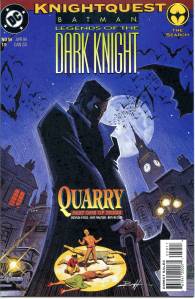
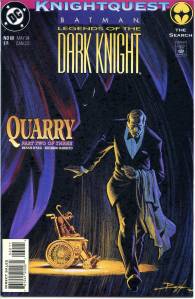
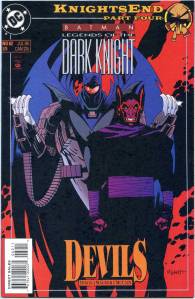
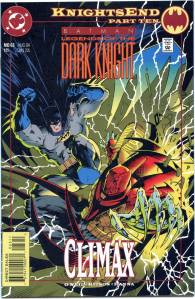
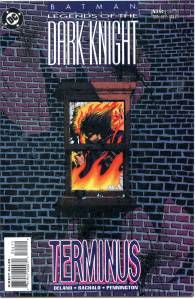
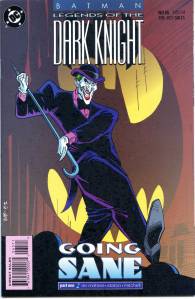
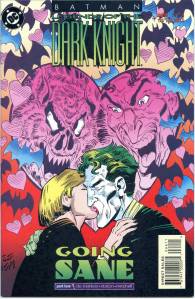
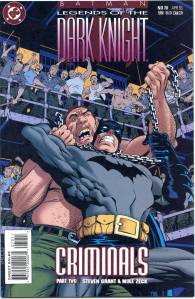
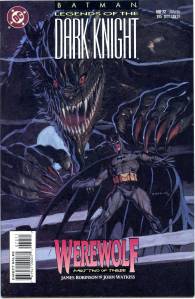
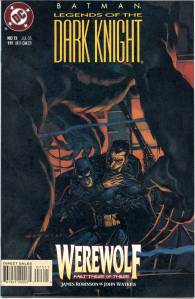
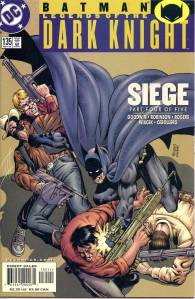
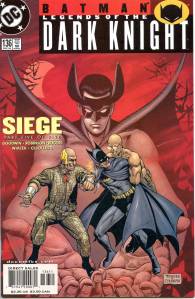
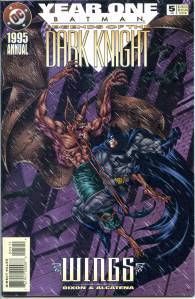
Legends of the Dark Knight was launched in 1989 with the popularity of the Batman movie, following on from Frank Miller’s Batman: Year One. It differs from other Batman titles in that it has constantly rotating creative teams, and the stories are not necessarily part of the current events of the other Batman comics. Initially the title was promoted as running only stand alone self-contained five issue stories of graphic novel quality. However, after issue 20, stories of different lengths started to appear. While some stories have tied in with the other titles, generally this has not been the case.
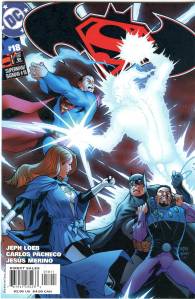
Batman and Robin V1 (2009)

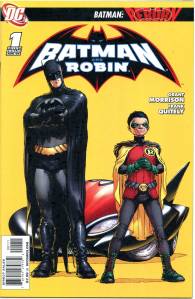
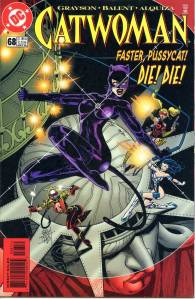
Batman and Robin is an ongoing series, created by Grant Morrison and featuring Batman and Robin. The debut of the series followed the events of “Batman R.I.P.“, Final Crisis, and “Battle for the Cowl” in which the original Batman, Bruce Wayneapparently died at the hands of DC Comics villain Darkseid and features the winner of the “Battle for the Cowl” as the new Batman. The conclusion of Battle for the Cowl shows Dick Grayson ascending to the role of Batman, while Damian Wayne becomes the new Robin.

100 Page Giants – Walmart Exclusives (2018)

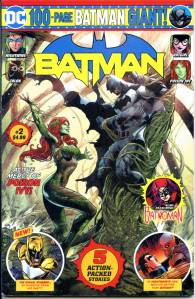
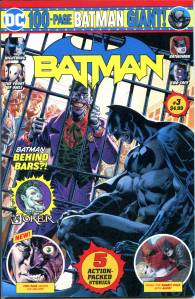
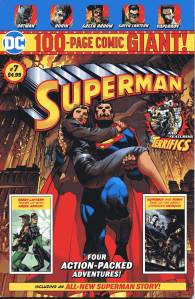
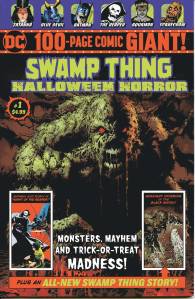
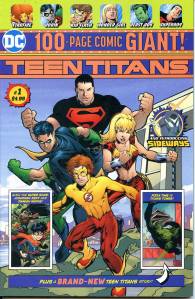
The Giant line of comics mixes all-new original material by some of DC’s top creators with reprints for a 100-page package.

Creators working on the new material include such fan-favorites as Tom King, Brian Michael Bendis and the Harley Quinn writing team of Jimmy Palmiotti and Amanda Conner, each working on characters outside of their traditional range in the regular DC line, with Bendis working on his first solo Batman material in September — a 12-part story beginning in Batman Giant No. 3 — and Tom King taking on Superman with artist Andy Kubert for their own yearlong epic beginning in Superman Giant No. 3. Not to be left behind, Palmiotti and Conner will launch a 12-part Wonder Woman story in the third Justice League issue.

Rorschach (2020)

Thirty-five years after the death of Rorschach, right-wing vigilante Laura “The Kid” Cummings brainwashes two elderly comic book creators, Wil Myerson and Frank Miller, into believing that they are Rorschach’s reincarnation, before attempting to assassinate Robert Redford‘s political opponent, being killed themselves in the process.

Uncle Sam and the Freedom Fighters (2006)

The miniseries Uncle Sam and the Freedom Fighters premiered in July 2006. This team consists of new incarnations of the Phantom Lady, the Ray (Stan Silver), the Human Bomb, Doll Man, Bigfoot, Destroyer and Face. It is part of S.H.A.D.E., a secret American government agency chartered under the USA PATRIOT Act, led by Father Time. The new team conducts assassinations and other illegal acts against criminal and terrorist organizations. As issue #1 of Uncle Sam and the Freedom Fighters begins, the team is tasked to capture the revived Uncle Sam, who is in the process of forming his own Freedom Fighters team; Sam subsequently recruits the S.H.A.D.E. members to his cause, openly disapproving of their use of deadly force (although they continue to kill people even under Uncle Sam’s guidance).

This version of the team is loosely based on notes by Grant Morrison and written by Jimmy Palmiotti and Justin Gray. Uncle Sam is portrayed as an almost Christ-like figure, returning from the dead, with the new Firebrand filling a John the Baptist role. Father Time is shown as aiding in Senator Frank Knight’s being secretly murdered in the midst of his successful campaign for the Presidency of the U.S. and replaced by a sentient robot double, Gonzo the Mechanical Bastard, who proceeds with an agenda to implant RFID chips in every U.S. citizen by law and control them to bring chaos to the world through war.

Justice League Quarterly (1990)

Justice League Quarterly (JLQ) was published from Winter 1990 to Winter 1994; it lasted 17 issues. It had a variable cast, pulling from the Justice League membership. The title centered on short stories featuring a differing number of characters, often solo stories, and in later issues often featured a pin-up section of members of the Justice League. Various writers and artists have worked on the title.

Flash V1 (2020’s)

Meet Paradox: a new time-traveling villain with a tragic backstory who poses a big threat–and carries a big grudge against the Flash. He’s determined to destroy the Flash legacy at all costs, and he’s powerful enough to do it! With the Flash about to be erased from time and space, only one ally can help him defeat this seemingly insurmountable foe…Eobard Thawne, the Reverse-Flash? Can Barry Allen really trust his greatest enemy? And does he even have a choice?

Fables (2002)

Fables was a series published by DC Comics‘s Vertigo imprint beginning in 2002. The series deals with various people from fairy tales and folklore – referring to themselves as “Fables” – who have been forced out of their Homelands by “The Adversary” who has conquered the realm. The Fables have traveled to our world and formed a clandestine community in New York City known as Fabletown. Fables who are unable to blend in with human society (such as monsters and anthropomorphic animals) live at “the Farm” in upstate New York.

The Spectre V3 (1992)

In 1992, the Spectre was again given his own series, this time written by writer and former theology student John Ostrander, who chose to re-examine the Spectre in his aspects as both the embodied Avenging Wrath of the Murdered Dead and as a brutal 1930s policeman.

Ostrander placed the Spectre in complex, morally-ambiguous situations that posed certain ethical questions, one example being: What vengeance should be wrought upon a woman who killed her abusive husband in his sleep?

Ostrander also added several new concepts into the Spectre’s history: He revealed that the Spectre was meant to exist as the embodiment of the Wrath of God, and Jim Corrigan was but the latest human spirit assigned to guide him while he existed on Earth. It was also shown that the Spectre was a fallen angel named Aztar who had participated in Lucifer‘s rebellion, but then repented, and that serving as the embodiment of God’s anger was its penance.

Furthermore, the Spectre was not the first embodiment of God’s anger, but was the replacement for the previously-minor DC character Eclipso. Ostrander chose to portray this as a distinction between the Spectre’s pursuit of vengeance and Eclipso’s pursuit of revenge. In a historical context, Eclipso was responsible for the biblical Flood, while the Spectre was the Angel of Death who slew the firstborn Egyptian children. Spectre and Eclipso have battled numerous times through history but neither entity can be fully destroyed.

He-Man and the Masters of the Universe (2013)

On April 24, 2013, the second volume, an ongoing series, started with the aftermath of the first volume. 19 issues were released, consisting of 3 story arcs of 6 issues and one prelude to the next ongoing series. At the start of the first arc, a celebration of the Sorceress’ life is interrupted by an invasion of the Horde, the army of Hordak himself. Leading the charge is a human woman called Despara. He-Man’s friend Teela soon recognized Despara as her forgotten childhood friend Adora, who is destined to become She-Ra, the Princess of Power.[2] The second arc, entitled “What Lies Within” (issue 7-12) sees King Randor lead He-Man, Teela, Stratos and Moss Man into Subternia to attempt to bring the Sorceress back to life. Along the way they face the reborn Snake Men. The third arc, “The Blood of Grayskull” (issues 13 to 18) explains the origin of She-Ra. The final issue, #19, features a flashback to the youth of Prince Adam and serves as a prelude to the Eternity War.