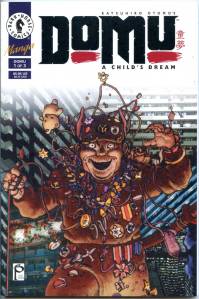
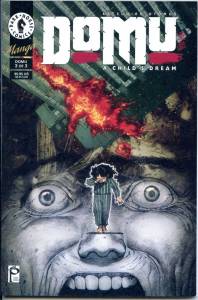
Domu (童夢, Dōmu) is a Japanese manga series written and illustrated by Katsuhiro Otomo. Similar to his work Akira, the story centers on an old man and a child possessing extrasensory powers. It was serialized between 1980 and 1981 in Futabasha‘s Action Deluxe, with the chapters collected and published as a tankōbon in 1983. The main inspiration for Domu came partly from an apartment complex Otomo lived in when he first moved to Tokyo, and partly from a news report he heard about a rash of suicides that occurred at a separate apartment
It has sold over 500,000 copies in Japan, was granted an excellence award at the 1981 Japan Cartoonists Association Award, was the first manga to win the Nihon SF Taisho Award, and won the 1984 Seiun Award for Comic of the Year. It was released in English in individual volumes in 1995, compiled altogether in 1996 (reissued 2001), and was one of publisher Dark Horse Comics‘ top sellers for that year.
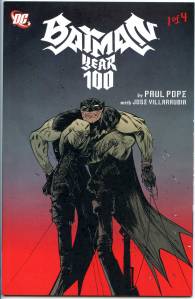
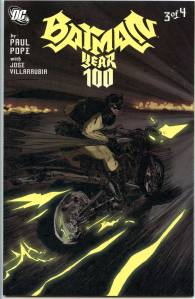
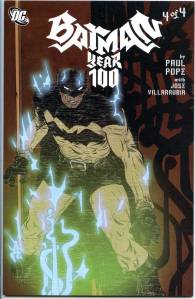
In the year 2039, Gotham City is very nearly a police state, its citizens subject to unwarranted search and seizure. The Gotham Police clash almost daily with Federal agents, who are pursuing the legendary “Batman.” Captain Gordon, the grandson of the original Commissioner Gordon, is also trying to find Batman, and find out what he knows about the murder of a Federal agent.
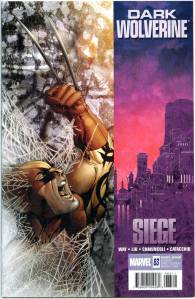
In 2008, writer Mark Millar and artist Steve McNiven explored a possible future for Wolverine in an eight-issue story arc entitled “Old Man Logan” that debuted with Wolverine #66. Millar, the writer for the story, said, “It’s The Dark Knight Returns for Wolverine, essentially. The big, wide, show-stopping series that plays around with the most popular Marvel character of the last forty years, a dystopian vision of the Marvel Universe and a unique look at their futures. The heroes have gone, the villains have won and we’re two generations away from the Marvel we know.
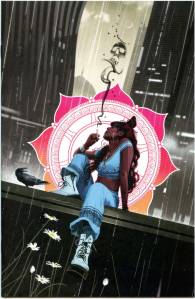
With humanity on the verge of discovering immortality, the avatar of Death is fired and relegated to the world below to live out her now-finite days in the body of twenty-something Laila Starr in Mumbai. Struggling with her newfound mortality, Laila hatches a plan and soon discovers a way to be placed at the time and location where the creator of immortality will be born . . . But will Laila take her chance to permanently reverse the course of (future) history, or does a more shocking fate await her within the coils of mortal existence?
Many Deaths of Laila Starr #2 1 Per Store Variant NM $24
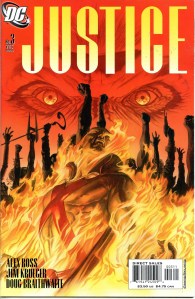
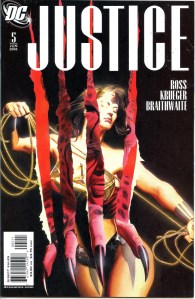
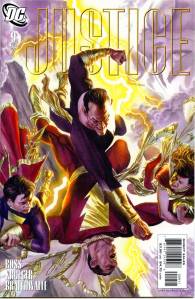
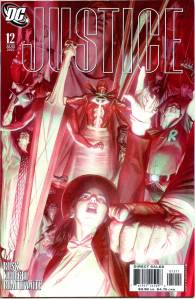
Ross had stated that, following Kingdom Come, he wanted to break away from the 1990s fixation with superhuman wars, and focused on The World’s Greatest Super-Heroes. It was only following that that he could return to the war stories he is known for, like Kingdom Come.
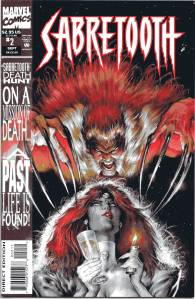
Home is the Hunter, script by Larry Hama, art by Mark Texeira; The Hand wants Sabretooth’s head! With no back-up to speak of, Sabretooth must face an excruciating fight, both physically and mentally. Sabretooth is tied down to an operating table with a bomb placed inside his chest; Tribune wants him to kill Mystique. The story takes place after the events in Wolverine #64.Wolverine appearance.
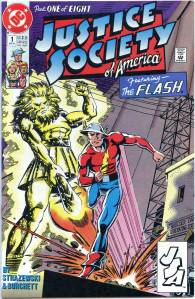
Fan interest resulted in the revival of the JSA in 1991. An eight-issue Justice Society of America limited series featuring a previously untold story set in the 1950s was published in 1991. In the final issues of the four-issue Armageddon: Inferno limited series, the JSA returns to the modern-day DC Universe when Waverider transported the “daemen” of the interdimensional Abraxis to Asgard as a substitute for the JSA in the Ragnarök cycle, allowing the team to return to Earth.
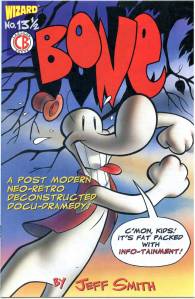
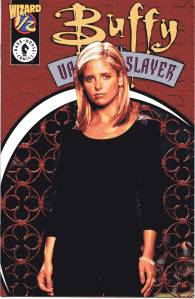
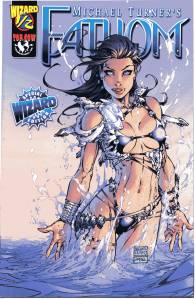
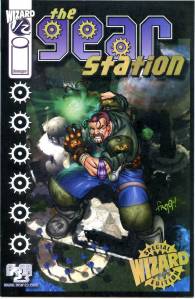
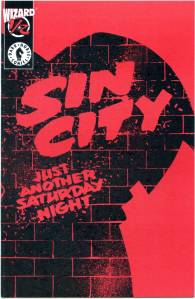
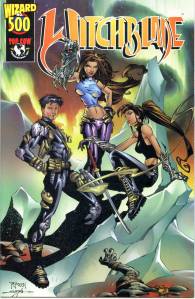
Wizard often featured mail-away offers for exclusive merchandise. Wizard began a practice of producing specially offered Wizard #½ issues. These were special issues of ongoing major comic book series which featured in-continuity stories that supplemented the regular series’ published issues. The issues were numbered #½ so as not to disrupt the series’ ongoing numbering system. Often Wizard would also include free pack-in issues with their magazines, usually numbered as Wizard #0.
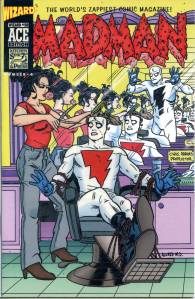
Madman #1 Wizard Edition NM $19
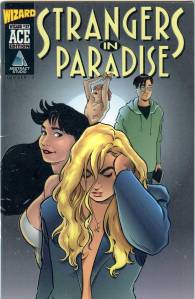
Strangers in Paradise Wizard Ace Edition NM- $12
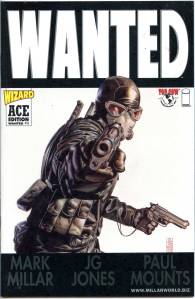
Wanted #1 Wizard Ace Edition NM $6
Bone #13 1/2 Wizard NM $9
Buffy the Vampire Slayer 1/2 VF $4
Fathom 1/2 NM $24
Gear Station Wizard #1/2 NM- $4
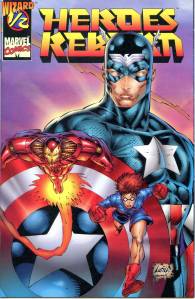
Heroes Reborn 1/2 NM $6
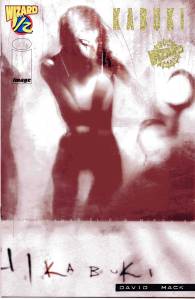
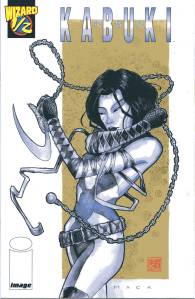
Kabuki 1/2 Cover A NM $12
Kabuki 1/2 Cover B NM $9
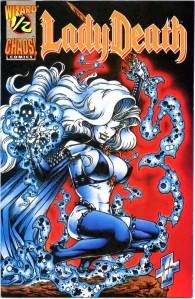
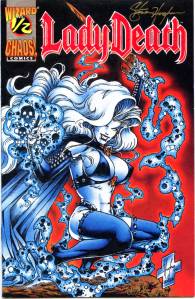
Lady Death #1/2 Wizard NM $9
Lady Death #1/2 Red Velvet Wizard Signed Steven Hughes and Brian Pulido VF+ $29
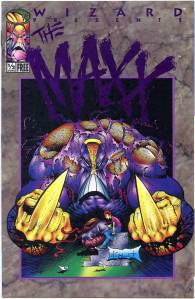
The Maxx #1/2 NM $7
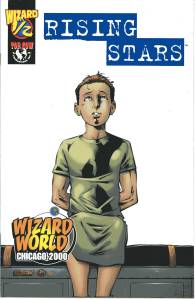
Rising Stars 1/2 Wizard World Chicago 2000 VF $4
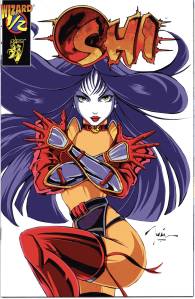
Shi 1/2 NM $9
Sin City – Just Another Saturday Night – Wizard 1/2 with COA NM $5
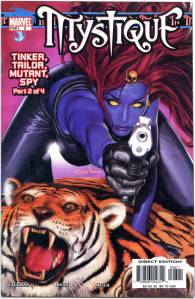
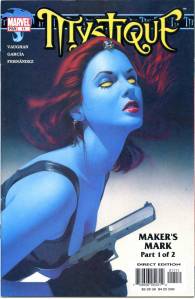
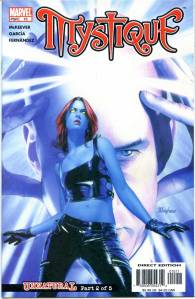
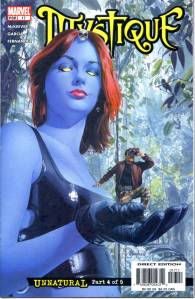
Published 2003 – 2005. Mystique the sultry mutant shapeshifter, who has stood against the X-Men in battle after battle, is offered the chance at a new life when Professor X recruits her to complete a dangerous mission in Cuba. Can this former mutant-rights terrorist who can disguise herself as anyone on the planet be trusted? Don’t let the pinup-worthy cover fool you: Mystique is a smart, engaging piece of espionage fiction that shows that the superhero story isn’t dead yet.
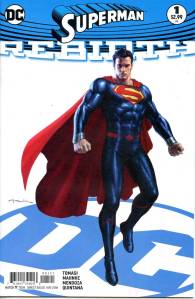
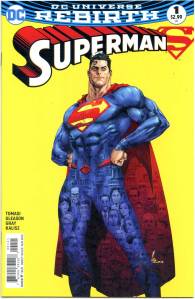
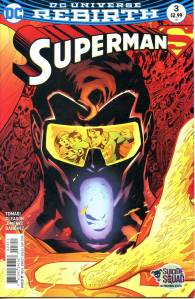
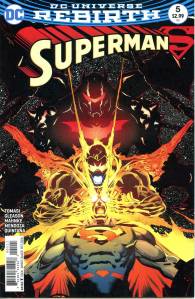
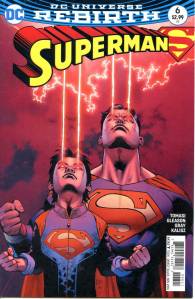
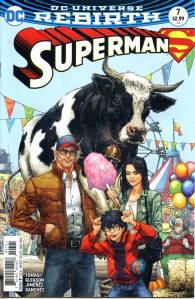
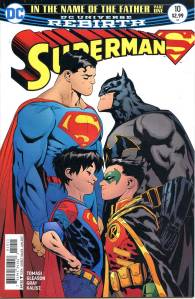
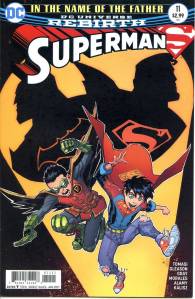
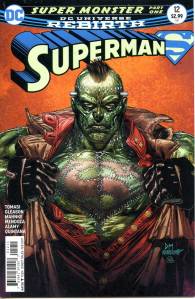
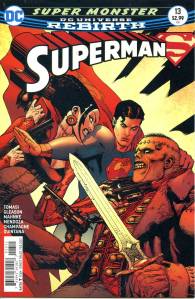
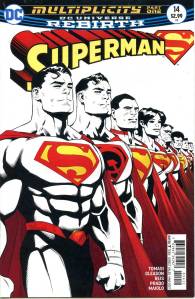
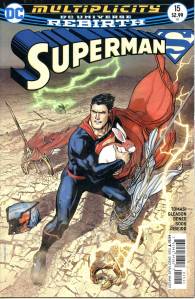
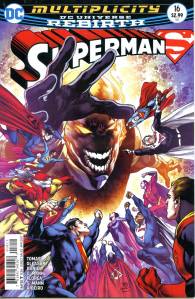
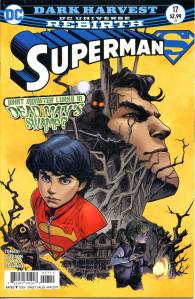
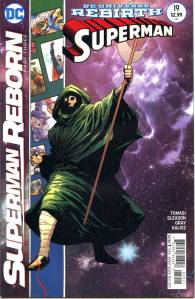
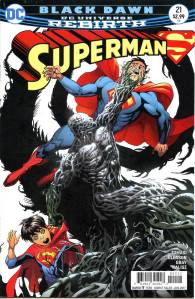
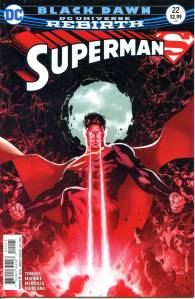
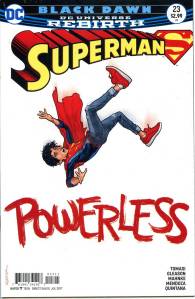
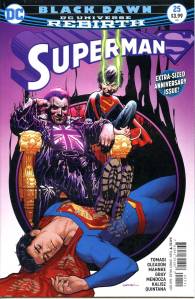
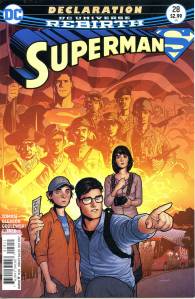
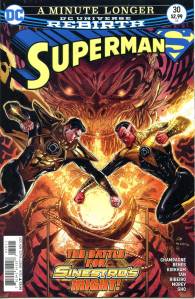
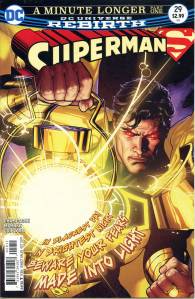
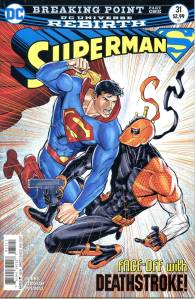
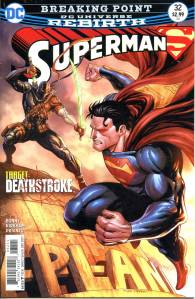
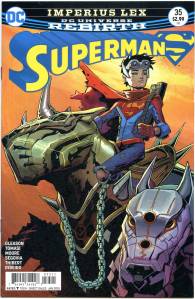
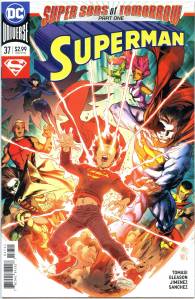
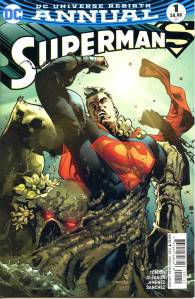
In June 2016, DC Comics once again relaunched its comic book titles with DC Rebirth. The publisher re-established the pre-New 52 Superman as the protagonist of the new comic books, with Lois Lane as his wife once more. He and Lois also conceive a biological son, Jonathan Samuel Kent, who eventually becomes Superboy. The story arc Superman Reborn smooths over the discrepancies between the two versions of the character. According to Mister Mxyzptlk, the creation of the New 52 caused Superman to be separated into two people: the New 52 character that served as the protagonist of the Superman books and the pre-Flashpoint character that took part in the Convergence event and sired Jon. Thanks to Jon, the new Superboy, the two Supermen merge into one complete version of Superman, rearranging their shared histories and accommodating them into the restored DC Universe. This complete Superman features a new suit that combines elements from the two eras. DC Comics ended the Rebirth branding in December 2017, opting to include everything under a larger “DC Universe” banner and naming. The continuity established by Rebirth continues across DC’s comic book titles, including volume one of Action Comics and the fourth volume of Superman.
































 EHT Comics