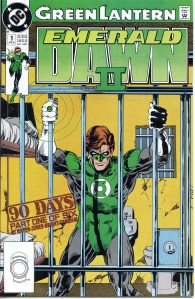
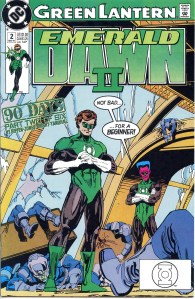
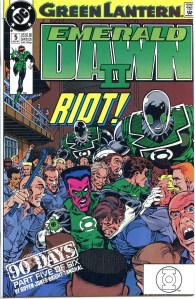
Green Lantern: Emerald Dawn II is the sequel to Green Lantern: Emerald Dawn. It was published from April 1991 through September 1991. Now that Hal Jordan has proven himself worthy of wielding a power ring as a member of the intergalactic Green Lantern Corps, he is expected to earn his place alongside his 3,600 brethren. His instructor is one of the mightiest warriors in the Corps – the Green Lantern called Sinestro. Jordan struggles to meet Sinestro’s exacting standards on distant Korugar while also serving out his 90 day prison term for drunk driving on Earth. But his mettle is truly tested when Sinestro’s darkest secret is revealed.
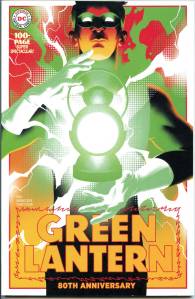
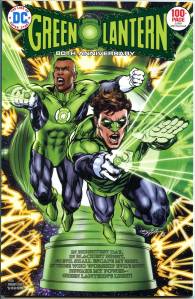
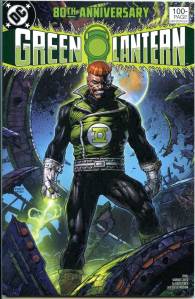
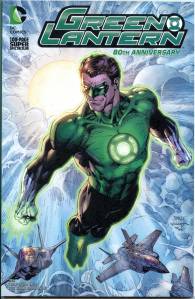
The Green Lanterns are celebrating 80 years of keeping the DC Universe safe. Join us to see tales of all of the universe’s most legendary Green Lanterns: Alan Scott, Hal Jordan, John Stewart, Guy Gardner, Kyle Rayner, Jessica Cruz, Simon Baz, and appearances from other cosmic favorites! A legendary lineup of creators including Geoff Johns, Peter J. Tomasi, Jeff Lemire, Ivan Reis, and others will be keeping the galaxy glowing bright!
Green Lantern 80th Anniversary 1950s Variant NM $9
Green Lantern 80th Anniversary 1970s Variant NM $9
Green Lantern 80th Anniversary 1980s Variant NM $9
Green Lantern 80th Anniversary 2010s Variant NM $9
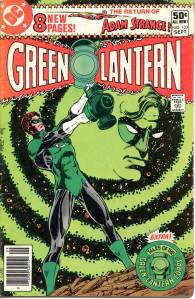
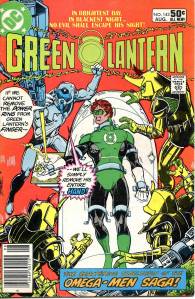
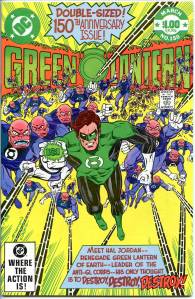
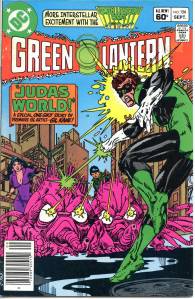
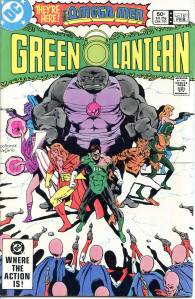
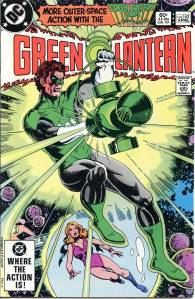
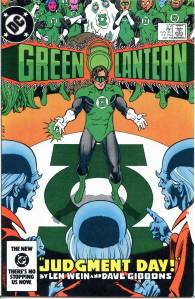
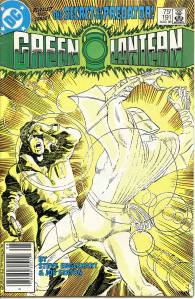
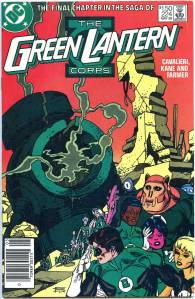
Green Lantern would know a number of revivals and cancellations. Its title would change to Green Lantern Corps at one point as the popularity rose and waned. During a time there were two regular titles, each with a Green Lantern, and a third member in the Justice League.
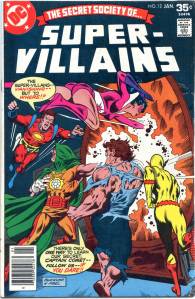
Due to the delays caused by having to redo the first issue from scratch, Conway assigned David Anthony Kraft to script the next three issues of Secret Society of Super Villains over his plots. After issue #4, both Conway and Kraft abruptly left DC, leading to a mad scramble to produce a fill-in issue.
Jack C. Harris took over as editor, and Conway returned as writer only with issue #8, but artists on the series rotated nearly as often as the lineup of the titular supergroup, with Rich Buckler, Mike Vosburg, and Dick Ayers all contributing short stints as pencilers, while inkers changed from issue to issue. Harris felt that the series’ mediocre sales might have been partly his fault: “The cover concepts were one of my editorial duties. Rich Buckler turned my ideas into the best he could do, but I never felt as if my ideas were good enough for his art. I think there was a ‘sameness’ to my ideas which might have hurt the title in that casual readers might have missed buying an issue because they thought they’d already seen it”. Secret Society of Super Villains was cancelled with issue #15 as part of the DC Implosion.
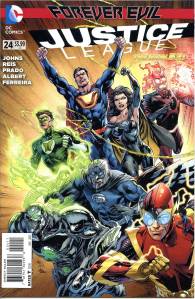
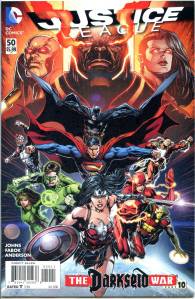
In April of 2015, DC began “Justice League: The Darkseid War”, which would be the final installment in Geoff Johns five year run of Justice League. The event consisted of 10 Justice League issues, 6 one-shots, and one Special issue. The story took hidden elements from John’s run as well as answering all questions posed since the beginning.
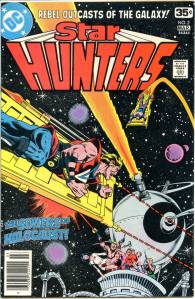
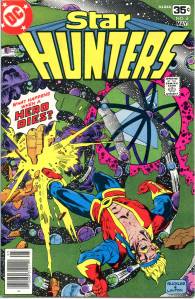
The Star Hunters were infected by the Corporation controlling Earth with a virus which would cause their genes to mutate if they set foot on the planet again without receiving an antidote which the Corporation would only give to them on completion of their mission – to learn the true origins of man.
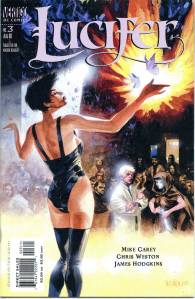
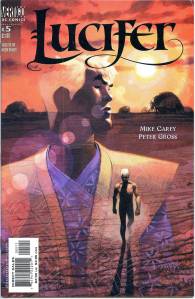
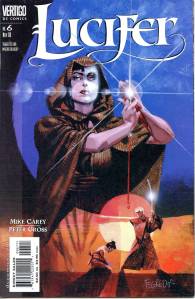
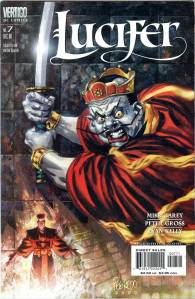
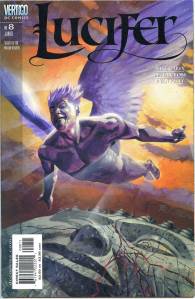
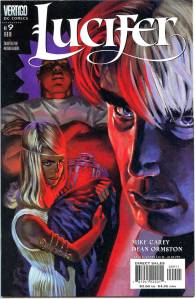
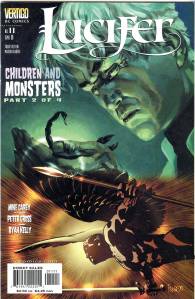
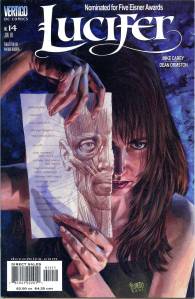
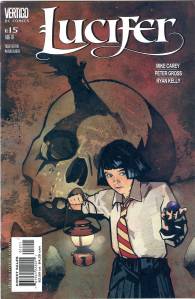
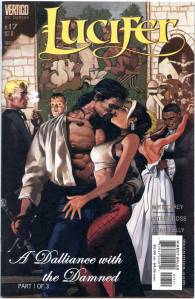
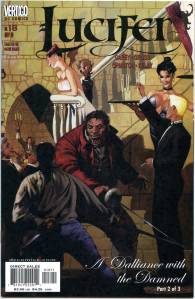
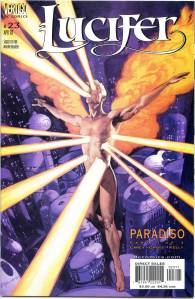
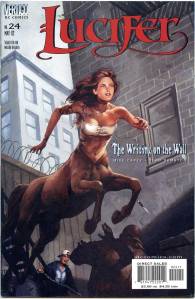
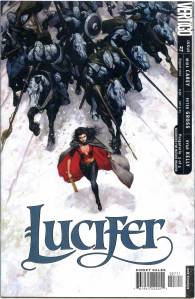
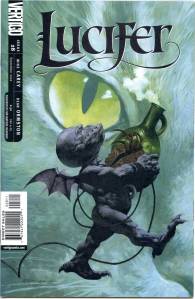
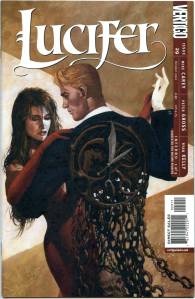
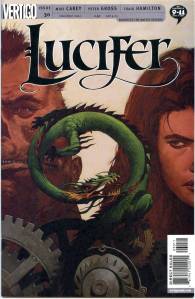
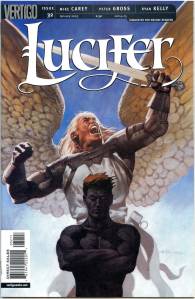
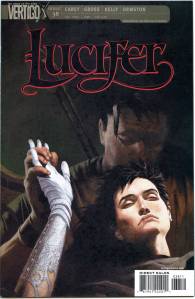
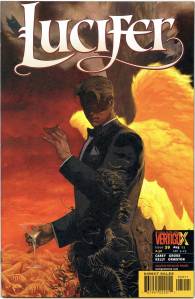
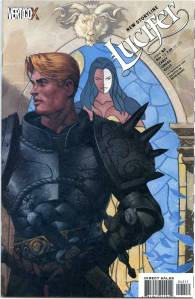
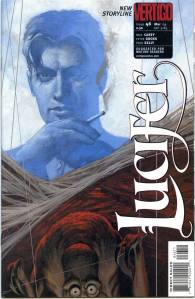
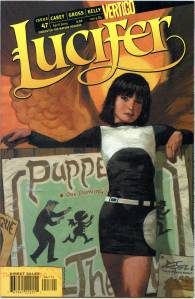
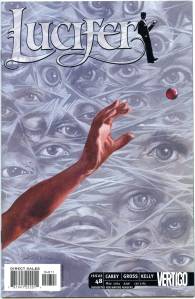
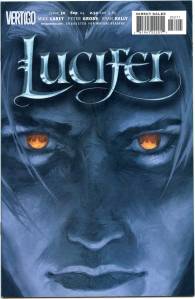
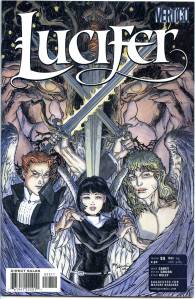
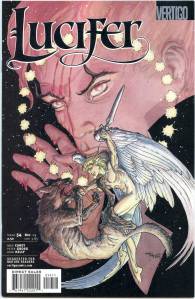
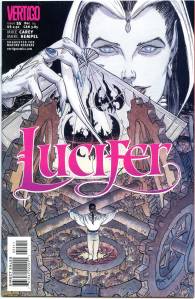
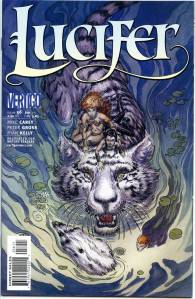
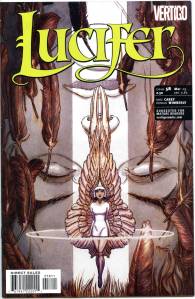
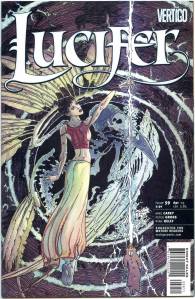
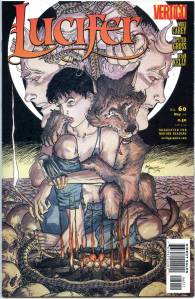
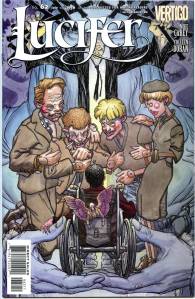
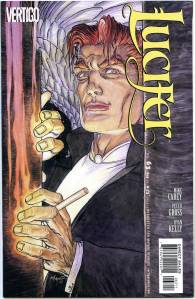
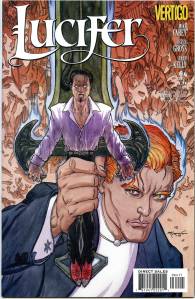
Lucifer was the main character in an eponymous series that ran for 75 issues and the Lucifer: Nirvana one-shot, from June 2000 to August 2006, the entire run of which was written by Mike Carey (this series was preceded by Carey’s work in 1999, The Sandman Presents: Lucifer mini-series). To Carey, the essence of the character was:
We play safe. Most of us do, most of the time… but Lucifer doesn’t know the meaning of safe, and he never bothers to look down at the tramlines. He goes wherever the hell he likes, picks his fights where he finds them and generally wins… following [his] own will and [his] own instincts to the very end of the line, no matter what the obstacles are star.
In the series, Lucifer runs a piano bar (an element introduced in the Sandman story “The Kindly Ones”) called “Lux” in Los Angeles, with the assistance of his mistress, Mazikeen who is a Lilim, one of the race descended from Lilith. Lucifer is portrayed as a sophisticated and charming man, in accordance with the stereotypical gentleman-devil.
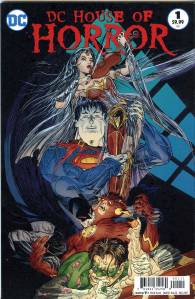
An all-new, all-creepy one-shot set in the DC Universe! Martha Kent fights for her life against a creature from a spacecraft that lands in front of her farmhouse. A young woman is possessed by the spirit of a murderous Amazon warrior. The last surviving member of the Justice League faces down a horror beyond imagining. All these and more are what happens when the most exciting new voices in contemporary horror fiction are paired with the talents of some of the greatest artists in the DC firmament! And if that isn’t enough to scare you, there’s Keith Giffen, too.
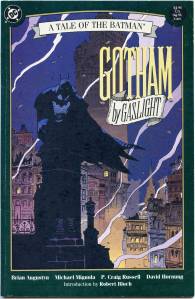
Although it was not initially labeled as such, Gotham by Gaslight is considered to be the first Elseworlds story in which DC Comics characters from alternate timelines or realities are featured in stories outside of the DC Universe canon. While not originally labelled as such, subsequent printings of Gotham by Gaslight have incorporated the Elseworlds logo. It spawned one sequel, Batman: Master of the Future (1991), also written by Augustyn, with art by Eduardo Barreto.
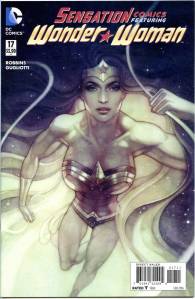
DC Comics revived the Sensation Comics series in August 2014 as a “Digital First” series featuring Wonder Woman. The print edition debuted with an October 2014 cover date. This series was cancelled in December 2015. The final issue was #17 (cover dated Feb. 2016).



























 EHT Comics