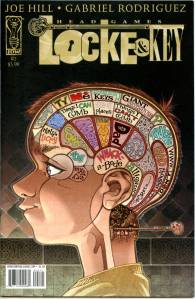
Locke and Key (2008)

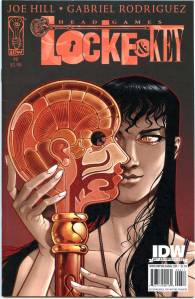
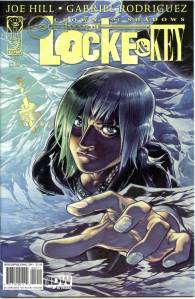
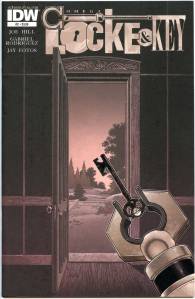
Following their father’s gruesome murder in a violent home invasion, the Locke children return to his childhood home of Keyhouse in secluded Lovecraft, Massachusetts. Their mother, Nina, is too trapped in her grief—and a wine bottle—to notice that all in Keyhouse is not what it seems: too many locked doors, too many unanswered questions. Older kids Tyler and Kinsey aren’t much better. But not youngest son Bode, who quickly finds a new friend living in an empty well and a new toy, a key, that offers hours of spirited entertainment. But again, all at Keyhouse is not what it seems, and not all doors are meant to be opened. Soon, horrors old and new, real and imagined, will come ravening after the Lockes and the secrets their family holds.

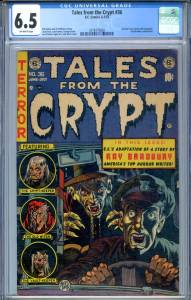
Tales from the Crypt (1950)

Tales from the Crypt was an American bi-monthly horror comic anthology series published by EC Comics from 1950 to 1955, producing 27 issues (the first issue with the title was #20, previously having been International Comics (#1–5); International Crime Patrol (#6); Crime Patrol (#7–16) and The Crypt of Terror (#17–19) for a total of 46 issues in the series). Along with its sister titles, The Haunt of Fear and The Vault of HorrorTales from the Crypt was popular, but in the late 1940s and early 1950s comic books came under attack from parents, clergymen, schoolteachers and others who believed the books contributed to illiteracy and juvenile delinquency. In April and June 1954, highly publicized congressional subcommittee hearings on the effects of comic books upon children left the industry shaken. With the subsequent imposition of a highly restrictive Comics Code, EC Comics publisher Bill Gaines cancelled Tales from the Crypt and its two companion horror titles, along with the company’s remaining crime and science fiction series in September 1954.

World’s Finest (1950’s)

The series was initially a 96-page quarterly anthology, featuring various DC characters – always including Superman and Batman – in separate stories. Comics historian Les Daniels noted that “pairing Superman and Batman made sense financially, since the two were DC’s most popular heroes”. When superheroes fell out of vogue in the early 1950s, DC shortened the size of the publication to that of the rest of its output, leaving only enough space for one story; this led to Superman and Batman appearing in the same story together starting with World’s Finest Comics #71 (July 1954). The title often depicted Batman gaining superpowers as a way to avoid having him be overshadowed by Superman. Lex Luthor and the Joker first joined forces in issue #88 (June 1957).

Red Room (2021)

Aided by the anonymous dark web and nearly untraceable cryptocurrency, a criminal subculture has emerged. It livestreams murders as entertainment. Who are the killers? Who are the victims? Who is paying to watch? How to stop it? Red Room is constructed as a series of interconnected stories, shining a light on the characters who exist in the ugliest of corners in cyberspace. Piskor cuts the graphic horror with his sharp sense of humor, gorgeous cartooning, and dynamic storytelling. Red Room peels back the curtain on the side of humanity few of us knew existed, let alone understood.

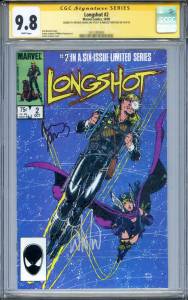
Longshot (1985)

Meet Longshot. He’s a man without a past who possesses an uncanny lucky streak…and he’s on an existential quest through the Marvel Universe. But as Longshot deals with the quirkier aspects of American society, he must learn the secrets behind his enigmatic identity and accept his destiny as a hero. Along the way, he meets a crazed militiaman, demons from his mysterious otherworldly home, a daring stuntwoman named Ricochet Rita, ram-headed Quark, and Marvel heroes Spider-Man, She-Hulk and Dr. Strange. As Longshot digs deeper, he rediscovers more about himself – and must come to terms with his past along the way. Because only Longshot and his friends can stop the media-addled Mojo from taking over Earth and remaking it in his warped image.