XYZ Comics (1972)

XYZ Comics —“The Last Word in Comics!”— was first published in 1972. This classic underground comic book leads off with “Cubist Be Bop Comics,” a stream-of-consciousness tour de force lasting eight-pages. “Girls, Girls, Girls” follows, Robert Crumb’s analytic look at female anatomy that results from reducio absurdem. Several short pieces featuring Bo Bo Bolinski, “Comical Comics,” Boingy Baxter, John Q. Public and the tongue-in-cheek nostalgia of “Remember Keep on Truckin’?” are followed by the autobiographical “The Many Faces of R. Crumb.” XYZ ends withRobert’s “Fuzzy the Bunny,” a thinly-disguised piece about his older brother Charles, who suffered from mental illness (as seen in theTerry Zwigoff documentary Crumb).

Skull the Slayer (1975)

Jim Scully was an adventurer whose plane went through a time warp in the Bermuda Triangle, marooning him and three companions in an alternate Earth where dinosaurs, primitives, and aliens co-existed. Scully and his three companions were eventually rescued and returned to their own world by the Thing of the Fantastic Four. He served in Doctor Druid‘s team of occult investigators the Shock Troop, alongside Sepulchre and N’Kantu, the Living Mummy.

Jim & Frank (1993)

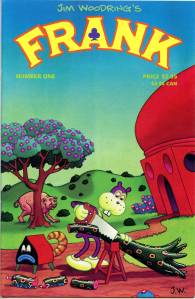
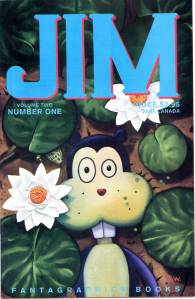
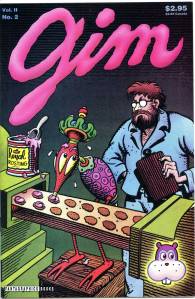
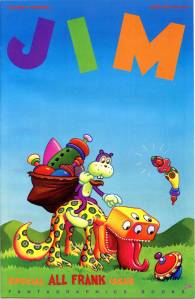
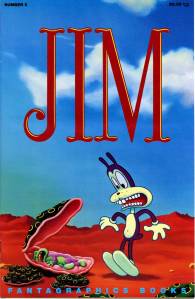
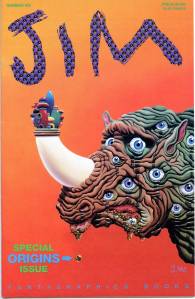
Jim is a series created by Jim Woodring. It began in 1980  as a self-published zine and was picked up by Fantagraphics Books in 1986 after cartoonist Gil Kane introduced Woodring to Fantagraphics co-owner Gary Groth. The publisher released four magazine-sized black-and-white issues starting in September 1987. A comic book-sized continuation, Jim Volume II, with some color, began in 1993 and ran for six issues until 1996.

Jim, which Woodring described as an “autojournal”, contained comics on a variety of subjects, many based on dreams, as well as surreal drawings and free-form text which resembled Jimantha automatic writing. Besides dreams, the work drew on Woodring’s childhood experiences, hallucinations, past alcoholism, and Hindu beliefs. It also included stories of recurring Woodring characters such as Pulque (the embodiment of drunkenness), boyhood friends Chip and Monk, and, in Volume II, his signature creation Frank.

Dazzler (1981)

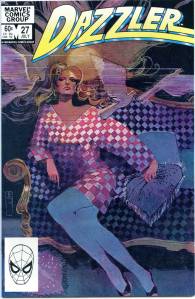
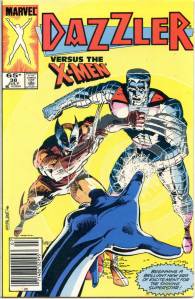
mutant with the ability to convert sound vibrations into light and energy beams, Dazzler was developed as a cross-promotional, multi-media creation between Casablanca Records and Marvel Comics until the tie-ins were dropped in 1980. The character was created by a committee of Marvel staff, principally writer/editor Tom DeFalco and illustrator John Romita Jr.

Despite the fact that Dazzler was commissioned as a disco singer, the character shifted to other musical genres, including rock and adult contemporary. She starred in a self-titled series in the early 1980s which lasted forty-two issues, a Marvel Graphic Novel titled Dazzler: The Movie, a four-issue limited series co-starring The Beast titled Beauty and the Beast, and later joined the cast of the X-Men. She was briefly a member of the spin-off group Excalibur but has since re-joined the X-Men.

Grim Ghost (1975)

The Grim Ghost is a fictional character, a superhero created by writer Michael Fleisher and artist Ernie Colón that debuted in The Grim Ghost #1 (cover-dated Jan. 1975) from Atlas/Seaboard Comics. The series lasted three issues before the company went out of business in January 1976. A new ongoing series published by a revival of Atlas Comics in association with Ardden Entertainment, debuted in 2010.

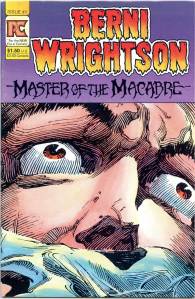
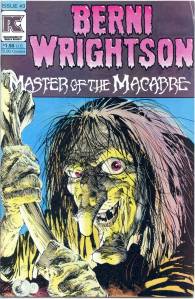
Berni Wrightson: Master of the Macabre (1983)

Berni Wrightson Master of the Macabre was created by Bruce Jones with the full cooperation of the master himself. Originally published by Pacific Comics, it reprints Wrightson’s early horror stories, some of which appear here in color for the first time. The series ended with issue #4 but was briefly continued when it was picked up by Eclipse, which published issue #5.

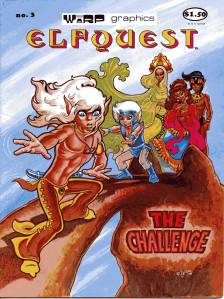
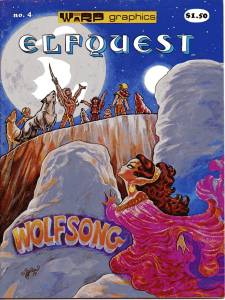
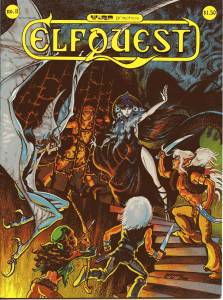
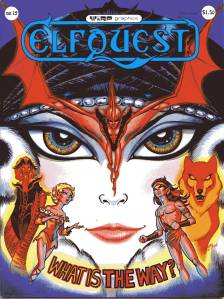
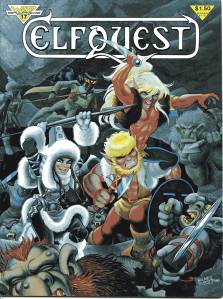
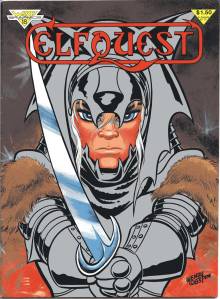
Elfquest – Warp Graphics (1978)

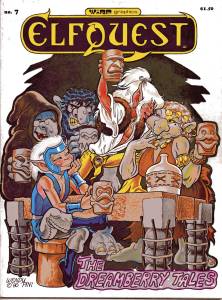
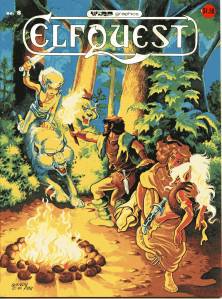
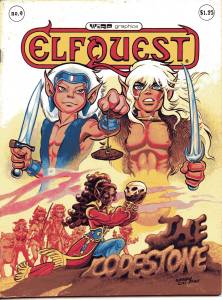
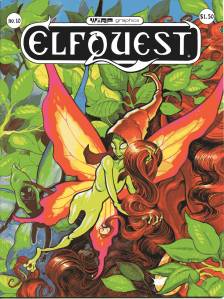
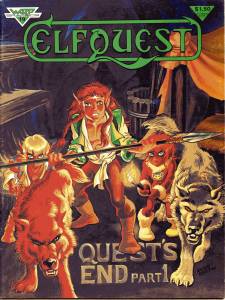
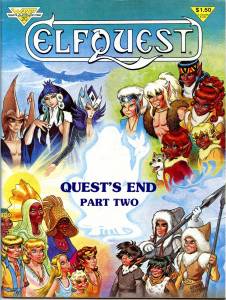
Elfquest (or ElfQuest) is a cult hit comic book property created by Wendy and Richard Pini in 1978. It is a fantasy story about a community of elves and other fictional species who struggle to survive and coexist on a primitive Earth-like planet with two moons. Several published volumes of prose fiction also share the same setting. Elfquest was one of the first comic book series to have a planned conclusion. Over the years Elfquest has been self-published by the Pinis through their own company Warp Graphics, then Marvel Comics,[ then the Pinis again, more recently DC Comics and then Dark Horse Comics.


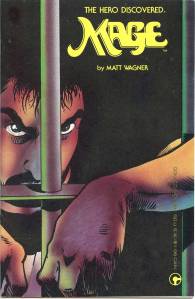
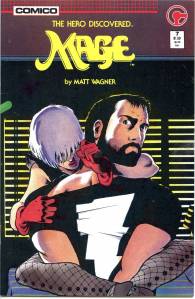
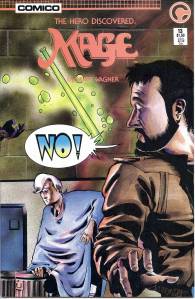
Mage – The Hero Discovered (1984)

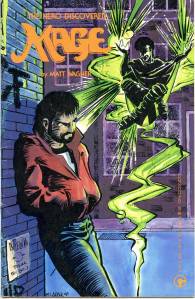
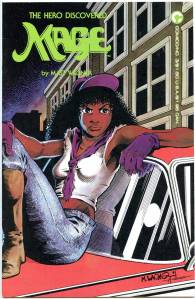
The Hero Discovered follows Kevin Matchstick, an alienated young man who meets a wizard called Mirth and discovers that he, among other things, possesses both a magic baseball bat and superhuman abilities. In the course of the comic, he defeats the nefarious plans of a being called the Umbra Sprite. He ultimately discovers that Mirth is Merlin, the baseball bat is Excalibur, and he is, in some ambiguous way, King Arthur. All the chapter titles are lines from Shakespeare’s Hamlet.

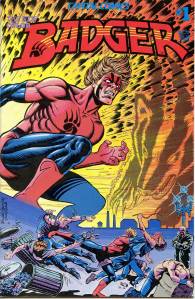
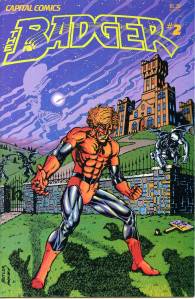
The Badger – Capital Comics (1983)

The Badger was originally published by the short-lived Capital Comics company and then First Comics. He was created by writer Mike Baron in 1983 and published through the early 1990s in a titular series that ended when First Comics also ceased all publications. Since the ongoing series ended in 1991, new Badger titles have been released through Dark Horse ComicsImage Comics and IDW Publishing.

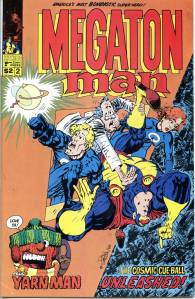
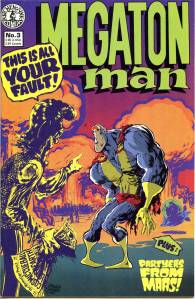
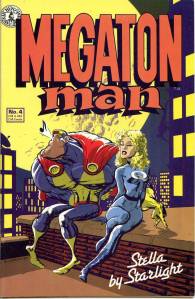
Megaton Man – Kitchen Sink (1984)

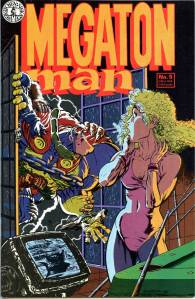
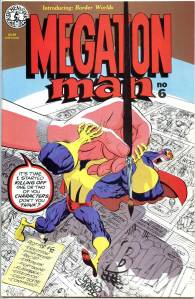
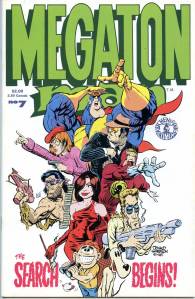
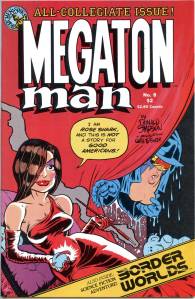
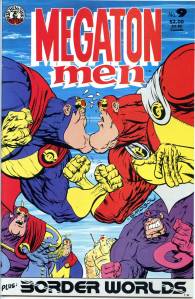
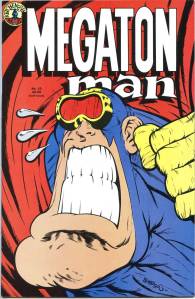
Megaton Man is a creator-owned comic book series published by Kitchen Sink Press beginning in 1984. Donald Simpson wrote and drew the series, in which the title character first appeared and starred. The original Megaton Man series ran for ten issues, but the character was later revived in a limited series, The Return of Megaton Man, and a series of one-shot issues spun off from the concept. In 1994, Simpson left Kitchen Sink to form his own company, Fiasco Comics, through which Simpson self-published his new title Bizarre Heroes, featuring Megaton Man (and many members of his old supporting cast) as part of a large ensemble cast.