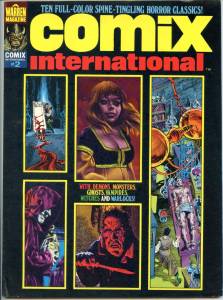
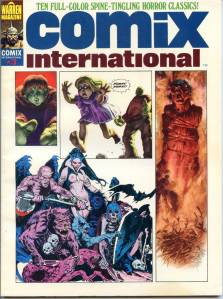
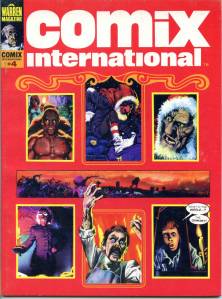
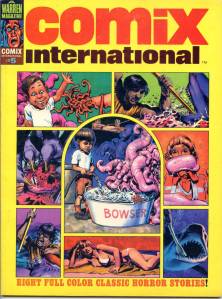
Comix International was a short-lived magazine comprised entirely of reprinted material (in color) from other Warren publications. With stories by Richard Corben, Reed Crandall, Wally Wood, Bernie Wrightson, and others. The name Comix International was originally to have been used for an underground title put together for Warren by Keith Green which never appeared.
Comix International #2 FN+ $20Comix International #3 FN-VFN $25Comix International #4 VF- $30Comix International #5 VF-NM $49
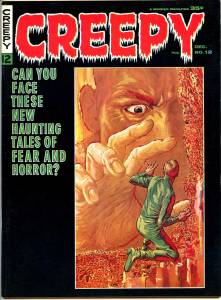
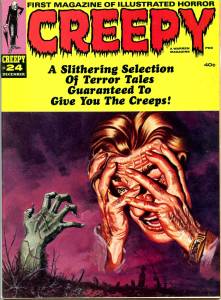
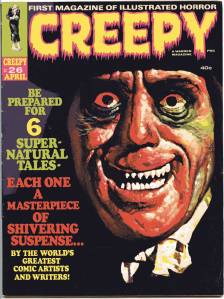
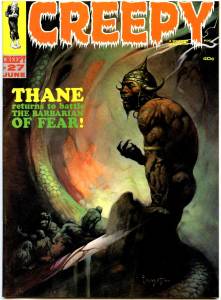
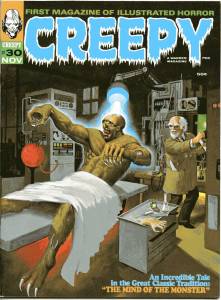
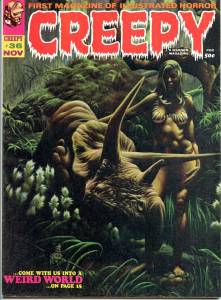
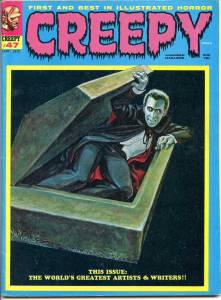
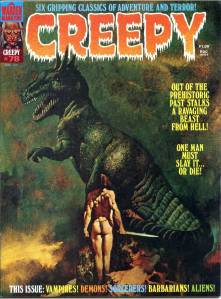
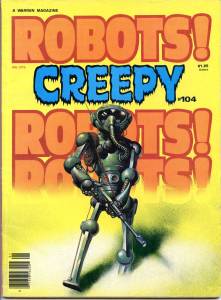
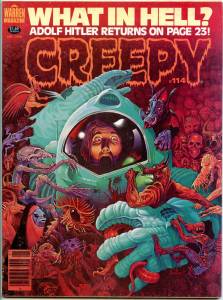
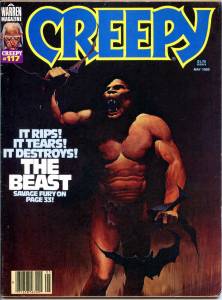
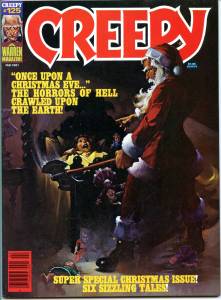
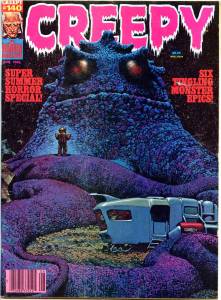
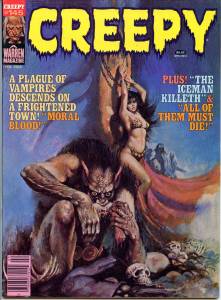
Creepy was an American horror-comics magazine launched by Warren Publishing in 1964. Like Mad, it was a black-and-white newsstand publication in a magazine format and thus did not require the approval or seal of the Comics Code Authority. The anthology magazine was initially published quarterly but later went bimonthly. Each issue’s stories were introduced by the host character, Uncle Creepy. Its sister publications were Eerie and Vampirella.
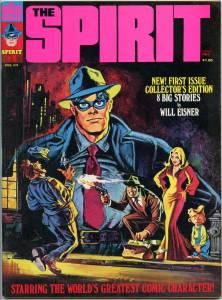
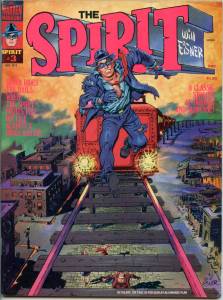
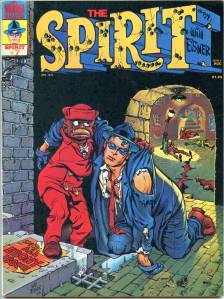
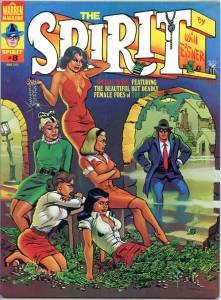
From 1974 to 1976, James Warren‘s Warren Publishing published 16 issues of The Spirit (also known as The Spirit Magazine), a large black-and-white magazine consisting of reprints with original covers (primarily by Eisner), concluding with a separate 1975 color issue, The Spirit Special, which includes an afterword by Bill DuBay. Kitchen Sink picked up the series beginning in 1977 with issue 17, eventually concluding with issue 41 (June 1983). Issue 30 of the Kitchen Sink series (July 1981) features “The Spirit Jam“, with a script from Eisner and a few penciled pages, plus contributions from 50 artists, including Fred Hembeck, Trina Robbins, Steve Leialoha, Frank Miller, Harvey Kurtzman, Howard Cruse, Brian Bolland, Bill Sienkiewicz, John Byrne, and Richard Corben.
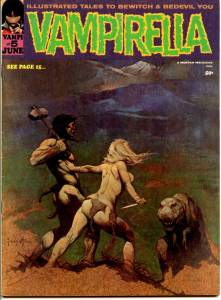
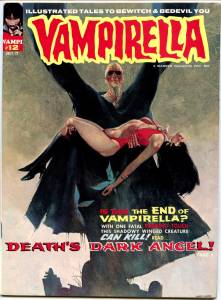
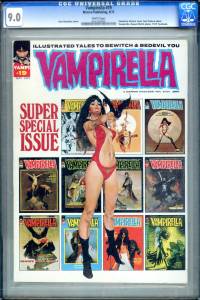
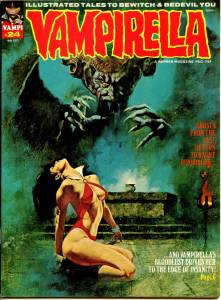
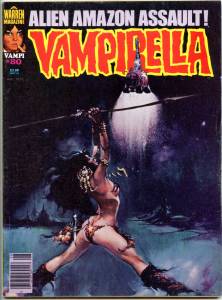
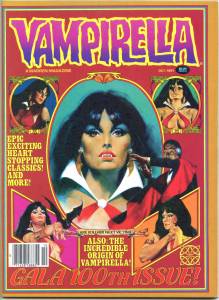
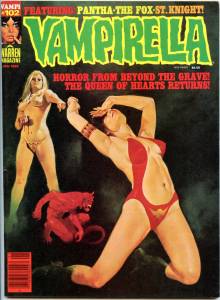
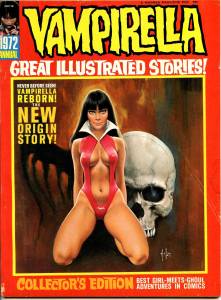
Vampirella is a vampire superheroine created by Forrest J Ackerman and costume designer Trina Robbins in Warren Publishing‘s black-and-white horror comics magazine Vampirella #1 (Sept. 1969). Writer-editor Archie Goodwin later developed the character from horror-story hostess, in which capacity she remained through issue #8 (Nov. 1970), to a horror-drama leading character. Vampirella was ranked 35th in Comics Buyer’s Guide‘s “100 Sexiest Women in Comics” list.
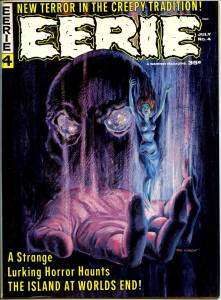
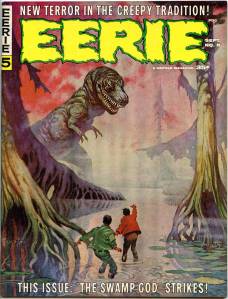
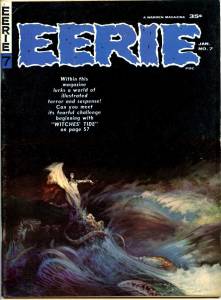
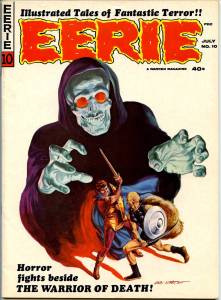
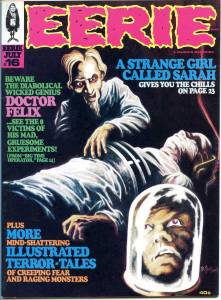
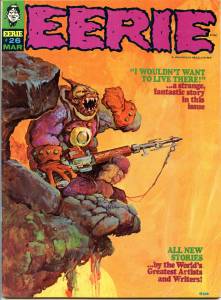
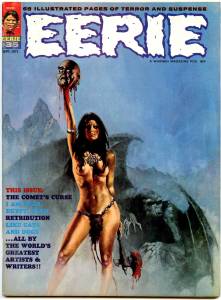
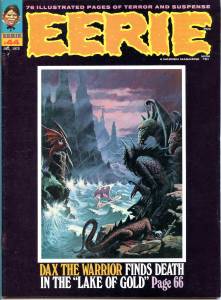
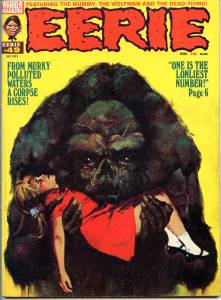
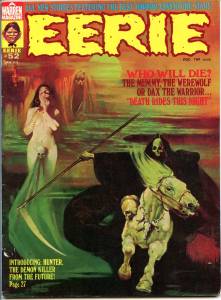
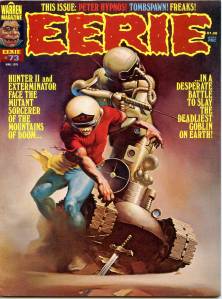
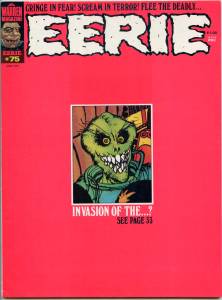
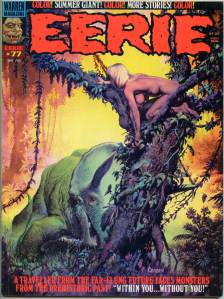
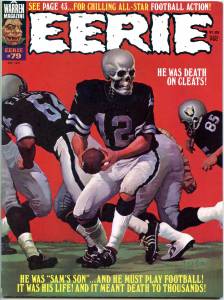
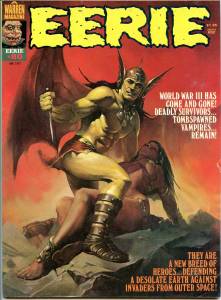
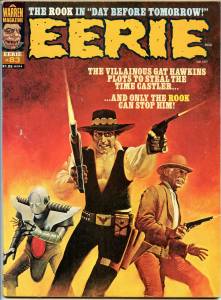
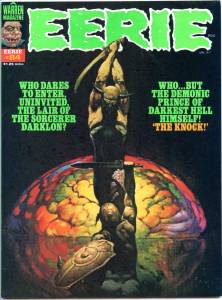
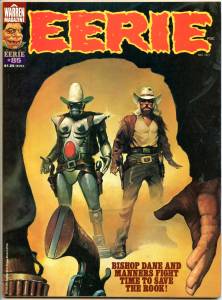
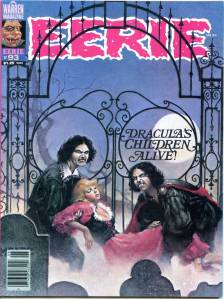
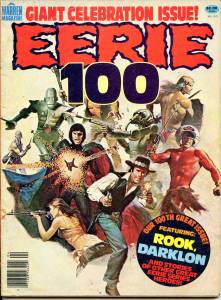
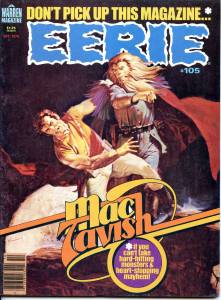
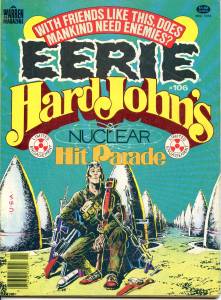
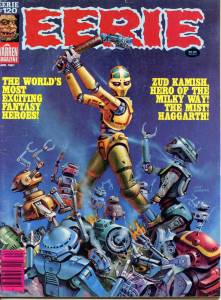
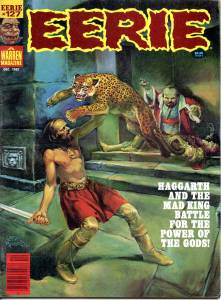
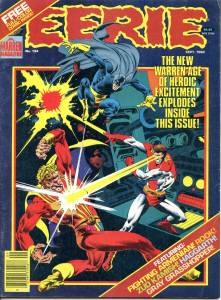
Eerie was an American magazine of horror comics introduced in 1966 by Warren Publishing. Like Mad, it was a black-and-white newsstand publication in a magazine format and thus did not require the approval or seal of the Comics Code Authority. Each issue’s stories were introduced by the host character, Cousin Eerie. Its sister publications were Creepy and Vampirella.
The first issue, in early 1966, had only a 200-issue run of an “ashcan” edition. With a logo by Ben Oda, it was created overnight by editor Archie Goodwin and letterer Gaspar Saladino to establish publisher Jim Warren’s ownership of the title when it was discovered that a rival publisher would be using the name.Warren explained, “We launched Eeriebecause we thought Creepy ought to have an adversary. The Laurel and Hardy syndrome always appealed to me. Creepy and Eerie are like Boris Karloff and Peter Lorre.”
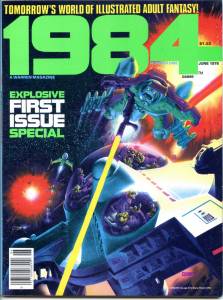
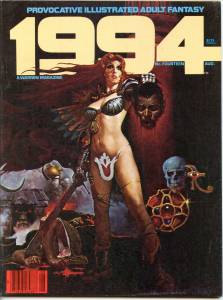
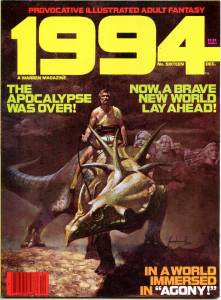
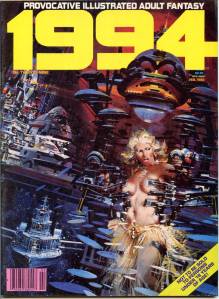
1984 was an American black and white science-fictioncomic magazine published in New York City by Warren Publishing from 1978 to 1983. 1984 was edited by Bill Dubay. The title of the magazine was changed to 1994 starting with issue #11 in February, 1980 based on a request by the estate of George Orwell. The magazine ceased publication with issue #29 in February, 1983 due to the bankruptcy of Warren Publishing.
Similar to its sister publications Eerie and Vampirella, 1984 featured numerous recurring series and characters. This included the following:
Mutant World (Artist: Richard Corben; Writer; Jan Strnad)
Ghita of Alizarr (Drawn and written by Frank Thorne)
Idi Amin (Artist: Esteban Maroto; Writer: Bill Dubay)
Rex Havoc (Artist: Abel Laxamana; Writer: Jim Stenstrum)
The Starfire Saga (Artist: Rudy Nebres; Writer: Bill Dubay)
Young Sigmond Pavlov (Artist: Alex Niño; Writer: Bill Dubay)















 EHT Comics