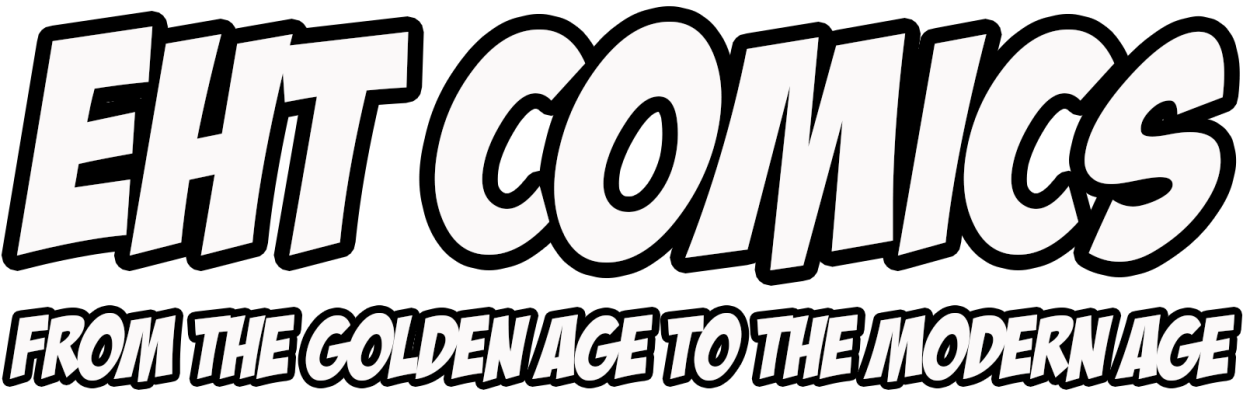
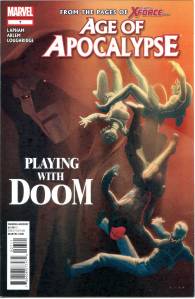
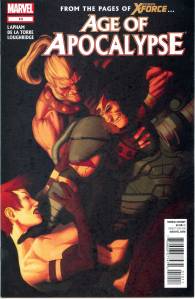
Discover the origin of the Sentinel Squad! How did they come together and become the elite group of soldiers to pilot the Sentinels that have made their presence known at the Xavier Institute?
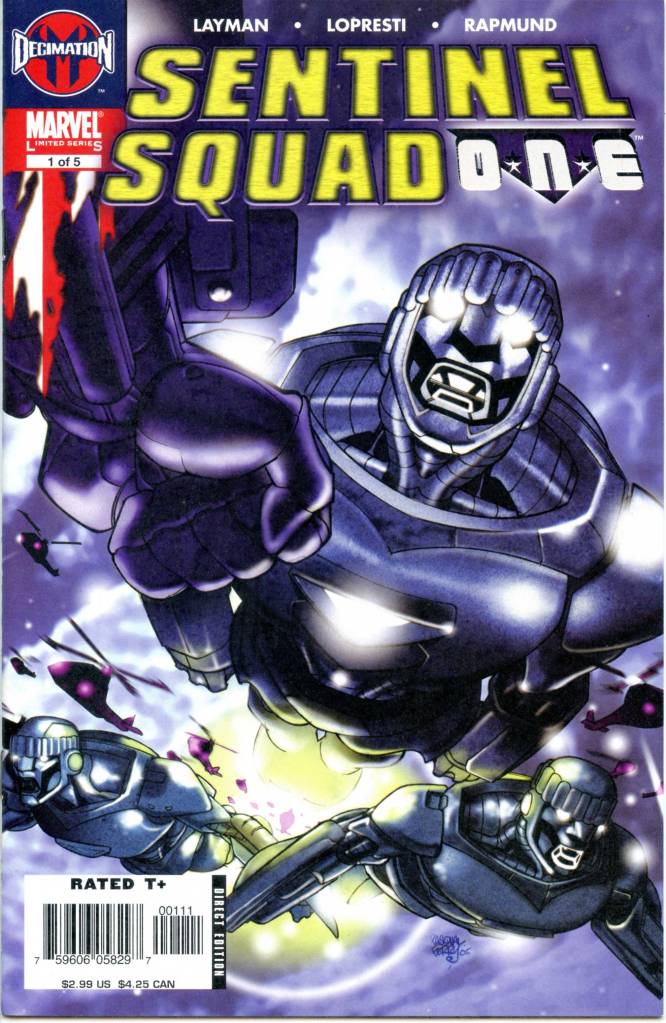
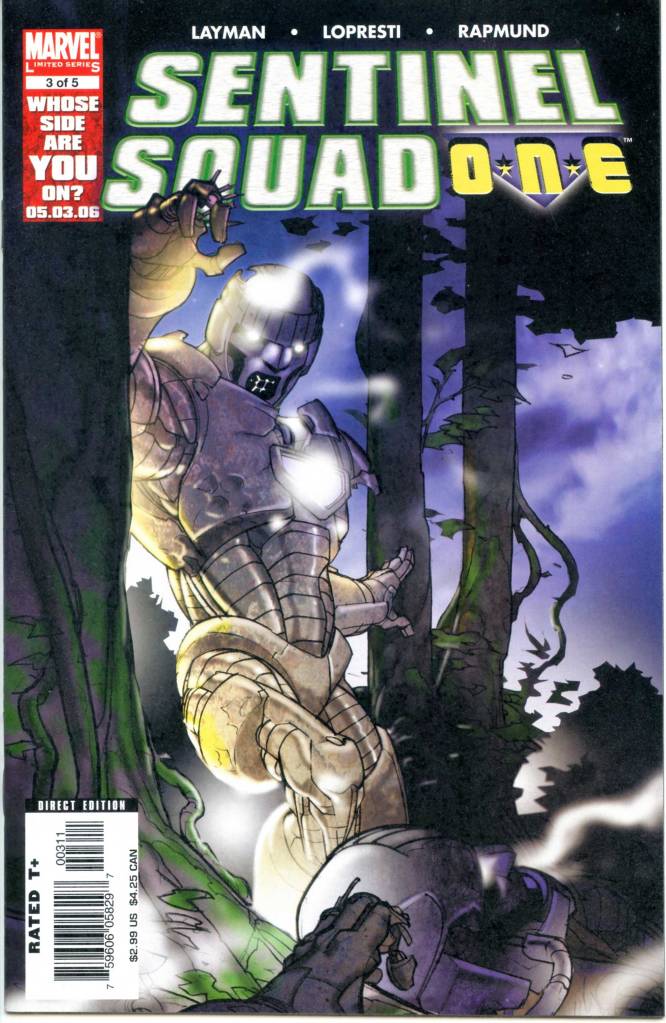
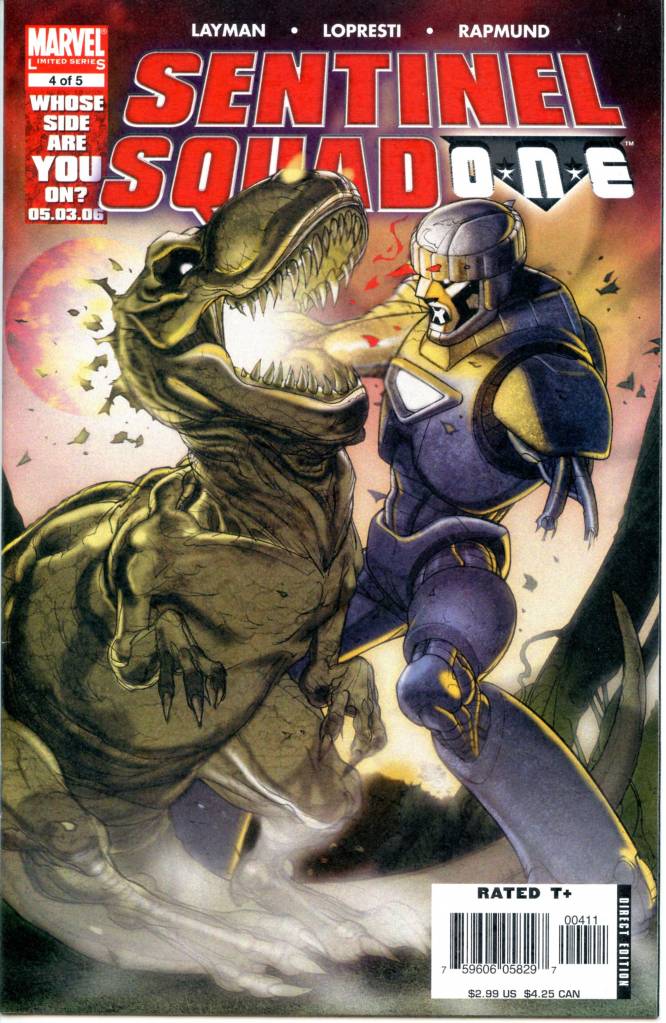
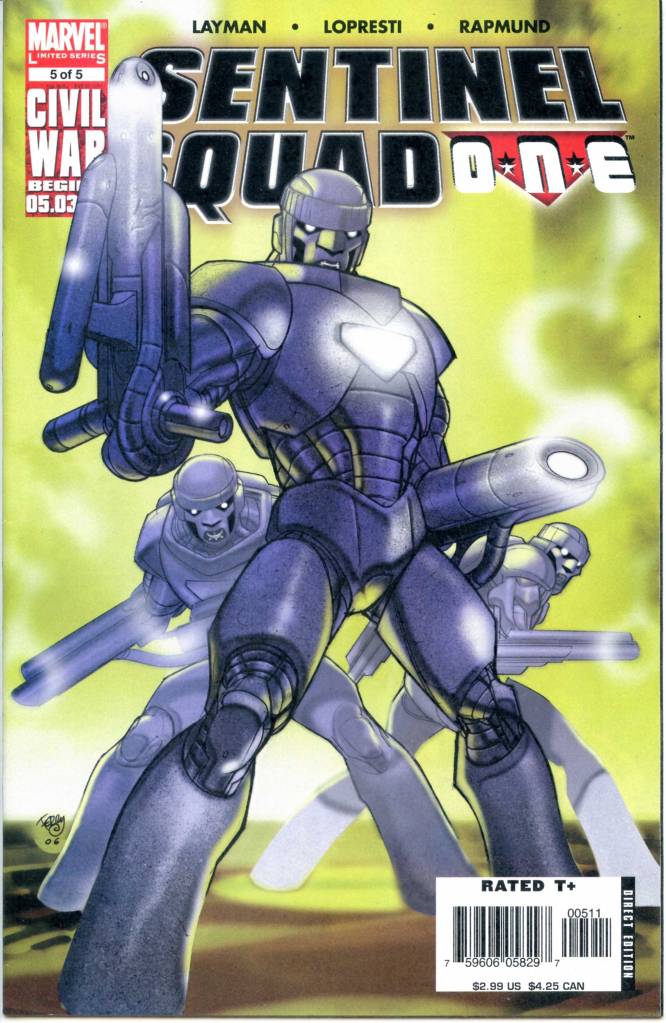
Discover the origin of the Sentinel Squad! How did they come together and become the elite group of soldiers to pilot the Sentinels that have made their presence known at the Xavier Institute?
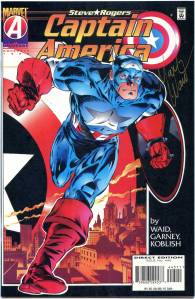
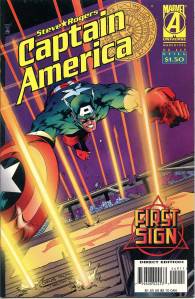
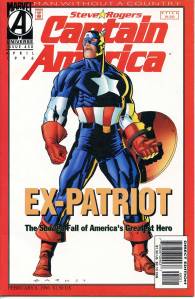
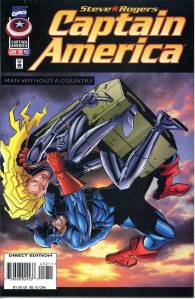
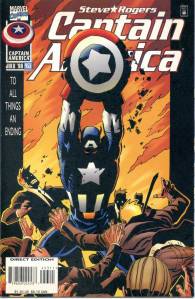
Following Mark Gruenwald’s departure from the series, Mark Waid took over and resurrected Sharon Carter as Cap’s love interest. The title was then relaunched under Rob Liefeld as Cap became part of the Heroes Reborn universe for 13 issues before another relaunch restored Waid to the title in an arc that saw Cap lose his shield for a time using an energy based shield as a temporary replacement.







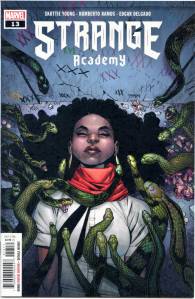
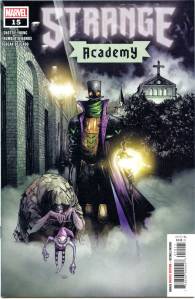
Strange Academy is a fictional school appearing in comics published by Marvel Comics. It was founded by Doctor Strange to train young people from many worlds with magical abilities in the use of sorcery and magical artifacts. The school first appears in Strange Academy #1 (March 2020) and was created by writer Skottie Young and artist Humberto Ramos.


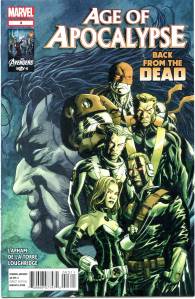
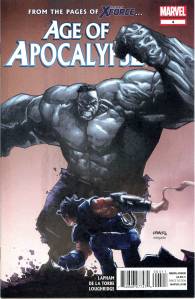
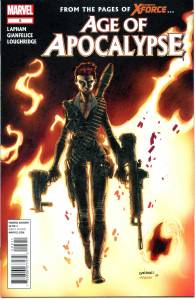
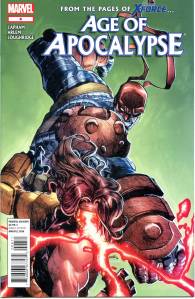
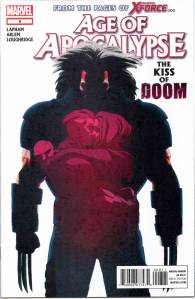
Jean Grey and Sabretooth return to Earth 616. Weapon X and his Black Legion attack the last human city where Weapon X slays both Magneto and Rogue, leaving Jean Grey and Sabretooth the last two X-Men alive. Jean telepathically nudges clones of the Scarlet Witch to recreate the Decimation and remove all mutants’ powers across the globe. However, this was only successful within a radius of 12 feet, so Jean Grey and Sabretooth are both left de-powered. The human coalition distracts Weapon X with a bomb long enough for the group to escape as the city explodes behind them. Harper Simons joins with the human team, the X-Terminated. Others who work with the X-Terminated are Doctor Moreau and Bolivar Trask.
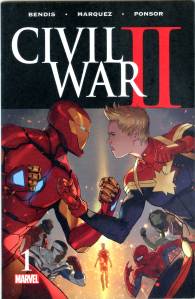
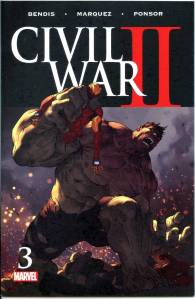
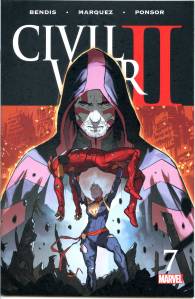
Civil War II, which debuted in June 2016, is a sequel to the 2006 “Civil War” storyline.
A new Inhuman, with the ability to profile the future, emerges and the ramifications ripple into every corner of the Marvel Universe. Lines are drawn, bodies fall, and the Marvel Universe will be rocked to it’s very core.
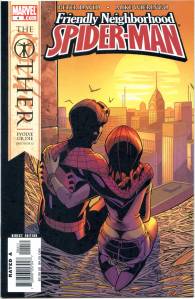
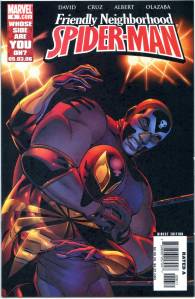
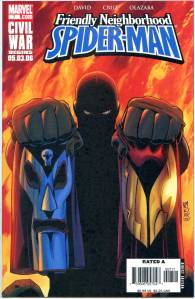
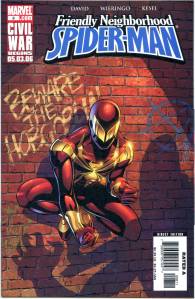
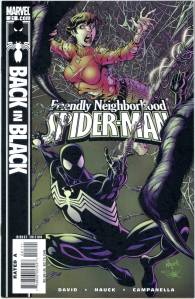
The title is derived from a trademark self-referential comment often made by Spider-Man (as in “just another service provided by your friendly neighborhood Spider-Man!”). The series began in October 2005 and was primarily written by Peter David. Friendly Neighborhood Spider-Man was canceled after issue #24, part 2 of J. Michael Straczynski and Joe Quesada‘s controversial “One More Day” storyline. Kurt Busiek has revealed that in 1995 he originally suggested “Friendly Neighborhood Spider-Man” as the title of the series which was eventually published as Untold Tales of Spider-Man.


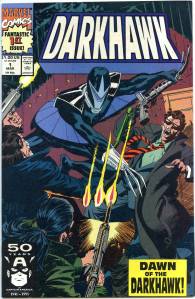
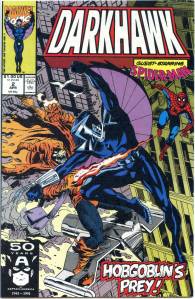
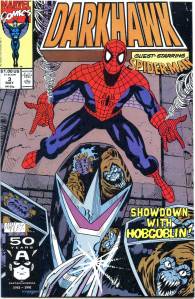
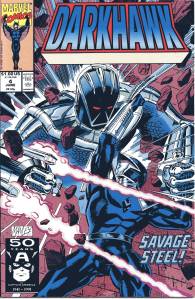
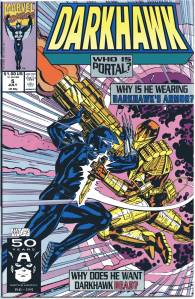
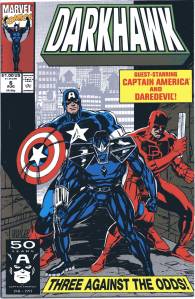
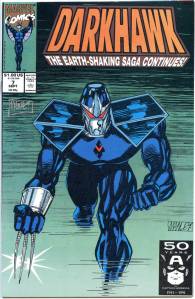
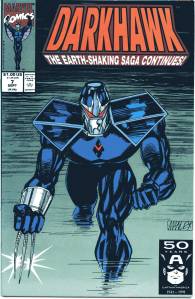
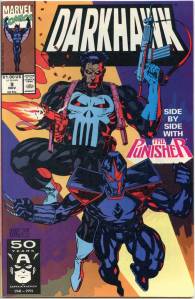
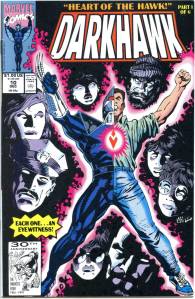
Darkhawk appeared in a self-titled monthly series for 50 issues that was published by Marvel Comics from March 1991 to March 1995, and included three standalone annuals. Although created by DeFalco and Manley, DeFalco was never credited as a writer of the series. The original writer was Danny Fingeroth.
After his own series ended, Darkhawk co-starred or cameoed in other titles over the following years, such as New Warriors, Avengers/JLA, and Iron Man, eventually resurfacing in Runaways Vol.2 #1-6, followed by Marvel Team Up Vol.3 #15 and the short-lived Loners series. New Warriors writer Fabian Nicieza said in 1992 that “People keep coming up to me and asking, ‘Is Darkhawk a member of the New Warriors or not?’ Well, yes and no. The New Warriors isn’t an official group with a rule book and charter and the like. They’re more of a club for super-powered teens. So if Darkhawk wants to hang out on a Friday evening and talk about his powers, then he’ll stop by the New Warriors’ crash pad.”

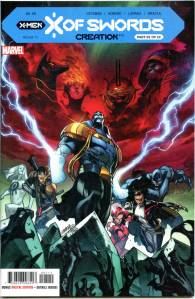
It is discovered that the first incarnation of the Horsemen are actually the biological children of Apocalypse and his wife Genesis who was also sent with Arakko. Following that, Apocalypse went to the Summoner and directed him to the portal to Otherworld where he could return to Arakko, while being accompanied by Unus and Banshee. However, what Apocalypse didn’t expect was that this was all an elaborated plan created by his own children so they could return and overthrow Krakoa with their fellow Arakki mutants and Daemon army. Apocalypse himself was soon attacked and critically injured by his daughter War, being forced to retreat back to Krakoa to heal their wounds and prepare for war between the two groups.


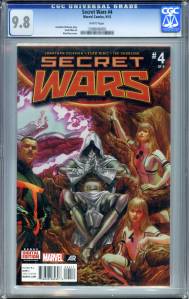
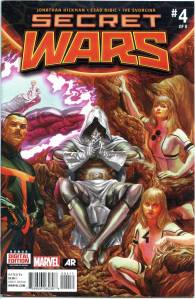
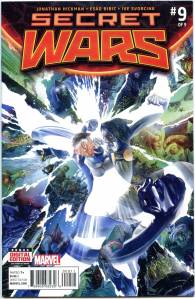
In May 2015, Marvel published a new Secret Wars miniseries, written by Jonathan Hickman and drawn by Esad Ribić, that picked up from where the “Time Runs Out” storyline running in Avengers and New Avengers at the time had ended. The storyline involved the Marvel Universe combining with other alternate universes, including the Ultimate Universe, as well as the 2099 Universe, to form Battleworld, a world which exhibits aspects of the various universes. The core limited series was nine issues long, and ran for eight months, ending in January 2016. One of the core miniseries, Ultimate End, had ended the Ultimate Marvel imprint after 15 years at the time. Ultimate End is written by Brian Michael Bendis and artist Mark Bagley, the team that began the Ultimate Marvel universe with Ultimate Spider-Man.




X-Men: The End is a 2004-2006 trilogy of miniseries published by Marvel Comics, detailing the last days of the X-Men and their adventures in an alternative future. The series, which was part of Marvel’s The End line of books, was written by Chris Claremont and drawn by Sean Chen, with cover art by Greg Land and Gene Ha.
The first part of the miniseries is titled Dreamers and Demons, the second Heroes and Martyrs, and the third Men and X-Men. As it was originally conceived, several years before its actual debut, this series would have re-teamed Chris Claremont and John Byrne, with Byrne providing plots and art and Claremont providing dialogue. Yet after a dispute with Marvel following the cancellation of Byrne’s ongoing series X-Men: The Hidden Years, Byrne left the publisher.
The story of X-Men: The End continues in the 2008 GeNext mini-series, then again in the 2009 mini-series, GeNext: United.


