Supernatural Thrillers ran 15 issues (cover-dated December 1972 – October 1975). The title was one of four launched by Marvel Comics editor-in-chief Roy Thomas to form a line of science fiction and horroranthologies with more thematic cohesiveness than the company’s earlier attempts that decade, which had included the series Chamber of Darkness and Tower of Shadows. Whereas those titles generally presented original stories, these new books would instead adapt genre classics and other stories.
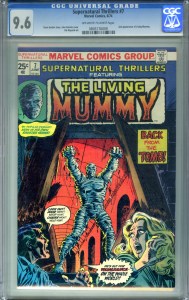
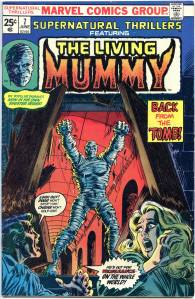
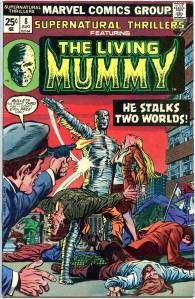
Issue #5 (August 1973) introduced the Living Mummy in a standalone story about an African tribal prince enslaved by Egyptians and mummified by an evil priest, who eventually reawakens in modern times. The character, created by writer Steve Gerber and penciler Rich Buckler, returned two issues later as the starring character in a generally 15-page solo series that ran from #7 to the final issue, #15 (June 1974 – October 1975). The cover logo during this time was “Supernatural Thrillers featuring The Living Mummy”.
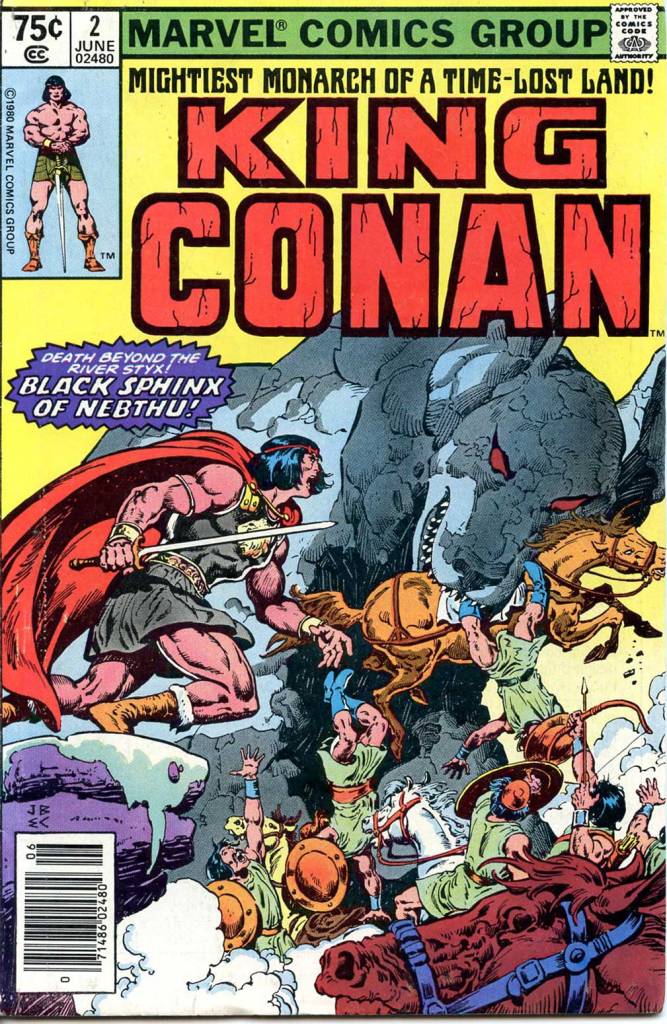
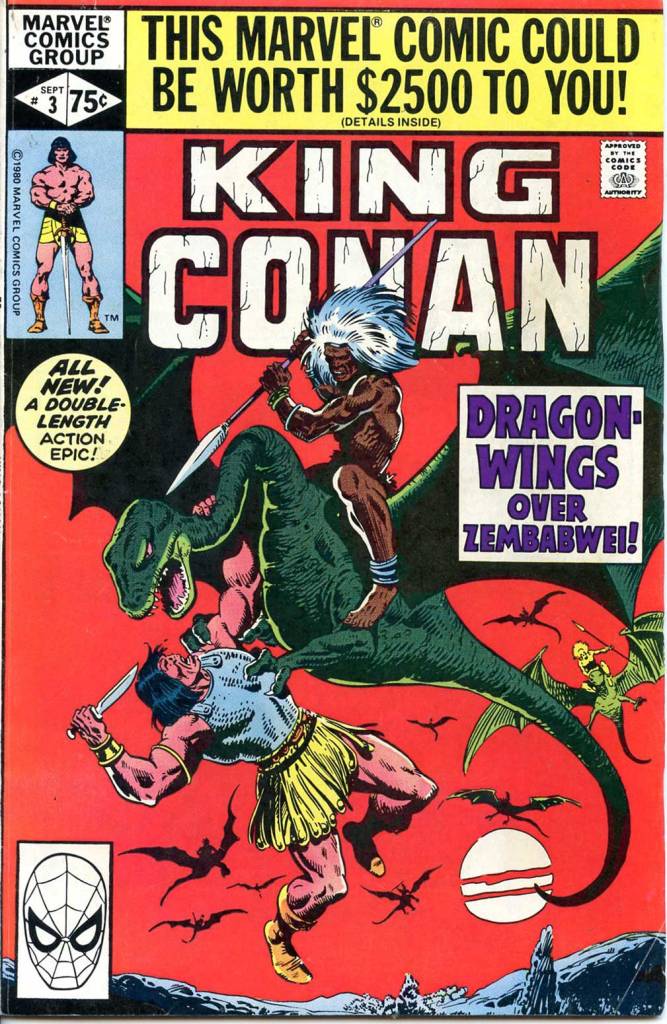
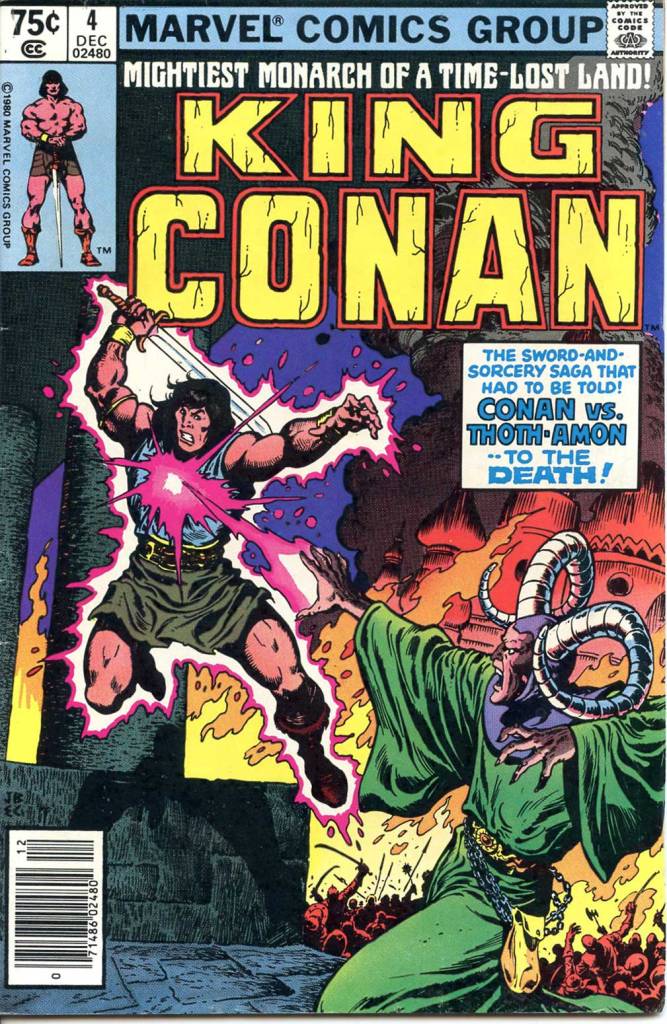
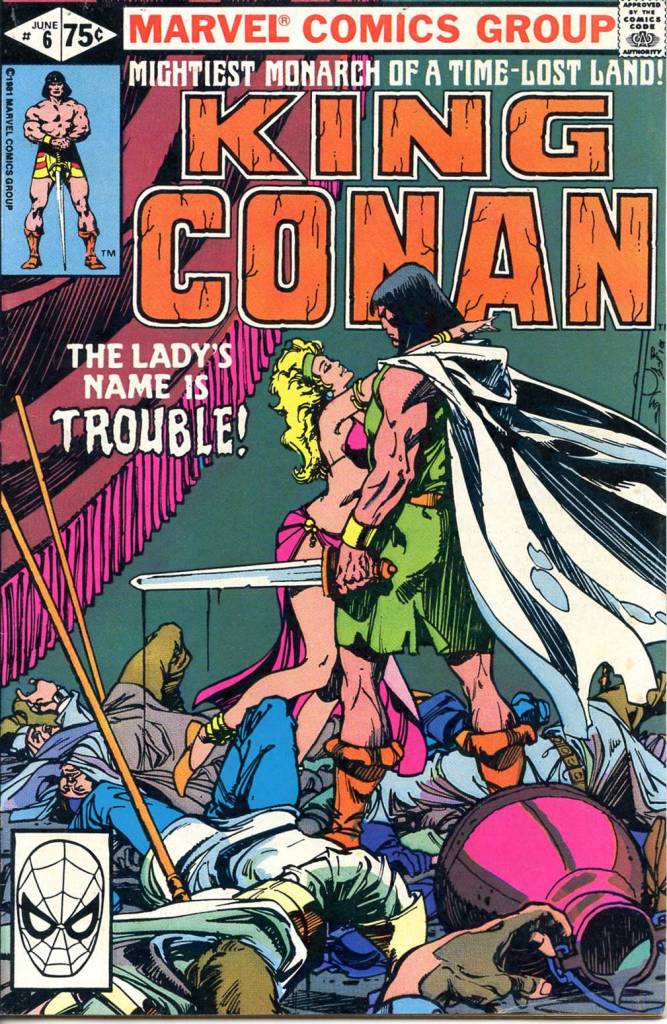
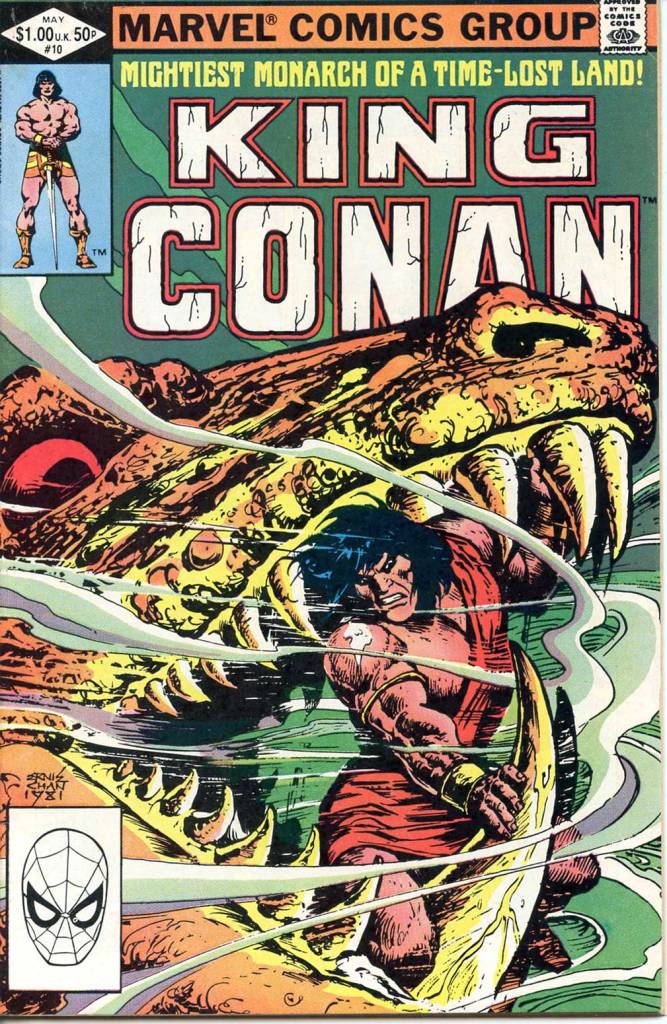
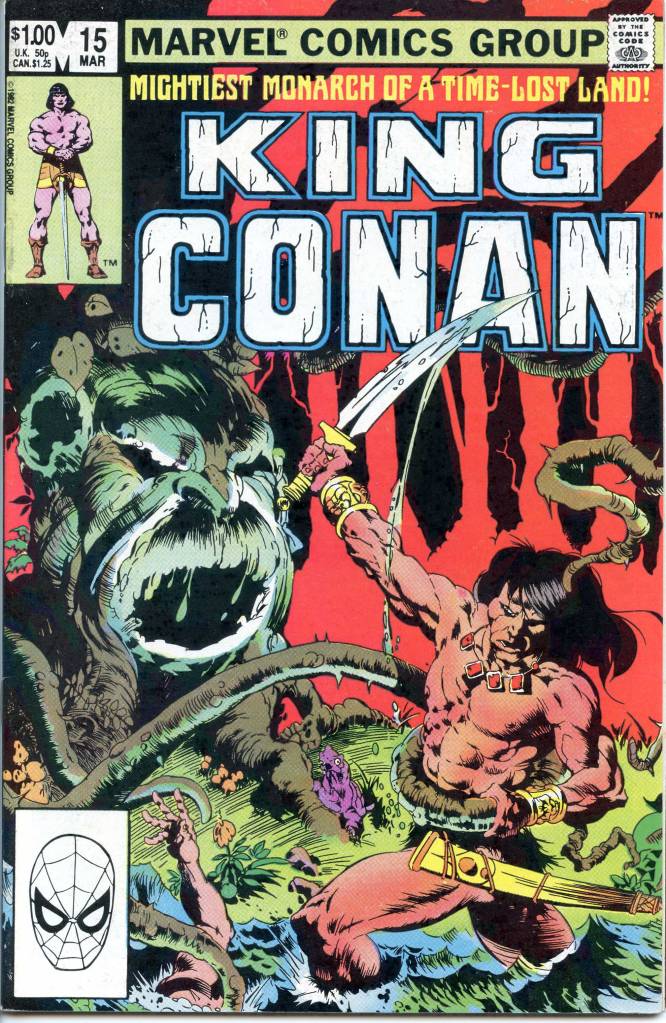
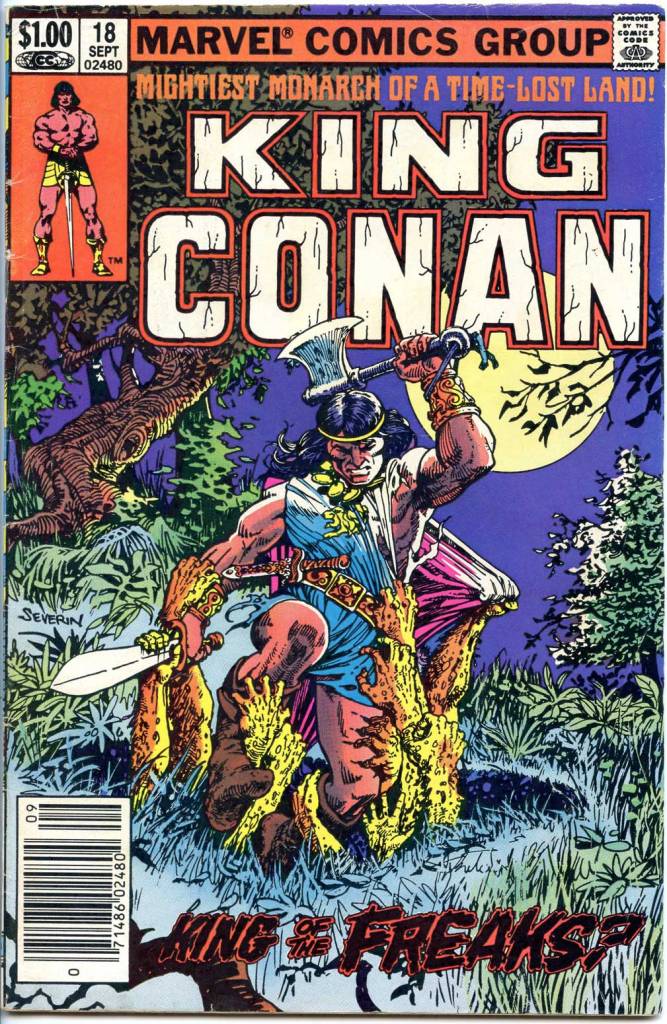
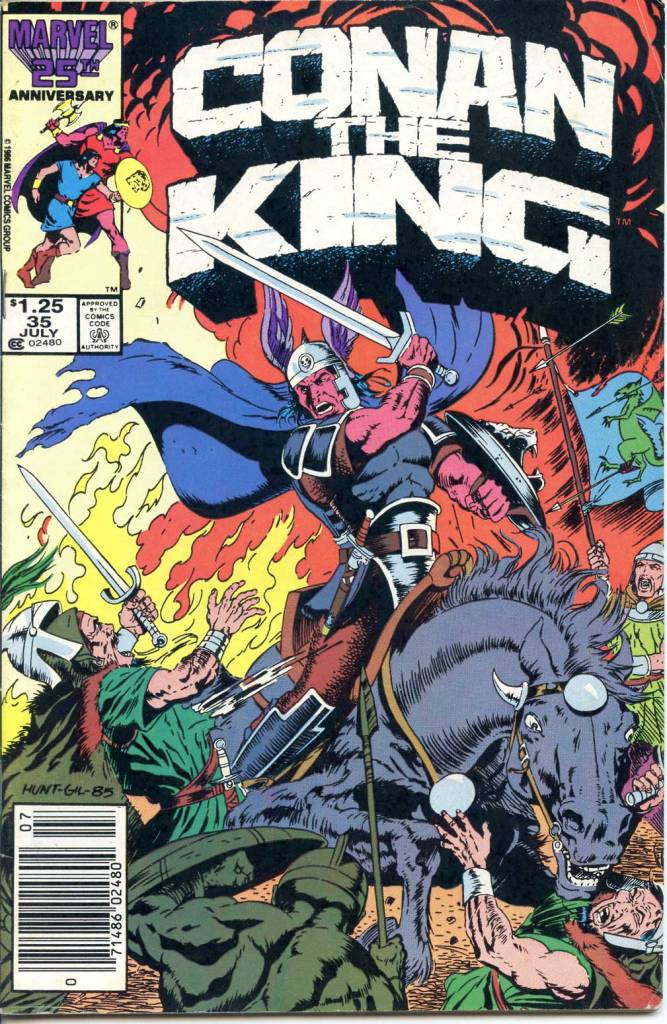
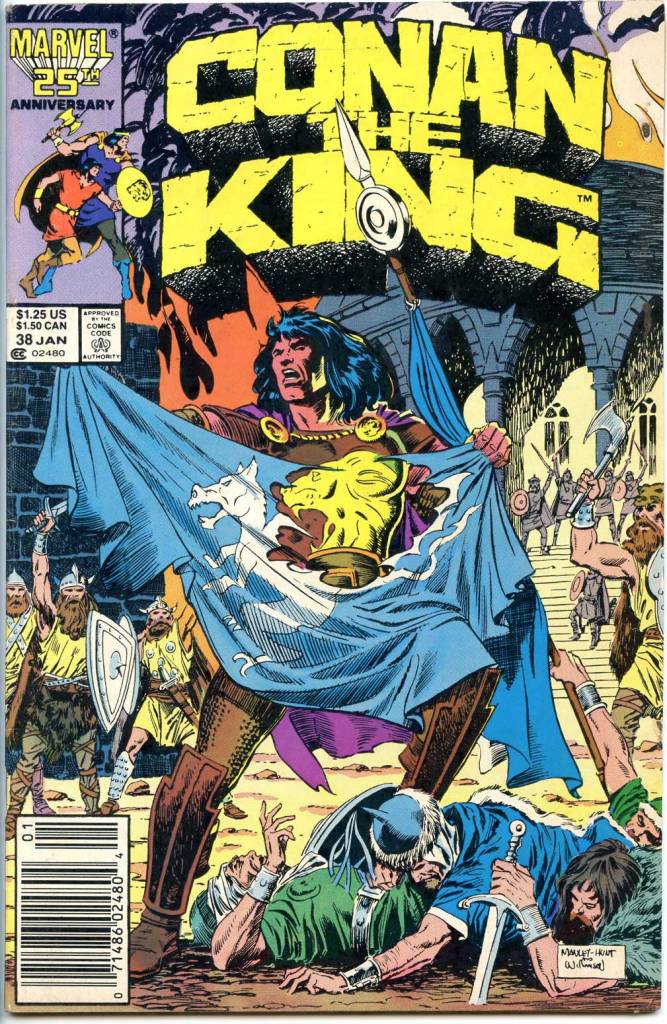
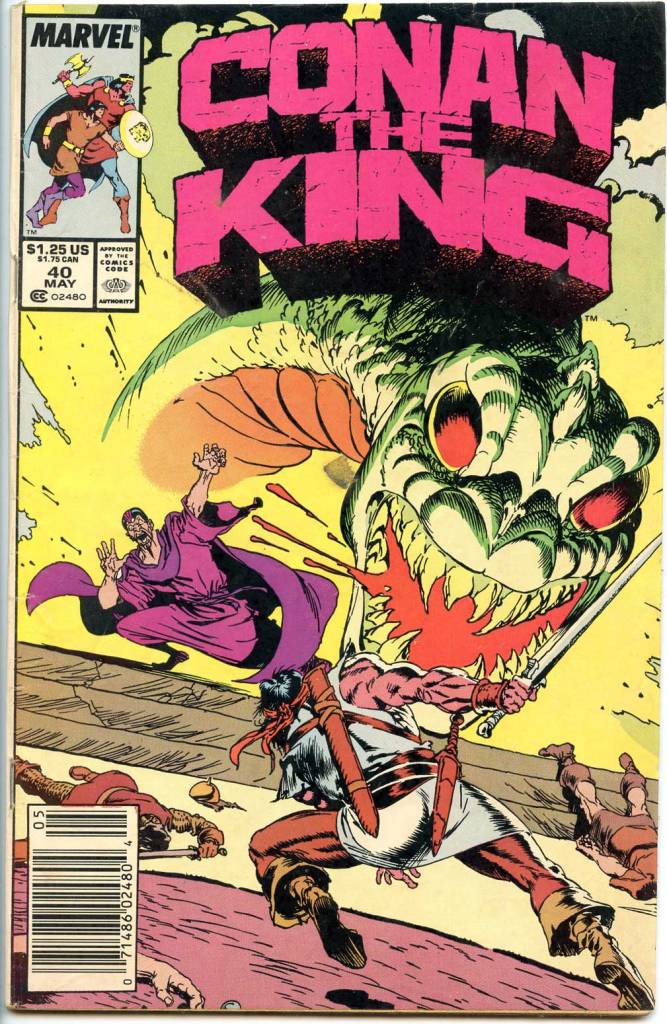
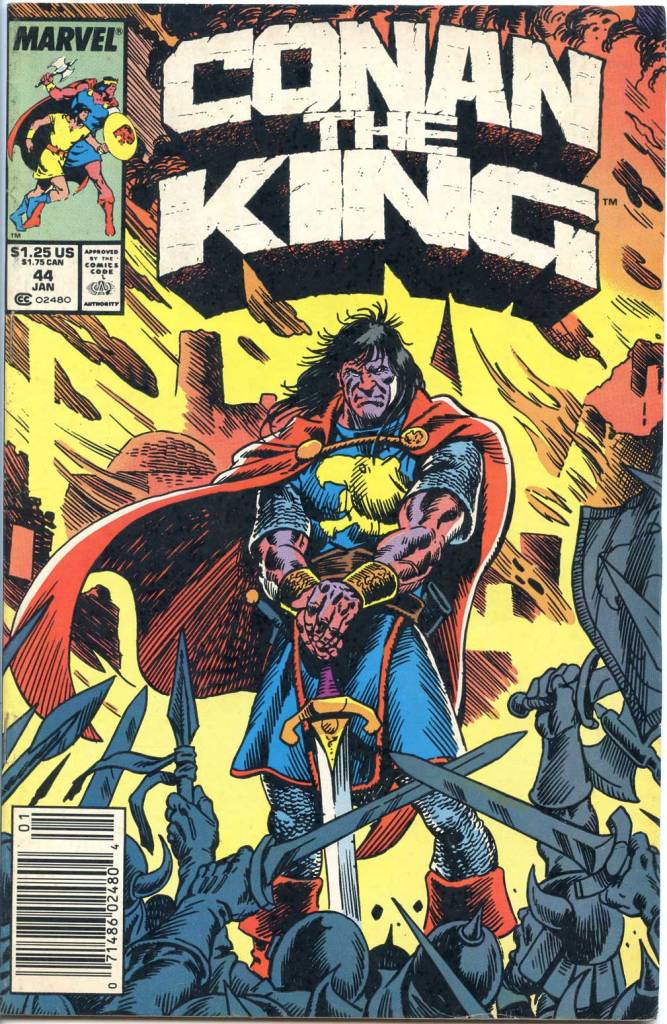
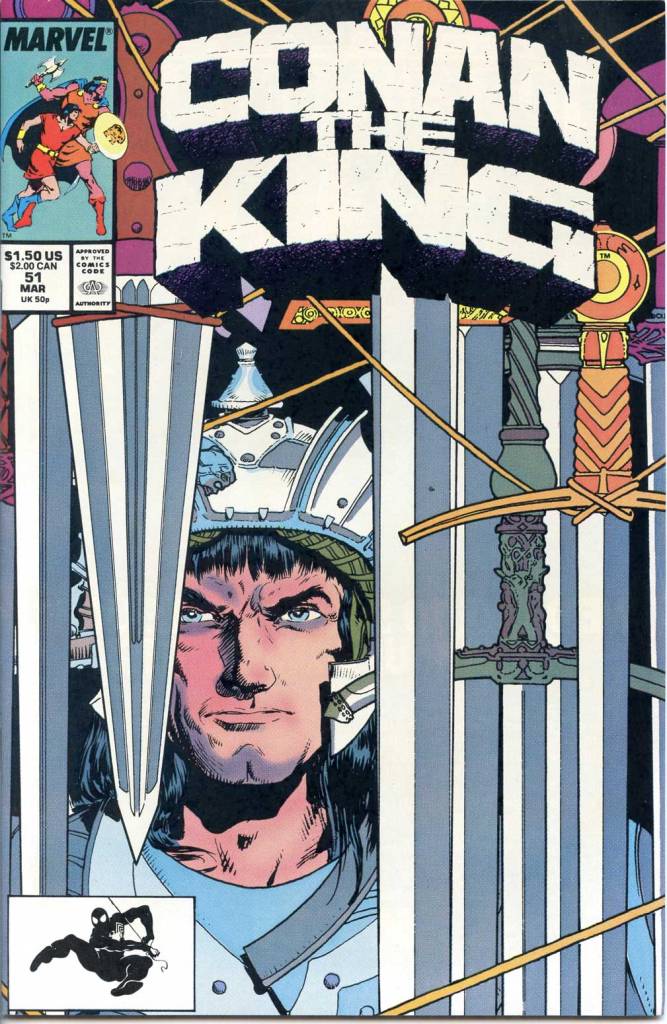
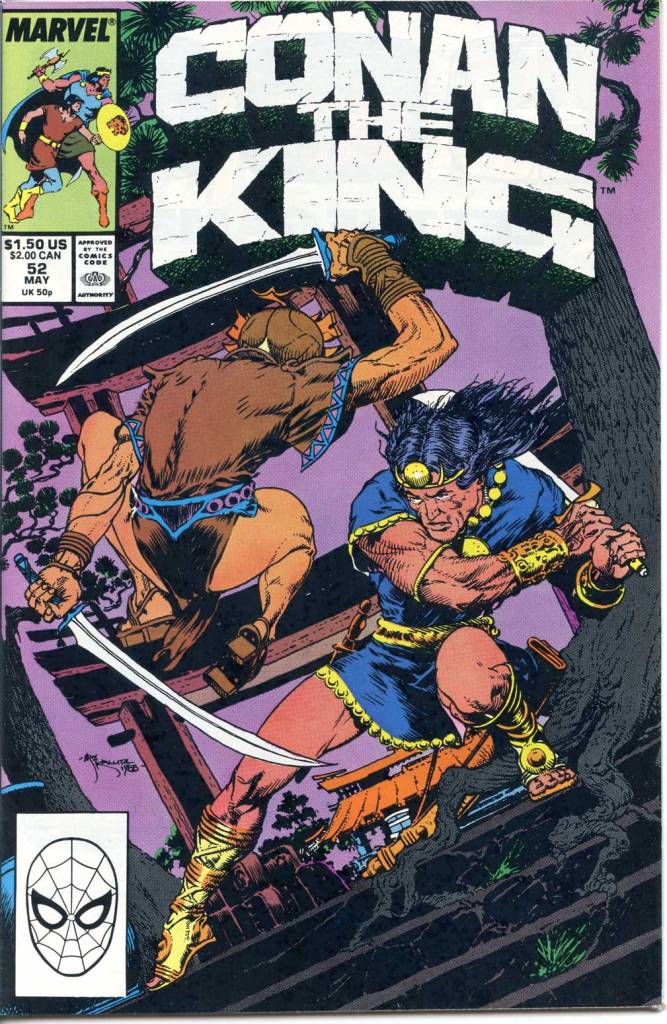
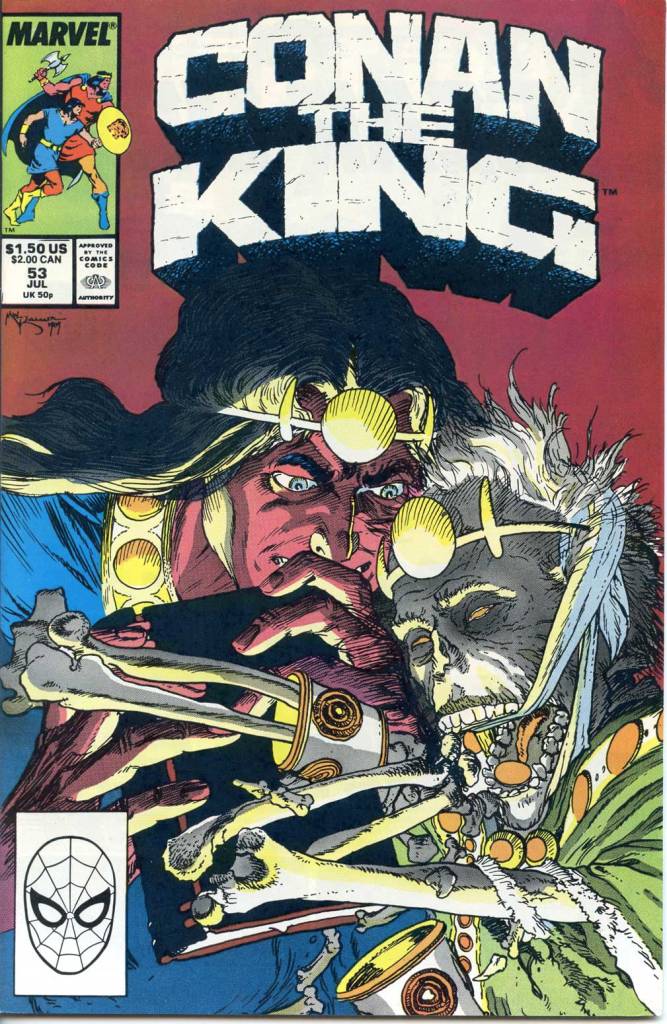
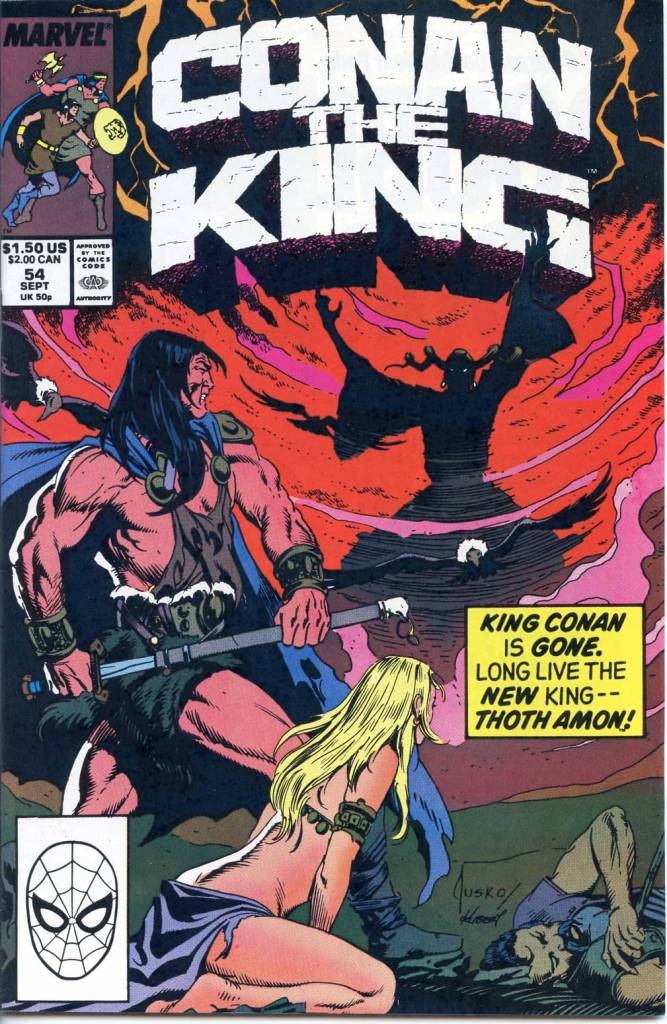
King Conan #2 VF $4King Conan #3 VF $3King Conan #4 F-VF $2King Conan #6 VF $4King Conan #10 VF-NM $5King Conan #15 VF $5King Conan #18 F+ $2Conan the KIng #35 VF- $4Conan the King #38 F+ $2Conan the King #40 F+ $2Conan the King #44 F+ $2Conan the King #51 NM $8Conan the King #52 NM- $7Conan the King #53 NM $11Conan the King #54 NM $12
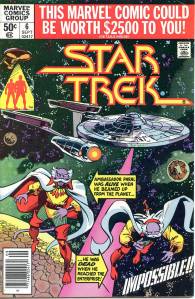
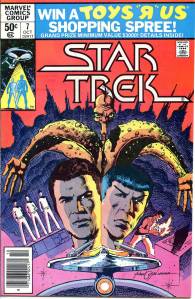
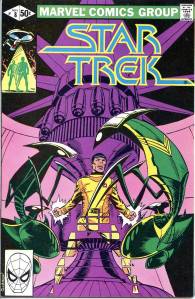
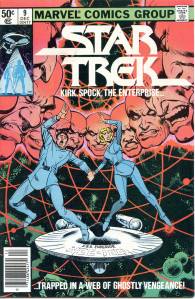
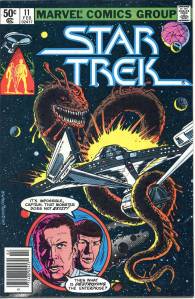
Marvel’s series of Star Trek comics began in 1979 with an adaptation of Star Trek: The Motion Picture and continued for another two years. These tales take place during a second five-year mission of Kirk and the Enterprise that would have been featured in the never-produced Star Trek: Phase II TV series. Marvel’s license from Paramount prohibited them from using concepts introduced in the original series. They were only allowed to use the characters and concepts from Star Trek: The Motion Picture. The series lasted 18 issues and ended in 1981.
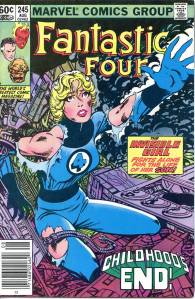
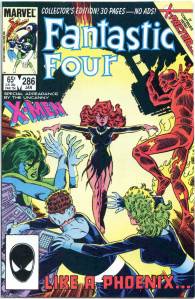
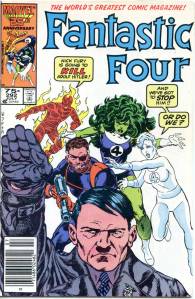
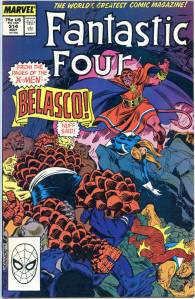
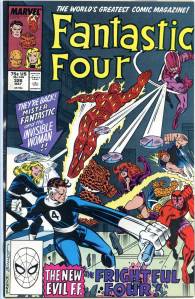
John Byrne revitalized the slumping title with his run. Originally, Byrne was slated to write with Sienkiewicz providing the art. Sienkiewicz left to do Moon Knight, and Byrne subsequently became writer, artist, and inker. Various editors were assigned to the comic; eventually Bob Budiansky became the regular editor. Byrne told Jim Shooter that he could not work with Budiansky, although they ultimately continued to work together. In 2006, Byrne said “that’s my paranoia. I look back and I think that was Shooter trying to force me off the book”. Byrne left following issue #293 (Aug. 1986) in the middle of a story arc, explaining he could not recapture the fun he had previously had on the series. One of Byrne’s changes was making the Invisible Girl into the Invisible Woman: assertive and confident. During this period, fans came to recognize that she was quite powerful, whereas previously, she had been primarily seen as a superpowered mother and wife in the tradition of television moms like those played by Donna Reed and Florence Henderson.
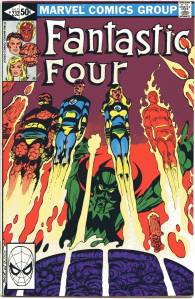
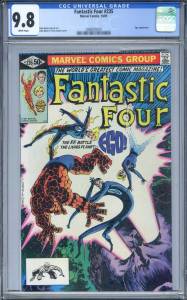
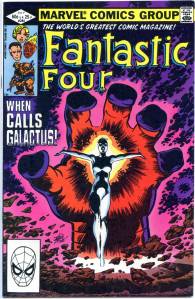
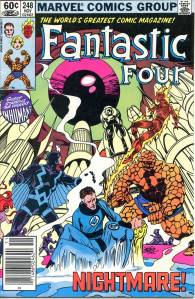
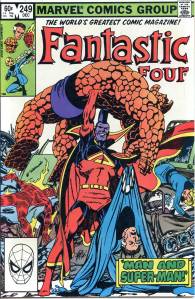
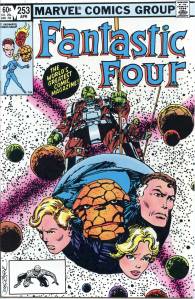
Fantastic Four #218 VF-NM $5Fantastic Four #220 VF $3Fantastic Four #232 VF-NM $9Fantastic Four #235 CGC 9.8 White Pages $89Fantastic Four #239 VF+ $3Fantastic Four #242 VF+ $3Fantastic Four #244 VF $29Fantastic Four #245 VF+$9Fantastic Four #248 Newstand VF+$4Fantastic Four #248 VF-NM $4Fantastic Four #249 Newstand VF+ $3Fantastic Four #249 VF-NM $3Fantastic Four #250 NM $6Fantastic Four #251 Newstand VF-NM $5Fantastic Four #251 VF-NM $4Fantastic Four #253 Newstand VF+ $4Fantastic Four #253 VF-NM $4Fantastic Four #254 Newstand VF+ $4Fantastic Four #254 VF-NM $4Fantastic Four #256 VF+ $3Fantastic Four #277 NM- $8Fantastic Four #286 Newsstand NM- $12Fantastic Four #286 NM $12Fantastic Four #292 Newsstand VF+ $9Fantastic Four #293 Newsstand VF+ $6Fantastic Four #299 VF+ $5Fantastic Four #303 VF-NM $2Fantastic Four #314 NM- $4Fantastic Four #316 VF-NM $3Fantastic Four #323 NM- $4Fantastic Four #324 VF-NM $3Fantastic Four #326 VF-NM $2
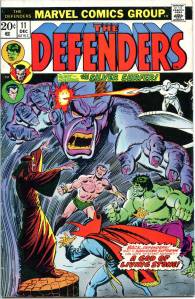
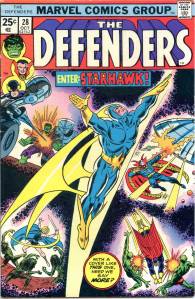
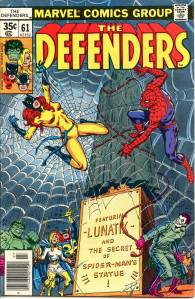
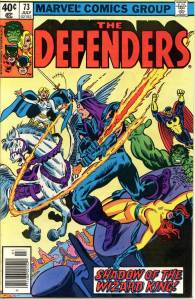
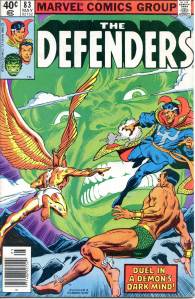
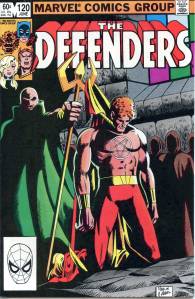
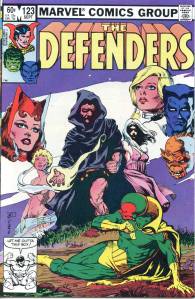
The Defenders had a rotating line-up from 1972 until 1986, with Dr. Strange and the Hulk being more or less constant members along with a number of other mainstays such as Valkyrie, Nighthawk, Hellcat, the Gargoyle, Beast, the Son of Satan and Luke Cage, and a large number of temporary members. The publication was retitled near the end of the run as The New Defenders but featured none of the original members and only Valkyrie, the Beast and the Gargoyle of the former long-term members. The concept was modified in the 1993–95 series Secret Defenders, in which Dr. Strange assembled different teams for each individual mission. Later, the original team were reunited in a short-lived series by Kurt Busiek and Erik Larsen. In the 2000s, Marvel published a new miniseries featuring the classic line-up. Writer Matt Fraction and artist Terry Dodson launched a new Defenders series in December 2011.
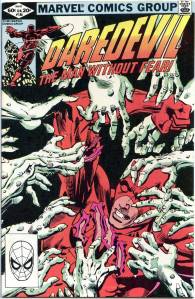
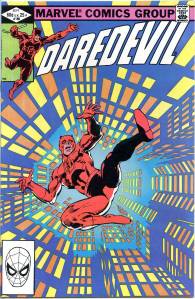
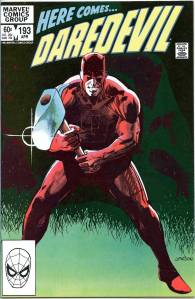
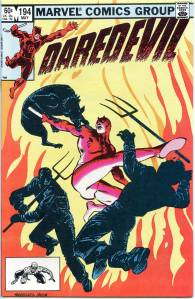
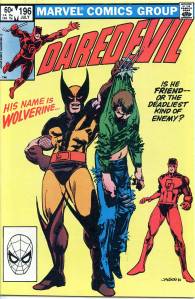
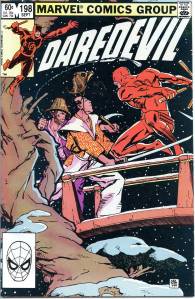
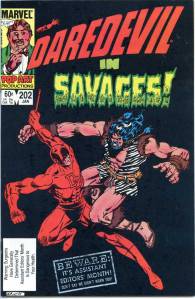
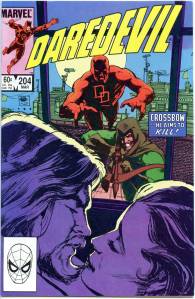
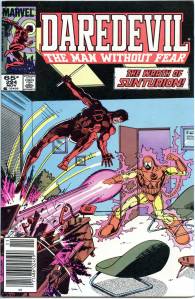
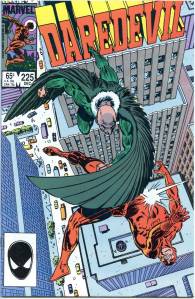
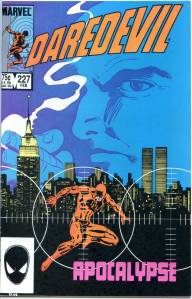
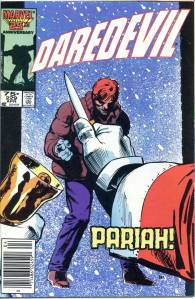
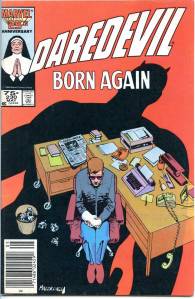
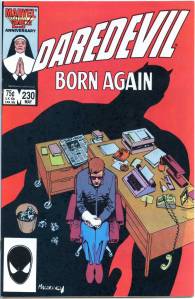
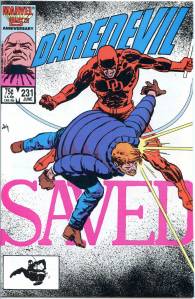
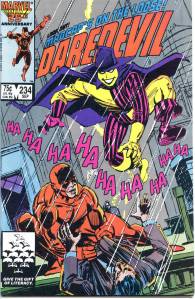
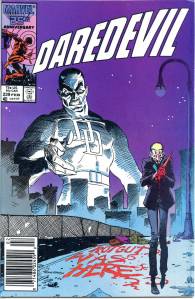
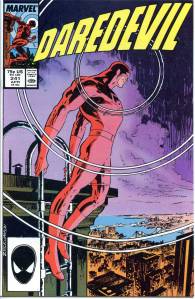
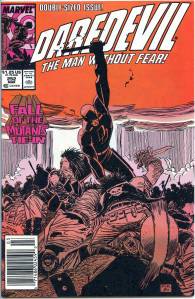
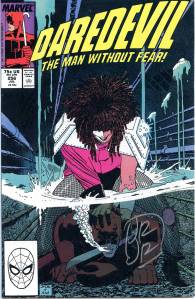
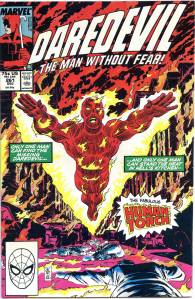
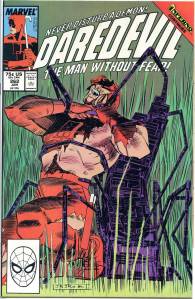
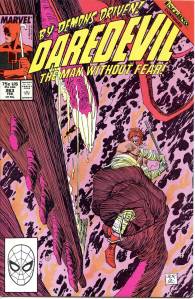
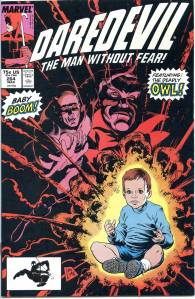
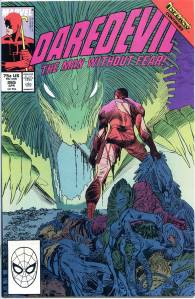
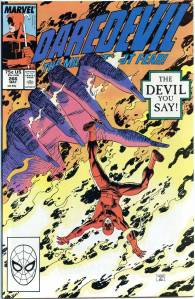
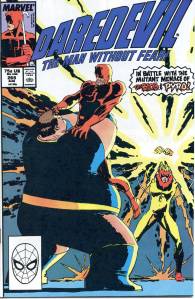
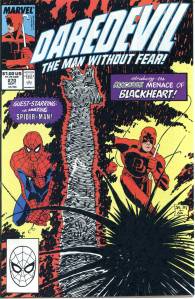
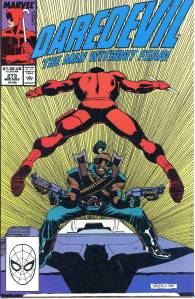
During the 80’s Frank Miller was hired to continue the title and did so in a similar vein to previous writer Roger McKenzie. Resuming the drastic metamorphosis the previous writer had begun, Miller took the step of essentially ignoring all of Daredevil’s continuity prior to his run on the series; on the occasions where older villains and supporting cast were used, their characterizations and history with Daredevil were reworked or overwritten. Most prominently, dedicated and loving father Jack Murdock was reimagined as a drunkard who physically abused his son Matt, entirely revising Daredevil’s reasons for becoming a lawyer. Spider-Man villain Kingpin was introduced as Daredevil’s new nemesis, displacing most of his large rogues gallery. Daredevil himself was gradually developed into an antihero. In issue #181 (April 1982), he attempts to murder one of his arch-enemies by throwing him off a tall building; when the villain survives as a quadriplegic, he breaks into his hospital room and tries to scare him to death by playing a two-man variation on Russian roulette with a secretly unloaded gun.Comics historian Les Daniels noted that “Almost immediately, [Miller] began to attract attention with his terse tales of urban crime.” Miller’s revamping of the title was controversial among fans, but it clicked with new readers, and sales began soaring, the comic returning to monthly status just three issues after Miller came on as writer.
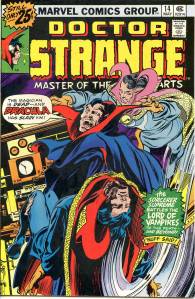
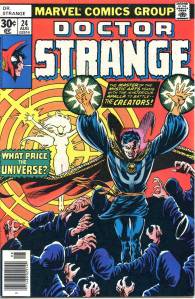
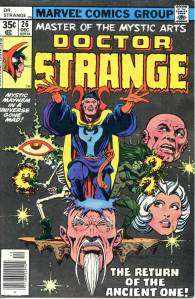
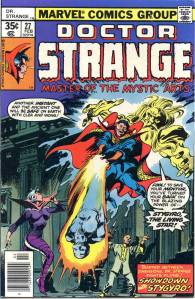
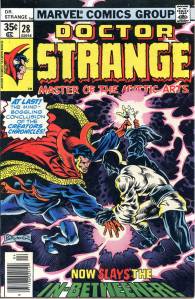
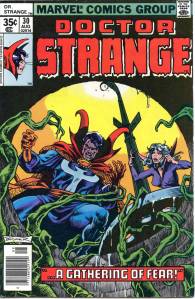
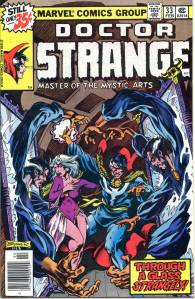
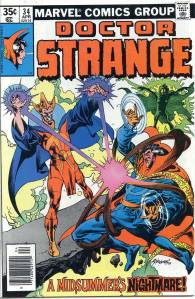
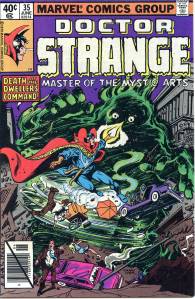
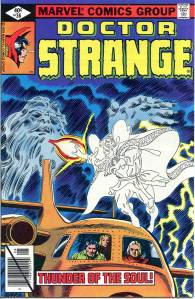
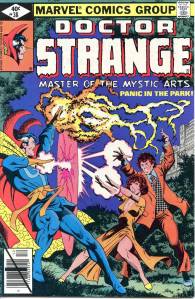
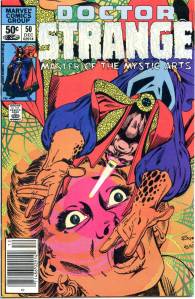
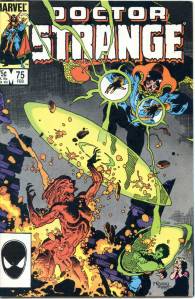
Doctor Strange: Master of the Mystic Arts, also known as Doctor Strange vol. 2, ran 81 issues (June 1974-February 1987). Doctor Strange #14 featured a crossover story with The Tomb of Dracula #44, another series which was being drawn by Gene Colan at the time.In Englehart’s final story, he sent Dr. Strange back in time to meet Benjamin Franklin. In 2010, Comics Bulletin ranked Englehart’s work on Doctor Strange with artists Brunner and Colan ninth on its list of the “Top 10 1970s Marvels.”
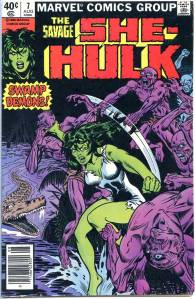
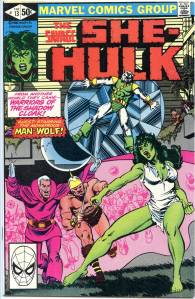
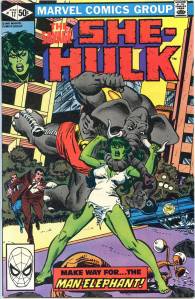
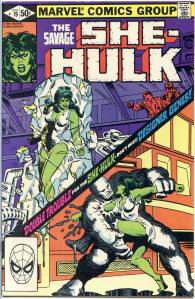
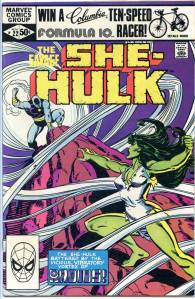
Jennifer Walters, the cousin of Bruce Banner (Hulk), is the small and somewhat shy daughter of Los Angeles County Sheriff William Morris Walters and Elaine (née Banner) Walters (who died in a car crash when Jennifer was seventeen). Operatives of Nicholas Trask, a crime boss who had crossed paths with her father, shot and seriously wounded her on a day that Bruce Banner happened to be in town for a visit. Since no other donors with her blood type were available, Banner provided his own blood for a transfusion; as they already shared the same blood type and DNA, his radioactive blood, combined with her anger transformed Jennifer into the green-skinned She-Hulk when the mobsters tried to finish her off at the hospital.
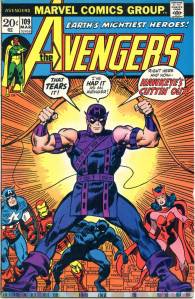
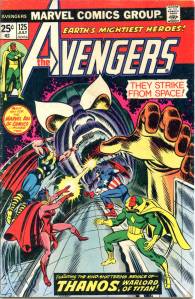
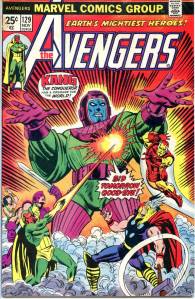
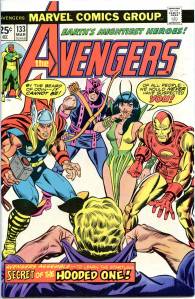
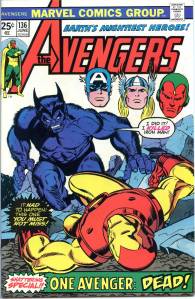
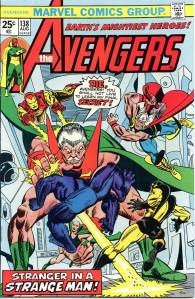
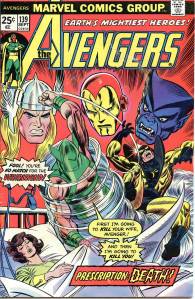
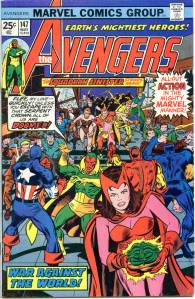
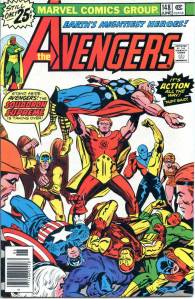
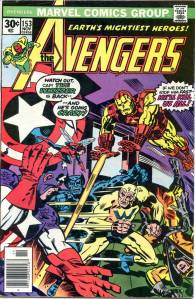
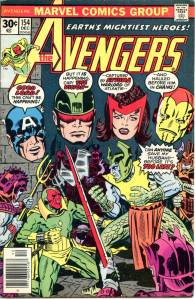
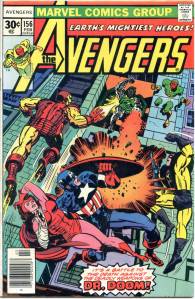
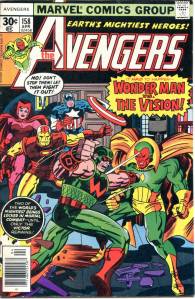
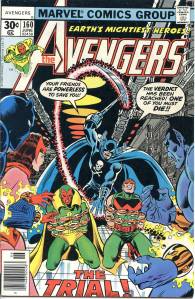
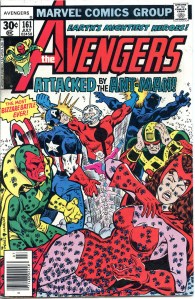
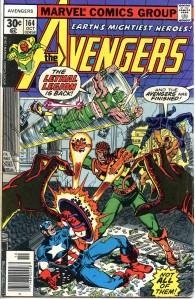
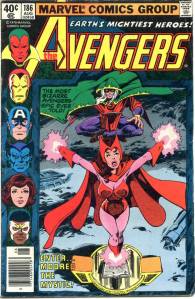
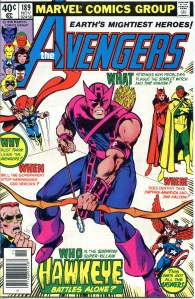
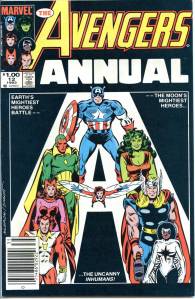
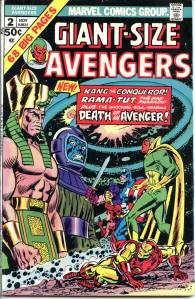
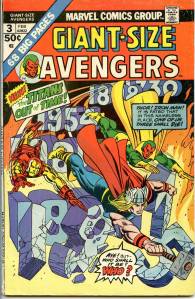
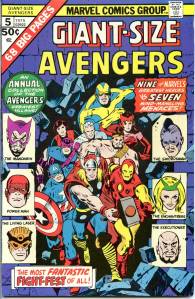
During the summer of 1973, Englehart and artists Bob Brown and Sal Buscema produced “The Avengers-Defenders Clash” storyline which crossed over between the two team titles. “The Celestial Madonna” arc linked Mantis’ origins to the very beginnings of the Kree-Skrull conflict in a time-spanning adventure involving Kang the Conqueror,and Immortus, who were past and future versions of each other.Mantis was revealed to be the Celestial Madonna,who was destined to give birth to a being that would save the universe.It was revealed that the Vision’s body had only been appropriated, and not created by Ultron, and that it originally belonged to the 1940s Human Torch. With his origins clear to him, the Vision proposed to the Scarlet Witch. The “Celestial Madonna” saga ended with their wedding, presided over by Immortus. The Beast and Moondragon joined the team soon after. George Pérez became the title’s artist with issue #141 (Nov. 1975) which saw the start of a seven-part story featuring the Squadron Supreme and the Serpent Crown. In 2010, Comics Bulletin ranked Englehart’s run on The Avengers eighth on its list of the “Top 10 1970s Marvels”.
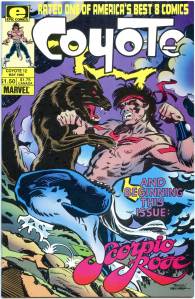
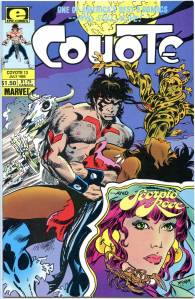
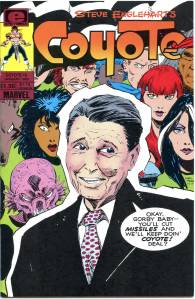
The characters first appeared in Eclipse Magazine #2-8. It would later be reprinted in a color trade paperback, I Am Coyote. Afterwards, a new comic book series started at Marvel ComicsEpic Comics line, that ran 16 issues. It was notable for the first published work of Todd McFarlane. According to Epic editor-in-chief Archie Goodwin, artist Steve Leialoha‘s departure after issue #2 caused deadline problems that the series never fully recovered from, leading to its early cancellation.

































































 EHT Comics