Aided by the anonymous dark web and nearly untraceable cryptocurrency, a criminal subculture has emerged. It livestreams murders as entertainment. Who are the killers? Who are the victims? Who is paying to watch? How to stop it? Red Room is constructed as a series of interconnected stories, shining a light on the characters who exist in the ugliest of corners in cyberspace. Piskor cuts the graphic horror with his sharp sense of humor, gorgeous cartooning, and dynamic storytelling. Red Room peels back the curtain on the side of humanity few of us knew existed, let alone understood.
Category: Independent
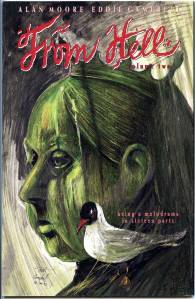
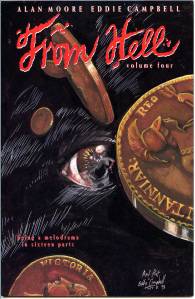
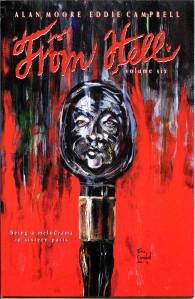
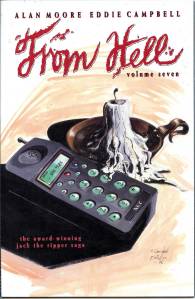
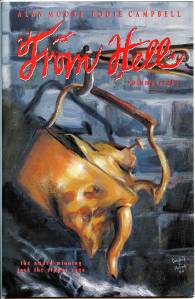
From Hell (1989)
From Hell is a graphic novel by writer Alan Moore and artist Eddie Campbell, originally published in serial form from 1989 to 1996 and collected in 1999. Set during the Whitechapel murders of the late Victorian era, the novel speculates upon the identity and motives of Jack the Ripper. The novel depicts several true events of the murders, although portions have been fictionalised, particularly the identity of the killer and the precise nature and circumstances of the murders. The title is taken from the first words of the “From Hell” letter, which some authorities believe was an authentic message sent from the killer in 1888.
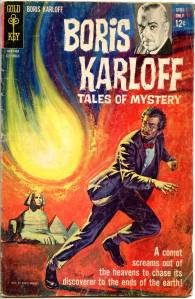
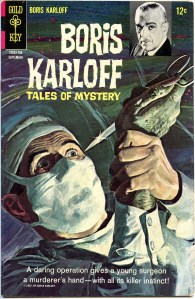
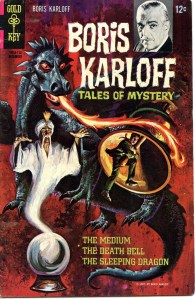
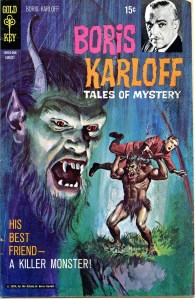
Boris Karloff: Tales of Mystery (1963)
During the run of the television show Thriller, Karloff lent his name and likeness to a comic book for Gold Key Comics based upon the series. After Thriller was cancelled, the comic was retitled Boris Karloff’s Tales of Mystery. An illustrated likeness of Karloff continued to introduce each issue of this publication for nearly a decade after the real Karloff died; the comic lasted until the early 1980s. Starting in 2009, Dark Horse Comics started to reprint Tales of Mystery in a hard bound archive.
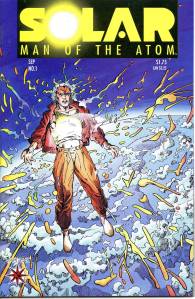
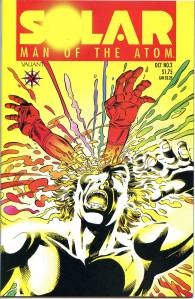
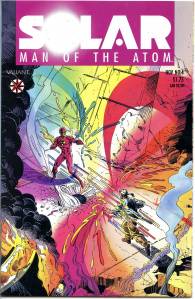
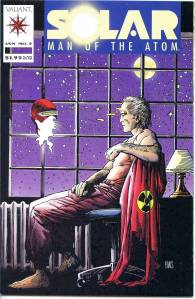
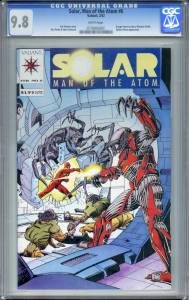
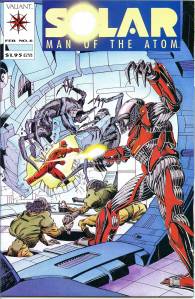
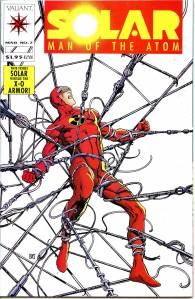
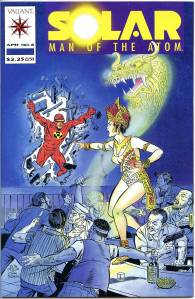
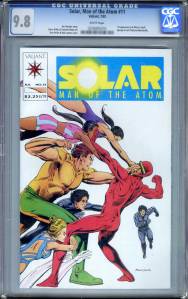
Solar, Man of the Atom (1991)
Valiant’s Solar, Man of the Atom began with three multi-part stories all written by Jim Shooter: “Alpha and Omega” with artwork by Barry Windsor-Smith and Bob Layton, spanned the first ten issues and told of the origin story of how the protagonist, Phil Seleski, became Solar, until the time he accidentally destroys the world; “Second Death”, with artwork by Don Perlin, Bob Layton and Thomas Ryder, spanned the first four issues and tells of Seleski’s attempt to prevent another version of himself from destroying the world; “First Strike”, with artwork by Don Perlin and Stan Drake, spanned issues #5 to #8 and follows Solar as he fights spider aliens. These first year stories included first appearances by Eternal Warrior, the Harbinger Foundation, Geomancers, and the X-O Manowar armor – all of which would be spun off into their own series.
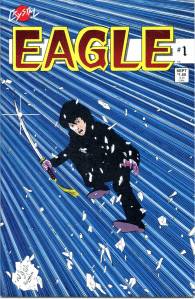
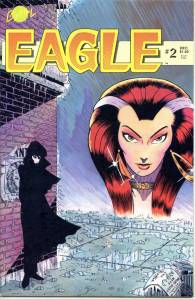
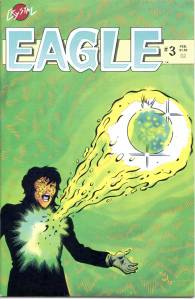
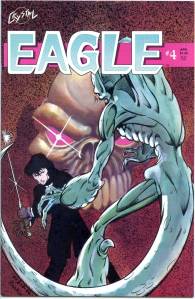
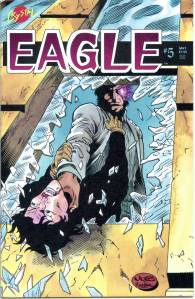
Eagle (1986)
Eagle is a black-and-white indie comic book series which originated in 1986 by artists Neil Vokes and Rich Rankin. Most issues were written by Jack Herman, although some were written by Herman, Vokes and Rankin.[2] It was originally published by its creators as Crystal Comics (Crystal Publications), then by Apple Comics. Initially the Eagle series ran for 23 issues, ending in 1989; the last 7 issues were published by Apple Comics. The series achieved a cult following. It was revived in 2016 by publisher American Mythology Productions and again features art by Vokes and writing by Herman.
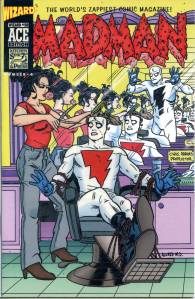
Madman – Kitchen Sink/Tundra (1993)
Created by Mike Allred, the character first appeared in Creatures of the Id (Oct. 1990). Frank Einstein was born Zane Townsend, an agent of the Tri-Eye Agency. Townsend was killed in a car accident, then stitched back together and brought to life by two scientists, Dr. Egon Boiffard and Dr. Gillespie Flem. This resurrection left him amnesiac, and the resurrected John Doe was named after Boiffard’s artistic and scientific heroes, Frank Sinatra and Albert Einstein, respectively. The procedure left Frank with supernatural reflexes and a slight degree of precognitive and empathic power; however, he remembers nothing about his former life, but faint, troubling memories relating to his death. Madman’s costume is based on the only thing he can clearly remember: a fascination with a comic book character called Mr. Excitement.
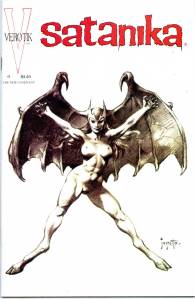
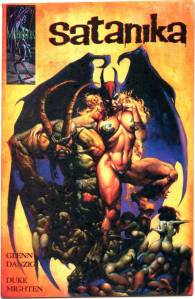
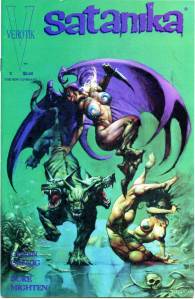
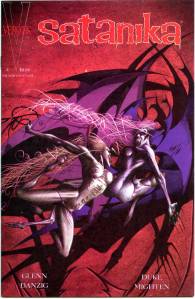
Satanika – Mini Series (1995)
Satanika is a comic book character created by Glenn Danzig that first appeared in Satanika #0. Satanika was described as a demoness with some succubus-like aspects, but generally did not have a true succubus aspect to her. Through the series Satanika indulged in her sexual appetites and attracted a wide variety of attention from other demons and angels which eventually brought about her downfall.
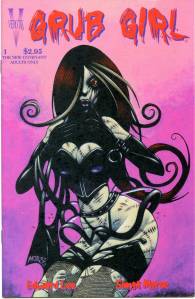
Grub Girl (1997)
Verotik Publishing is masterminded by none other the rock legend Glenn Danzig himself. Singer of the infamous metal/rock band Danzig. “Grub Girl” features a corpse hooker who tells her own story of scientific torture and experimentation. It’s a story in her own words on how she comes back from the dead, seeking justice as well as revenge.
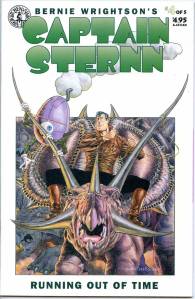
Captain Sternn – Running out of Time
Captain Sternn is considered “part Han Solo, part James Garner from The Great Escape“. He is drawn as a caricature of Superman, although his clothing is different; he wears a pseudo-military uniform. He is always accompanied by a small, levitating one-eyed robot, named Beezer, that is his most faithful companion.
Captain Sternn: Running Out of Time” 1-5 was publlished by Kitchen Sink Press in 1993. In this limited series, Captain Sternn and his companion Justin Tyme discover that the secret of recent walking dead sightings is a plot by the “Cosmic Coola” company. The CEO, Fillmore Coffers, has been harvesting a highly addictive plant from the Jurassic period for use in his top-selling space beverage. Coffers traps Sternn and his crew in the ancient, dinosaur filled past in hopes of silencing them.
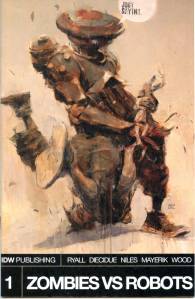
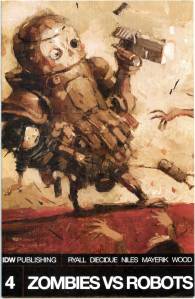
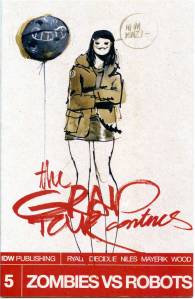
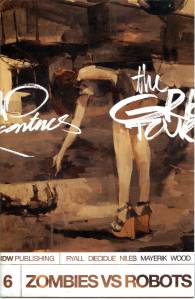
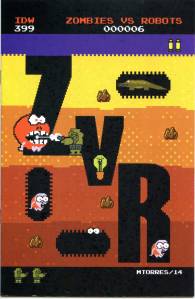
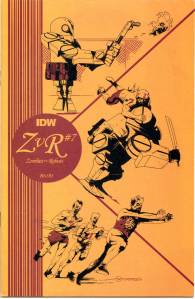
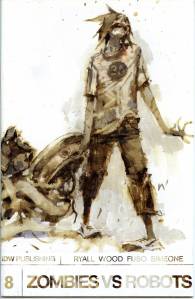
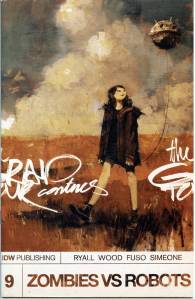
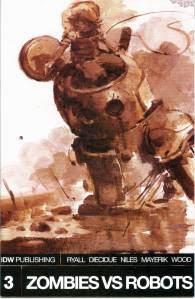
Zombies Vs Robots V2 (2015)
Zombies vs Robots V2, bringing you… new robots! A renewed zombie threat! New human survivors! And an all-new world ready for the taking from one or more of these factions… Part 1 of “Inherit the Earth!” and “The Orphan” start here!