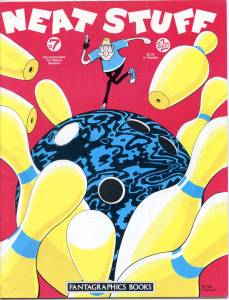
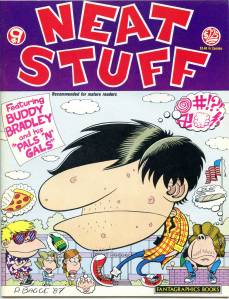
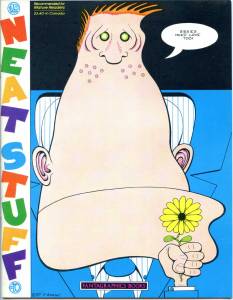
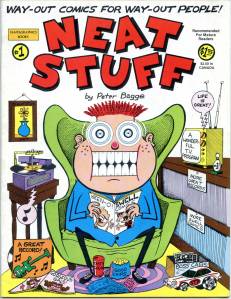
Neat Stuff is an American alternative comic book series created by Peter Bagge and published by Fantagraphics. It ran from 1985 to 1989 for fifteen issues. Each takes the form of a series of short stories featuring different sets of characters, although some issues feature full-length stories relating to just one set of characters. The series was Bagge’s first one-man comics anthology. Described by Dez Skinn in Comix: The Underground Revolution as the work which “threw Peter Bagge into the limelight”, Bagge soon retired the title in preference of continuing the Bradley characters’ story in Hate.
Category: Comic Magazines
Wizard: The Guide to Comics (1991)
Wizard launched in July 1991. With issue #7, the magazine switched to glossy paper and color printing. Wizard strongly supported new publishers Valiant Comics and Image Comics, heavily promoting their new releases.
With its high-end production values and embodiment of the comic speculator boom, Wizard was an instant hit, with a monthly circulation of more than 100,000 copies.
The magazine also spawned several ongoing magazines dedicated to similar interests such as ToyFare for toys and action figures, Inquest Gamer for collectible game cards, Anime Insider for anime and manga, and Toy Wishes for mainstream toy enthusiasts.
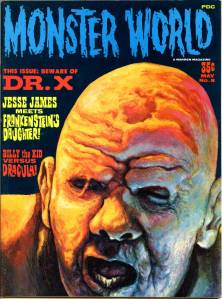
Monster World (1964)
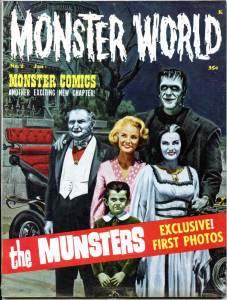
Begun by James Warren, Warren Publishing’s initial publications were the horror-fantasy–science fiction movie magazine Famous Monsters of Filmland and Monster World, both edited by Forrest J Ackerman. Warren soon published Spacemen magazine and in 1960 Help! magazine, with the first employee of the magazine being Gloria Steinem.
After introducing what he called “Monster Comics” in Monster World, Warren expanded in 1964 with horror-comics stories in the sister magazines Creepy and Eerie – black-and-white publications in a standard magazine format, rather than comic-book size, and selling for 35 cents as opposed to the standard comic-book price of 12 cents. Such a format, Warren explained, averted the restrictions of the Comics Code Authority, the comic-book industry’s self-censorship body.
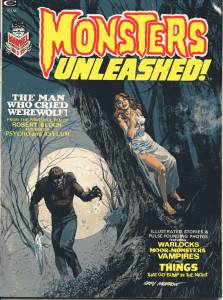
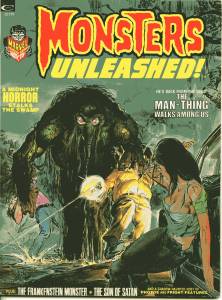
Monsters Unleashed (1973)
A magazine rather than a comic book, Monsters Unleashed did not fall under the purview of the comics industry’s self-censorship Comics Code Authority, allowing the title to feature stronger content — such as moderate profanity, partial nudity, and more graphic violence — than color comics of the time.