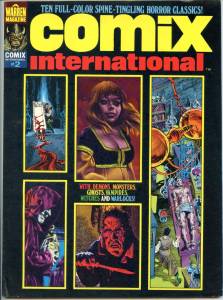
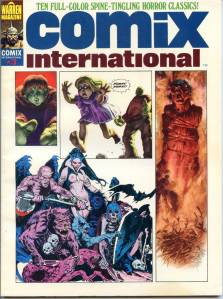
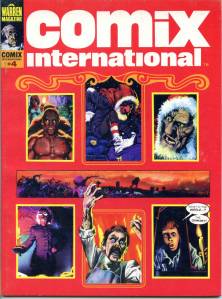
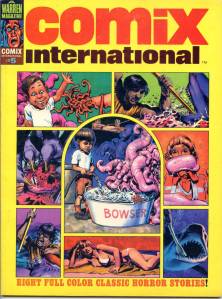
Comix International was a short-lived magazine comprised entirely of reprinted material (in color) from other Warren publications. With stories by Richard Corben, Reed Crandall, Wally Wood, Bernie Wrightson, and others. The name Comix International was originally to have been used for an underground title put together for Warren by Keith Green which never appeared.
Comix International #2 FN+ $20Comix International #3 FN-VFN $25Comix International #4 VF- $30Comix International #5 VF-NM $49
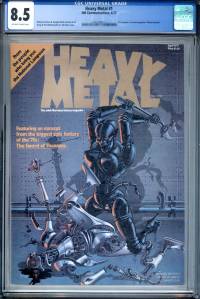
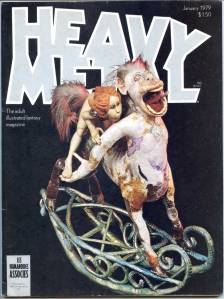
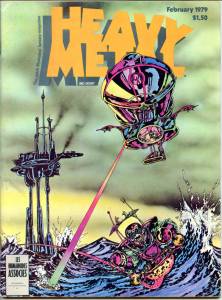
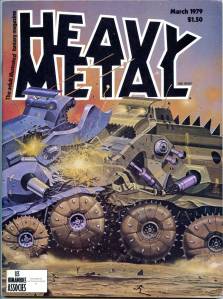
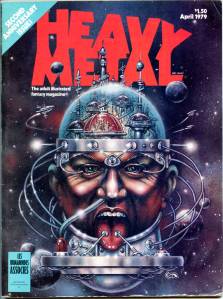
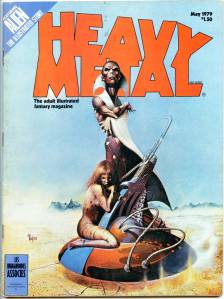
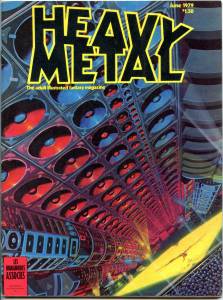
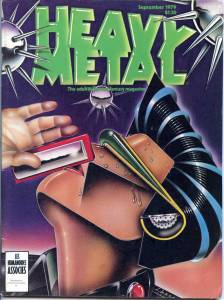
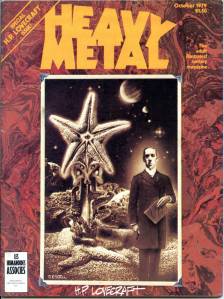
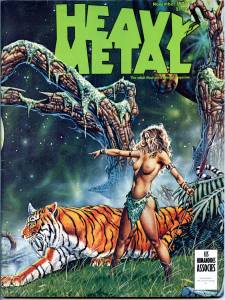
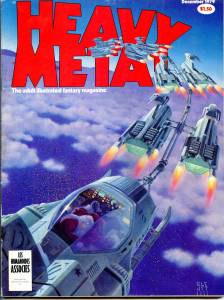
Heavy Metal is an American science fiction and fantasy comics magazine, published beginning in 1977. The magazine is known primarily for its blend of dark fantasy/science fiction and erotica and steampunk comics.
As cartoonist/publisher Kevin Eastman saw it, Heavy Metal published European art which had not been previously seen in the United States, as well as demonstrating an underground comix sensibility that nonetheless “wasn’t as harsh or extreme as some of the underground comix – but . . . definitely intended for an older readership.
Heavy Metal #1 (April, 1977) CGC 8.5 Off-White to White Pages $179
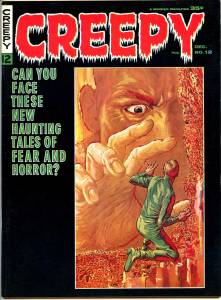
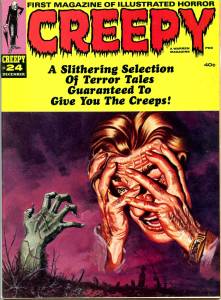
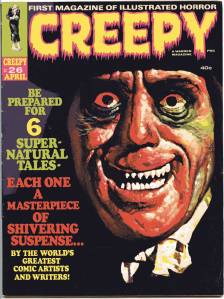
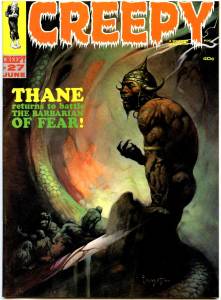
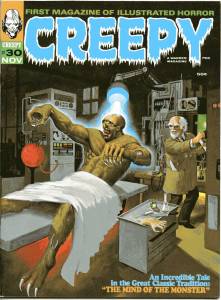
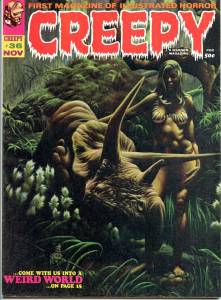
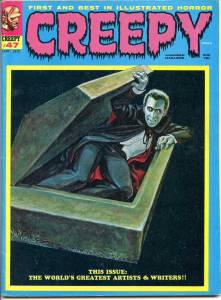
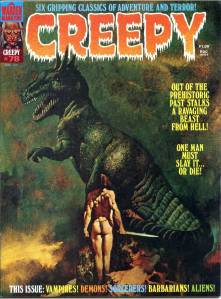
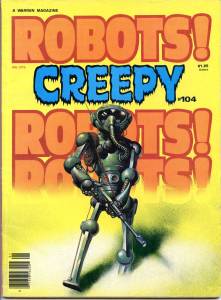
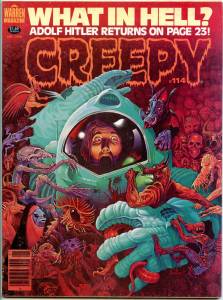
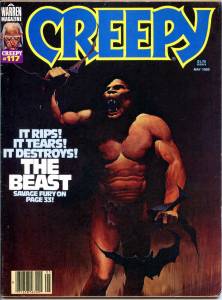
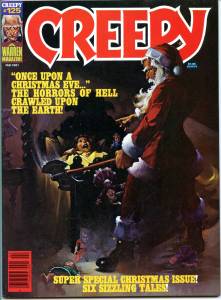
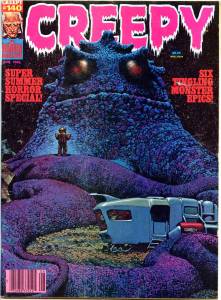
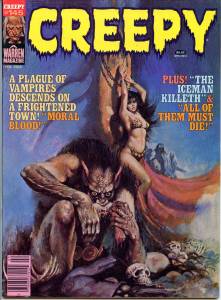
Creepy was an American horror-comics magazine launched by Warren Publishing in 1964. Like Mad, it was a black-and-white newsstand publication in a magazine format and thus did not require the approval or seal of the Comics Code Authority. The anthology magazine was initially published quarterly but later went bimonthly. Each issue’s stories were introduced by the host character, Uncle Creepy. Its sister publications were Eerie and Vampirella.
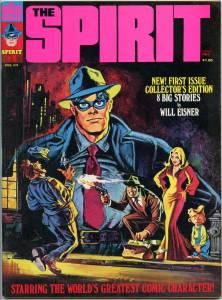
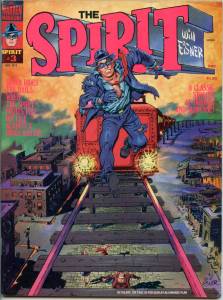
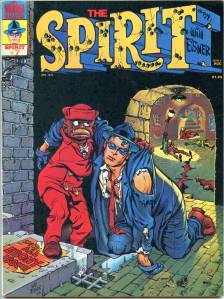
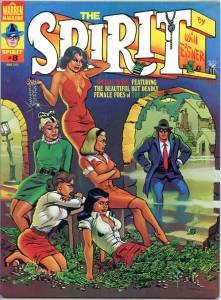
From 1974 to 1976, James Warren‘s Warren Publishing published 16 issues of The Spirit (also known as The Spirit Magazine), a large black-and-white magazine consisting of reprints with original covers (primarily by Eisner), concluding with a separate 1975 color issue, The Spirit Special, which includes an afterword by Bill DuBay. Kitchen Sink picked up the series beginning in 1977 with issue 17, eventually concluding with issue 41 (June 1983). Issue 30 of the Kitchen Sink series (July 1981) features “The Spirit Jam“, with a script from Eisner and a few penciled pages, plus contributions from 50 artists, including Fred Hembeck, Trina Robbins, Steve Leialoha, Frank Miller, Harvey Kurtzman, Howard Cruse, Brian Bolland, Bill Sienkiewicz, John Byrne, and Richard Corben.
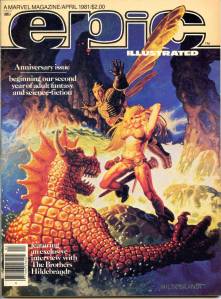
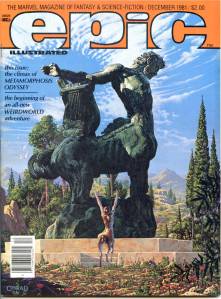
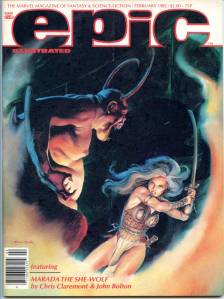
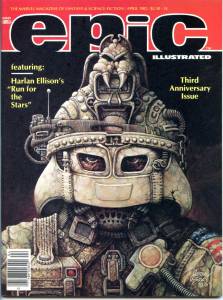
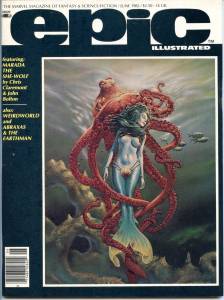
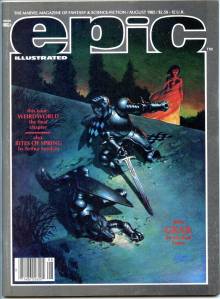
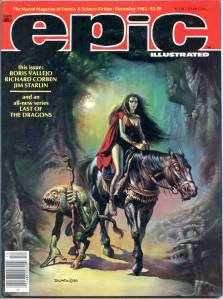
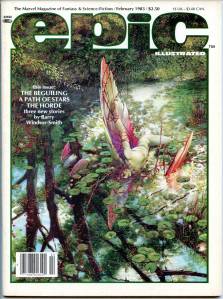
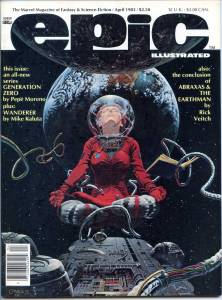
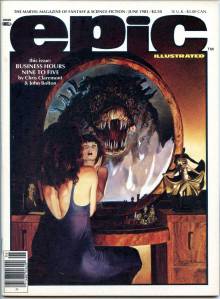
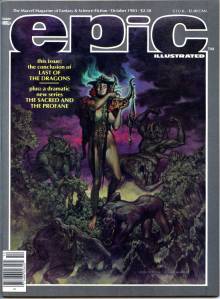
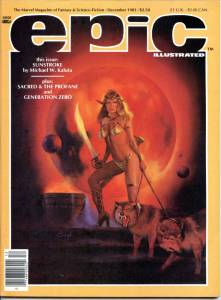
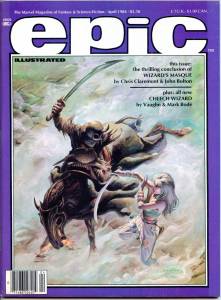
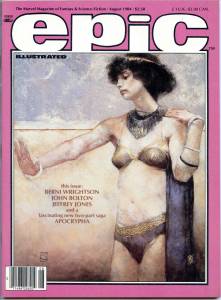
Epic Illustrated was a comics anthology in magazine format published in the United States by Marvel Comics. Similar to the US-licensed comic book magazine Heavy Metal, it allowed explicit content to be featured, unlike the traditional American comic books of that time bound by the restrictive Comics Code Authority, as well as offering its writers and artists ownership rights and royalties in place of the industry-standard work for hire contracts. The series lasted 34 issues from Spring 1980–February 1986.
A color comic-book imprint, Epic Comics, was spun off in 1982.
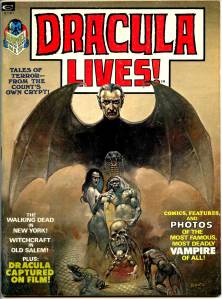
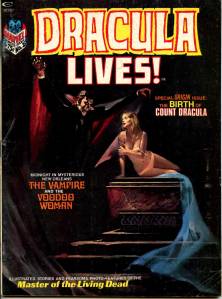
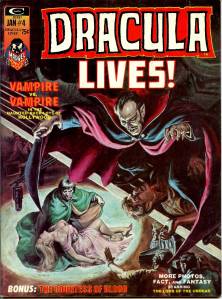
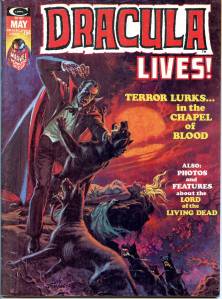
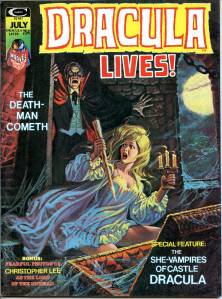
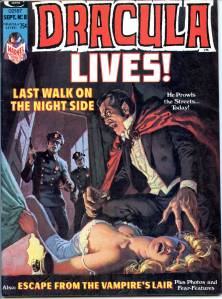
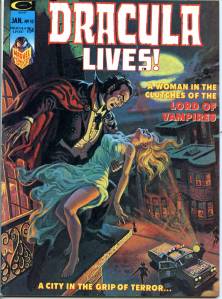
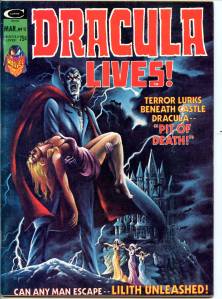
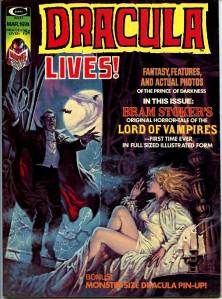
Running concurrently with the longer-running Marvel comic Tomb of Dracula, the continuities of the two titles occasionally overlapped, with storylines weaving between the two. Most of the time, however, the stories in Dracula Lives! were stand-alone tales by various creative teams. Later issues of Dracula Lives! featured a serialized adaptation of the original Bram Stoker novel, written by Roy Thomas and drawn by Dick Giordano.
The magazine format did not fall under the purview of the Comics Code, allowing the title to feature stronger content — such as moderate profanity, partial nudity, and more graphic violence — than Marvel’s “mainstream” titles. The larger format allowed the interior artists to “stretch out” a bit more. Painted covers of the series were done by artists like Boris Vallejo, Neal Adams, and Luis Dominguez. Dracula Lives!‘ text and photo articles were mostly of the Count’s various film appearances. The title of the magazine’s letter column was “Dracula Reads!”
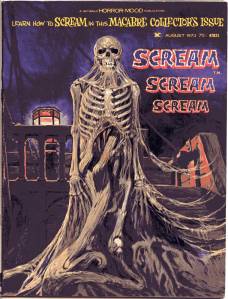
Scream is an American black and white illustrated comic magazine of the horror anthology genre. It was published by Skywald Publications and ran from August1973 to March1975, spanning a total of eleven issues.
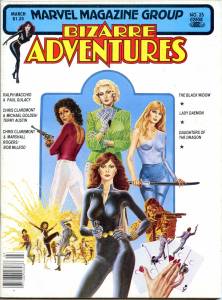
With #25 (March 1981) the title Marvel Preview was changed to Bizarre Adventures, which ran for an additional ten issues before ceasing publication. To offset the dark tone of most of the stories, editor Denny O’Neil had writer Steve Skeates produce a humor feature called Bucky Bizarre to close out each issue. A story originally prepared for Marvel’s Logan’s Run comic book series was published in Bizarre Adventures #28 (Oct. 1981). The final issue, #34, was a standard-sized color comic book, featuring the cover-blurb, “Special Hate the Holidays Issue”, with anthological Christmas-related stories, including one starring Howard the Duck.
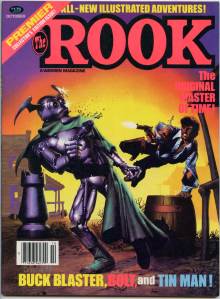
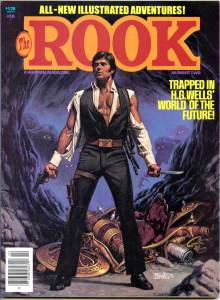
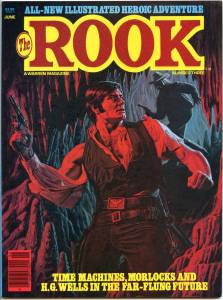
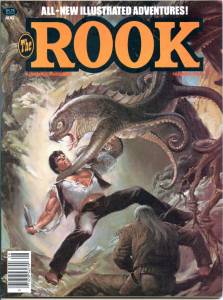
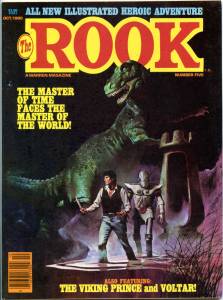
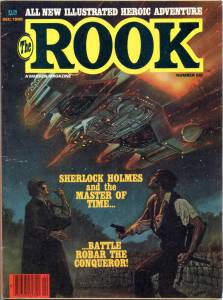
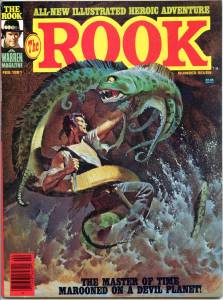
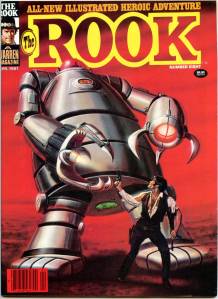
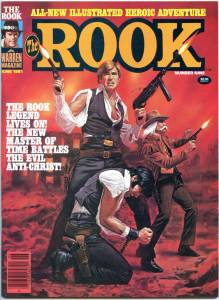
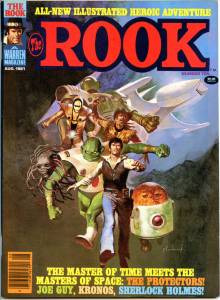
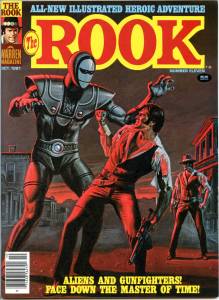
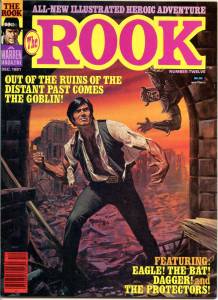
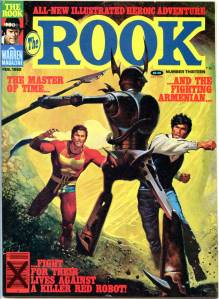
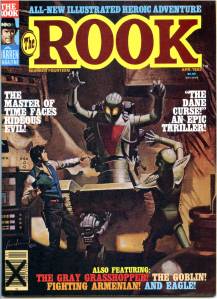
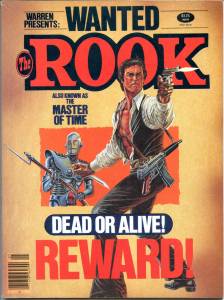
The Rook is a fictional, time-traveling comic book adventure hero. He first appeared in March 1977 in American company Warren Publishing‘s Eerie, Vampirella & Warren Presents magazines. In the 1980s, the Rook became popular and gained his own comic magazine title of the same name, The Rook Magazine.






 EHT Comics