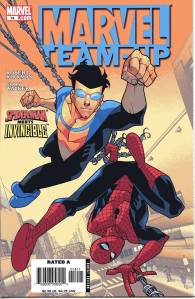
Comics journalist Jonathan Miller summarized Marvel Team-Up in a retrospective article:
“The series was admittedly formulaic; either Spider-Man or that issue’s guest-star would encounter a menace and then by sheer chance cross paths with another hero who would lend a hand. The title’s guest-stars were an equal mix of A-list characters whose presence was likely to increase sales and fledgling heroes being given exposure in the hopes of launching them into stardom but who for the most part continued to languish in obscurity.”
The third Marvel Team-Up series launched in January 2005 and ran for 25 issues which starred a variety of characters.
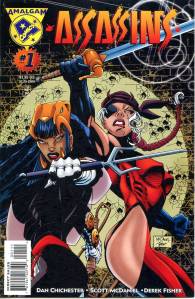
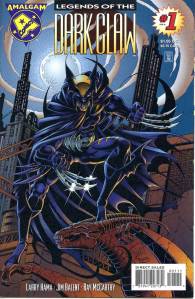
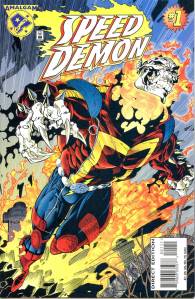
On two separate occasions – April 1996 and June 1997 – Marvel and DC co-published issues under the Amalgam Comics imprint. The issues were presented as if the imprint had existed for decades, with stories and editorial comments referring to a fictional history stretching back to the Golden Age of Comics, including retcons and reboots. For example, they referred to Secret Crisis of the Infinity Hour (an amalgamation of Marvel’s Secret Wars, DC’s Crisis on Infinite Earths, Marvel’s The Infinity Gauntlet, and DC’s Zero Hour), which featured the well-known cover of Crisis on Infinite Earths #7, but with Super-Soldier holding his sidekick’s body, instead of Superman holding Supergirl. Several issues included fake letter columns to provide the illusion of background to the stories, with the “fans'” hometowns formed by amalgamating the names of existing cities.
Amazon #1 NM $5Assassins #1 NM $5Legends of the Dark Claw #1 NM $9Magneto and the Magnetic Men #1 NM $5Speed Demon #1 NM $7X-Patrol #1 NM $4
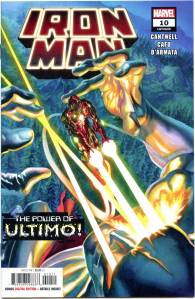
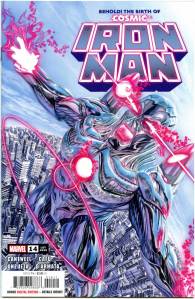
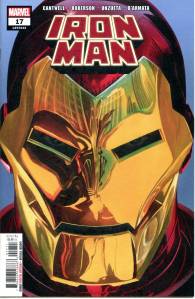
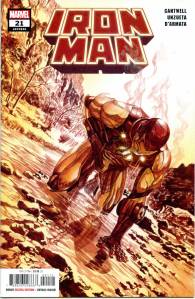
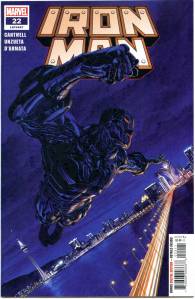
Tony Stark is looking to restart his engine. He decides he’s going back to basics, putting away his high-tech toys and high-profile image so he can get his hands dirty again. It’s time to dig into the guts of real machines, put on some old-fashioned metal and fly.
But can he really lay that Stark-sized ego down? Life isn’t that simple, something that old friends and frustrating foes are quick to point out. If you strip down a billionaire to his bolts, does he run solid or just overheat?
Tony’s going to find out once a threat to the entire universe rears its head from the past. As he suits up again, Tony remains sure of one thing: he’s still IRON MAN down to his flesh and blood core.
Iron man V7 #10 NM $4Iron Man V6 #14 NM $6Iron Man V7 #16 NM $4Iron Man V7 #17 NM $4Iron Man V7 #21 NM $4Iron Man V7 #22 NM $4
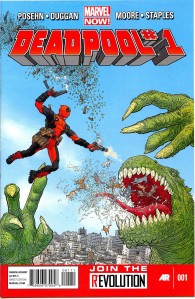
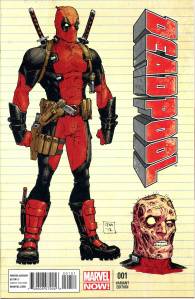
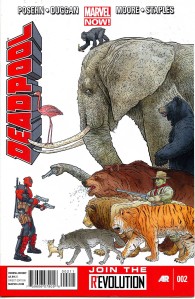
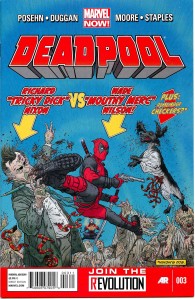
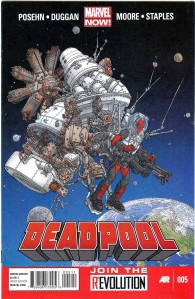
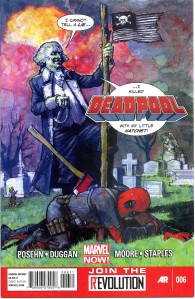
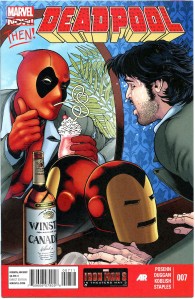
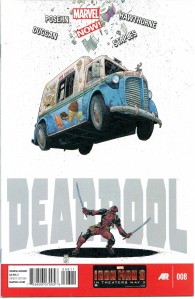
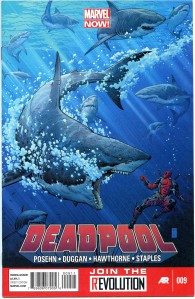
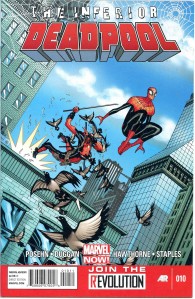
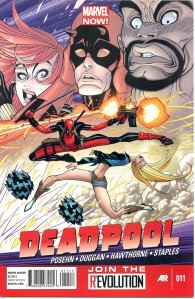
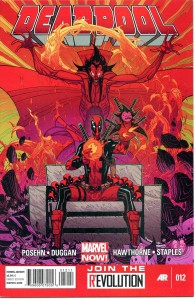
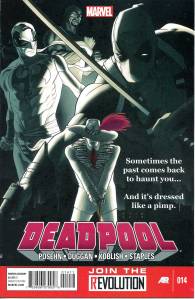
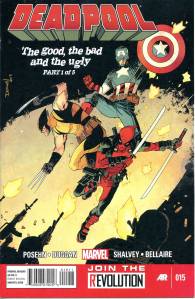
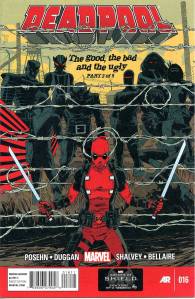
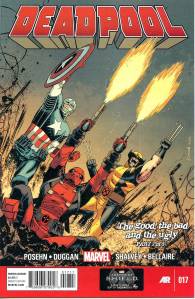
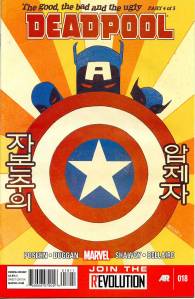
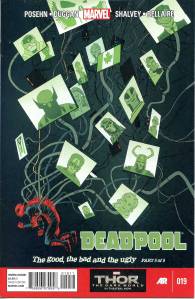
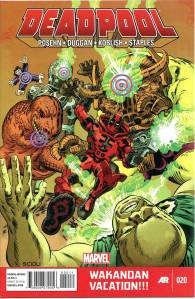
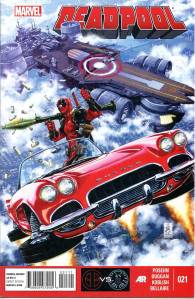
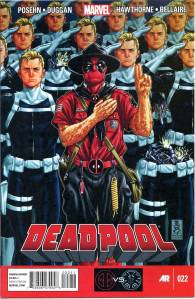
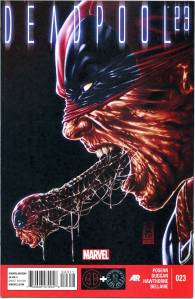
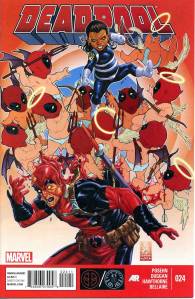
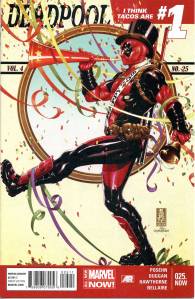
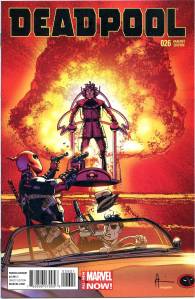
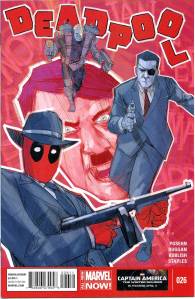
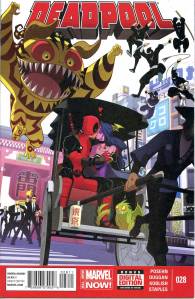
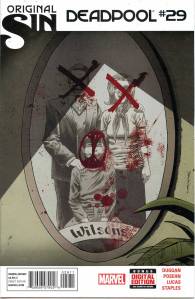
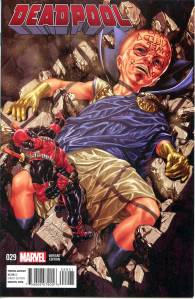
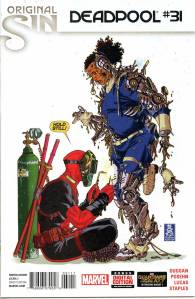
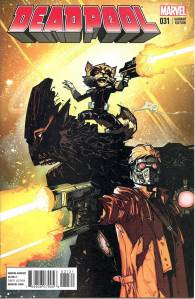
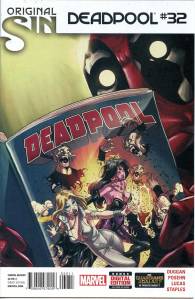
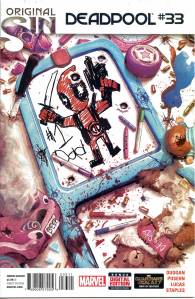
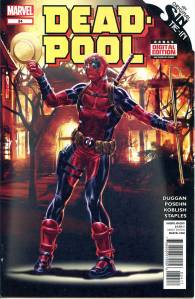
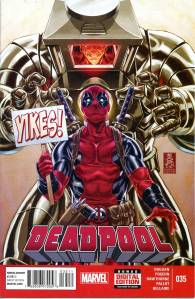
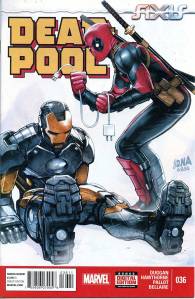
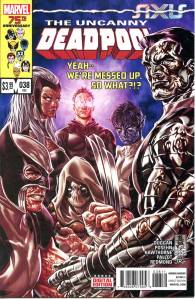
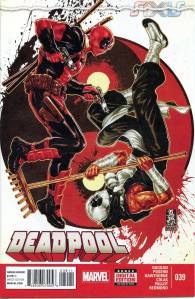
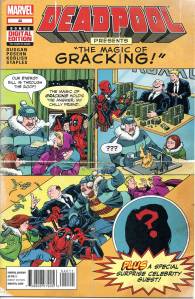
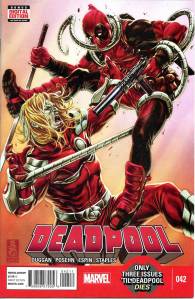
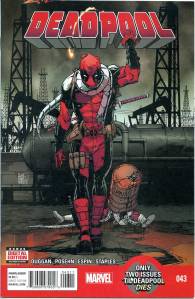
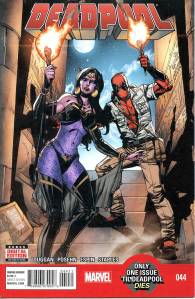
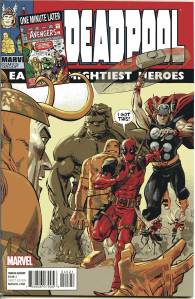
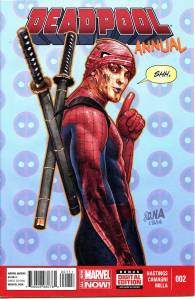
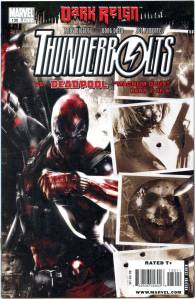
As part of Marvel’s Marvel NOW! initiative a new Deadpool ongoing series was launched. He is also a member of the Thunderbolts. In the 27th issue of his new series, as part of “All-New Marvel NOW!”, Deadpool was married for the third time. Initially a secret, his bride was revealed in the web comic Deadpool: The Gauntlet to be Shiklah, Queen of the Undead. Deadpool also discovers that he has a daughter by the name of Eleanor from a former flame of Deadpool named Carmelita.
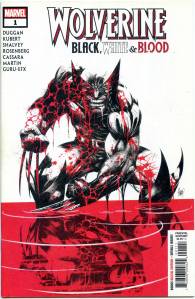
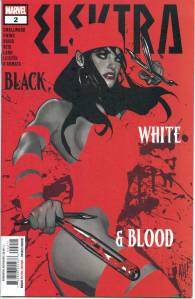
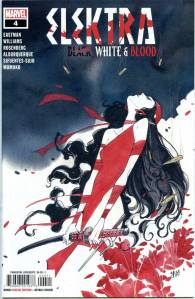
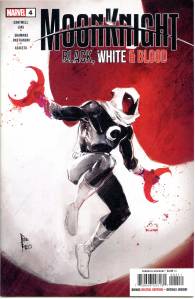
Centers around a specific Marvel character or group, exploring different facets of their history, personalities, and adventures and features a rotating cast of all-star creators, with art entirely colored in white, black and red. Often structured as anthologies, featuring multiple short stories by various creators within each issue.
Wolverine – Black White and Blood #1 NM $5Deadpool Black White and Blood #1 NM $5Deadpool Black White and Blood #2 NM $5Deadpool – Black White and Blood #4 NM $16Elektra – Black, White and Blood #1 NM $5Elektra – Black, White and Blood #2 NM $5Elektra – Black, White and Blood #3 NM $5Elektra – Black, White and Blood #4 NM $5Moon Knight Black White and Blood #1 NM $5Moon Knight – Black White and Blood #4 NM $5
Iron Man, Thor and Captain America have been the Avengers’ heart and soul since the team’s earliest days. But in the wreckage of Asgard, they find themselves squabbling over old wounds. As unstable magics cast the heroes-at-odds into the scattered Nine Realms, they quickly realize the world in which they’re trapped is not how it should be. Can they come together and put it right? Then, as the three heroes re-forge the Avengers with the likes of Hawkeye, Spider-Man, Wolverine and Spider-Woman, Kang returns from the future bearing ill tidings of a force so powerful even he can’t conquer it!
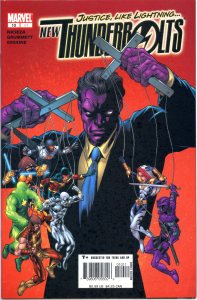
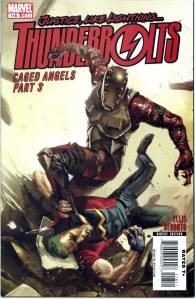
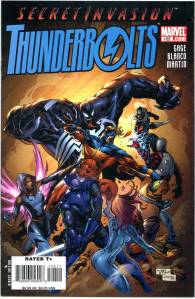
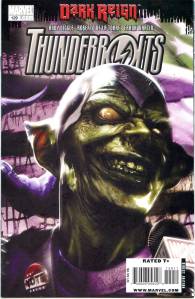
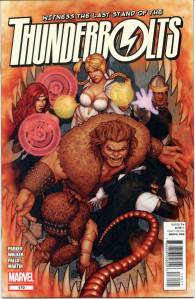
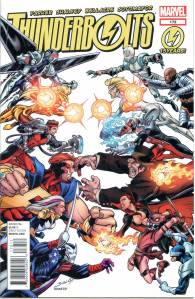
Soon after the publication of The Incredible Hulk #449, the team’s own series premiered. The first issue, cover dated April 1997, was played largely as a straight superhero story, until the revelation of the Thunderbolts’ true nature on the last page of the comic. This is considered one of the most well-conceived plot twists in the history of American comic books, with Wizard magazine readers voting it “Comics’ Greatest Moment of 1997” and later, in 1999, placing it at #11 on a list of “The 25 Greatest Comic Moments Ever”. Marvel managed to keep the secret of the Thunderbolts’ true villainous identities tightly under wraps before the book launched. When word got out, the first issue sold out so quickly that Marvel not only offered a second printing, but also did a “mini-trade paperback” collecting the first two issues. Fabian Nicieza replaced Busiek in issue #34. Patrick Zircher, after a couple of fill-ins, replaced Bagley in issue #51.
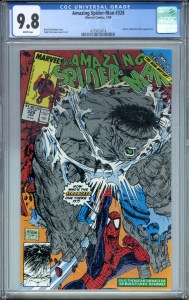
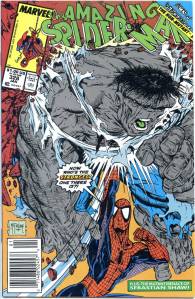
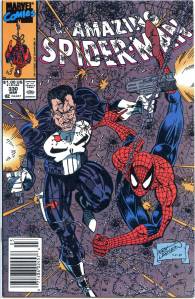
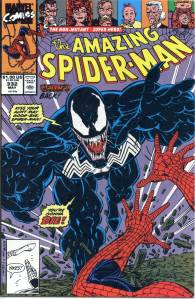
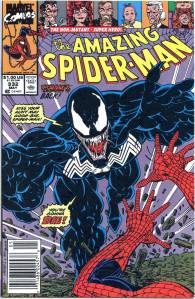
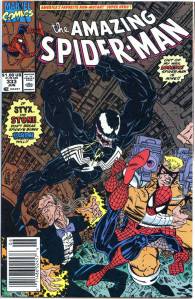
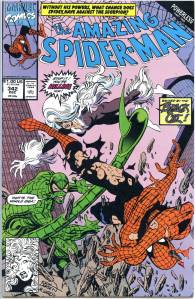
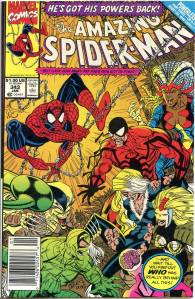
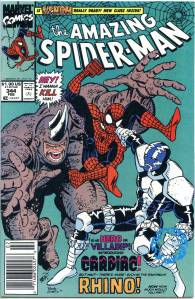
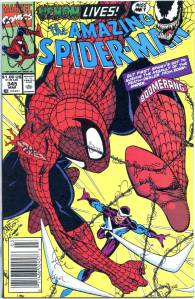
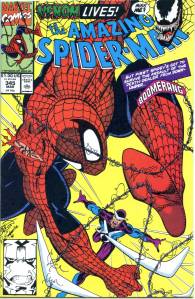
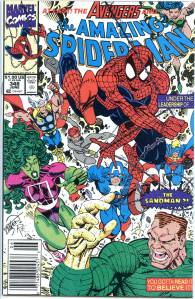
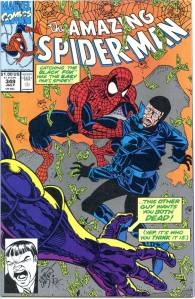
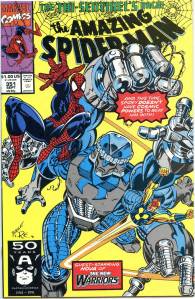
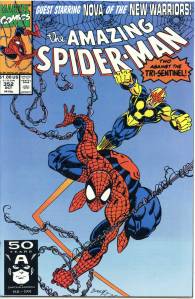
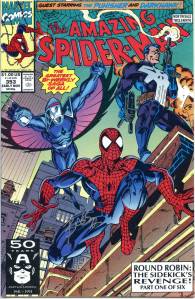
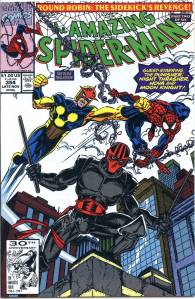
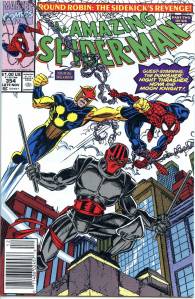
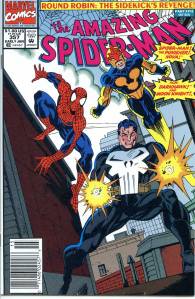
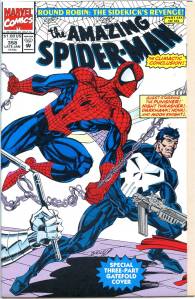
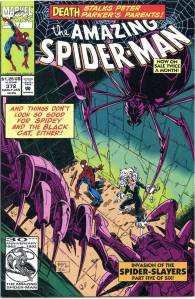
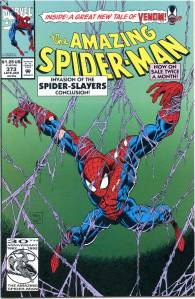
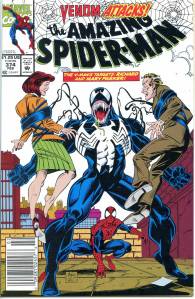
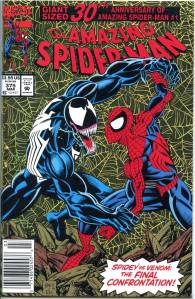
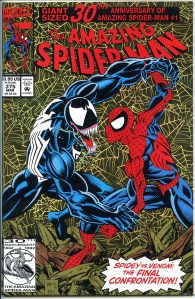
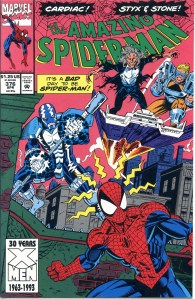
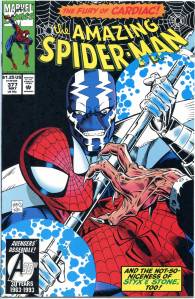
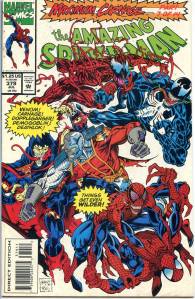
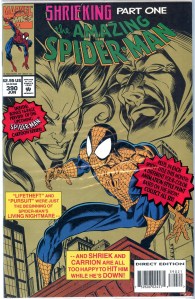
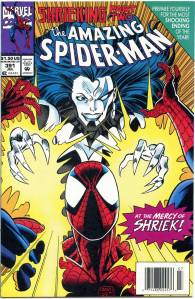
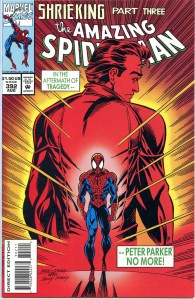
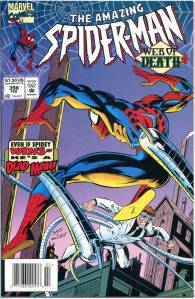
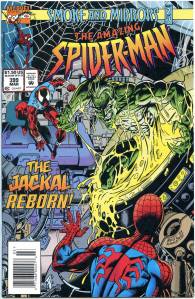
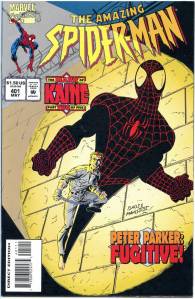
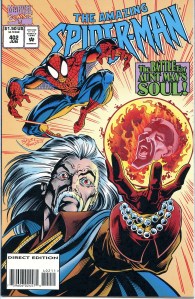
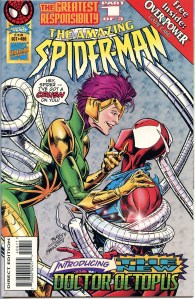
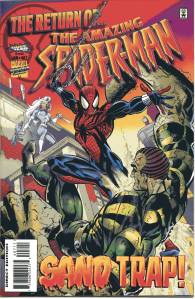
With a civilian life as a married man, the Spider-Man of the 1990s was different from the superhero of the previous three decades. McFarlane left the title in 1990 to write and draw a new series titled simply Spider-Man. His successor, Erik Larsen, penciled the book from early 1990 to mid-1991. After issue #350, Larsen was succeeded by Mark Bagley, who had won the 1986 Marvel Tryout Contest and was assigned a number of low-profile penciling jobs followed by a run on New Warriors in 1990. Bagley penciled the flagship Spider-Man title from 1991 to 1996.
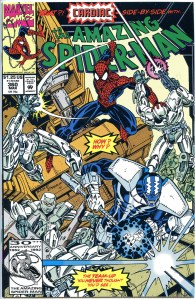
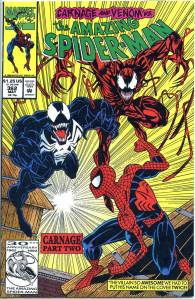
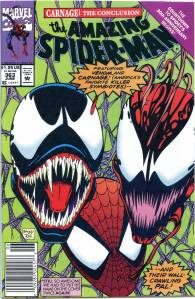
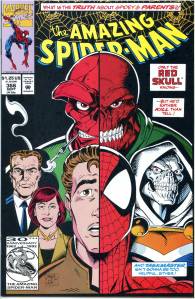
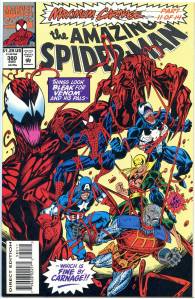
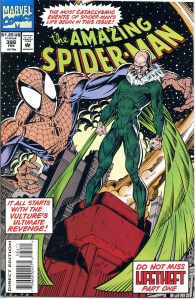
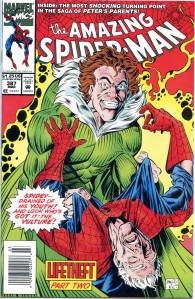
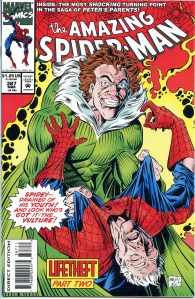
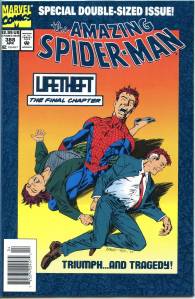
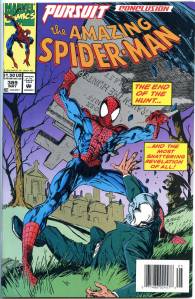
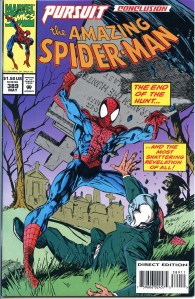
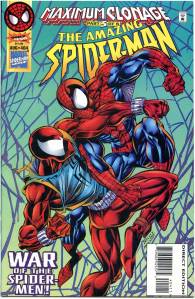
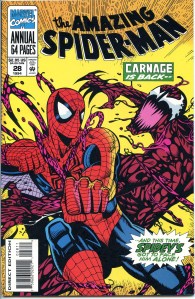
Issues #361-363 (April–June 1992) introduced Carnage, a second symbiote nemesis for Spider-Man. The series’ 30th-anniversary issue, #365 (Aug. 1992), was a double-sized, hologram-cover issue with the cliffhanger ending of Peter Parker’s parents, long thought dead, reappearing alive. It would be close to two years before they were revealed to be impostors, who are killed in #388 (April 1994), scripter Michelinie’s last issue. His 1987–1994 stint gave him the second-longest run as writer on the title, behind Stan Lee.