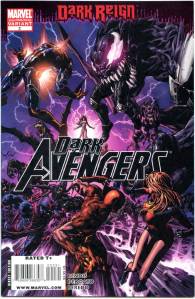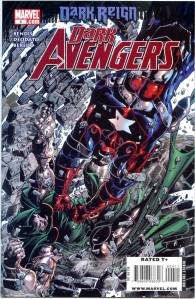
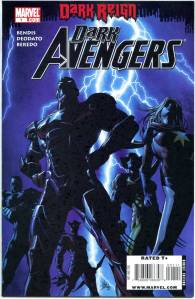
Dark Avengers (2009)

The series debuted with issue #1, dated January 2009, as part of a multi-series story arc entitled “Dark Reign.” In the premiere, writer Brian Michael Bendis and artist Mike Deodato (working from a continuity begun in a previous, company-wide story arc, “Secret Invasion,” involving an infiltration of Earth by the shape-shifting alien Skrulls and that race’s eventual defeat) chronicled the aftermath of the U.S. government’s disbanding of the federally sanctioned superhero team, the Avengers. Bendis described the thinking behind the team: “These are bad-ass, hardcore get-it-done types. They’ll close the door and take care of business and he’s dressing them up to make them something that the people want. This is in contrast to the changes Norman Osborn is shown making to the Thunderbolts, where, according to writer Andy Diggle, he turns that team into “something much more covert and much more lethal: his own personal hit squad”.

The series ended with Dark Avengers #16, at the culmination of the Siege storyline.

The Thunderbolts comic book was renamed Dark Avengers beginning with issue #175, but the creative team remained unchanged. Dark Avengers ended with issue #190.
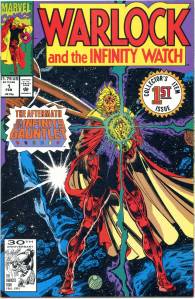
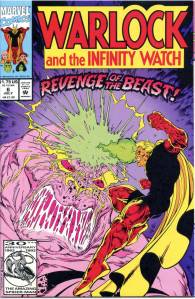
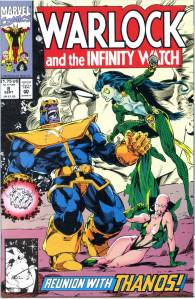
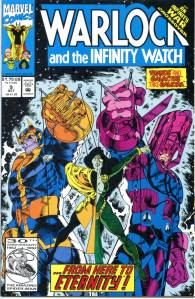
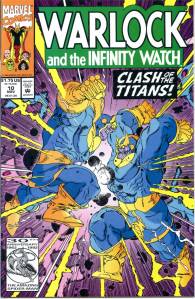
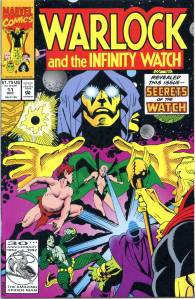
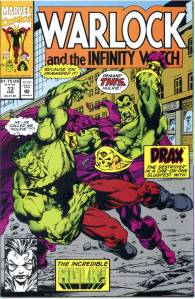
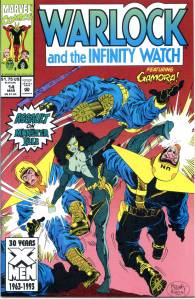
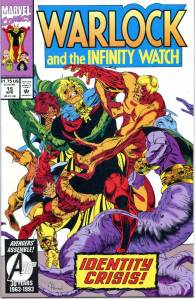
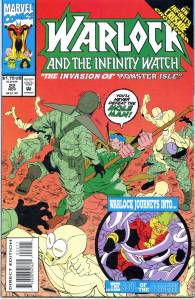
Warlock and the Infinity Watch (1991)

After saving the universe from Thanos and ultimately acquiring his prize, the Infinity GauntletAdam Warlock finds himself on trial, judged by the very cosmic beings who supported him in the conflict. Presiding over the trial is the Living Tribunal, and the one making the case that Warlock is not fit to be the supreme master of the universe is Eternity. Eventually, the Living Tribunal rules against Warlock, and he is forced to surrender his godhood by dividing the six Infinity Gems.

Captain America (1980’s)

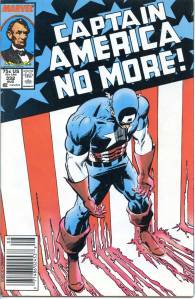
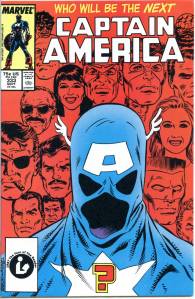
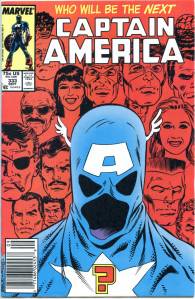
The 1980s included a run by writer Roger Stern and artist John Byrne. Stern had Rogers consider a run for President of the United States in Captain America #250 (June 1980), an idea originally developed by Roger McKenzie and Don Perlin. Stern, in his capacity as editor of the title, originally rejected the idea but later changed his mind about the concept. McKenzie and Perlin received credit for the idea on the letters page at Stern’s insistence. Stern additionally introduced a new love interest, law student Bernie Rosenthal, in Captain America #248 (Aug. 1980).

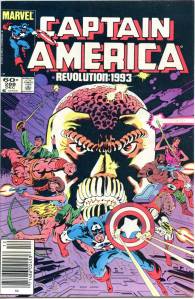
Writer J. M. DeMatteis revealed the true face and full origin of the Red Skull in Captain America #298-300, and had Captain America take on Jack Monroe, Nomad, as a partner for a time. Around this time, the heroes gathered by the Beyonder elect Rogers as leader during their stay on Battleworld in the 1984 miniseries Secret Wars. Homophobia is dealt with as Rogers runs into a childhood friend named Arnold Roth who is gay.

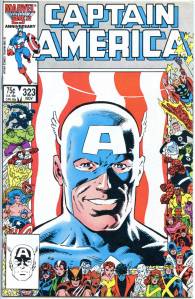
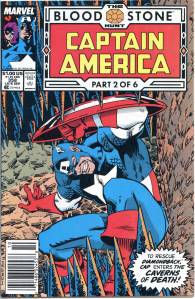
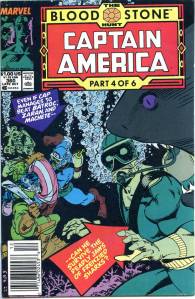
Mark Gruenwald became the writer of the series with issue #307 (July 1985) and wrote 137 issues for 10 consecutive years from until #443 (Sept. 1995) the most issues by any single author in the character’s history. Gruenwald created several new foes, including Crossbones and the Serpent Society. Other Gruenwald characters included DiamondbackSuper Patriot, and Demolition Man. Gruenwald explored numerous political and social themes as well, such as extreme idealism when Captain America fights the anti-nationalist terrorist Flag-Smasher; and vigilantism when he hunts the murderous Scourge of the Underworld.

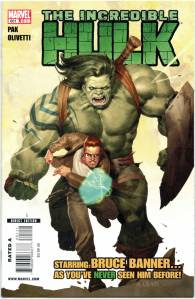
Incredible Hulk (2010’s)

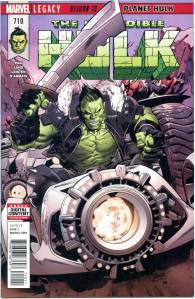
The Incredible Hulk returns as an ongoing series written by acclaimed PLANET HULK and WORLD WAR HULK scribe Greg Pak! Get ready for Bruce Banner as you’ve never seen him, the Son of Hulk in a whole new world of smash, and an insane new adventure that changes everything for everyone’s favorite Green Goliath!

Astonishing X-Men V3 (2004)

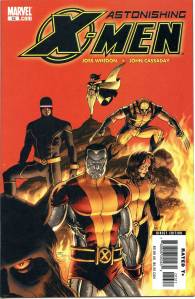
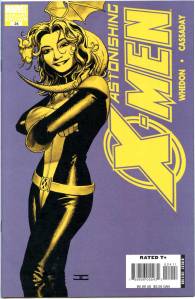
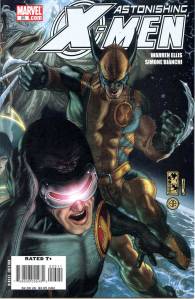
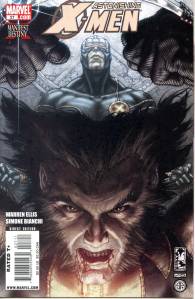
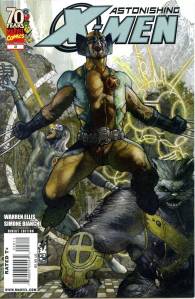
In 2004, Marvel used the title Astonishing X-Men for an ongoing X-Men series written by Joss Whedon and illustrated by John Cassaday. It is a continuation of Grant Morrison‘s New X-Men title and features a similar line-up of characters, including Cyclops and Emma Frost (as co-team leaders), BeastKitty PrydeColossusLockheed, and Wolverine. This team became the usual focus for most X-Men limited series published during Whedon’s run as well.

Punisher War Journal V1 (1990’s)

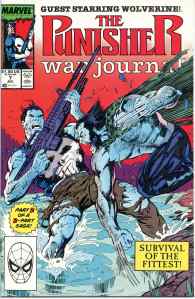
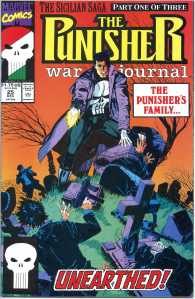
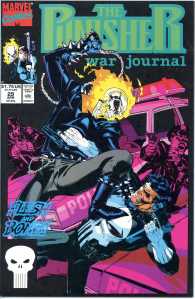
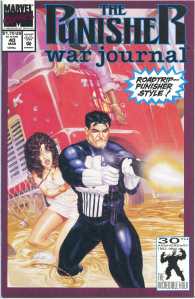
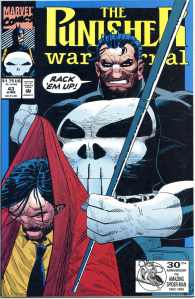
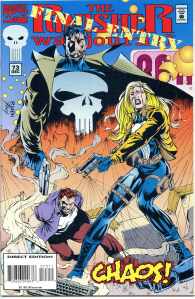
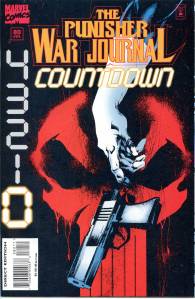
The first volume of The Punisher War Journal ran 80 issues, cover-dated November 1988 to July 1995. Originally written and penciled by Carl Potts, and inked by Jim Lee, who soon became series penciler, it changed creative teams with issue #25 (December 1990) to writer Mike Baron and penciler-inker Mark Texeira. Chuck Dixon took over as writer with #38 (January 1992), continuing with it to the final issue, except for #65-74 (April 1994 – January 1995) which were written by Steven Grant. Others associated with the title include multi-issue pencilers Tod Smith, Ron Wagner, John Hebert, Hugh Haynes, Melvin Rubi, and penciler-inker Gary Kwapisz.

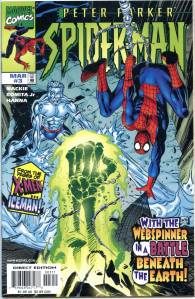
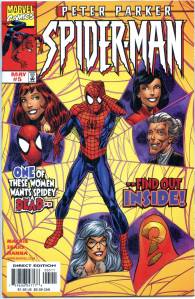
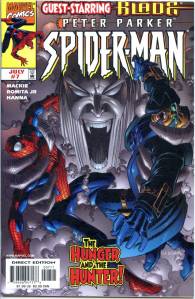
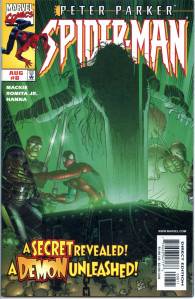
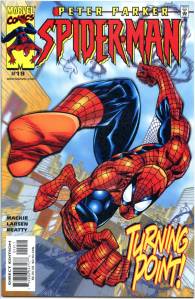
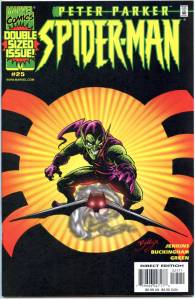
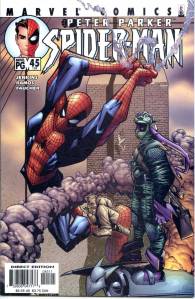
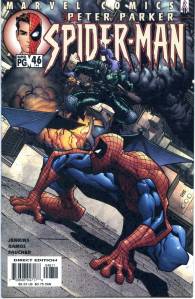
Peter Parker: Spider-Man V2 (1999)

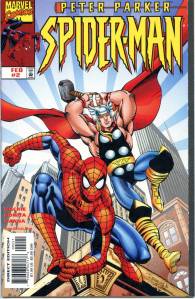
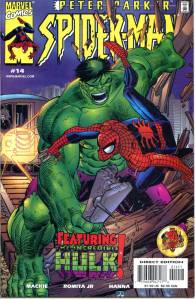
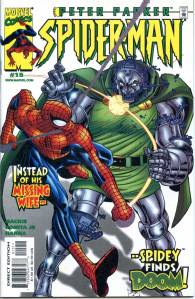
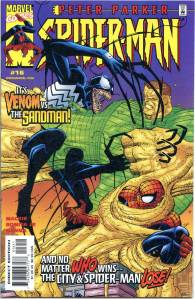
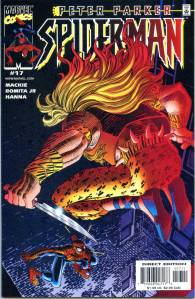
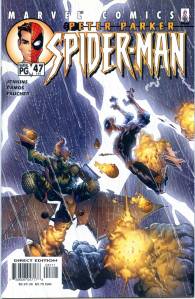
This series was a continuance of (vol. 1), with the creative team of Howard Mackie and John Romita Jr. having migrated to the new series. In June 2001, Marvel began a dual numbering system on all its titles that had been relaunched and renumbered. The first issue of Peter Parker: Spider-Man to be dual-numbered was listed as both #30 and #128 on the cover – the second figure achieved by adding the total of issues of the new volume (30) to the first volume’s 98. The comic’s legal indicia, printed on the title page, still listed the series as (vol. 2) #30.

Mackie and Romita Jr. remained through issue #20 (August 2000) when writer Paul Jenkins and artist Mark Buckingham became the new creative team. Jenkins would write the character over different titles for the next five years. Buckingham and Jenkins left Peter Parker: Spider-Man after issue #50 (Jan. 2003) and were briefly succeeded by writer Zeb Wells and an assortment of artists.
Extraordinary X-Men (2016)

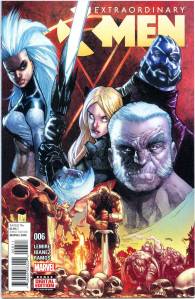
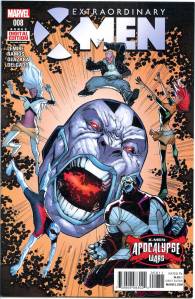
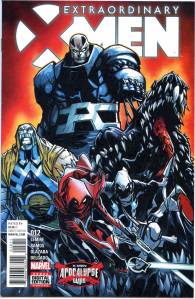
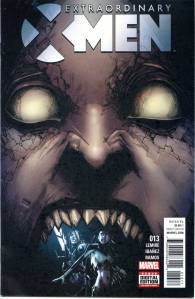
The story takes place following the conclusion of the Secret Wars crossover event. In this comic series, mutants are again faced with possible extinction due to Terrigen Mist which causes exposed mutants to become sterile and possibly suffer from a fatal degenerative disease called “M-Pox”. The gas also prevents the activation of the X-Gene. The series ended with #20.
Bill & Ted’s Excellent Comic Book (1991)

The first two issues revolve around the efforts of Bill (Bill S. Preston, Esq.) and Ted (Theodore Logan) as they plan a party to celebrate their recent nuptials. Unfortunately the personification of mortality, Death, a more recent ally, becomes vastly out of sorts and steals the phone-booth time machine. Rufus, their old guide, helps by directing them to a prototype for the phone booth/time machine. Bill and Ted must take the device and find Death before he causes too much damage to the time stream. The two also must deal with jealous rivals, who do not accept that Bill and Ted’s wives had freely chosen to marry.

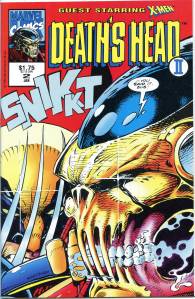
Death’s Head 2 V2 (1993)

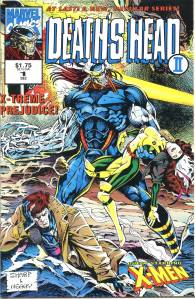
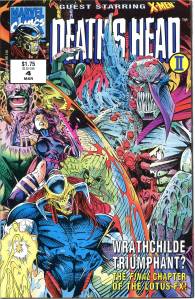
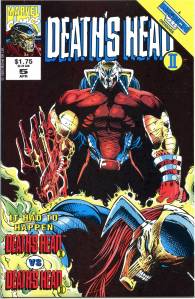
Originally launched as a four-issue limited series, Death’s Head II then became an ongoing series – and also featured in a number of team-up limited series designed to showcase new Marvel UK characters. One of these was Death3, teaming up Death’s Head II with newly created “brothers”, Death Metal and his prototype Death Wreck. The recurring character throughout this was Dr Evelyn Necker, the scientist who creates the Minion series (Death’s Head II and his “brothers”). Death’s Head II became the flagship character for Marvel UK – a costume was even made for promotional appearances and was part of the 1993 Lord Mayor’s Show – and there were concerns at Marvel UK in early 1993 that they could be overestimating his popularity and over-exposing the character. When Marvel UK was cancelled, a Death’s Head II/Punisher crossover was in production and he was playing a key role in the completed, but never published, Loose Cannons (released online).