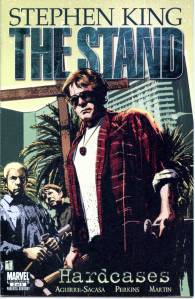
The Stand – Captain Trips #3 NM $4The Stand – Captain Trips #5 NM $4The Stand – American Nightmares #3 NM $4The Stand – American Nightmares #5 NM $4The Stand – Hardcases #1 NM $4The Stand – Hardcases #2 NM $4
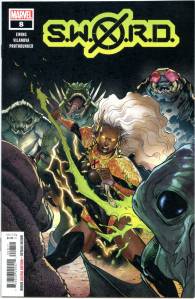
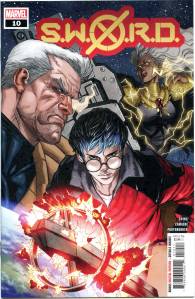
S.W.O.R.D. (Sentient World Observation and Response Directorate) was restored when Abigail Brand resigned from Alpha Flight after the Alliance-Cotati conflict feeling that the space program wasn’t properly utilized and when the mutant nation repowered the abandoned Peak space station. In cooperation with the Quiet Council of Krakoa, it became the mutant nation’s representative to the outer universe.
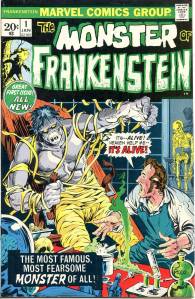
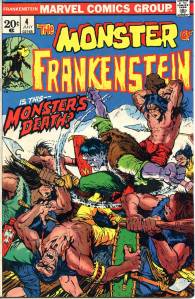
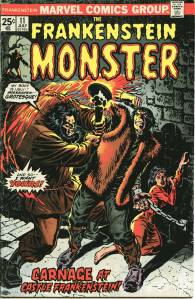
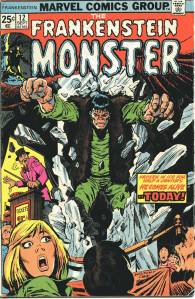
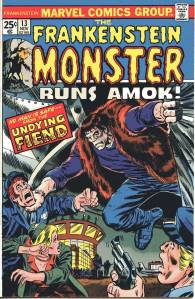
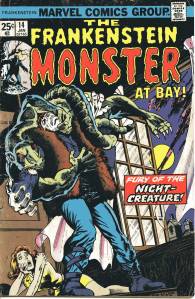
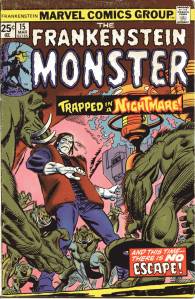
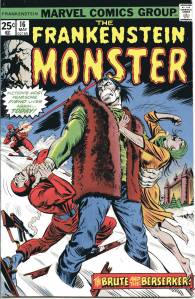
The character received an ongoing series, titled Frankenstein in the postal indicia and initially The Monster of Frankenstein (issues #1-5) and later The Frankenstein Monster as the cover logo, that ran 18 issues (Jan. 1973 – Sept. 1975).This series began with a four-issue retelling of the original novel, by writer Gary Friedrich and artist Mike Ploog. Several more issues continued his story into the 1890s, until he was placed in suspended animation and revived in modern times.
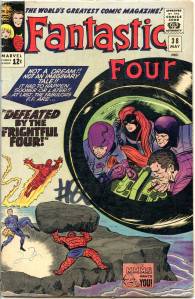
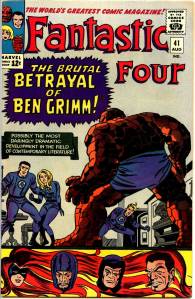
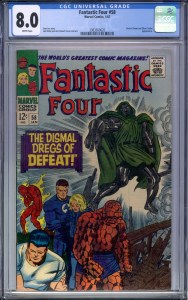
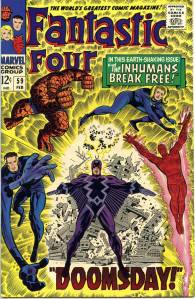
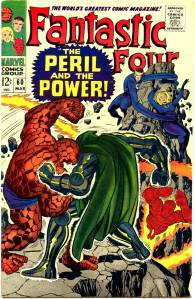
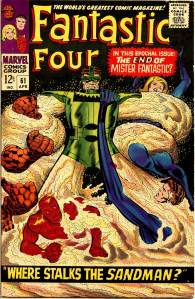
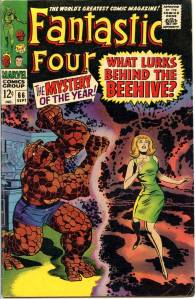
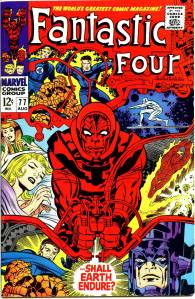
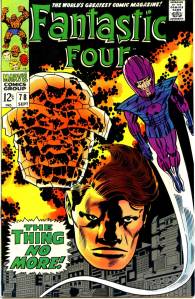
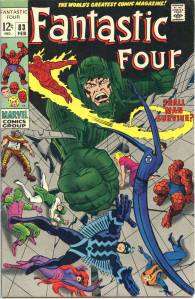
The Fantastic Four debuted in The Fantastic Four #1 (Nov. 1961), which helped to usher in a new level of realism in the medium. The Fantastic Four was the first superhero team created by writer-editor Stan Lee and artist/co-plotter Jack Kirby, who developed a collaborative approach to creating comics with this title that they would use from then on. As the first superhero team title produced by Marvel Comics, it formed a cornerstone of the company’s 1960s rise from a small division of a publishing company to a pop culture conglomerate.
Fantastic Four #38 G $24Fantastic Four #41 FN+ $60Fantastic Four #58 CGC 8.0 White Pages $195Fantastic Four #59 VF+ $125Fantastic Four #60 VF- $74Fantastic Four #61 VF- $75Fantastic Four #66 FN $95Fantastic Four #77 VF $70Fantastic Four #78 VF+ $75Fantastic Four #83 VF- $30
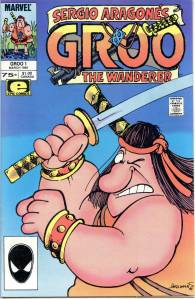
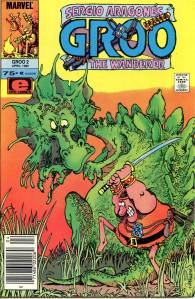
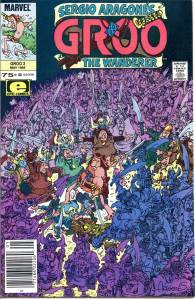
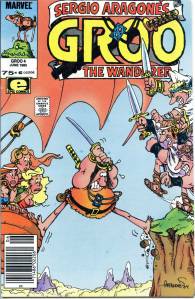
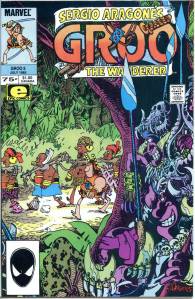
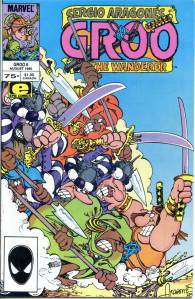
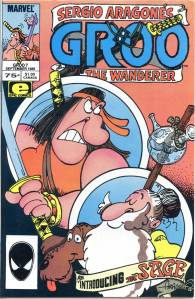
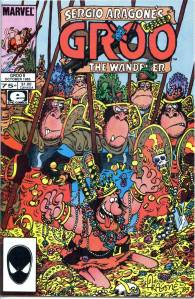
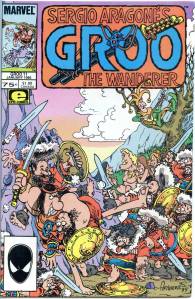
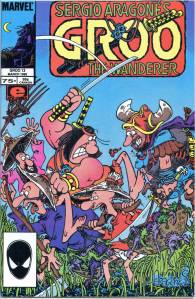
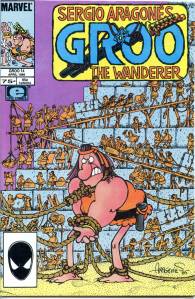
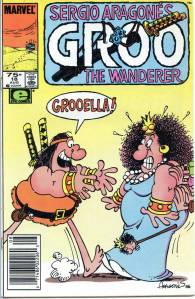
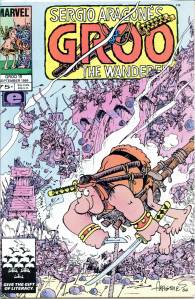
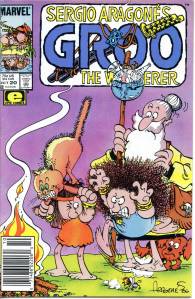
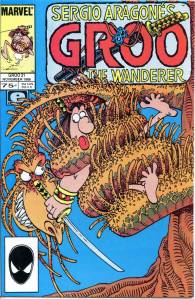
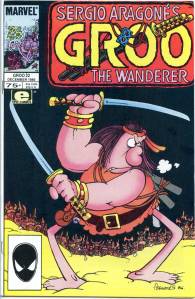
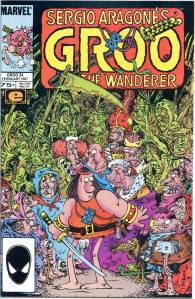
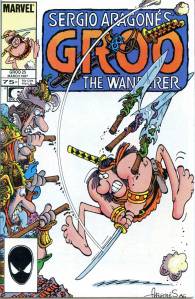
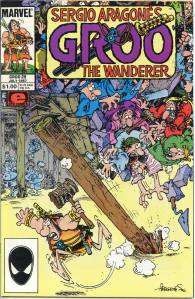
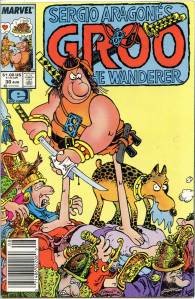
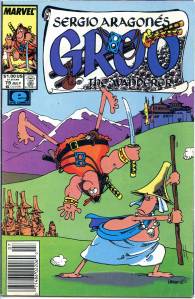
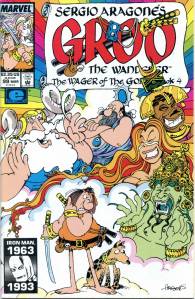
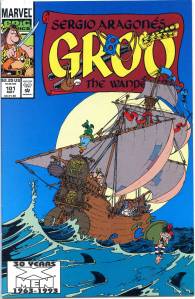
Groo was one of the first widely successful creator-owned comics, one of the few successful humorous comic books (outside Archie Comics) during its time, and one of the longest-running collaborations in comic book history. In 2011 IGN ranked Groo 100th in the “Top 100 comic books heroes”.
Aragonés and Evanier negotiated a deal with Epic Comics, an imprint of Marvel Comics, for that company to take care of publication while preserving creator rights. This resulted in the longest run of Groo the Wanderer with 120 issues. In 1994, with Marvel facing financial difficulties, the title switched to Image Comics and was retitled Groo. (In the first issue Groo remarks “The marvels of the world are but images before me.”)
When Image in turn faced legal problems after publishing twelve issues, the title switched to Dark Horse Comics in 1998. Dark Horse is not publishing the title as a regular series, but is periodically releasing new material and reprints as mini-series and collections.
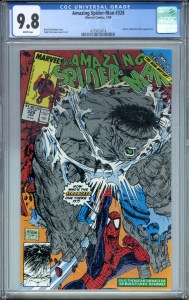
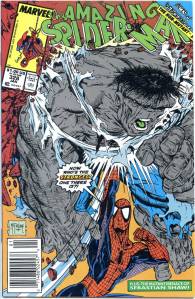
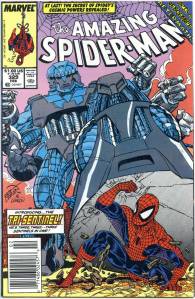
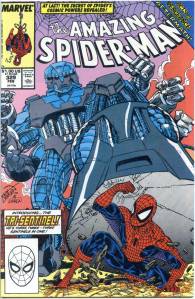
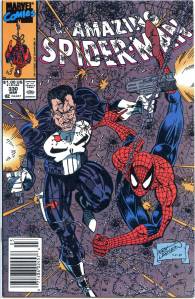
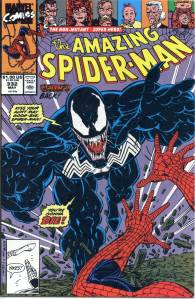
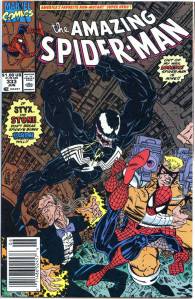
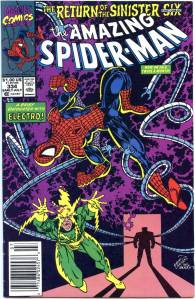
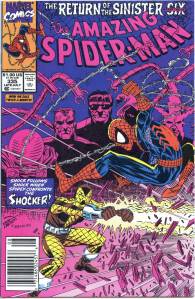
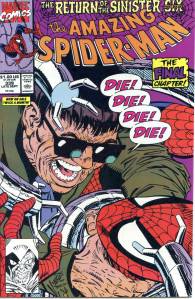
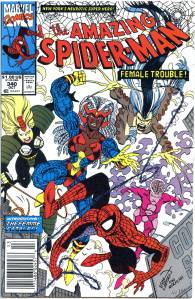
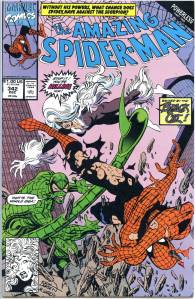
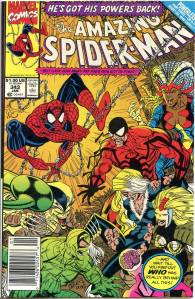
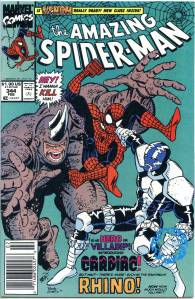
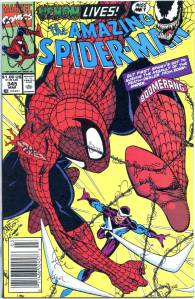
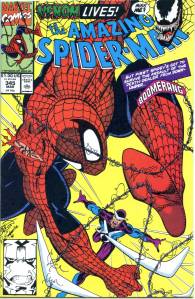
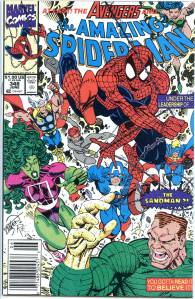
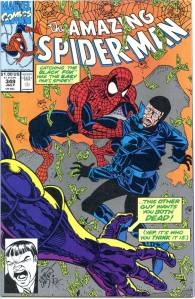
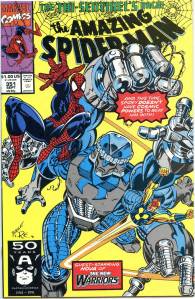
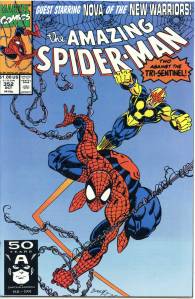
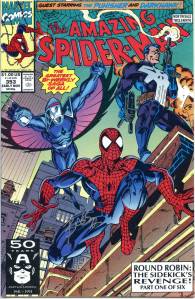
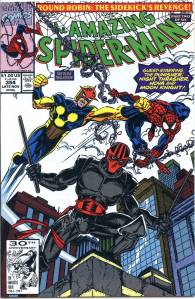
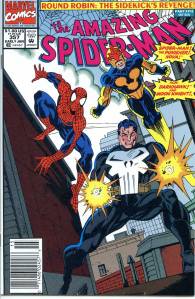
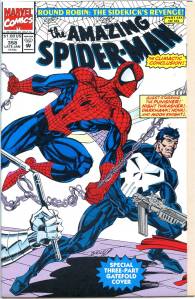
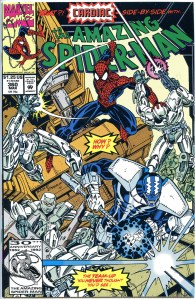
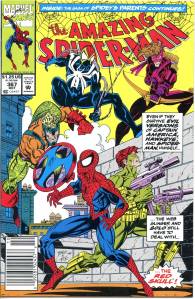
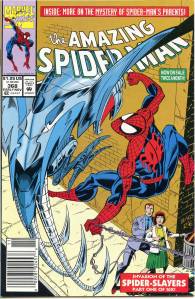
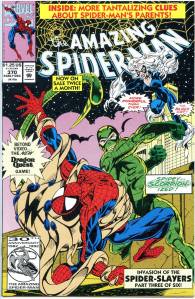
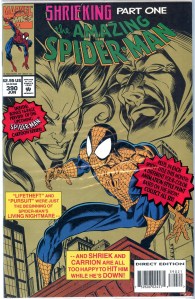
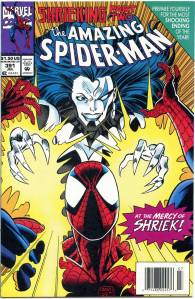
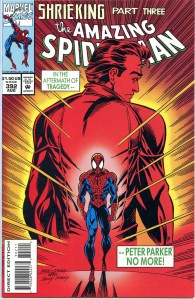
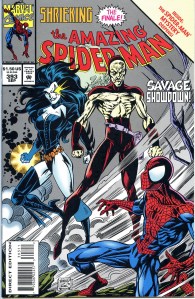
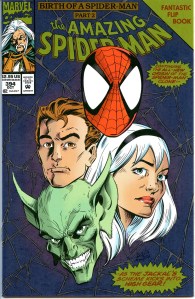
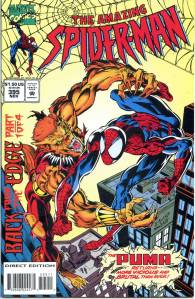
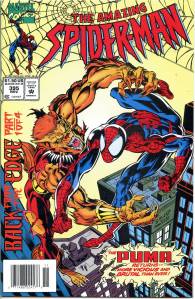
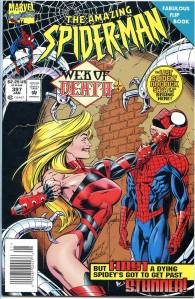
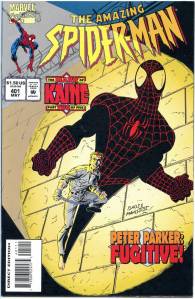
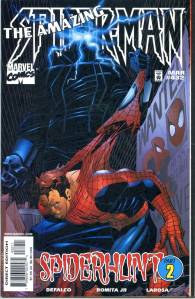
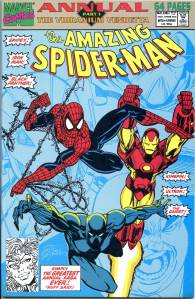
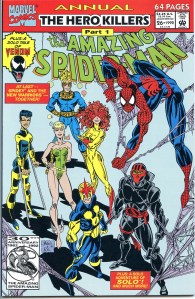
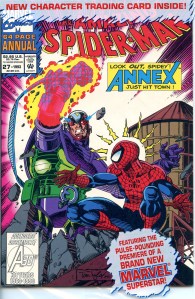
With a civilian life as a married man, the Spider-Man of the 1990s was different from the superhero of the previous three decades. McFarlane left the title in 1990 to write and draw a new series titled simply Spider-Man. His successor, Erik Larsen, penciled the book from early 1990 to mid-1991. After issue #350, Larsen was succeeded by Mark Bagley, who had won the 1986 Marvel Tryout Contest and was assigned a number of low-profile penciling jobs followed by a run on New Warriors in 1990. Bagley penciled the flagship Spider-Man title from 1991 to 1996.
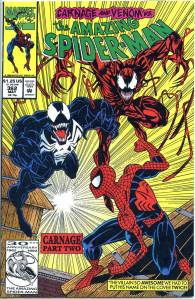
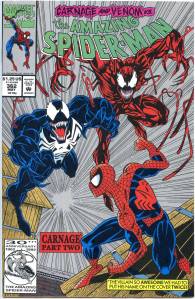
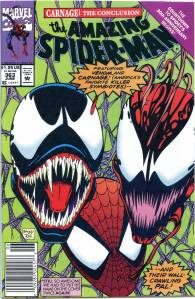
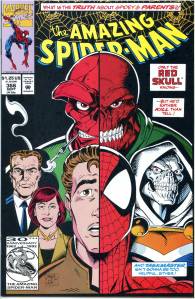
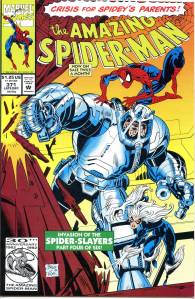
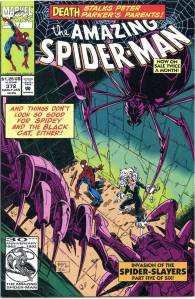
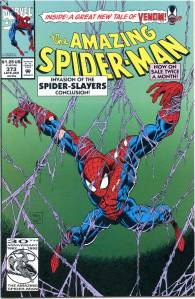
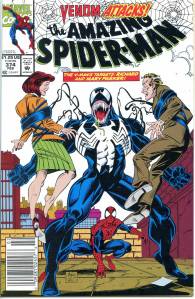
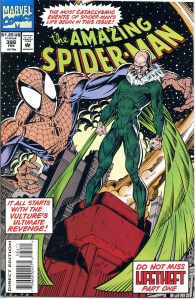
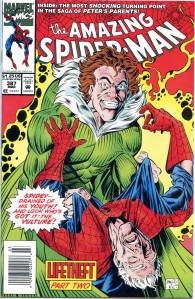
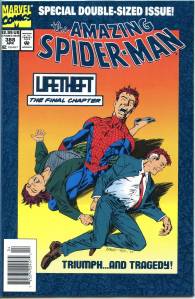
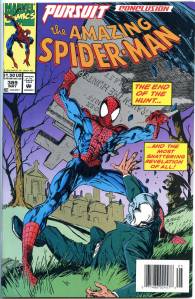
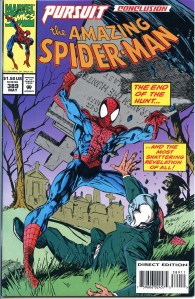
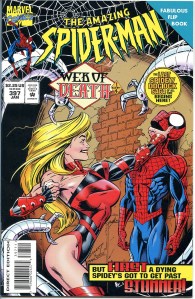
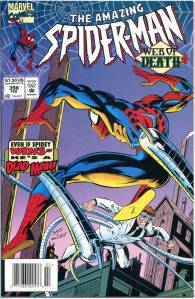
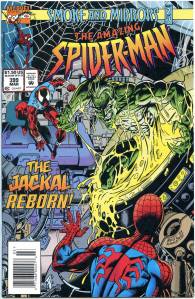
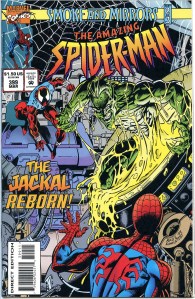
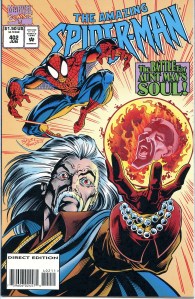
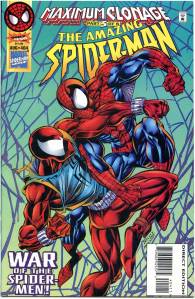
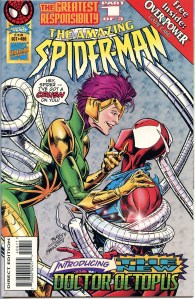
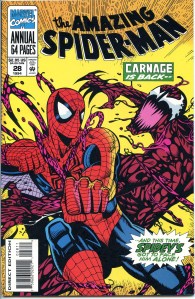
Issues #361-363 (April–June 1992) introduced Carnage, a second symbiote nemesis for Spider-Man. The series’ 30th-anniversary issue, #365 (Aug. 1992), was a double-sized, hologram-cover issue with the cliffhanger ending of Peter Parker’s parents, long thought dead, reappearing alive. It would be close to two years before they were revealed to be impostors, who are killed in #388 (April 1994), scripter Michelinie’s last issue. His 1987–1994 stint gave him the second-longest run as writer on the title, behind Stan Lee.
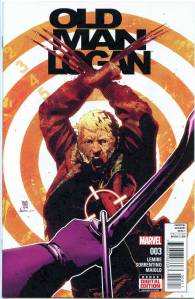
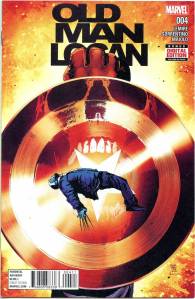
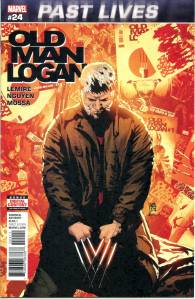
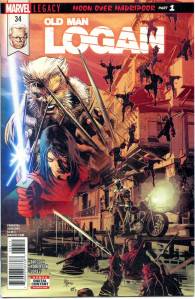
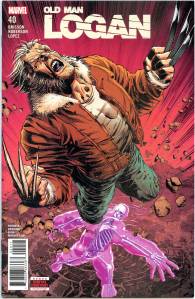
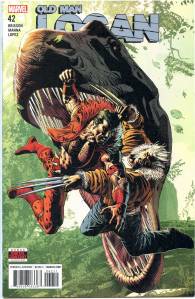
Fifty years from now, Logan – the man who no longer calls himself Wolverine – will have endured many atrocities: The Marvel Universe’s villains will have banded together and rid the world of its heroes. Logan’s closest friend, Hawkeye, will have been murdered in cold blood right before his eyes. And driven mad by the same radiation that gave him his superhuman strength, Bruce Banner will have fathered a family of hillbilly Hulks…that eventually went on to slaughter Logan’s wife and two children. But now, in the present, Old Man Logan wakes up to discover himself in a world before these atrocities, before the Wasteland. And he’s going to seize this opportunity and change history to ensure that his future never comes to pass…
Old Man Logan #1 Fried Pie Variant NM $5Old Man Logan #1 NM $5Old Man Logan #2 NM $4Old Man Logan #3 NM $4Old Man Logan #4 NM $4Old Man Logan #5 NM $4Old Man Logan #24 NM $4Old Man Logan #31 NM $4Old Man Logan #34 NM $4Old Man Logan #35 NM $4Old man Logan #37 NM $4Old Man Logan #40 NM $4Old Man Logan #42 NM- $3
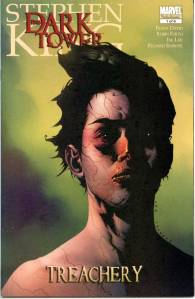
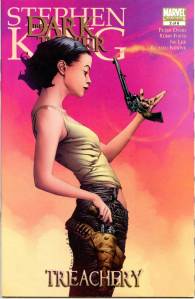
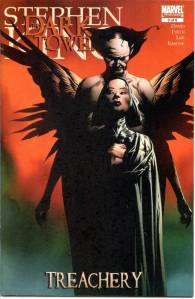
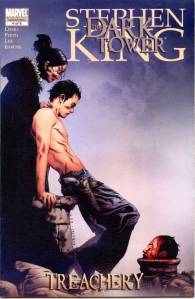
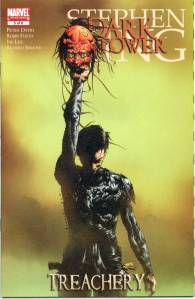
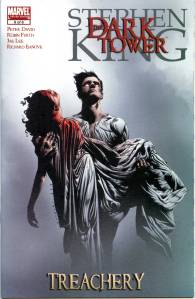
Whereas The Gunslinger Born was largely based on the events of The Dark Tower IV: Wizard and Glass, Treachery, like The Long Road Home, consists mostly of new material not found in any of the novels.
The story depicts the ka-tet of Roland Deschain, Alain Johns and Cuthbert Allgood dealing with the events following their return to Gilead from Hambry, including the toll that Maerlyn’s Grapefruit has taken on Roland’s health, his obsessive desire to continue peering into its depths, and the search for John Farson and the Big Coffin Hunters.
The Dark Tower – Treachery #1 NM $4The Dark Tower – Treachery #2 NM $4The Dark Tower – Treachery #3 NM $4The Dark Tower – Treachery #4 NM $4The Dark Tower – Treachery #5 NM $4The Dark Tower – Treachery #6 NM $4
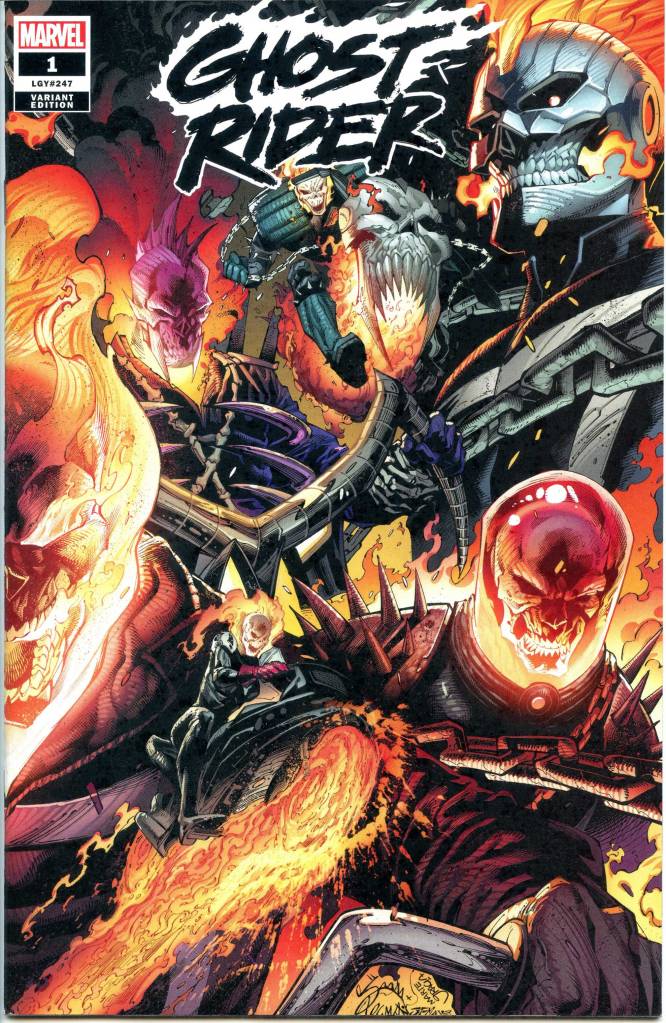
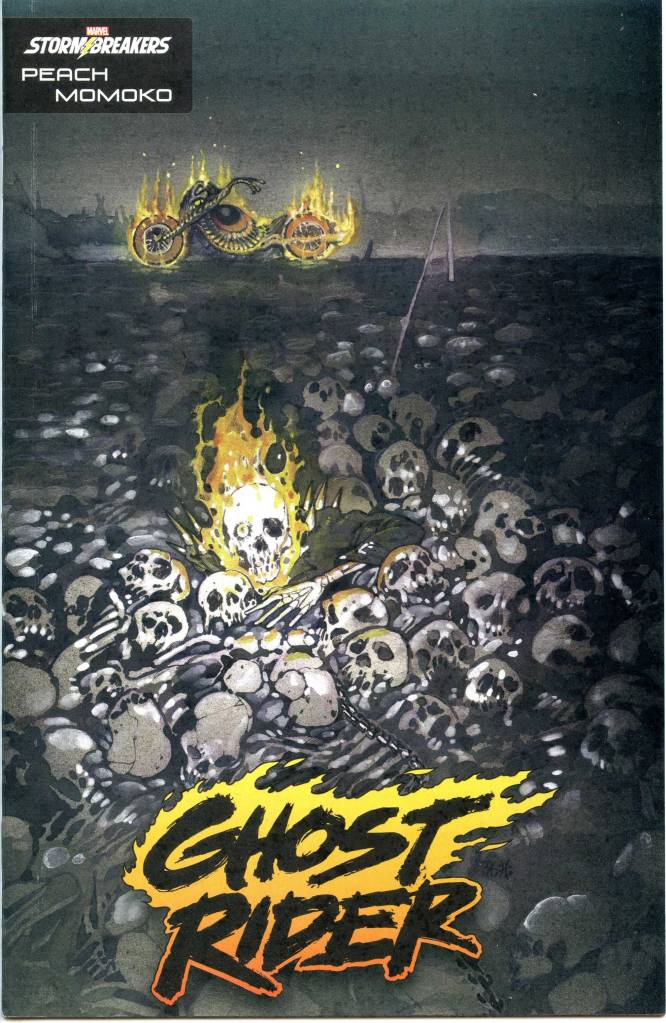
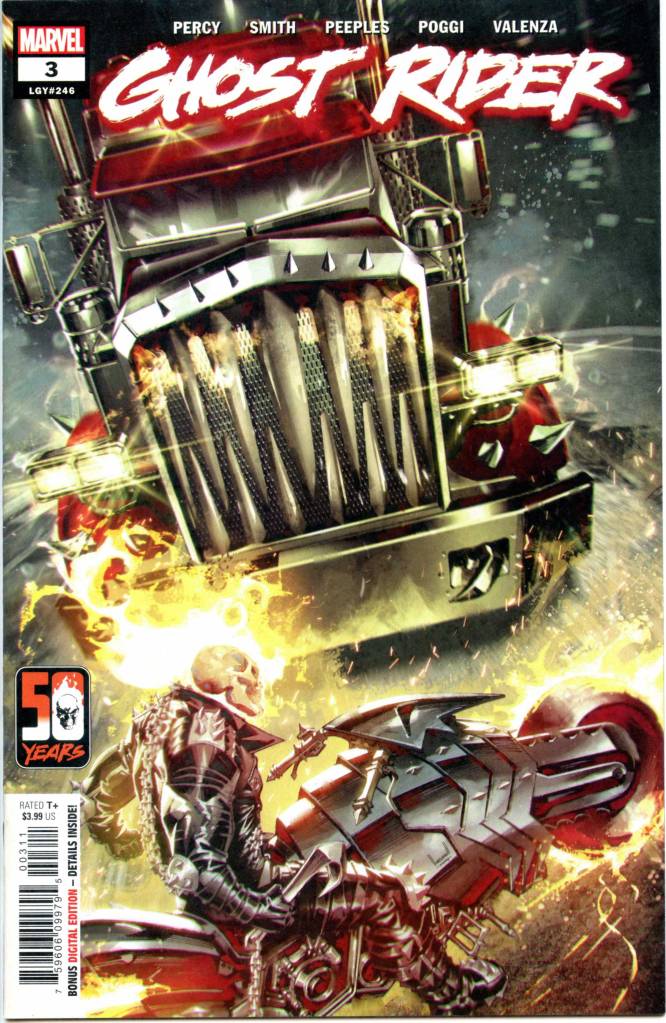
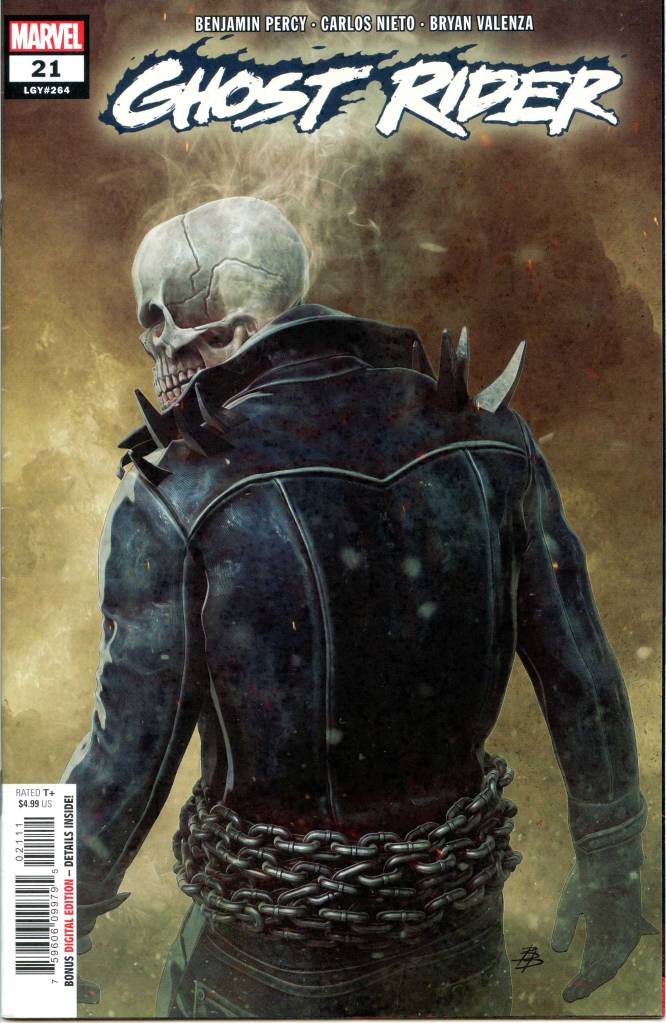
Johnny Blaze has the perfect life: a wife and two kids, a job at an auto repair shop and a small-town community that supports him… But Johnny isn’t doing well. He has nightmares of monsters when he sleeps. And he sees bloody visions when he’s awake. This life is beginning to feel like a prison. And there’s a spirit in him that’s begging to break out!
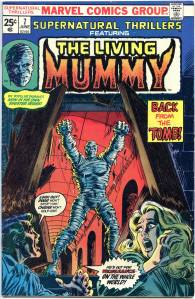
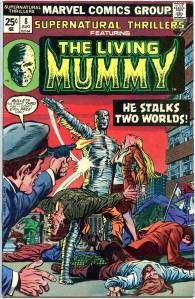
Supernatural Thrillers ran 15 issues (cover-dated December 1972 – October 1975). The title was one of four launched by Marvel Comics editor-in-chief Roy Thomas to form a line of science fiction and horroranthologies with more thematic cohesiveness than the company’s earlier attempts that decade, which had included the series Chamber of Darkness and Tower of Shadows. Whereas those titles generally presented original stories, these new books would instead adapt genre classics and other stories.
Issue #5 (August 1973) introduced the Living Mummy in a standalone story about an African tribal prince enslaved by Egyptians and mummified by an evil priest, who eventually reawakens in modern times. The character, created by writer Steve Gerber and penciler Rich Buckler, returned two issues later as the starring character in a generally 15-page solo series that ran from #7 to the final issue, #15 (June 1974 – October 1975). The cover logo during this time was “Supernatural Thrillers featuring The Living Mummy”.

































 EHT Comics