Eightball is an alternative comic book series written and drawn by Daniel Clowes. The first issue was published by Fantagraphics Books in 1989, soon after the end of Clowes’s previous comic series, Lloyd Llewellyn. It has consistently been among the best-selling independently authored comics.
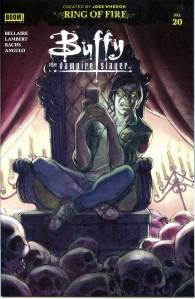
High school student Buffy Summers has recently moved to the small town of Sunnydale, California with her mother Joyce and Joyce’s doctor boyfriend Eric. Secretly, Buffy is in fact a Vampire Slayer, chosen to battle supernatural forces of evil, and undergoes training by her Watcher and school librarian Rupert Giles. Three weeks after arriving in Sunnydale, Buffy accidentally blows her cover saving Willow Rosenberg and Xander Harris from a vampire outside Tunaverse, the fast food restaurant where she works part-time. Giles is disappointed in her lack of discretion, but Willow and Xander prove to be reliable allies when they aid Buffy in battle against the new vampires in town, Spike and his Mistress Drusilla.
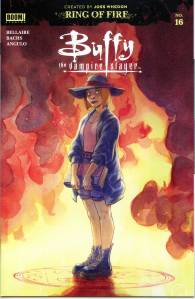
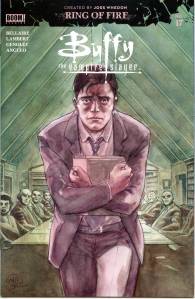
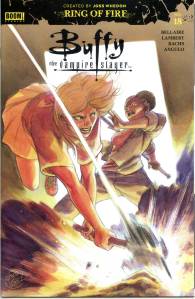
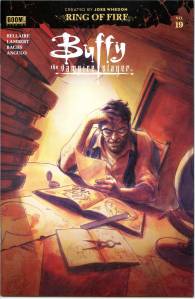
Buffy the Vampire Slayer #16 NM- $3Buffy the Vampire Slayer #17 NM $4Buffy the Vampire Slayer #18 NM $4Buffy the Vampire Slayer #19 NM $4Buffy the Vampire Slayer #20 NM $4
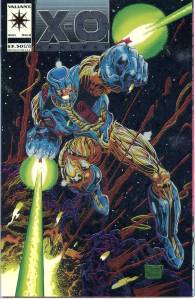
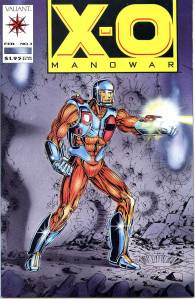
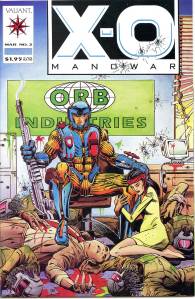
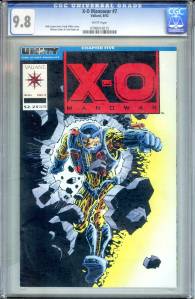
X-O Manowar began as an original character by Valiant Comics with issue #1 with a cover date of February 1992. Less than a year after it began, with the Unity crossover and quality storytelling bringing attention to Valiant books, back issue prices rose dramatically due to limited early print runs. With comic book speculators buying multiple copies of each issue, sales reached as high as 800,000 copies for X-O Manowar #0 (August 1993) before dropping off. This original series ran for 68 issues before being canceled after the Sept. 1996 issue, of which only approximately 14,000 were printed.
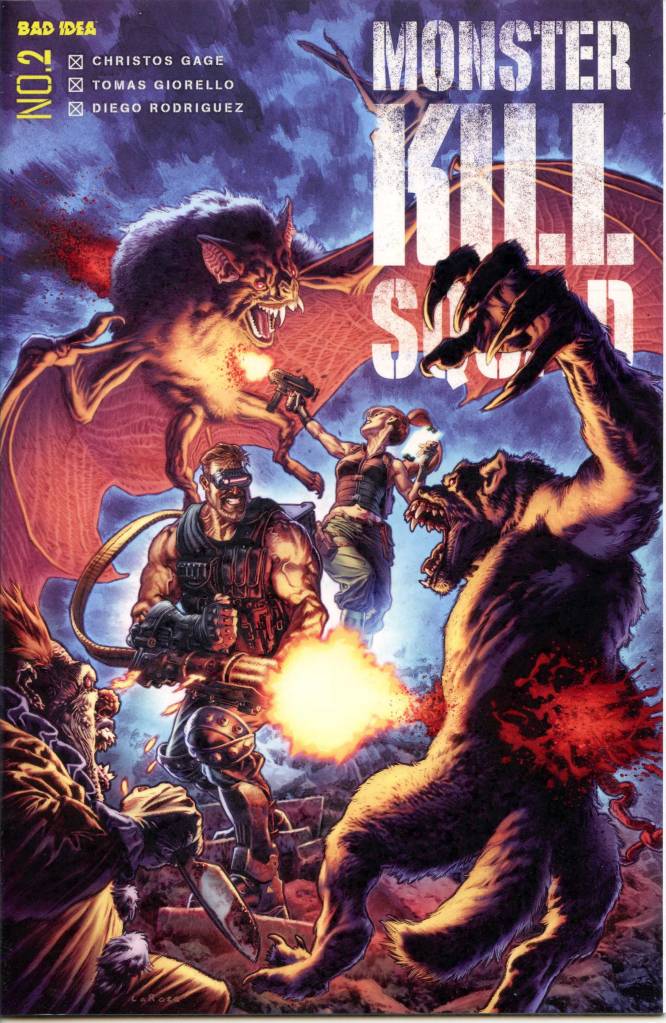
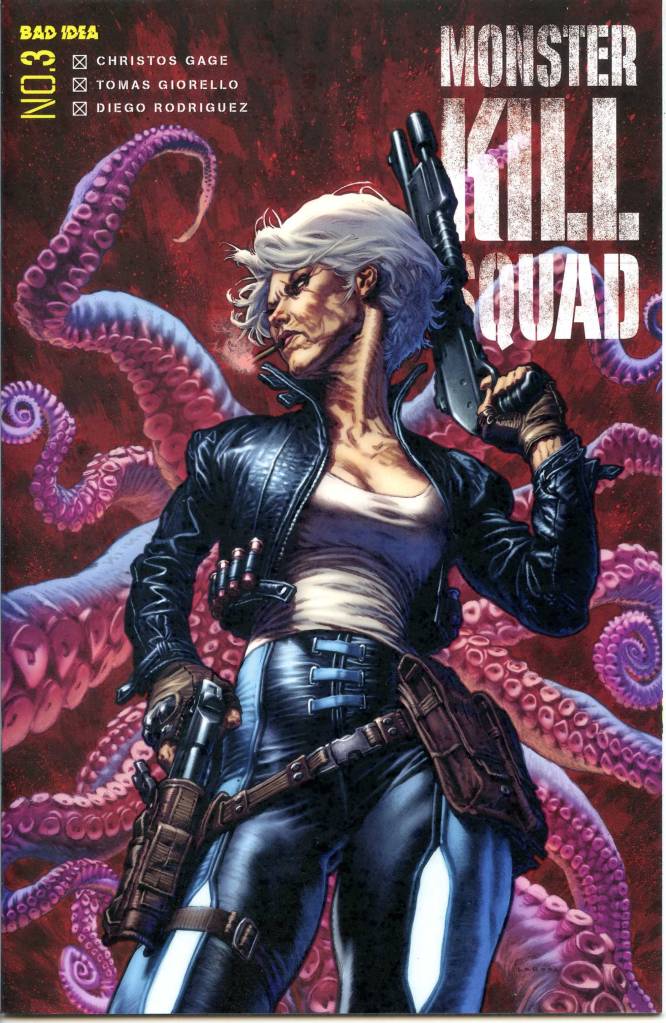
Once upon a time, monster attacks were rare. A forest witch might murder a few hikers, a killer clown might eat a few children, or a malevolent ghost might drive a young couple insane just for the hell of it. But these events were scarce, easily covered up, and soon faded into campfire stories good for a laugh. But no one’s laughing now. Over the past 90 days, cryptozoological attacks have increased a hundredfold, and the arcane has become everyday. Monsters of every shape and size strike at will, and the good, taxpaying folks of the US of A have had enough of this nonsense. Enter: THE MONSTER KILL SQUAD. A Government Unit of the most dangerous motherf-ckers on the planet, the deadliest folks alive are here to put a bullet in the brain of everything that walks, crawls, flies, or hides in shadows. And if it doesn’t have a brain, all the better — we’ve got a gun for that, too. Witches and wraiths. Demons and deadites. Goblins and ghosts. There have always been monsters. Now there are monster killers, and the MKS will kill it, and kill it good.
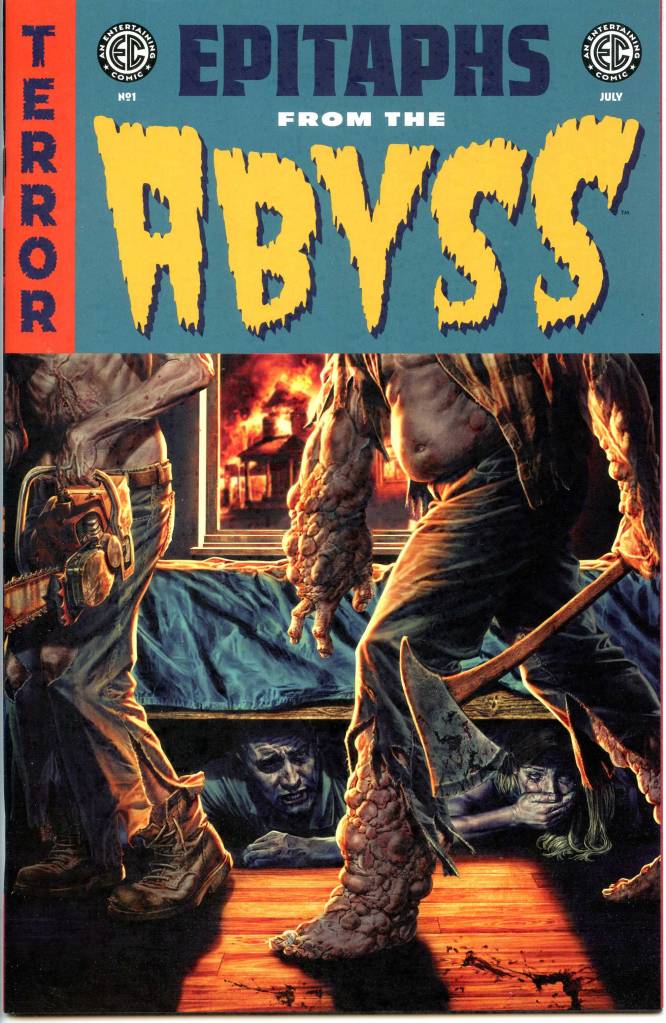
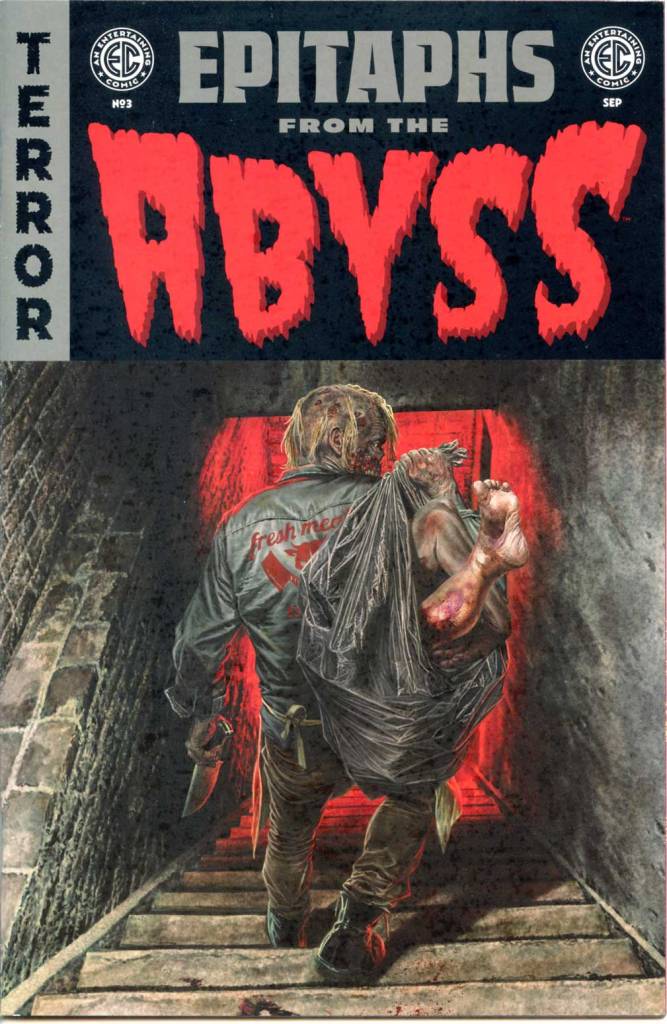
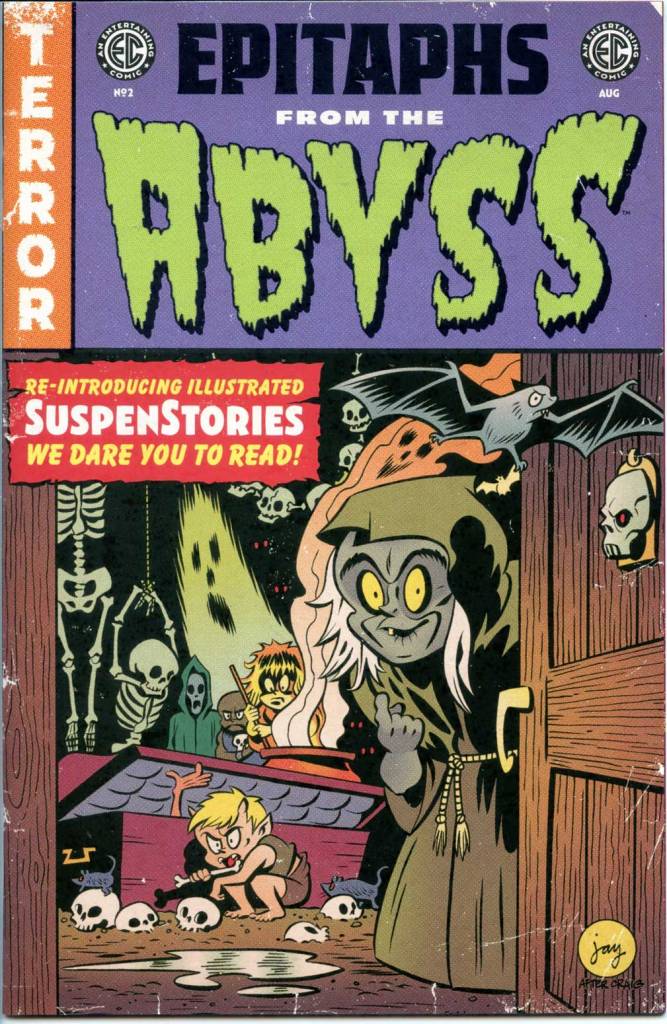
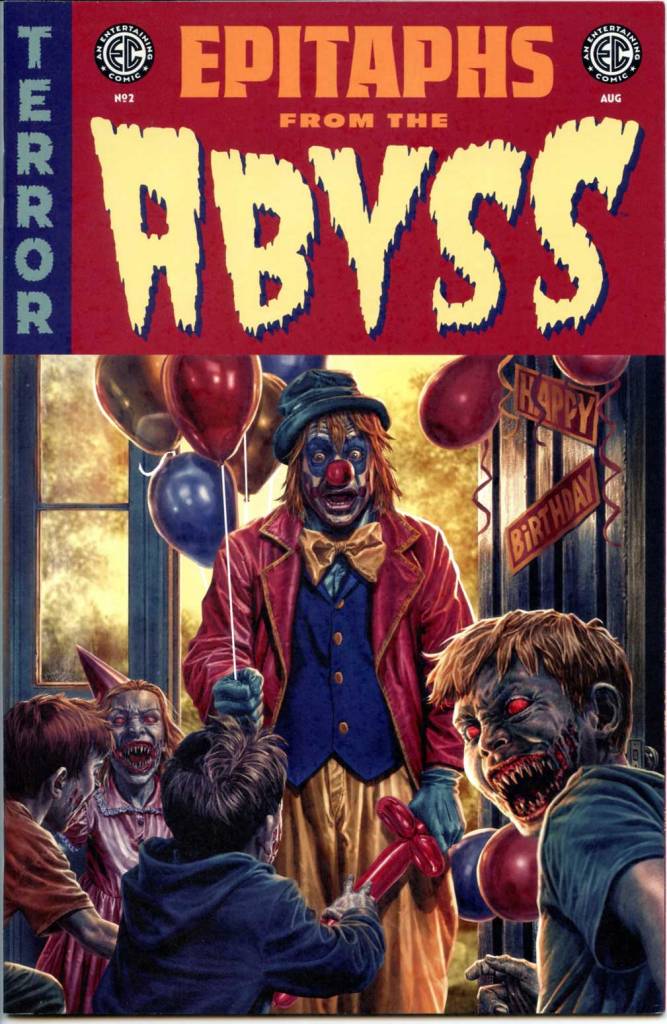
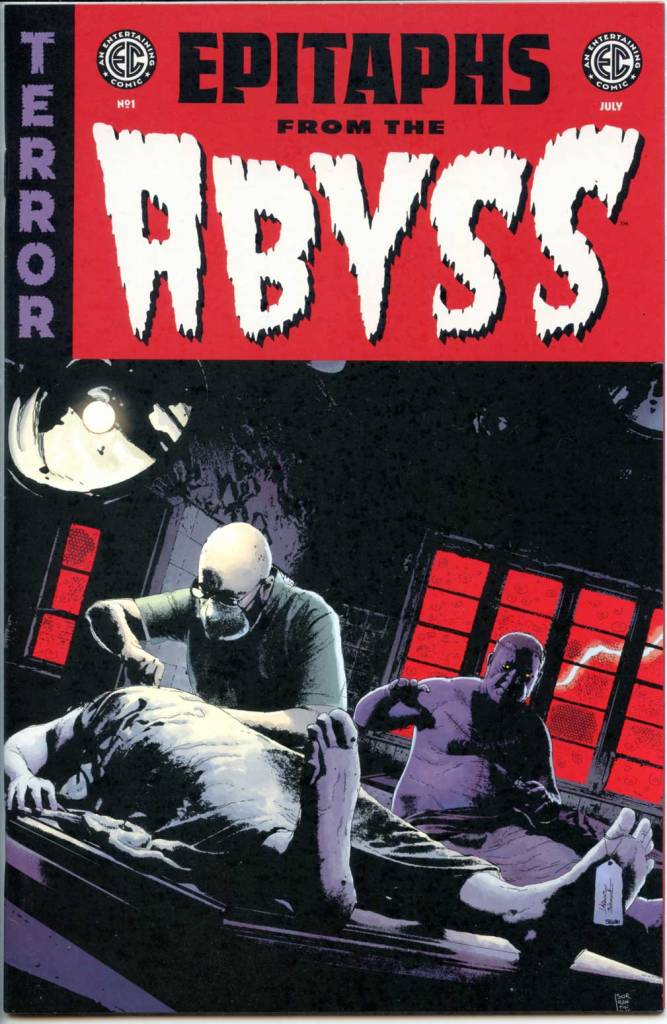
The most notorious name in terror is back with a vengeance! From the publisher that drove Tales from the Crypt, Vault of Horror, Haunt of Fear, and many more into the depraved hearts of an unsuspecting world, the immortal EC COMICS returns . . . with its first all-new series in nearly 70 years! What the Comics Code Authority couldn’t kill has only made it stronger . . . EC Comics lives again in Epitaphs from the Abyss!
Epitaphs from the Abyss #1A NM $9Epitaphs from the Abyss #3 NM $9Epitaphs from the Abyss #2 1:10 Variant NM $9Epitaphs from the Abyss #2 NM $9Epitaphs from the Abyss #1 NM $5
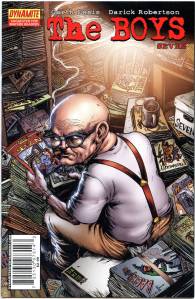
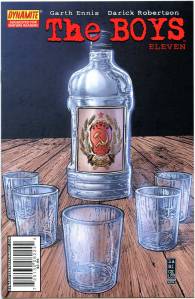
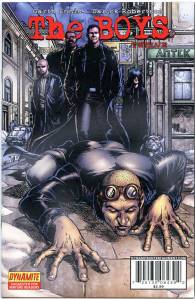
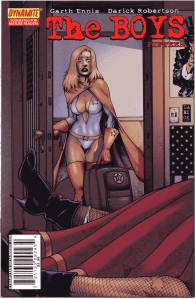
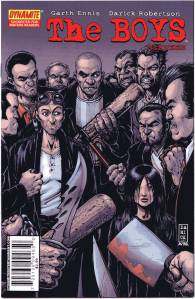
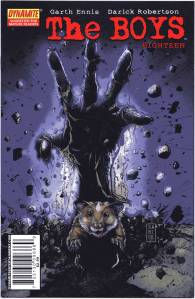
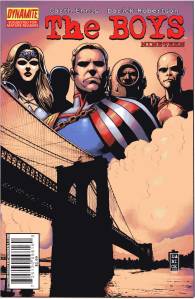
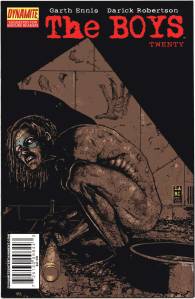
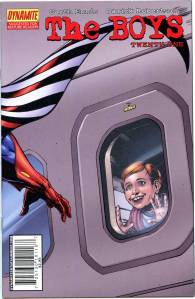
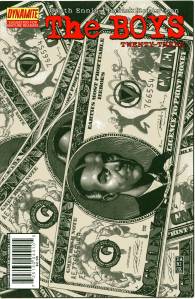
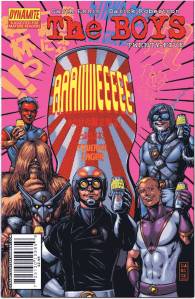
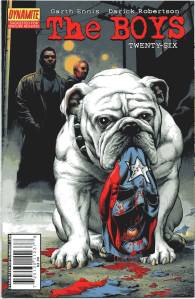
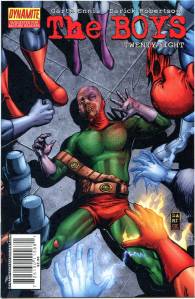
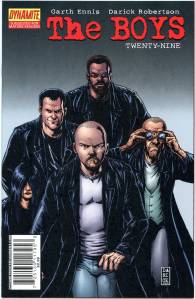
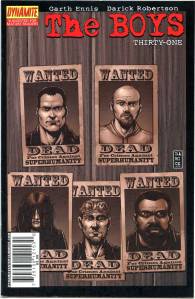
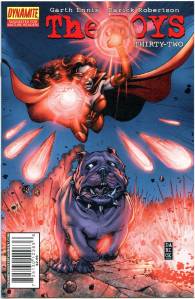
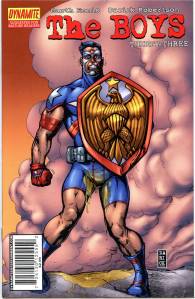
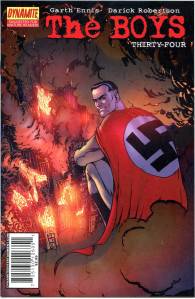
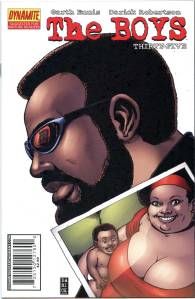
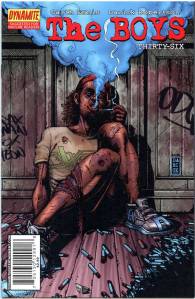
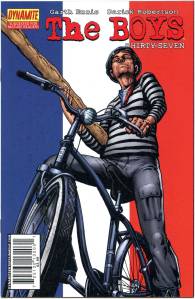
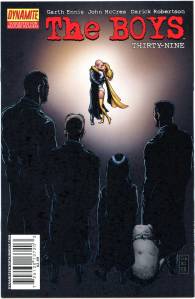
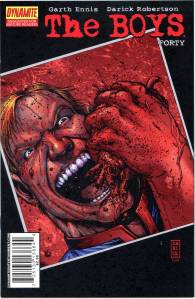
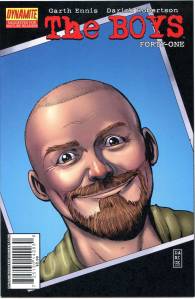
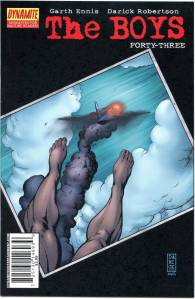
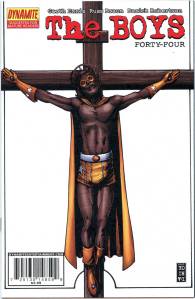
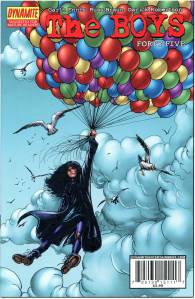
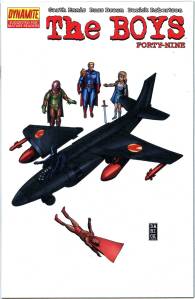
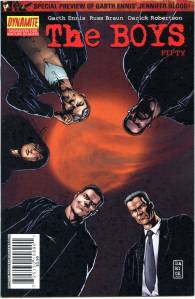
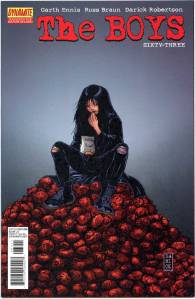
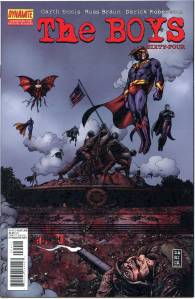
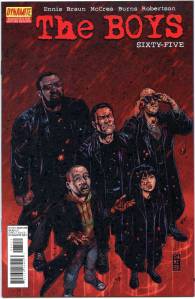
The series is set between 2006–2008 in a world where superheroes exist. However, most of the superheroes in the series’ universe are corrupted by their celebrity status and often engage in reckless behavior, compromising the safety of the world. For this reason, a superpowered CIA squad, known informally as “The Boys”, is charged with monitoring the superhero community; the name is Butcher’s contribution, a reference from his neighborhood that those in power would send “the boys” to handle anyone causing trouble.
Ennis has said that the series would “out-PreacherPreacher“, presumably referring to the extreme violence and sexuality that were that series’ hallmark, and that the series would end with its seventy-second issue.
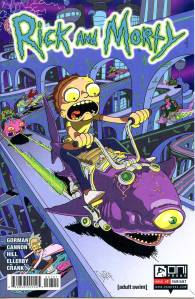
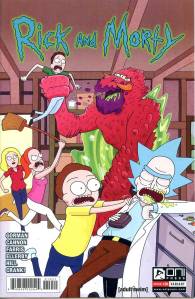
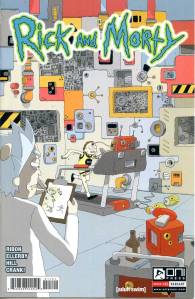
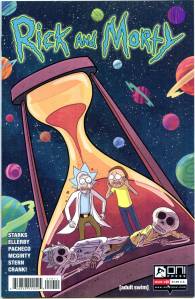
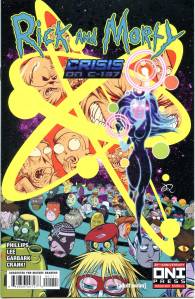
On April 1, 2015, a Rick and Morty comic book adaptation debuted with its first monthly issue, entitled “BAM!” The series is written by Zac Gorman and illustrated by CJ Cannon.[71] Artist Tom Fowler wrote a multi-issue story arc that began in March 2016. Using the television series’ established premise of alternate timelines, the comic book expressly features the Rick and Morty (and supporting cast) of a different timeline, allowing the comics to tell stories without conflicting with the canon of the show.
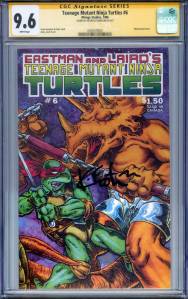
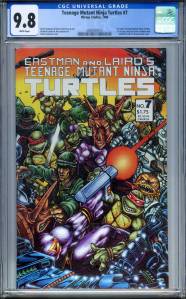
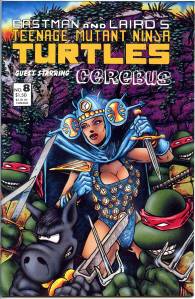
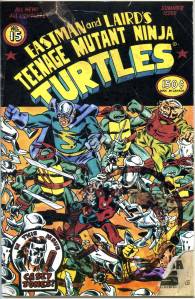
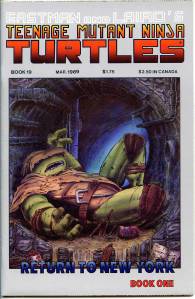
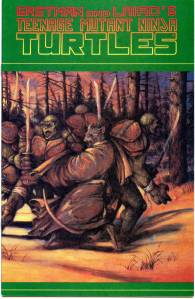
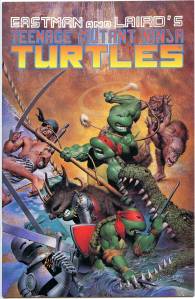
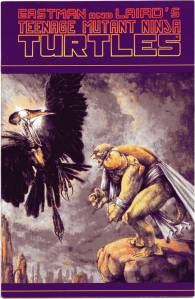
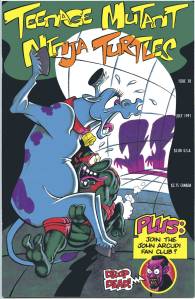
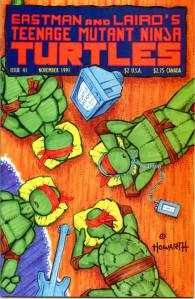
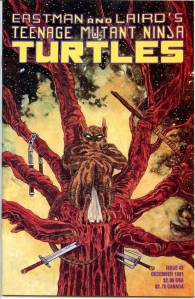
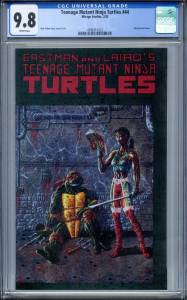
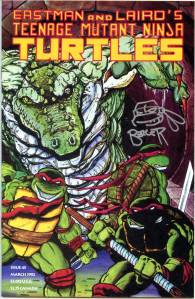
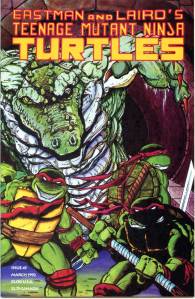
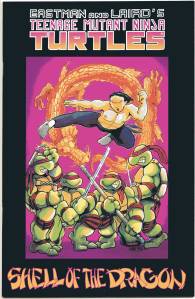
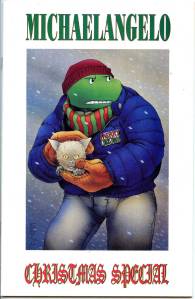
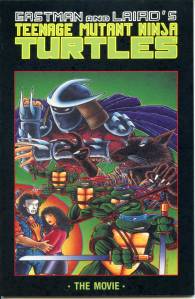
The Teenage Mutant Ninja Turtles was first published by Mirage Studios in 1984 in Dover, New Hampshire. The concept arose from a humorous drawing sketched out by Kevin Eastman during a casual evening of brainstorming and bad television with Peter Laird. Using money from a tax refund, together with a loan from Eastman’s uncle, the young artists self-published a single-issue comic intended to parody four of the most popular comics of the early 1980s: Marvel Comics’ Daredevil and New Mutants, Dave Sim’s Cerebus, and Frank Miller’s Ronin. The TMNTcomic series has been published in various incarnations by various comic book companies since 1984.
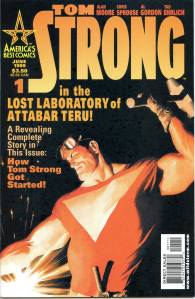
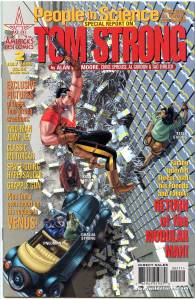
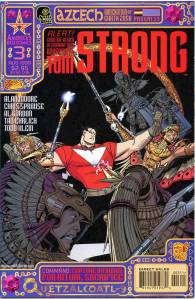
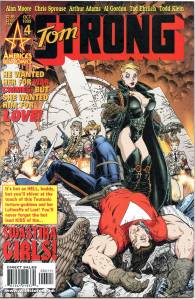
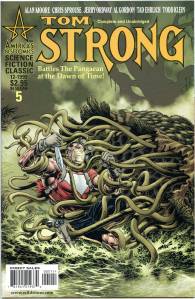
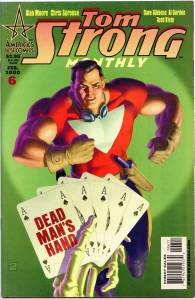
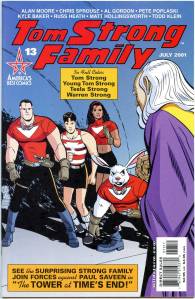
Tom Strong is a comic book created by writer Alan Moore and artist Chris Sprouse, initially published bi-monthly by America’s Best Comics, an imprint of DC Comics‘ Wildstorm division. Tom Strong, the title character, is a “science hero”, with a wife, Dhalua, and a daughter, Tesla, both with enhanced physical and mental abilities and longevity. He lives in a building called The Stronghold in Millennium City. He is also helped by Pneuman, a steam-poweredrobot, and King Solomon, a gorilla with human characteristics. His greatest foe is tuxedo-clad “science villain” Paul Saveen. The series explores many different timelines and universes, which are a nod to different comic genres. The primary characters are tributes to and spoofs of early pulp heroes.
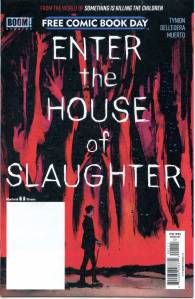
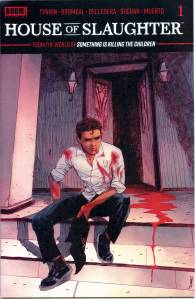
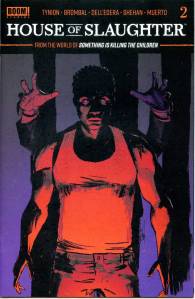
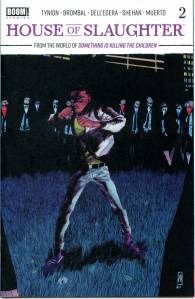
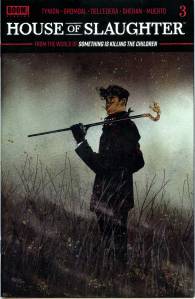
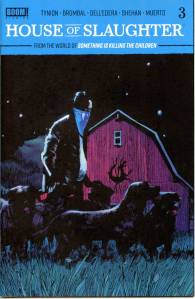
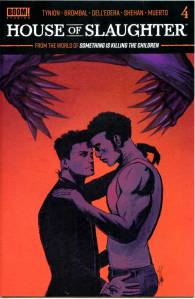
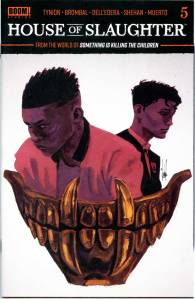
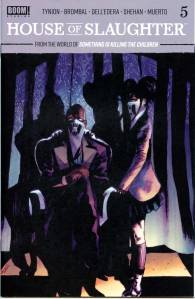
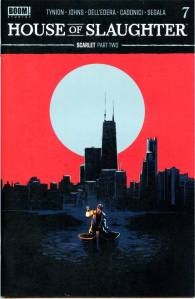
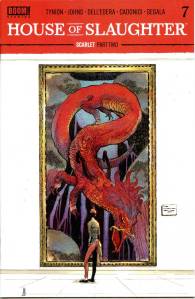
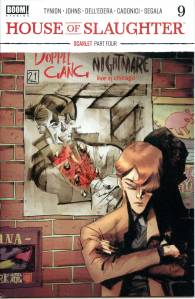
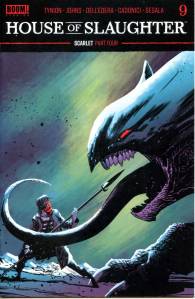
Discover the inner workings of the House of Slaughter in this new horror series exploring the secret history of the Order that forged Erica Slaughter into the monster hunter she is today. You know Aaron Slaughter as Erica’s handler and rival. But before he donned the black mask, Aaron was a teenager training within the House of Slaughter. Surviving within the school is tough enough, but it gets even more complicated when Aaron falls for a mysterious boy destined to be his competition.































 EHT Comics