The Spectre V3 (1992)

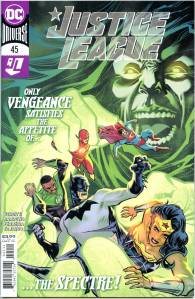
In 1992, the Spectre was again given his own series, this time written by writer and former theology student John Ostrander, who chose to re-examine the Spectre in his aspects as both the embodied Avenging Wrath of the Murdered Dead and as a brutal 1930s policeman.
Ostrander placed the Spectre in complex, morally-ambiguous situations that posed certain ethical questions, one example being: What vengeance should be wrought upon a woman who killed her abusive husband in his sleep?

Ostrander also added several new concepts into the Spectre’s history: He revealed that the Spectre was meant to exist as the embodiment of the Wrath of God, and Jim Corrigan was but the latest human spirit assigned to guide him while he existed on Earth. It was also shown that the Spectre was a fallen angel named Aztar who had participated in Lucifer‘s rebellion, but then repented, and that serving as the embodiment of God’s anger was its penance.
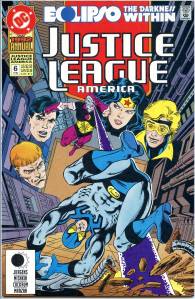
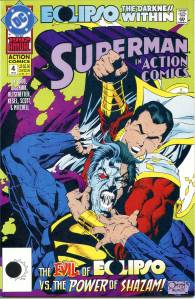
Furthermore, the Spectre was not the first embodiment of God’s anger, but was the replacement for the previously-minor DC character Eclipso. Ostrander chose to portray this as a distinction between the Spectre’s pursuit of vengeance and Eclipso’s pursuit of revenge. In a historical context, Eclipso was responsible for the biblical Flood, while the Spectre was the Angel of Death who slew the firstborn Egyptian children. Spectre and Eclipso have battled numerous times through history but neither entity can be fully destroyed.
He-Man and the Masters of the Universe (2013)

On April 24, 2013, the second volume, an ongoing series, started with the aftermath of the first volume. 19 issues were released, consisting of 3 story arcs of 6 issues and one prelude to the next ongoing series. At the start of the first arc, a celebration of the Sorceress’ life is interrupted by an invasion of the Horde, the army of Hordak himself. Leading the charge is a human woman called Despara. He-Man’s friend Teela soon recognized Despara as her forgotten childhood friend Adora, who is destined to become She-Ra, the Princess of Power.[2] The second arc, entitled “What Lies Within” (issue 7-12) sees King Randor lead He-Man, Teela, Stratos and Moss Man into Subternia to attempt to bring the Sorceress back to life. Along the way they face the reborn Snake Men. The third arc, “The Blood of Grayskull” (issues 13 to 18) explains the origin of She-Ra. The final issue, #19, features a flashback to the youth of Prince Adam and serves as a prelude to the Eternity War.

The Green Lantern: Season Two (2020)

The Green Lantern: Season Two is a continuation of Grant Morrison and Liam Sharp‘s The Green Lantern (Volume 1) and Green Lantern: Blackstars (Volume 1) (the latter with covers by Sharp and interior artwork by Xermanico). As Hal Jordan is honored for saving all of reality and ending the threat of the Blackstars, he continues investigating crimes across Sector 2814 and is appointed with finding new Guardians of the Universe.

The Demon V3 (1990)

Etrigan the Demon first appeared in The Demon #1 (August 1972) and was created by Jack Kirby. He created the Demon when his Fourth World titles were cancelled. According to Mark Evanier, Kirby had no interest in horror comics, but created Etrigan in response to a demand from DC for a horror character. Kirby was annoyed that the first issue sold so well that DC required him to do sixteen issues and abandon the Fourth World titles before he was done with them.

The 1990 series lasted 58 issues, two Annuals and one #0 issue. Garth Ennis took over the title beginning with issue #40. Ennis’ run included the first appearance of his character Hitman.

Catwoman – When in Rome (2004)

The story features Catwoman, on a trip to Rome to find information concerning her long-lost parents, who she believes to be the crime lord Carmine Falcone and his wife Louisa. The story takes place parallel to the later issues of Batman: Dark Victory.

Doomsday Clock (2017)

Doomsday Clock is part of the DC Rebirth initiative, and it continues the narrative that was established with the 2016 one-shot DC Universe: Rebirth Special, the 2017 crossover event “The Button” and other related stories. It is a follow-up to the 1986–1987 miniseries Watchmen by Alan MooreDave Gibbons and John Higgins, and it introduces that story’s characters into the DC Universe, alongside a few original characters created for the book. Although Dan DiDio (then DC’s co-publisher) confirmed that it is a sequel to that miniseries, Johns originally declined to characterize it as such, viewing it as a standalone story, saying, “It is something else. It is Watchmen colliding with the DC Universe.”

Batman: The Imposter (2021)

Bruce Wayne’s mission as the Batman has only been under way for a year or so, but he can tell he’s making a difference. Unfortunately, he’s made some powerful enemies. All the traditional power brokers of Gotham resent the disruption the Batman has brought to town…and it seems one of them has a plan to neutralize him. There’s a second Batman haunting Gotham’s rooftops and alleys—and this one has no qualms about murdering criminals, live and on tape.

Detective Comics (1990’s)

Chuck Dixon became the writer of the series with issue #644 (May 1992). He and Tom Lyle co-created the Electrocutioner in Detective Comics #644 (May 1992) and Stephanie Brown in Detective Comics #647 (August 1992).

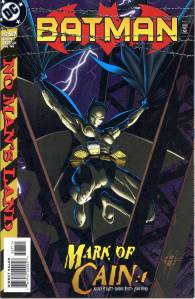
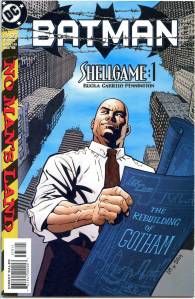
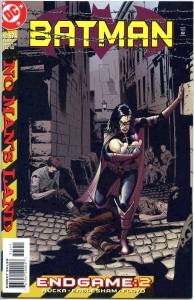
The “Batman: Legacy” storyline began in issue #700 (August 1996). The “No Man’s Land” storyline crossed over into Detective Comics in issues #730–741.

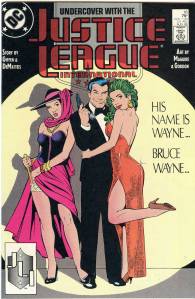
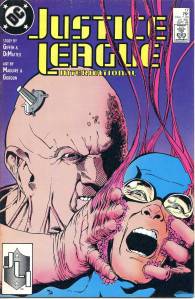
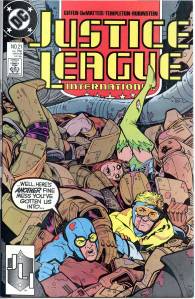
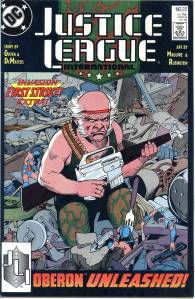
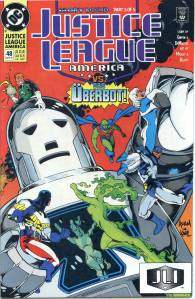
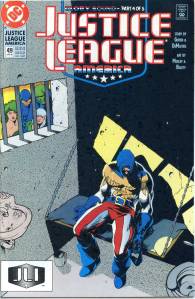
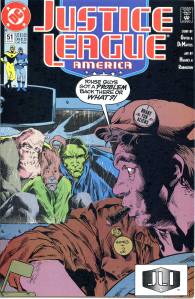
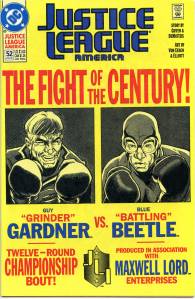
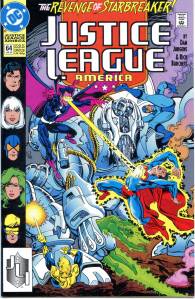
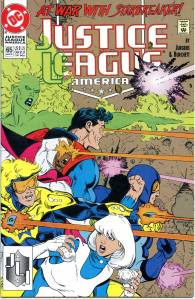
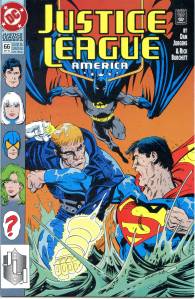
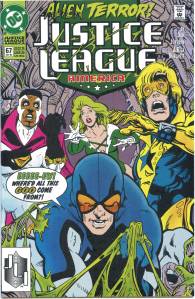
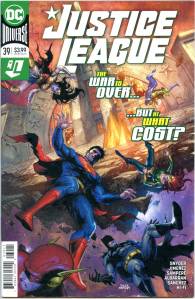
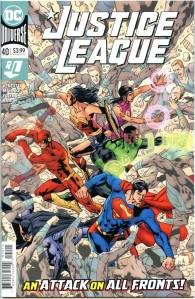
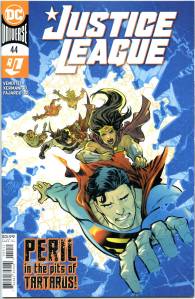
Justice League (1987)

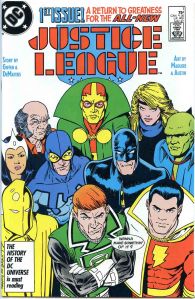
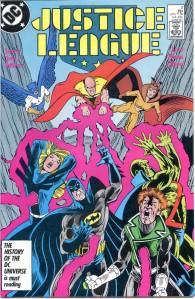
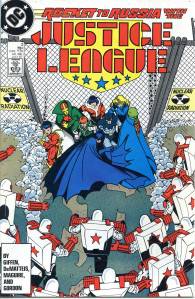
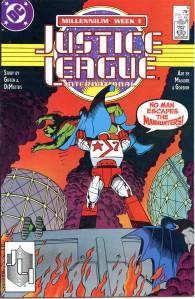
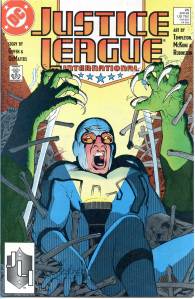
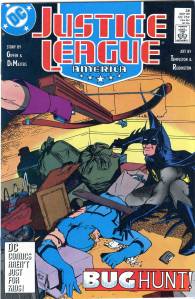
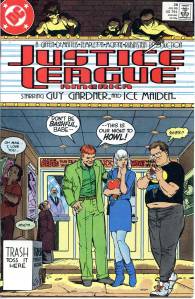
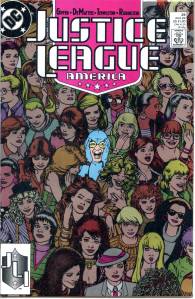
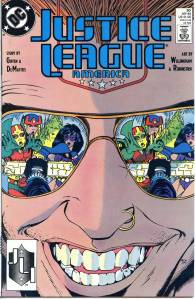
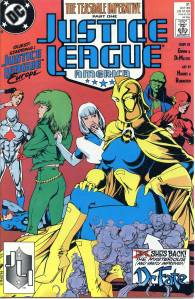
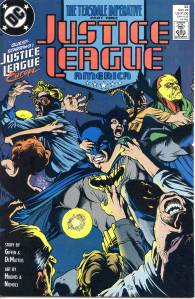
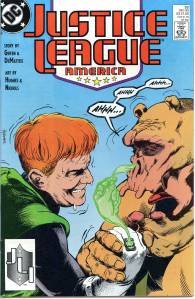
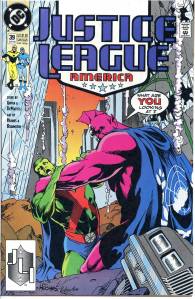
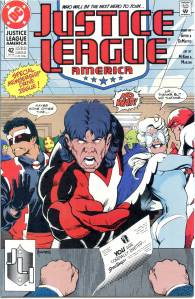
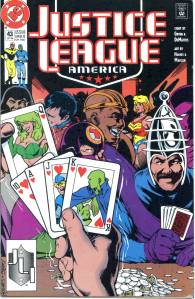
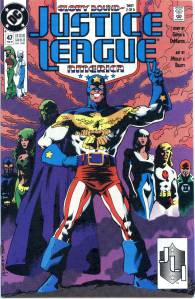
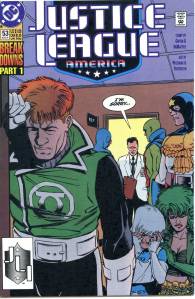
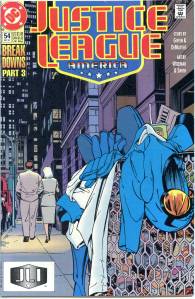
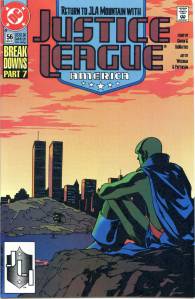
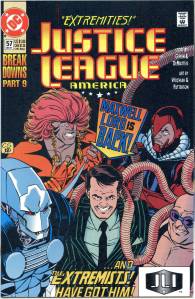
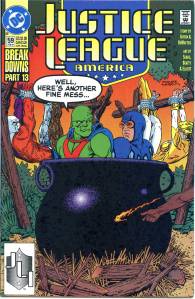
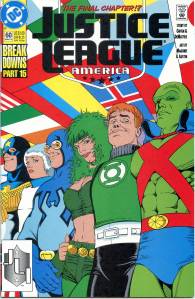
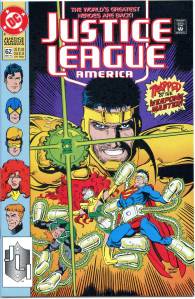
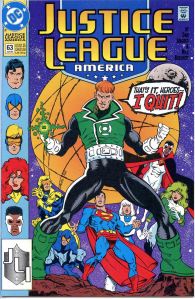
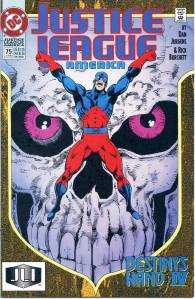
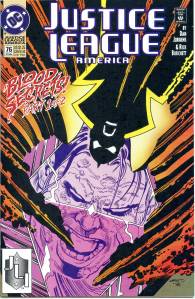
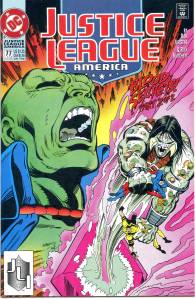
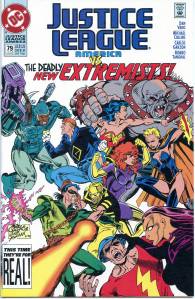
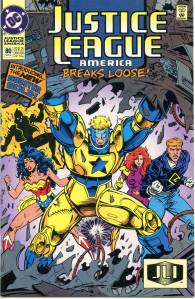
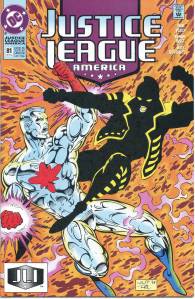
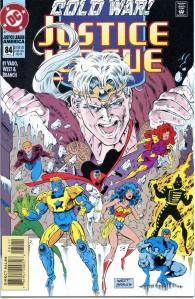
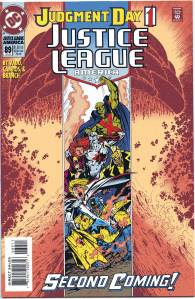
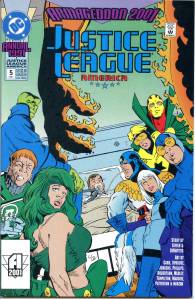
The 1986 company-wide crossover “Legends” concluded with the formation of a new Justice League. The new team was dubbed “Justice League” then “Justice League International” (JLI) and was given a mandate with less of an American focus. The new series, written by Keith Giffen and J. M. DeMatteis with art by Kevin Maguire (and later Adam Hughes), added quirky humor to the team’s stories. In this incarnation, the membership consisted partly of heroes from Earths that, prior to their merging in the Crisis on Infinite Earths, were separate. The Giffen/DeMatteis team worked on Justice League for five years and closed out their run with the “Breakdowns” storyline in 1991 and 1992. The series’ humorous tone and high level of characterization proved very popular.

Smax the Adventurer (2003)

The story deals with Smax and Toybox returning, via magical teleportation, to Jeff’s magically enchanted homeworld. Smax, now a city dweller, seems embarrassed by his unsophisticated, sword-and-sorcery roots. They attend Smax’s uncle’s funeral where Jeff introduces Robyn as his wife, though no such relationship exists. At this point Jeff’s sister Rexa Macksun is introduced, dressed in the typical garb of a female fantasy barbarian such as Red Sonja and just as tall and physically impressive as her brother with the same blue skin and white hair.